

Alopecia Hair Transplant
Alopecia hair transplant restores hair lost to alopecia by transplanting healthy follicles. Treatment depends on the alopecia type and severity, so a doctor’s assessment is essential. Options include a male hair transplant and a female hair transplant, each tailored to individual needs.

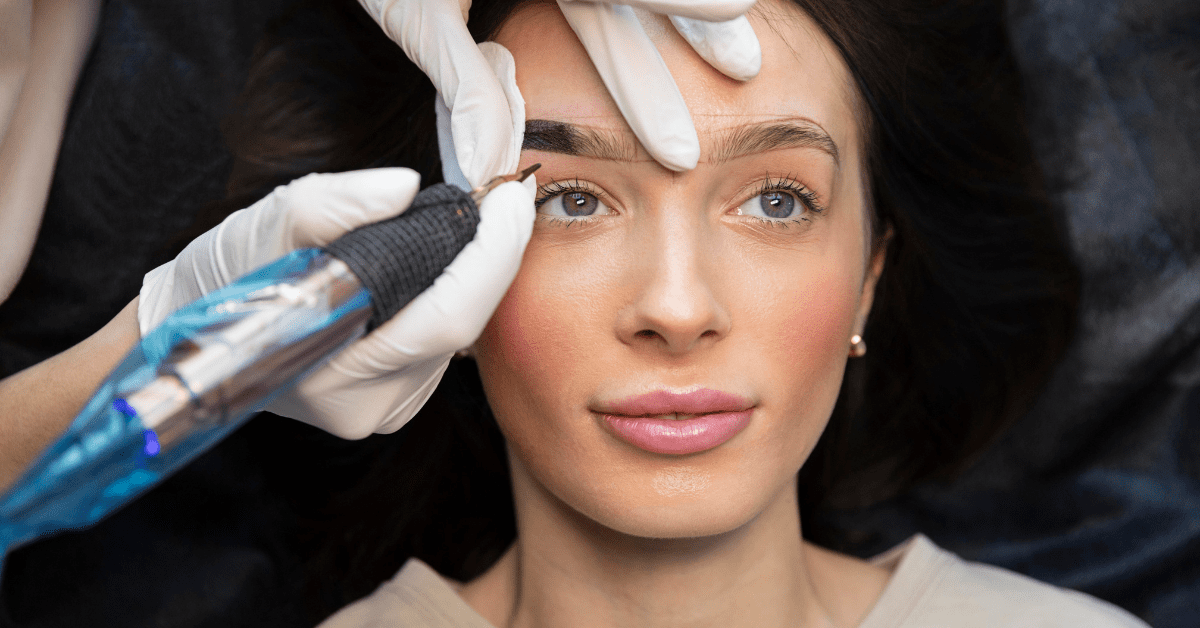
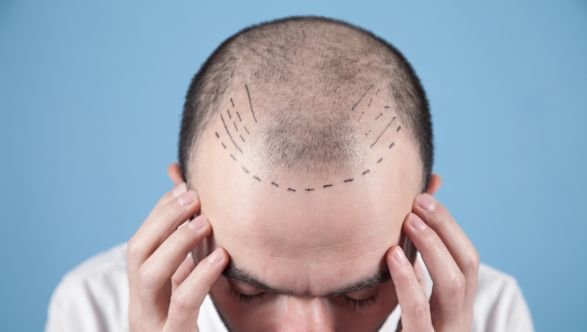
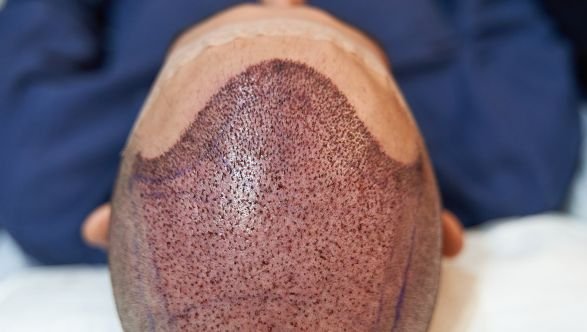

Types of Alopecia Hair Transplant Treatments
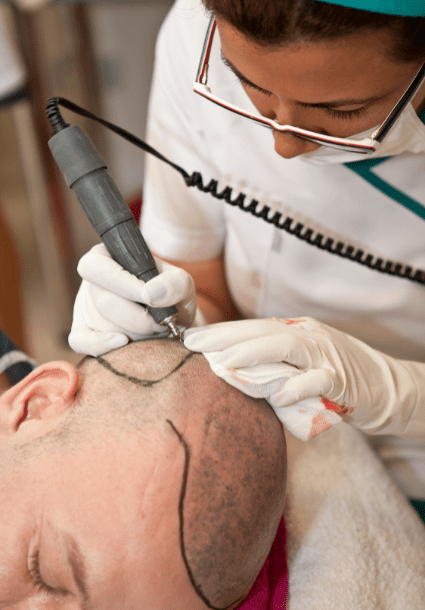
- FUE (Follicular Unit Extraction): Extracts individual hair follicles, suitable for androgenic and some scarring alopecia cases.
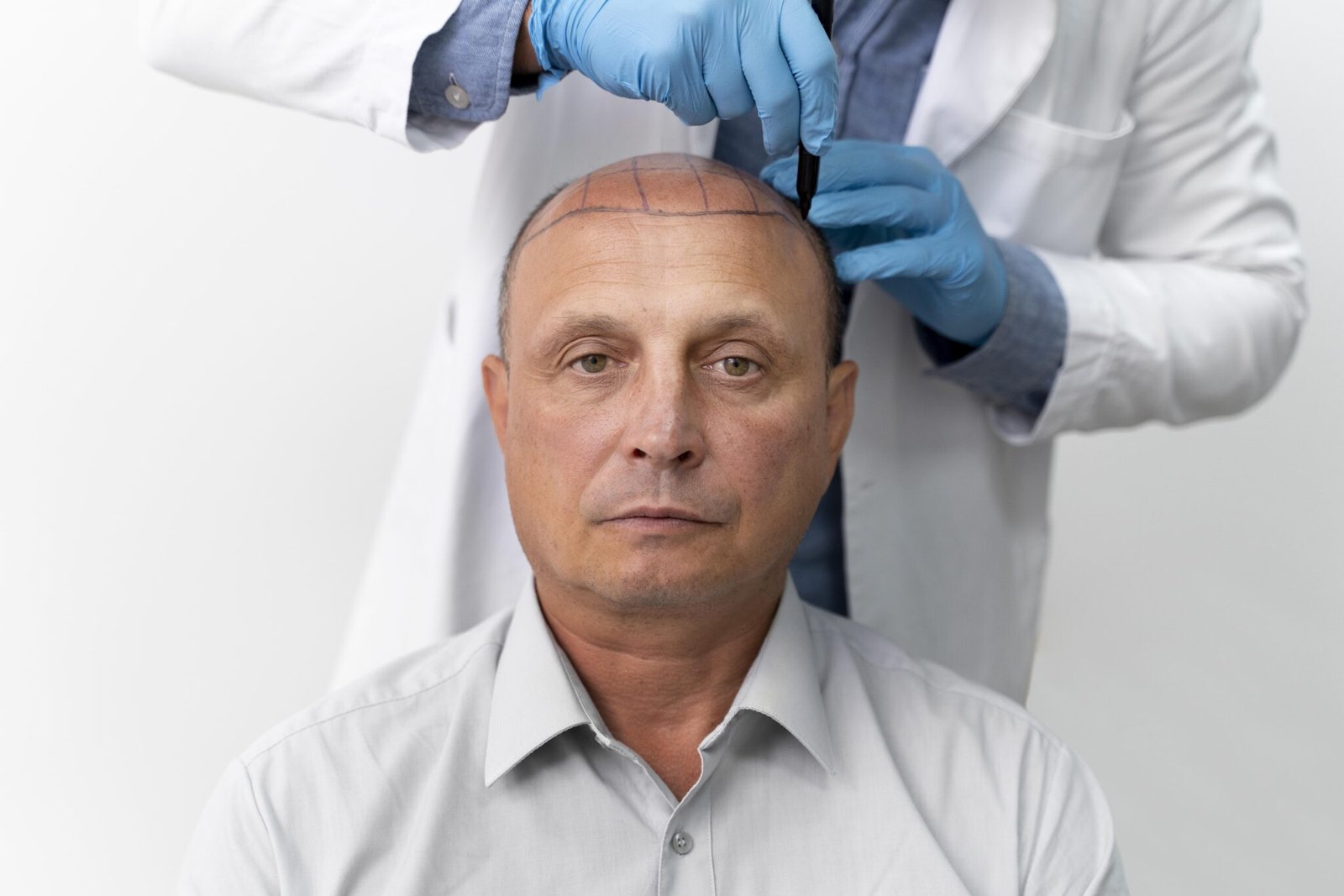
- Hairline Design & Restoration: Reconstructs a natural hairline for frontal hair loss. See details at hairline design.
- Scar Hair Restoration: Treats hair loss from scarring alopecia or injury, requiring careful donor site planning. More at scar hair restoration.
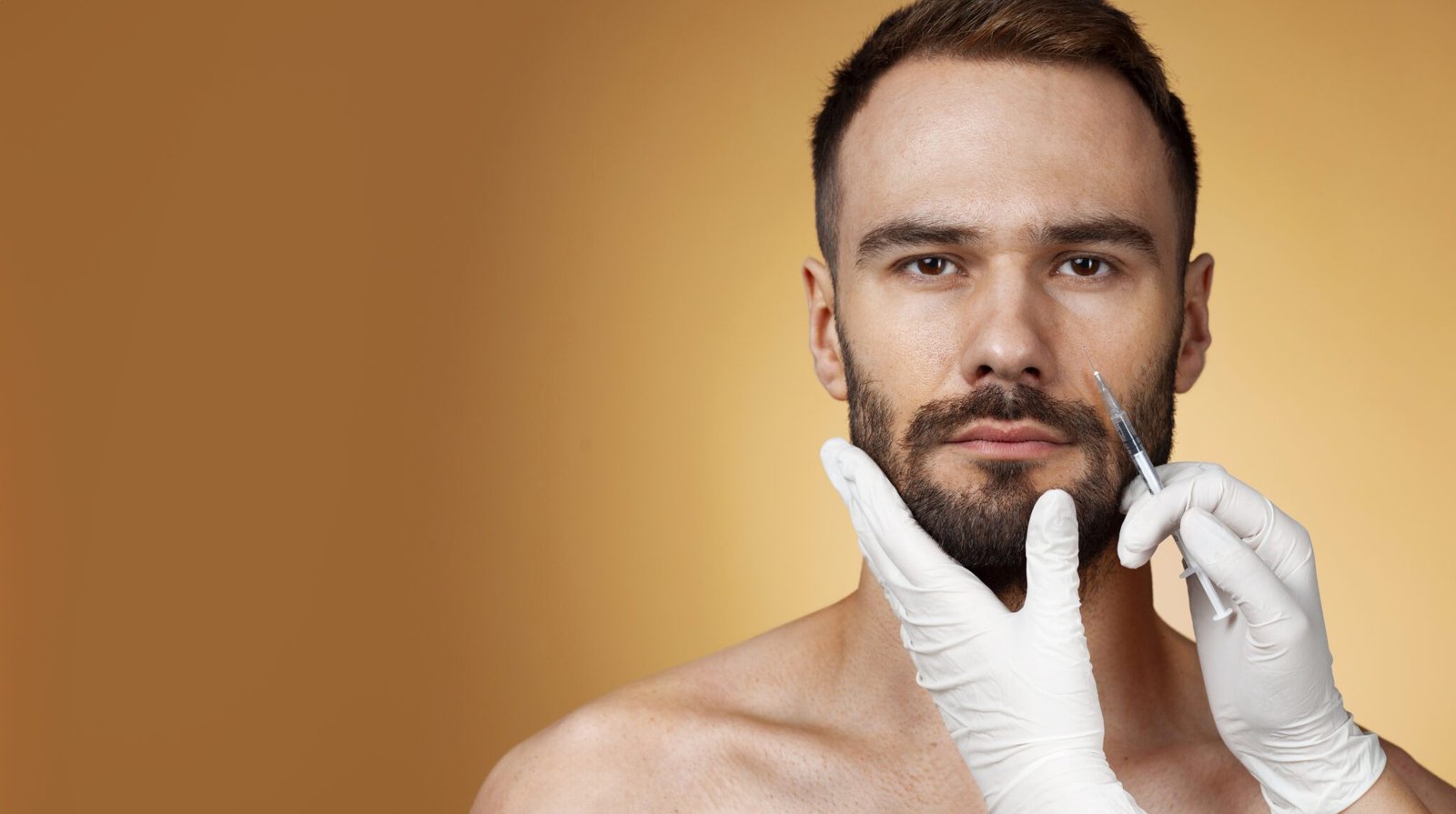
- Beard & Mustache Transplant: Restores facial hair lost to alopecia or injury.
What to Expect from an Alopecia Hair Transplant
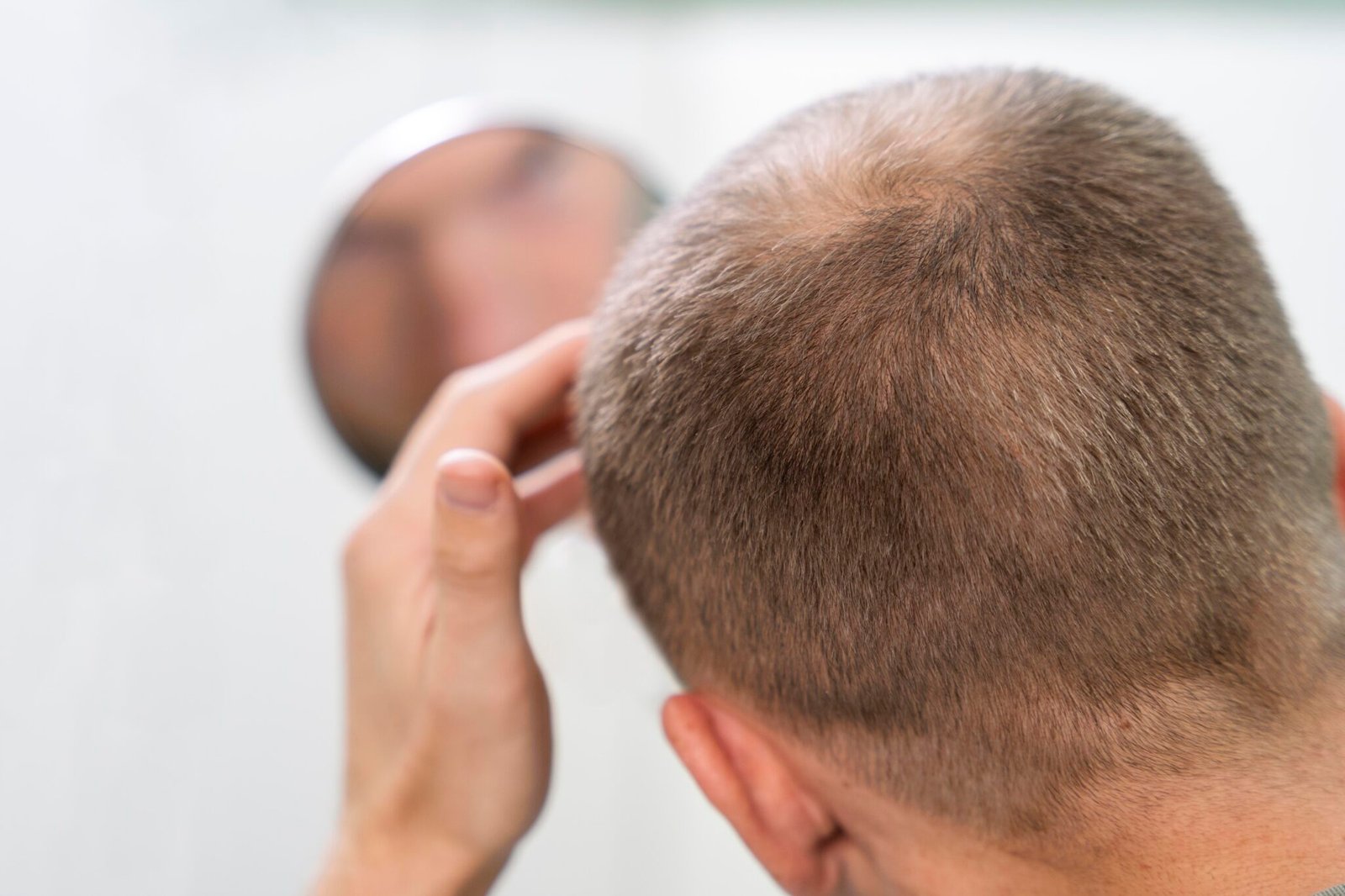
The process begins with a detailed evaluation by a doctor-led team to identify alopecia type and donor hair availability. The plan includes:
- Scalp and hair assessment to choose the best transplant approach.
- Selection of a suitable technique, usually FUE for natural results and minimal scarring.
- The transplant procedure performed in a sterile clinical setting.
- Post-operative care instructions and follow-ups to track hair growth and scalp health.
Results vary based on alopecia severity, hair characteristics, and patient aftercare. Clinics ensure privacy and respectful care throughout.
Additional Treatments Complementing Hair Transplants
Regenerative therapies like PRP (Platelet-Rich Plasma), GFC, and i-PRF can support transplanted follicles and promote growth. Non-surgical options include hair restoration medications and scalp micropigmentation for improved appearance.
Specialized options such as scar hair restoration and hairline design require expert assessment to ensure effective results.
About Alloroots
Alloroots is a doctor-led hair restoration clinic in India specializing in alopecia treatment and hair transplants. Led by Dr. Alok Kumar Sahoo (MD Dermatology, AIIMS New Delhi), they offer personalized plans including FUE hair transplant, PRP, GFC, i-PRF, exosome therapy, scalp micropigmentation, and medications. Consultations are available both in-clinic and online, emphasizing privacy and evidence-based care.
Learn more at Alloroots official site.
Ready to discuss your hair restoration plan with a specialist?
Consult UsFAQs
Frequently Asked Questions
1
What types of alopecia can be treated with hair transplant?
Hair transplant is effective mainly for androgenic alopecia and some scarring alopecia types. Treatment suitability depends on individual assessment by a specialist.
2
Is FUE the best method for alopecia hair transplant?
FUE is preferred for its minimal scarring and natural results but the choice depends on the alopecia type and patient’s donor hair quality.
3
How long does it take to see results after an alopecia hair transplant?
Initial hair growth can start within 3 to 4 months, with more visible results around 9 to 12 months post-procedure.
4
Can alopecia hair transplant be combined with other treatments?
Yes, treatments like PRP, GFC, and medications often complement transplants to improve hair health and growth.
5
Is a hair transplant suitable for all ages with alopecia?
Suitability varies; a doctor-led evaluation considers age, alopecia progression, and hair characteristics before recommending transplant.
6
What should I bring to my hair transplant consultation?
Bring any medical history related to hair loss, previous treatment details, and questions about the procedure and recovery.
Speak with our hair restoration specialists about your treatment options.
Book a Consultation View PricingPopular Searches
Hair Transplant Treatment for Alopecia Scars
Alopecia Hair Implants
Long Hair Transplant
Facial Hair Transplant
Hair Transplant Cosmetic Surgery
Hair Transplant for Alopecia Areata in India
Hair Transplant Center
Hair Restoration Alopecia
Hair Transplant for Women
Hair Transplant Procedure
Hair Loss Hair Transplant
Robotic Hair Transplant
Beard to Scalp Hair Transplant
Affordable Hair Transplant
Chest Hair Transplant
Nw3 Hair Transplant