

Anesthesia Options for Hair Transplants in India
At Alloroots, Dr. Alok Kumar Sahoo offers anesthesia tailored to each hair transplant, keeping patients comfortable and alert. Procedures like male hair transplant and female hair transplant use local anesthesia matched to the surgical plan, health profile, and recovery needs.
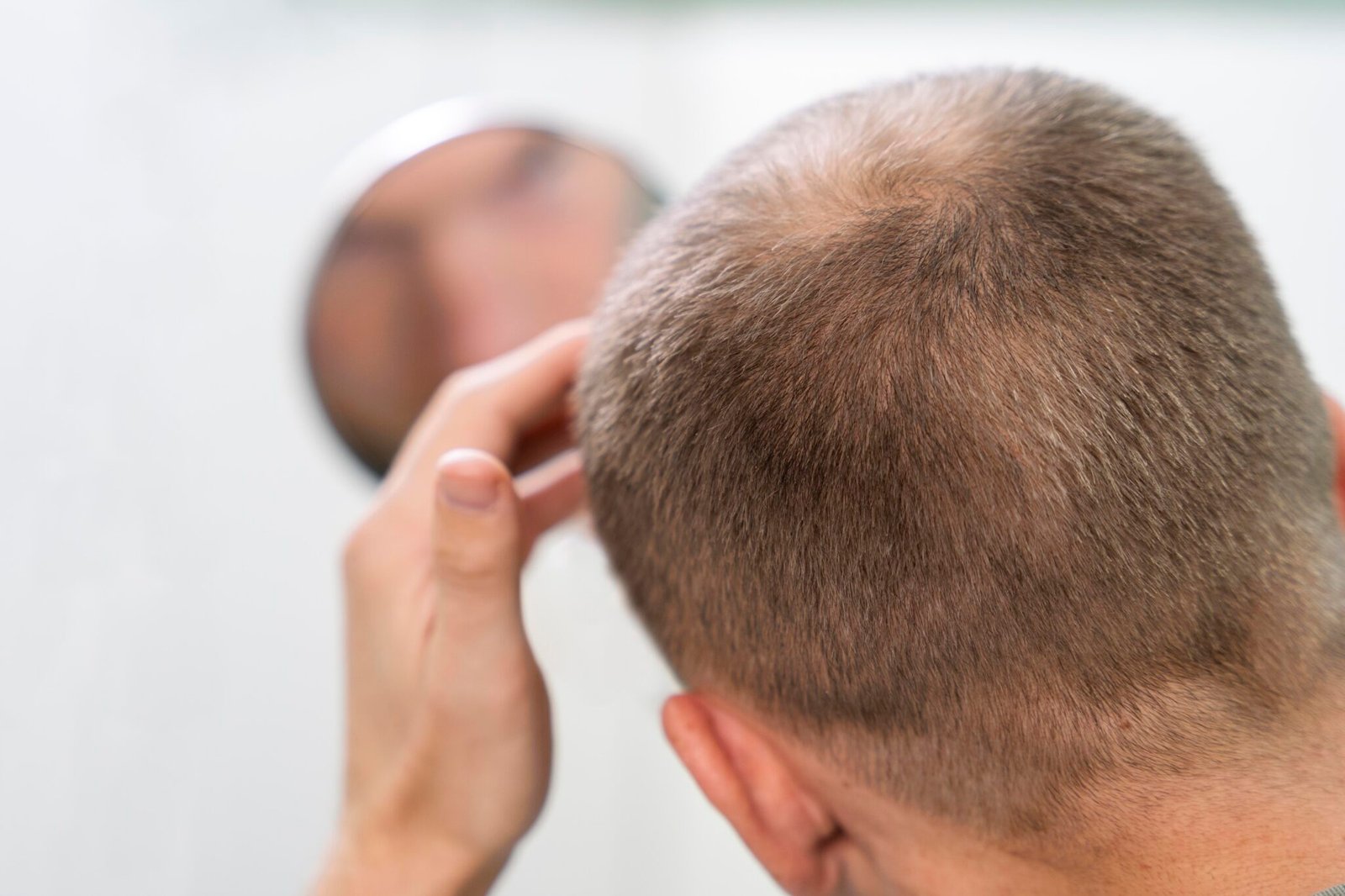

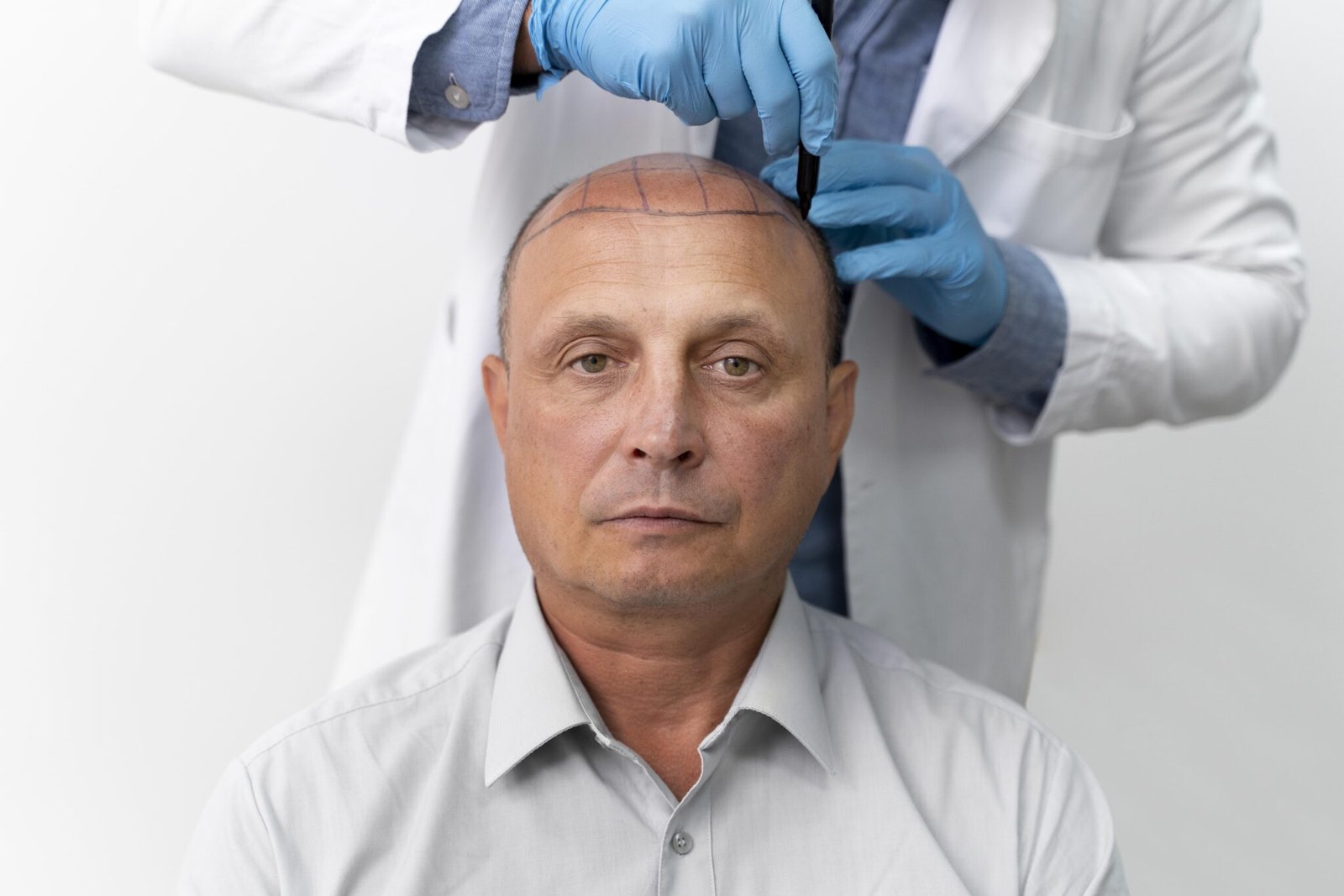
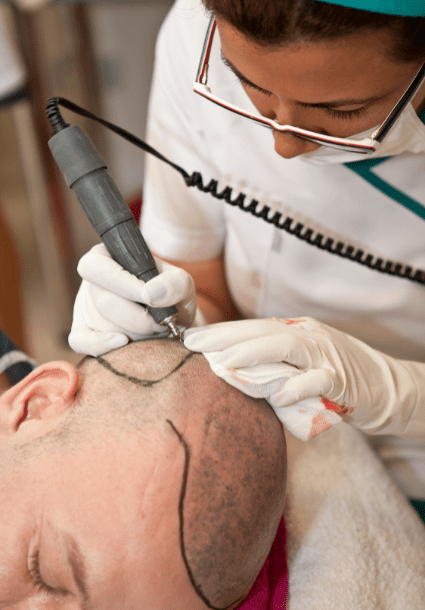


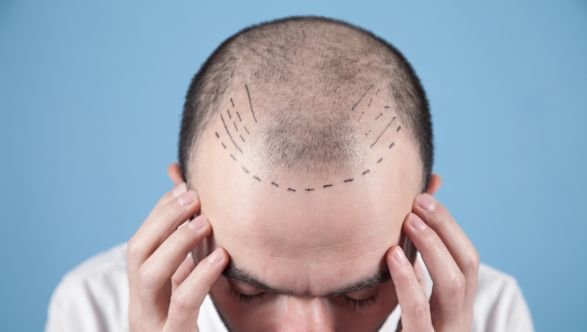
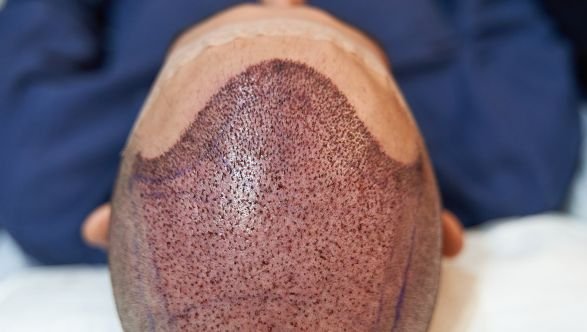
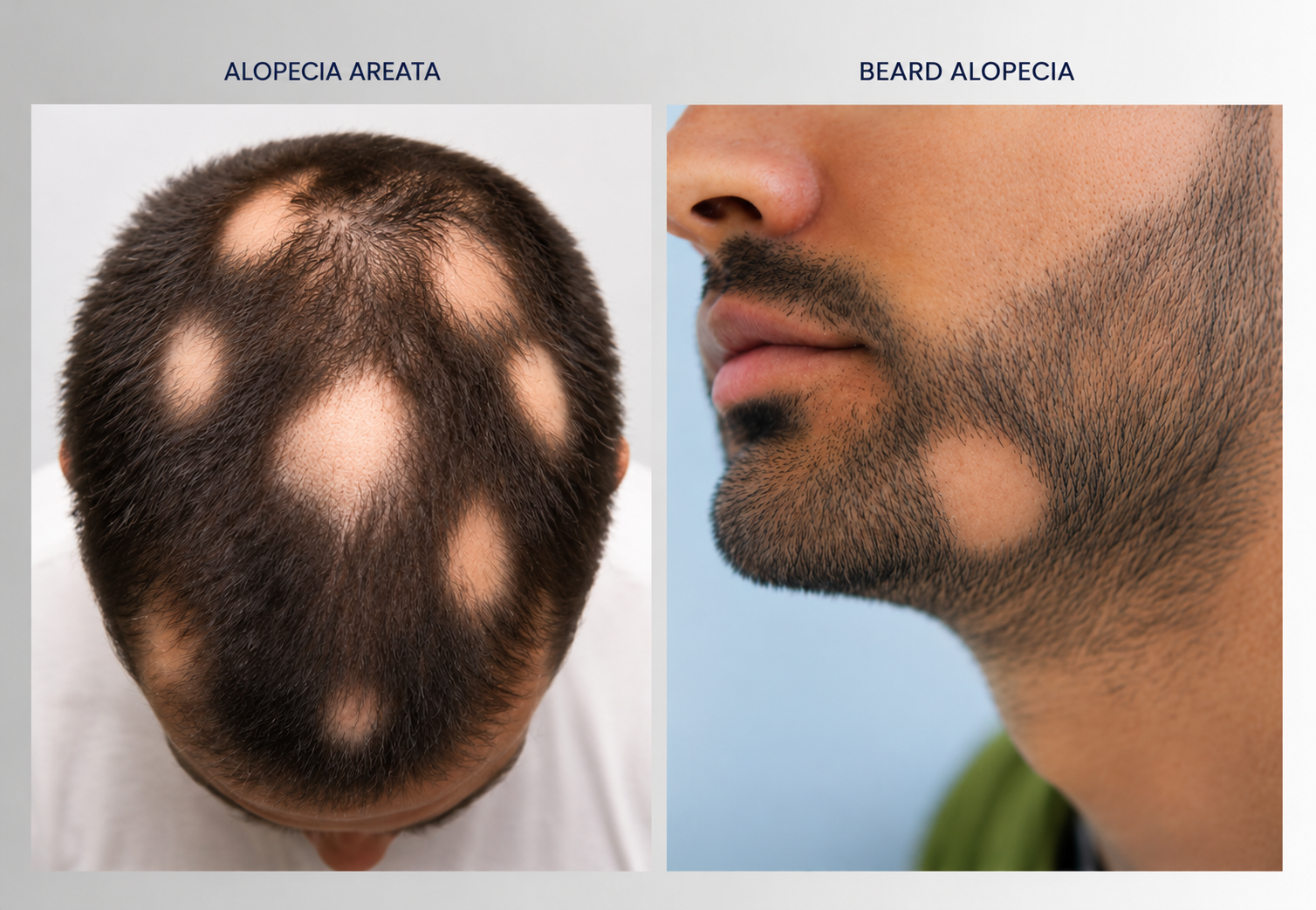
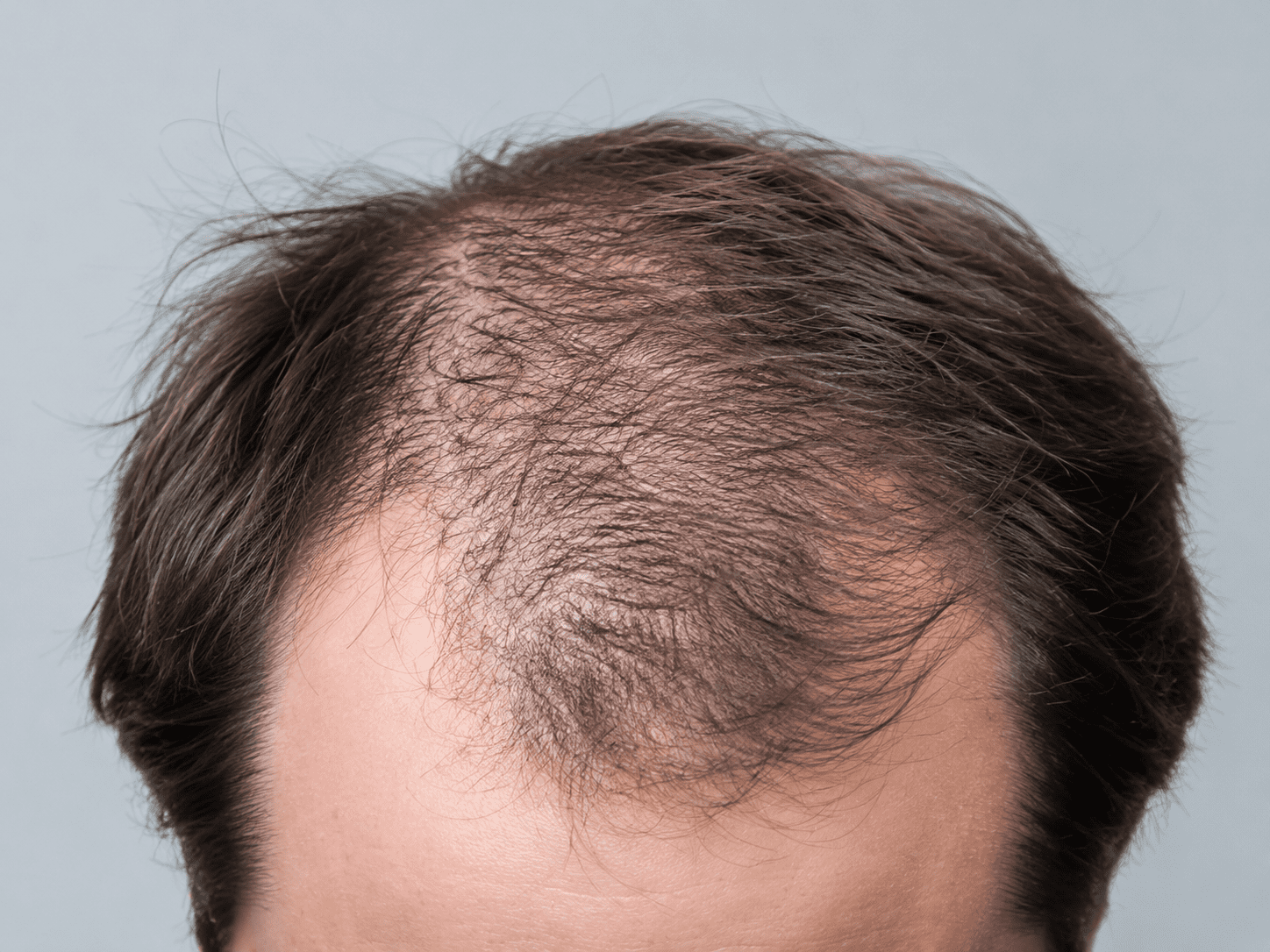
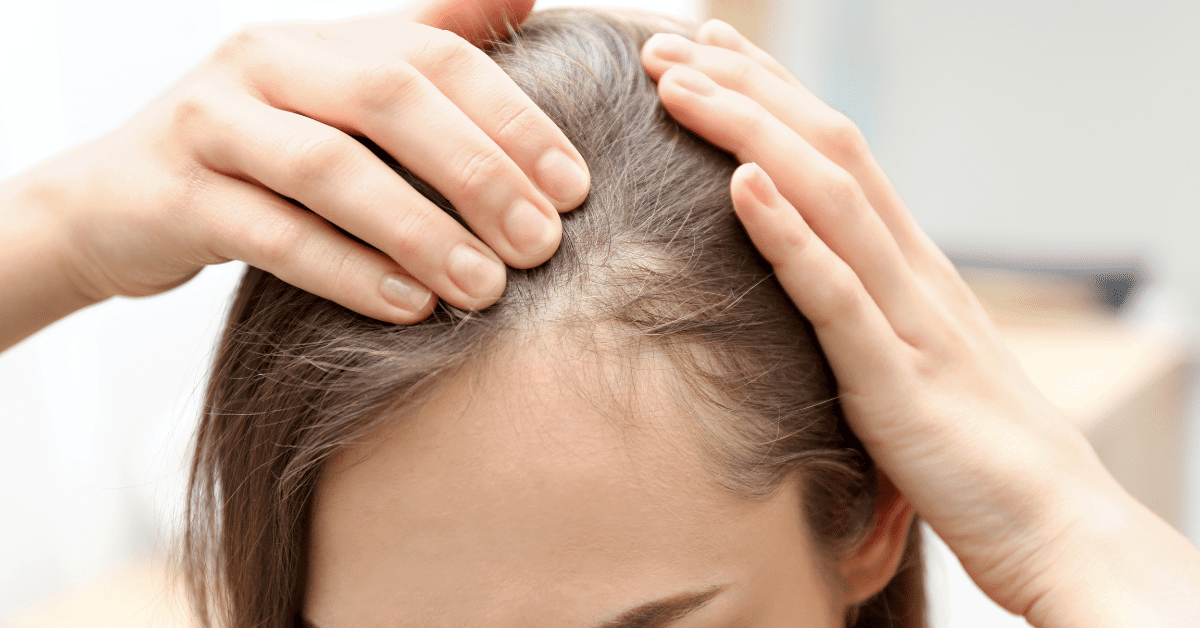
Common anesthesia options for hair transplants in India
Most hair transplants here use local anesthesia, selected based on grafting extent, scalp sensitivity, and patient preference. Methods include:
- Direct local infiltration with agents like lignocaine plus adrenaline, injected into specific scalp zones for targeted numbness.
- Nerve blocks such as supraorbital or occipital blocks to numb larger areas with fewer injections.
- Ring block creating uniform anesthesia around donor or recipient areas.
- Tumescent technique using diluted anesthetic to reduce bleeding during extraction.
- Optional mild sedation for patients with marked anxiety, keeping them awake and responsive.
How anesthesia is planned and delivered
Planning begins in consultation. Dr. Sahoo reviews medical history, allergies, and past anesthetic responses to guide dose and delivery. Some cases, like hairline restoration, may suit precise nerve blocks, while crown work often combines infiltration and tumescent methods. During surgery, vitals are monitored and anesthesia topped up as needed.
Local anesthesia lets most patients leave within hours. Recovery is quick, and light activities usually resume the next day.
Patient comfort, safety, and preparation
Comfort is supported with fine needles, slow injection, and time for the anesthetic to take effect before starting. Safety measures include sterile prep, correct drug concentration, and observation for reactions. Photos are taken only with consent. Outcomes depend on healing, graft uptake, and aftercare.
Before surgery, share all medication and chronic condition details. Certain painkillers or herbal supplements may need to be stopped beforehand. On surgery day, wear a front-opening shirt to avoid disturbing the transplant area when changing.
About Alloroots
Alloroots is a doctor-led hair restoration clinic in India specialising in surgical hair transplants and regenerative treatments. Led by Dr. Alok Kumar Sahoo (MD Dermatology, AIIMS New Delhi), services include FUE transplants, natural hairline creation, repair of previous procedures, and non-surgical options like PRP, GFC, and SMP. Consultations are available in-clinic and online. The clinic focuses on privacy, evidence-based planning, and realistic goals. More details at Alloroots.
Ready to discuss your hair restoration plan with a specialist?
Consult UsFAQs
Frequently Asked Questions
1
What anesthesia is most common for hair transplants in India?
Local infiltration anesthesia with lignocaine and adrenaline is most common, often combined with nerve blocks for wider scalp coverage.
2
Will I be awake during a hair transplant?
Yes, hair transplants are usually done under local anesthesia, allowing you to remain awake and comfortable throughout the procedure.
3
How long does anesthesia last in hair transplant surgery?
Local anesthesia typically keeps the scalp numb for several hours, covering the entire duration of the surgery.
4
Are there risks with hair transplant anesthesia?
Risks are rare but may include allergic reactions or temporary swelling. Discuss your medical history with the surgeon before surgery.
5
Can sedation be added to hair transplant anesthesia?
Mild sedation may be used in select cases to reduce anxiety, but patients generally remain conscious during the procedure.
6
Is anesthesia recovery quick after hair transplant?
Yes, recovery from local anesthesia is usually quick, and most patients can leave within hours after surgery.
Speak with our hair restoration specialists about your treatment options.
Book a Consultation View PricingPopular Searches
Hair Transplants Without General Anesthesia in India
Hair Transplant Sedation Options in India
Hair Transplant in India with Oral Sedation
Hair Transplant Consultation in India
Hair Transplant Touch-Up Procedures in India
Hair Transplant in India for Tamil Patients
Planning a Hair Transplant in India from the US
Cutting-Edge Hair Transplant Protocols in India
Hair Transplant Accommodation Options in India
Hair Transplant in India for Patients from USA
Hair Transplant in India for Pakistani Patients
Clinic Ambiance for Hair Transplant in India
Non-Surgical Alternatives to Hair Transplants in India
Medical Tourism for Hair Transplant in India
Hair Transplant in India for Patients from the USA
Patient Comfort and Experience During Hair Transplant in India