
Clinic Hygiene Standards for Hair Transplant in India
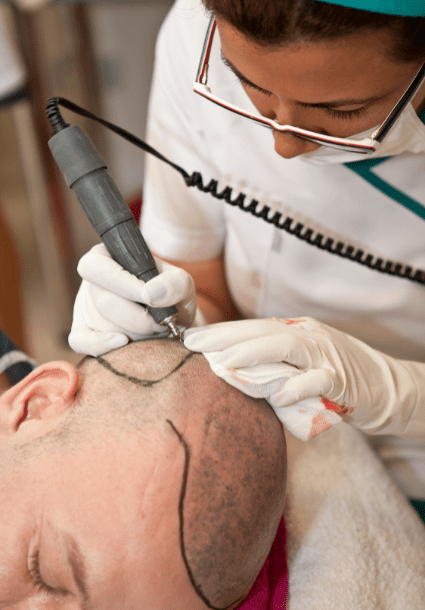
At Alloroots, led by Dr. Alok Kumar Sahoo (MD Dermatology, AIIMS New Delhi), hair transplant procedures follow strict sterilisation and use disposable instruments when appropriate. Patients booking a male hair transplant or female hair transplant can expect safety protocols that meet surgical requirements and support lasting results.

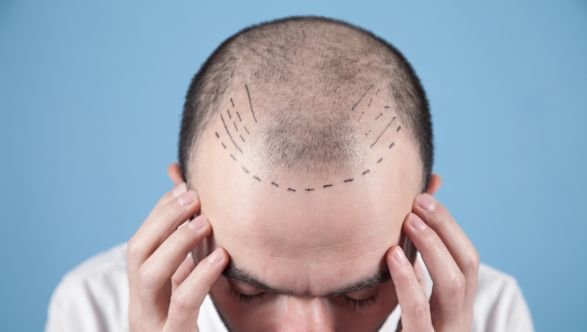
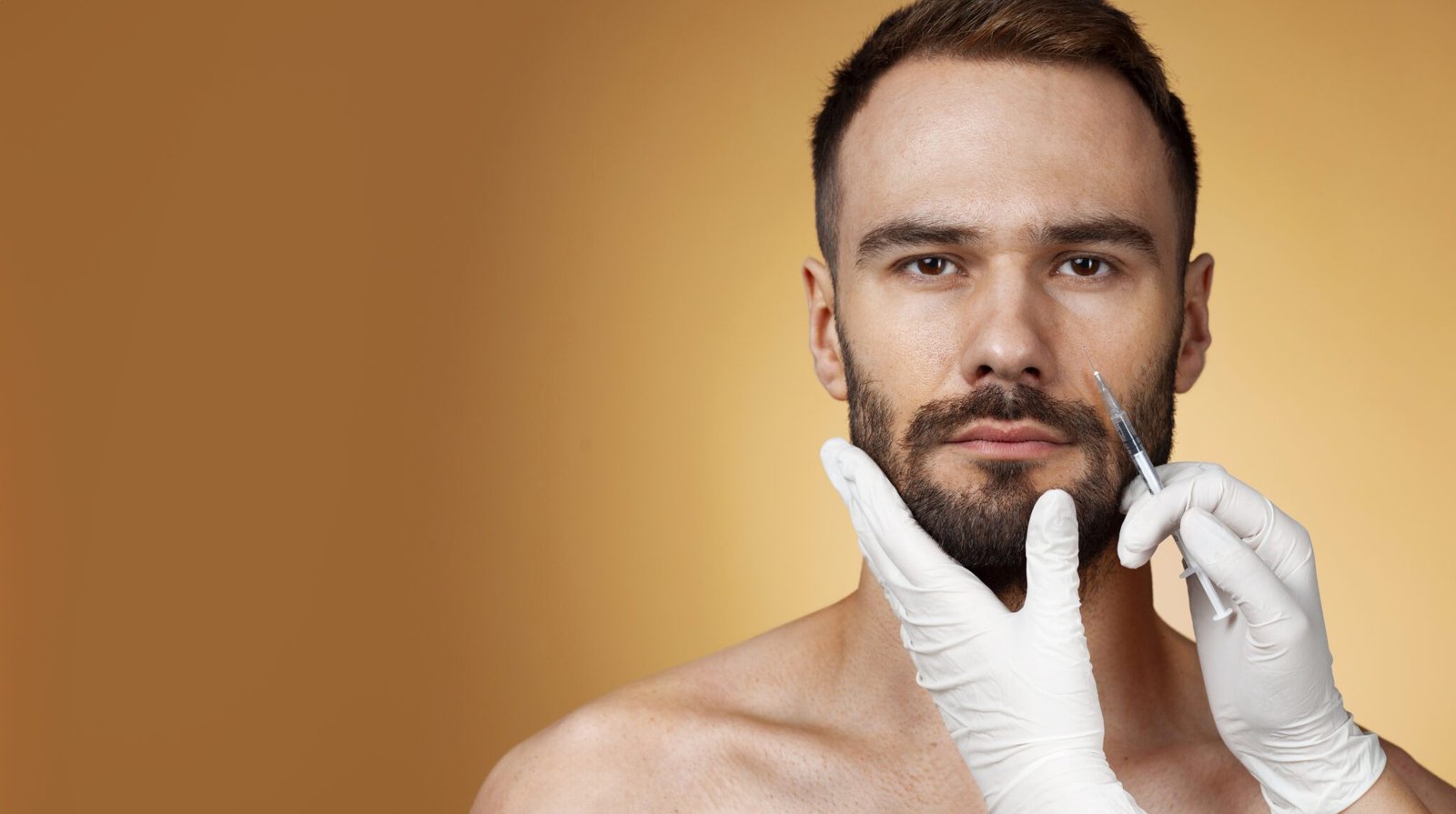
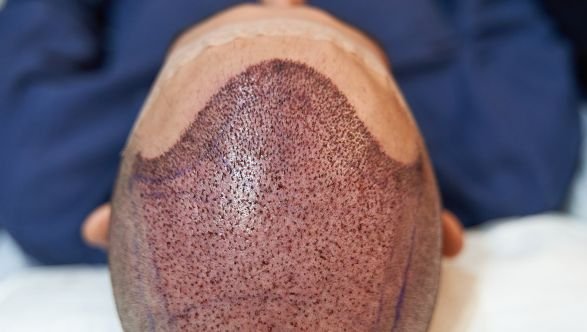

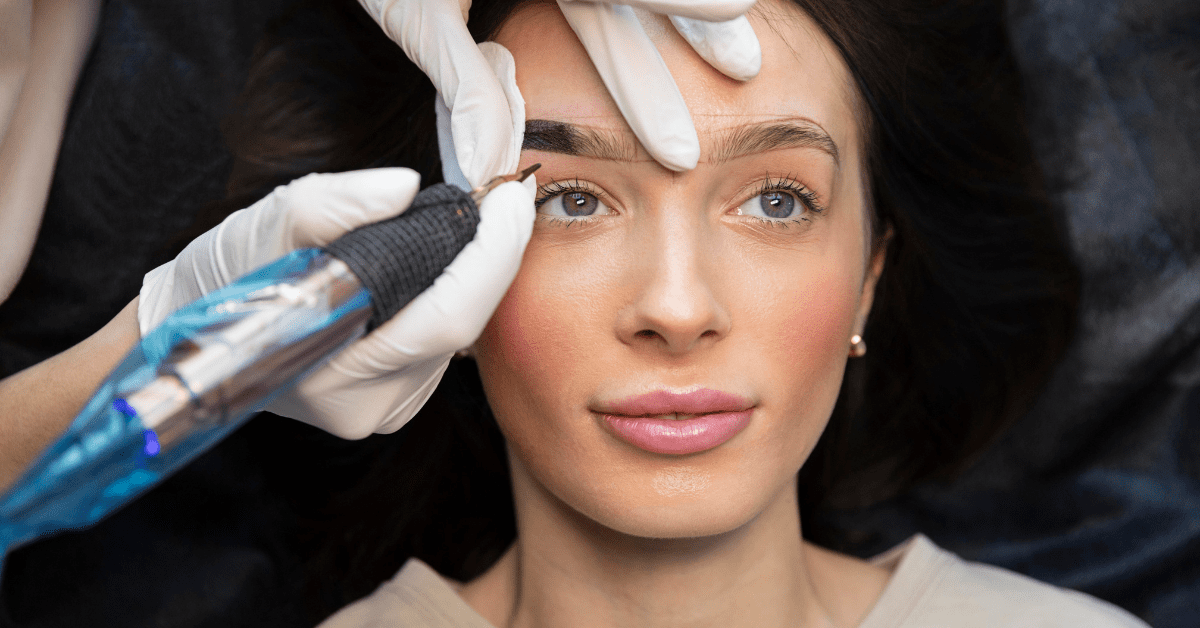
Key Hygiene Measures for Hair Transplant Clinics in India
Doctor-led clinics typically apply these standards:
- Sterilising instruments with autoclaves or approved disinfectants.
- Single-use needles, blades, and drapes for every session.
- Antiseptic cleaning of donor and recipient scalp areas before surgery.
- Staff using gloves, masks, and disposable protective gear during operations.
- Operating rooms with air filtration and restricted access.
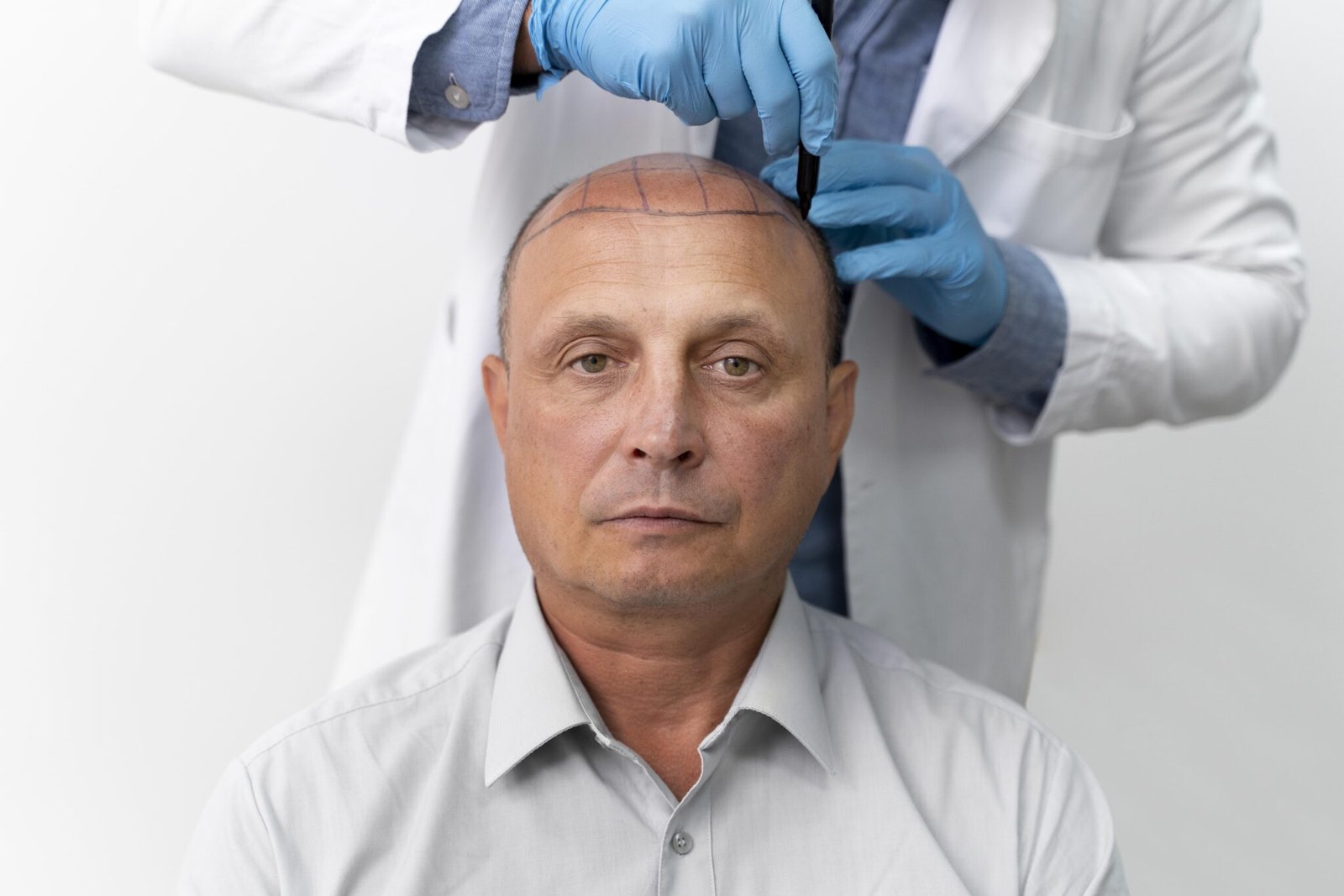
These steps reduce infection risk and apply to services like hairline design & restoration and hair transplant repair & correction. You can ask to see protective gear changed before your procedure starts.
Choosing a Clinic with Reliable Hygiene Standards
Check for the following when selecting a clinic:
- Sterilisation logs and equipment maintenance records.
- Qualified dermatologists or plastic surgeons performing main transplant steps.
- Clear patient consent forms and procedure details.
- Before/after photos with privacy safeguards.
- Post-procedure care plans including wound cleaning and scheduled follow-ups.
Procedures like beard & mustache transplant and eyebrow transplant require identical hygiene standards. Viewing the operating area before booking can confirm conditions.
Hygiene in Advanced Hair Restoration Techniques
Regenerative treatments such as PRP, i-PRF, GFC, SMP, LLLT, Dermapen, Exosome Therapy, SVF, Autologous Cellular Micrografts, and ACell+PRP are done in sterile settings to protect patients. For long hair FUE transplant or crown hair restoration, where scalp exposure lasts longer, sterility is maintained throughout. Pre-surgical checks often review scalp health and hygiene readiness to lower complication risk. Bring your current medication list to consultations so care can be planned safely.
About Alloroots
Alloroots is a doctor-led hair restoration clinic in India specialising in surgical hair transplantation and regenerative hair science. Dr. Alok Kumar Sahoo (MD Dermatology, AIIMS New Delhi) provides hair loss diagnosis, hairline design, advanced FUE transplants, and non-surgical treatments. Services are offered in-clinic and online across India. The clinic prioritises privacy, procedural safety, and evidence-based outcomes with documented patient cases and secure records. Visit alloroots.com for details.
Ready to discuss your hair restoration plan with a specialist?
Consult UsFAQs
Frequently Asked Questions
1
What hygiene protocols should a hair transplant clinic in India follow?
Sterilisation of instruments, use of disposable surgical items, antiseptic preparation of scalp areas, and staff wearing protective gear are standard measures.
2
Who should perform hair transplant surgery?
A qualified dermatologist or plastic surgeon with formal surgical training should lead the procedure, supported by trained technicians.
3
Are disposable instruments used in hair transplants?
Yes, many clinics use disposable needles, blades, and drapes for each patient to minimise cross-contamination risks.
4
How is the operating room kept hygienic?
Operating rooms are maintained with regular cleaning, sterilisation, and air filtration systems to reduce airborne contaminants.
5
Does hygiene impact hair transplant results?
Hygiene helps reduce infection risk and supports healing, which can improve graft survival and overall procedural outcomes.
6
Can I see before and after results safely?
Clinics may share documented patient outcomes with privacy safeguards, ensuring consent and confidentiality are respected.
Speak with our hair restoration specialists about your treatment options.
Book a Consultation View PricingPopular Searches
Hair Transplant Safety Standards in India
Safety Standards for Hair Transplants in India
Operating Room Standards for Hair Transplant in India
Clean Room Standards for Hair Transplant in India
Hair Transplant Accreditation Standards in India
India’s Hair Transplant Standards Compared to the World
Complete Aftercare Guide for Hair Transplant in India
Hair Transplant Aftercare in India
Setting Realistic Expectations for Hair Transplants in India
Clinic Ambiance for Hair Transplant in India
Hair Transplant in India Meeting Western Standards
Hair Transplant Checklist for Patients in India
Hair Transplant in India: Red Flag Checklist
How to Choose a Hair Transplant Clinic in India
Questions to Ask Before Choosing a Hair Transplant Clinic in India
Hair Transplant in India for South Asian Patients