
Dhi vs FUE
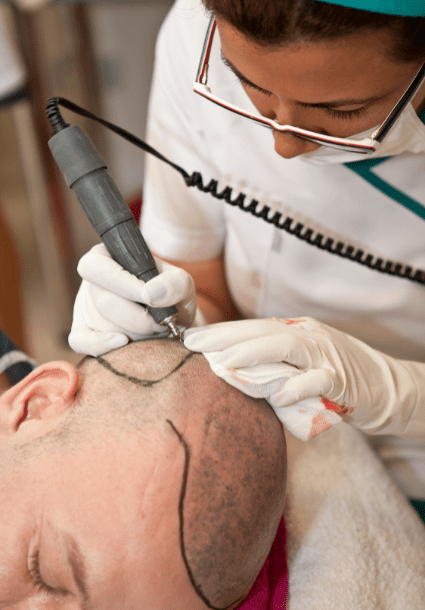
Dhi (Direct Hair Implantation) and FUE (Follicular Unit Extraction) are two popular hair transplant methods. Dhi extracts and implants hair follicles one by one using a specialized pen, allowing precise placement without making recipient site incisions first. FUE removes follicular units from the donor area and implants them into pre-made recipient sites. Both are done under local anesthesia and require an assessment to decide which suits you best. Doctor-led clinics like Male Hair Transplant and Female Hair Transplant at Alloroots offer customized plans for these treatments.

Key Differences Between Dhi and FUE
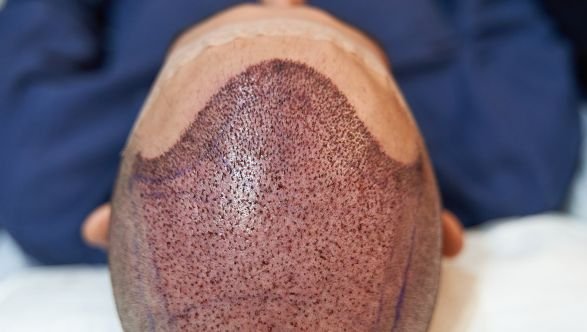
- Extraction and Implantation: FUE uses a micro-punch to remove follicles and implants them into recipient sites prepared beforehand. Dhi uses a Choi pen to extract and implant follicles directly without prior incisions.
- Precision and Control: Dhi provides more control over hair angle, direction, and density during implantation, which helps achieve a natural look, especially at the hairline.
- Procedure Duration: Dhi usually takes longer due to the detailed implantation, while FUE is faster for larger graft numbers.
- Healing and Scarring: Both leave minimal scarring in the donor area, but Dhi’s direct implantation can cause less scalp trauma and may speed up recovery.
- Cost: Dhi tends to be pricier because of specialized tools and longer procedure time. Prices vary by clinic and case complexity.
Who Is a Candidate for Dhi or FUE?
Good candidates have enough donor hair, typically from the back or sides of the scalp. These methods suit androgenetic alopecia, thinning hair, and hairline recession. A doctor evaluates scalp health, hair density, and goals to recommend the best technique.
Choose Dhi for precise hairline restoration and minimal downtime. FUE suits those needing many grafts or working with a budget. Both can be combined with treatments like PRP or exosome therapy to enhance growth.
Considerations Before Booking a Procedure
- Consultation: A thorough consultation with a qualified surgeon or dermatologist is essential to plan treatment based on your medical history and expectations.
- Recovery: Post-op care is similar for both methods, including avoiding strenuous activity and protecting the scalp while healing.
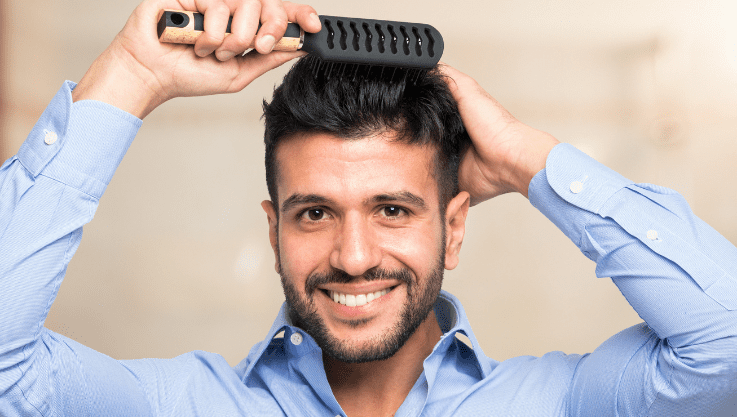
- Results: Hair growth usually starts 3-4 months after surgery, with full results by 9-12 months. Results vary and are handled confidentially.
- Clinic Selection: Choose clinics with experienced surgeons and clear protocols. At Alloroots, doctor-led procedures include Long Hair FUE Transplant and hairline restoration for comprehensive care.
About the business
Alloroots is a hair restoration clinic in India led by Dr. Alok Kumar Sahoo (MD Dermatology, AIIMS New Delhi). They offer personalized plans including FUE transplants, PRP, GFC, i-PRF, exosome therapy, and scalp micropigmentation. Services are available in-clinic and via online consultation. Alloroots focuses on privacy, evidence-based results, and doctor-led care. Visit Alloroots.com to learn more and schedule a consultation during regular hours.
Ready to discuss your hair restoration plan with a specialist?
Consult UsFAQs
Frequently Asked Questions
1
What is the main difference between Dhi and FUE hair transplants?
Dhi implants hair follicles directly using a pen without prior incisions, while FUE extracts follicles and implants them into pre-made recipient sites.
2
Which method offers better control over hair direction and density?
Dhi provides more precise control over hair angle and placement, making it suitable for detailed hairline restoration.
3
Are the healing times different for Dhi and FUE?
Both have minimal scarring and similar healing times, but Dhi may allow slightly faster recovery due to less scalp trauma.
4
Who is an ideal candidate for these hair transplant methods?
Candidates typically have sufficient donor hair and experience hair thinning or hairline recession; a doctor-led assessment determines suitability.
5
Can Dhi or FUE be combined with other treatments?
Yes, both can be combined with therapies like PRP or exosome treatments to support hair growth and improve outcomes.
6
How long does it take to see full results after a hair transplant?
Hair growth usually starts 3-4 months after the procedure, with full results visible around 9-12 months, varying by individual.
Speak with our hair restoration specialists about your treatment options.
Book a Consultation View PricingPopular Searches
FUE vs Fut Comparison
DHI vs FUE Hair Transplant Costs in India
FUE Extraction vs Implantation in India
FUE vs Fut Hair Transplant India
FUE vs FUT Hair Transplant in India
FUE Cost in India
DHI vs Choi Implanter Pen in India
Hair Transplant Techniques in India: FUE, DHI, and More
FUE Procedure Cost
Dhi Hair Transplantation
FUE Transplants
FUE Treatment Cost
Cost of FUE per Graft
No Shave FUE Procedure
Long Hair FUE Technique India
DHI Hair Transplant in India