

Donor Area Management for Hair Transplants in India
Donor area management is essential in hair transplants in India. It involves assessing scalp density, choosing the right extraction method, and ensuring proper post-procedure care to keep hair follicles healthy. Clinics offering male hair transplant and female hair transplant services focus on preserving donor area integrity for successful results.
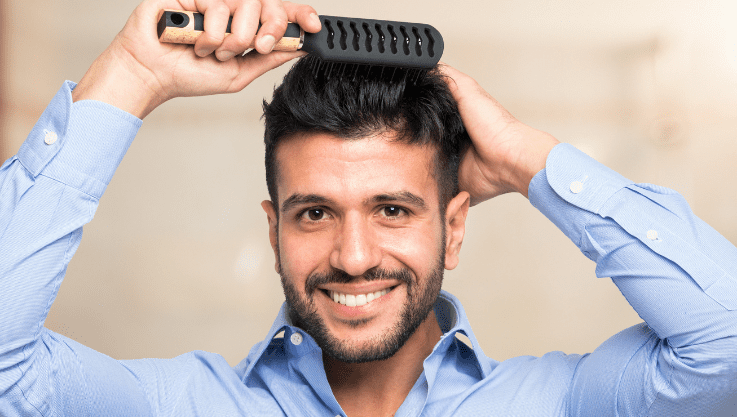
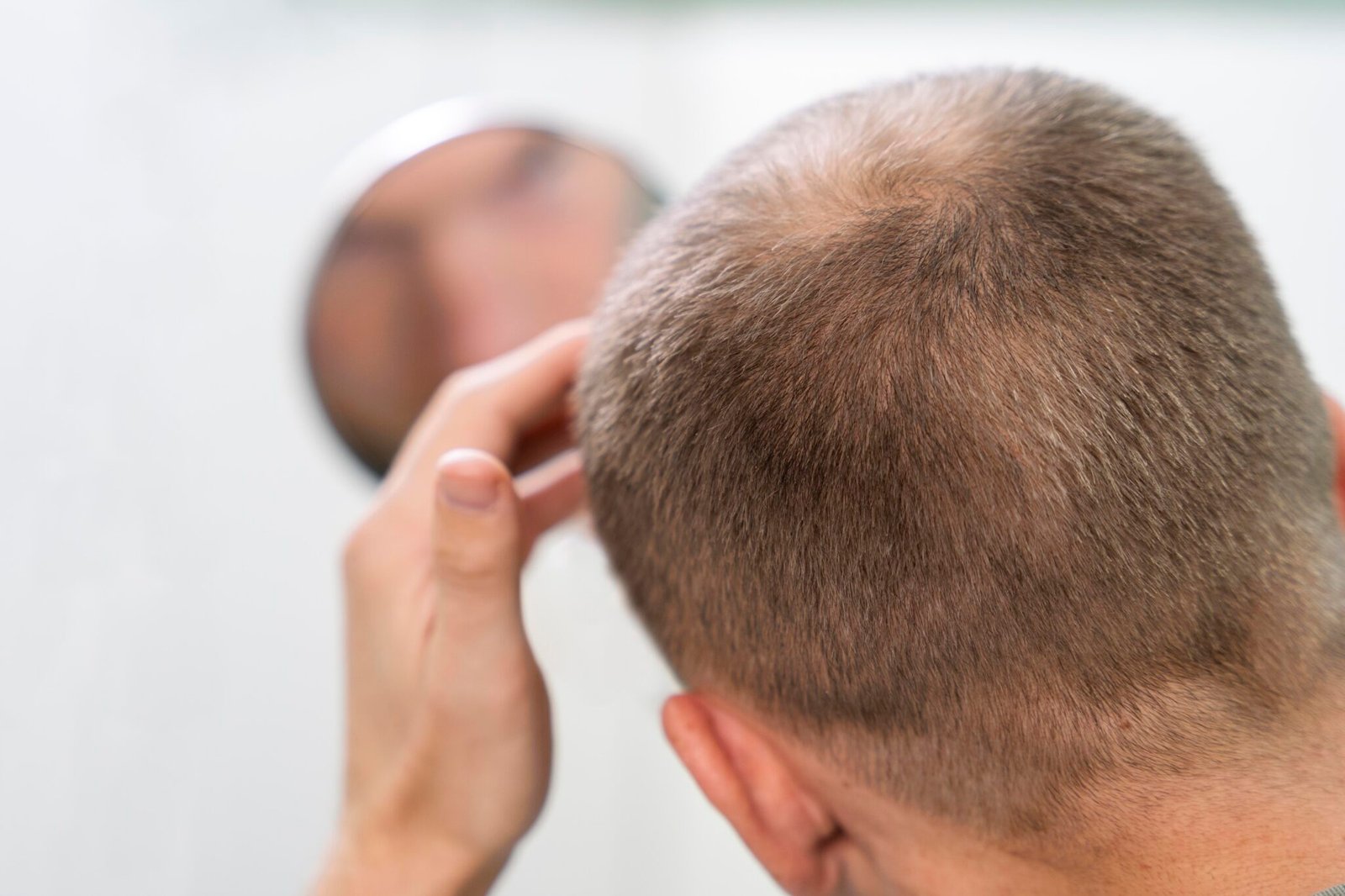
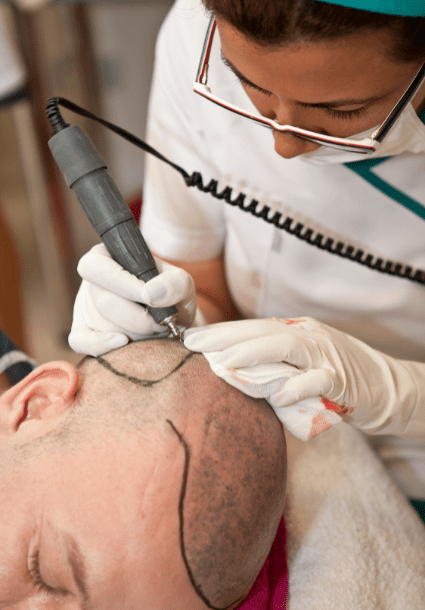
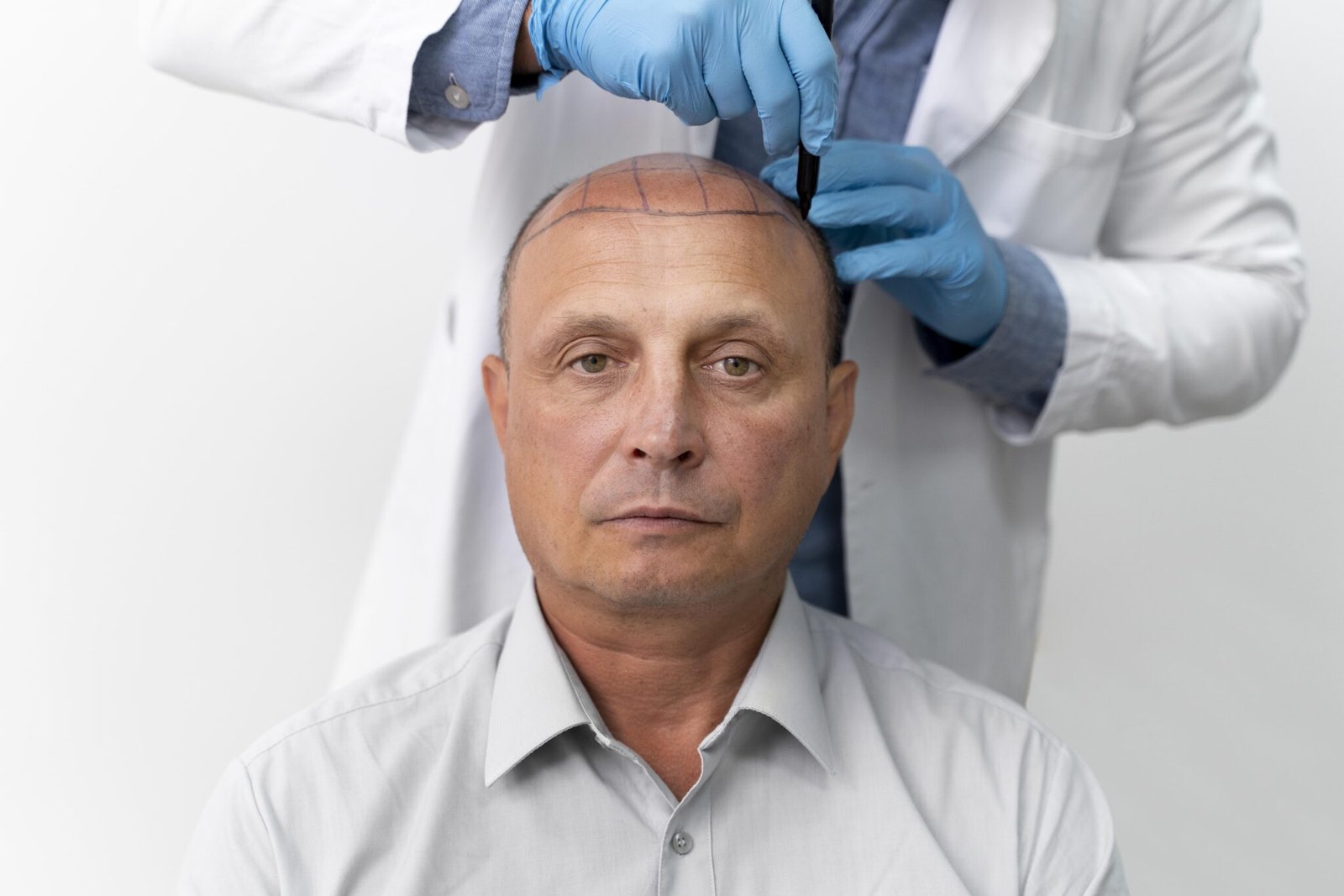
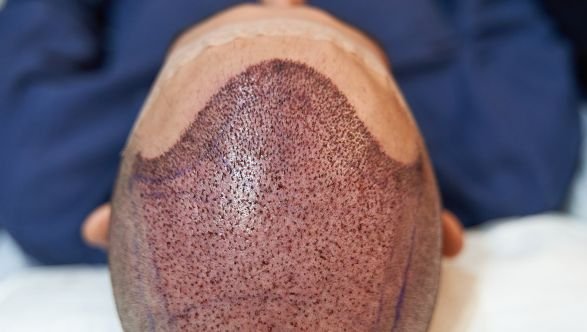

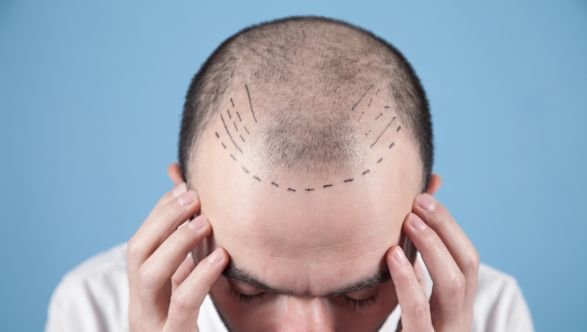
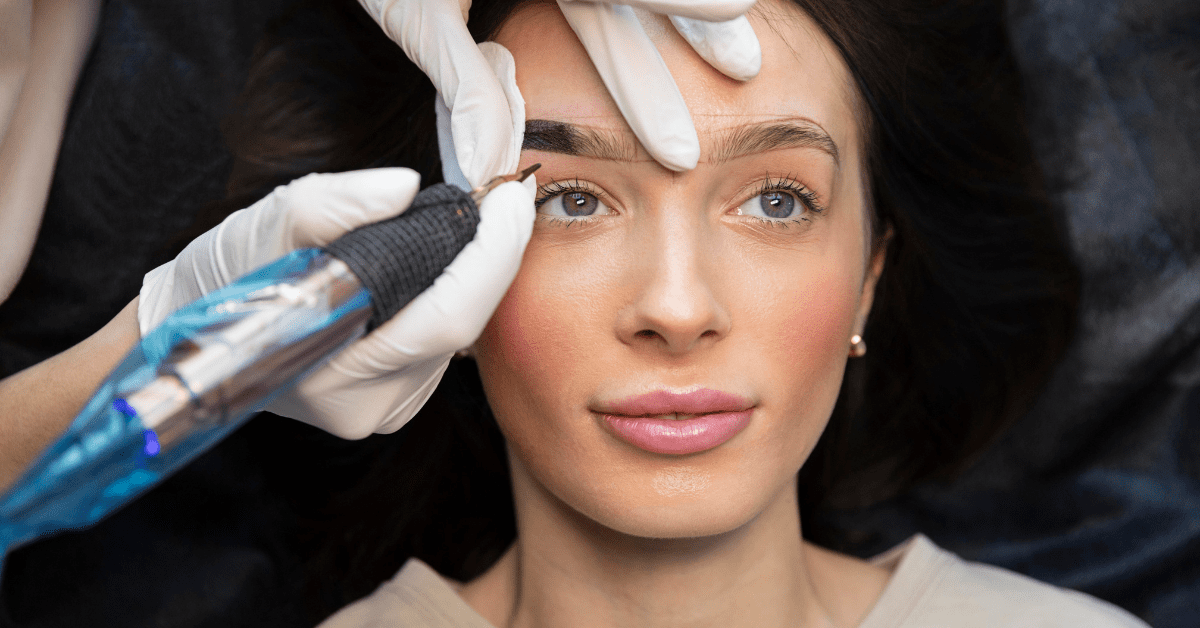
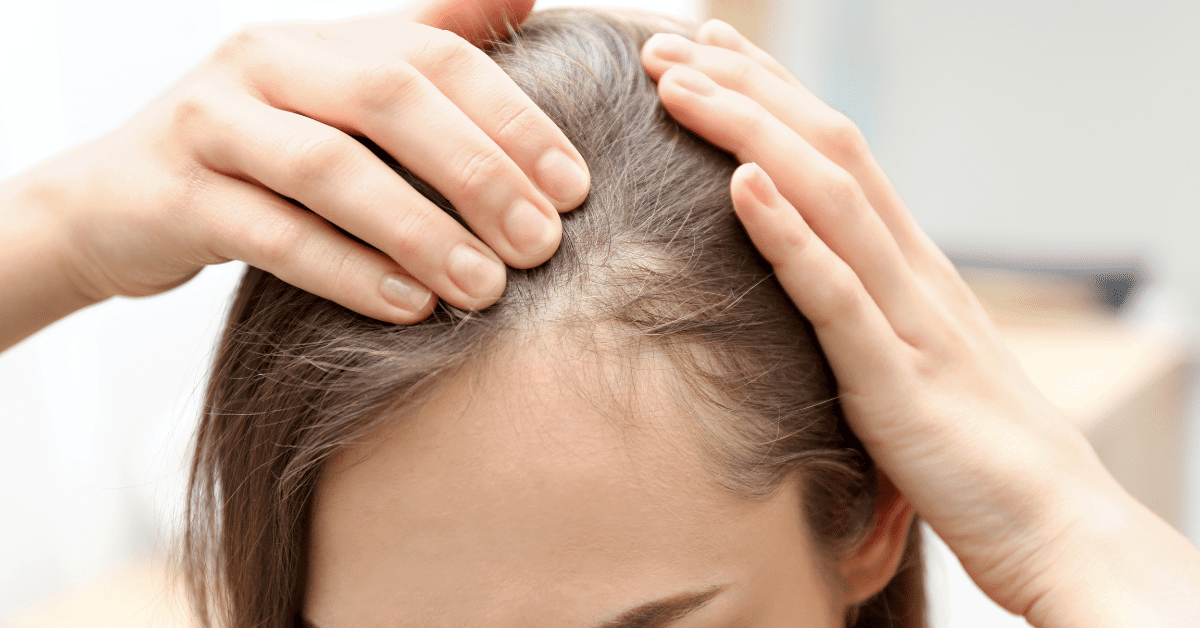

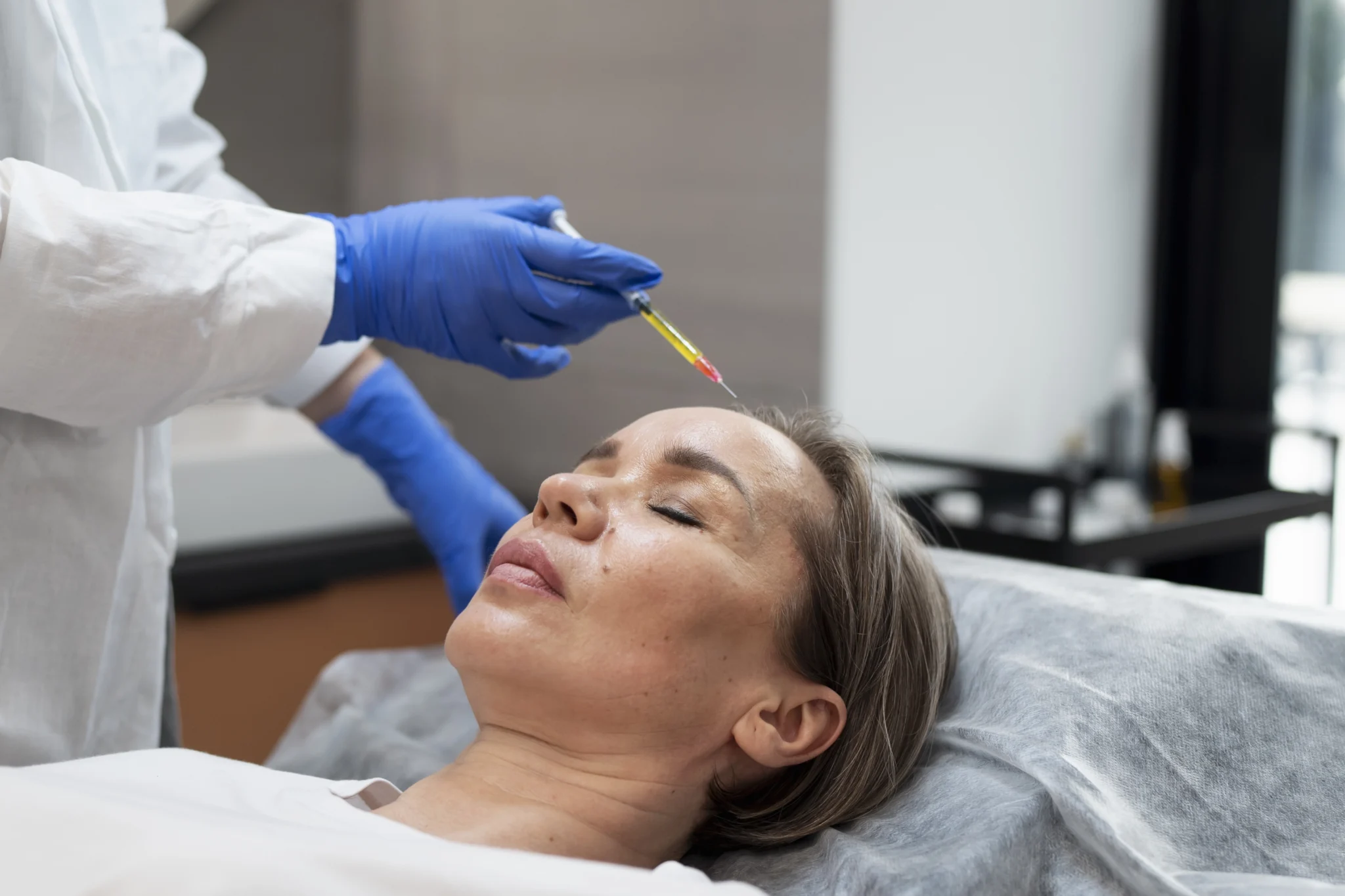
Key Aspects of Donor Area Management in Hair Transplants
Effective donor area management involves careful planning and technique to optimize outcomes while protecting the donor site.
- Preoperative Assessment: Evaluating donor site density, hair thickness, and scalp laxity guides the extraction plan.
- Extraction Technique: Follicular Unit Extraction (FUE) is popular for its precision and minimal scarring.
- Preserving Donor Density: Follicles are removed with spacing to avoid visible thinning or scarring.
- Post-Extraction Care: Patients are advised on scalp hygiene, avoiding trauma, and supporting healing to maintain donor site health.
Techniques and Considerations Used in India
Indian clinics use evidence-based methods tailored to each patient. FUE is the standard technique for accuracy and faster recovery.
- FUE Method: Individual follicular units are harvested with micro-punch tools that preserve surrounding scalp tissue.
- Long Hair FUE: Allows harvesting without shaving, ideal for patients wanting a discreet procedure.
- Body Hair Transplant: When scalp donor hair is limited, body hair can supplement the donor supply.
Treatment plans balance donor site preservation with recipient area needs based on scalp analysis.
Patient Guidelines for Donor Area Management
Preparation and following medical advice improve donor area outcomes.
- Choose clinics with doctor-led consultations for accurate donor site evaluation.
- Follow pre- and post-operative instructions carefully to reduce risks and support healing.
- Donor area healing varies; scabs usually clear within 7 to 10 days.
- If previous procedures affected donor areas, consider hair transplant repair.
Sessions last several hours depending on graft numbers. Scheduling consultations early helps with planning and aftercare.
About Alloroots
Alloroots is a doctor-led hair restoration clinic in India specializing in personalized hair transplant and hair loss treatments. Led by Dr. Alok Kumar Sahoo (MD Dermatology, AIIMS New Delhi), the clinic offers evidence-based procedures including FUE hair transplant, Growth Factor Hair Therapy (GFC), PRP, i-PRF, exosome therapy, and scalp micropigmentation. Alloroots maintains privacy-first care and provides both in-clinic and online consultations. Visit alloroots.com for details.
Ready to discuss your hair restoration plan with a specialist?
Consult UsFAQs
Frequently Asked Questions
1
What is donor area management in hair transplants?
It involves evaluating, harvesting, and caring for the scalp area where hair follicles are taken to ensure healthy extraction and preserve donor site density.
2
Why is donor area density important?
Maintaining sufficient density prevents visible thinning or scarring after follicle extraction and supports natural-looking transplant results.
3
What techniques are commonly used for donor extraction in India?
Follicular Unit Extraction (FUE) is widely used for precise, minimally invasive follicle harvesting with quicker healing.
4
Can body hair be used as donor hair?
Yes, when scalp donor hair is limited, body hair transplant can supplement follicles, subject to individual assessment.
5
How long does donor area healing take after a transplant?
Healing usually occurs within 7 to 10 days, with scabs falling off and minimal discomfort if post-care instructions are followed.
6
What should patients consider before hair transplant donor area management?
Patients should seek doctor-led consultations for personalized plans, follow care guidelines, and discuss any prior transplant issues.
Speak with our hair restoration specialists about your treatment options.
Book a Consultation View PricingPopular Searches
Understanding Donor Area in Hair Transplants in India
Donor Hair Management Strategies in India
Hair Transplant Medication Plans in India
Hair Transplant Coverage Areas Explained for India Patients
Hair Transplant Financing Options in India
Hair Transplant Infrastructure in India
Hair Transplant Checklist for Patients in India
Hair Transplant Maintenance Plans in India
Hair Transplant for Temporal Area Restoration in India
Hair Transplant in India for Patients from Kuwait
Complete Patient Preparation Checklist for Hair Transplant in India
Hair Transplant Solutions for Mid-Scalp Restoration in India
Hair Transplant in India: Procedures and Benefits
Understanding Hair Transplant Contracts in India
Travel Insurance for Hair Transplants in India
Hair Transplant Zone Matching in India