
Excessive Hair Shedding Causes India
Excessive hair shedding in India is caused by factors like nutritional deficiencies, hormonal imbalances, stress, scalp infections, and genetics. Identifying the cause is important. Doctor-led treatments such as female hair loss treatment and body hair transplant offer personalized care.
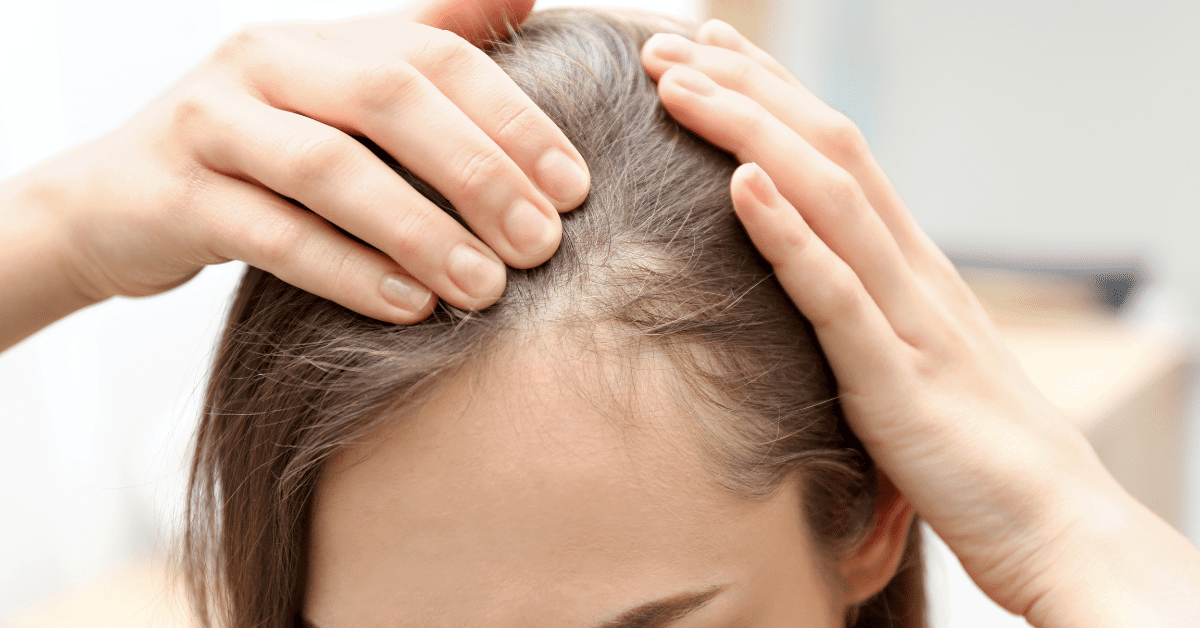
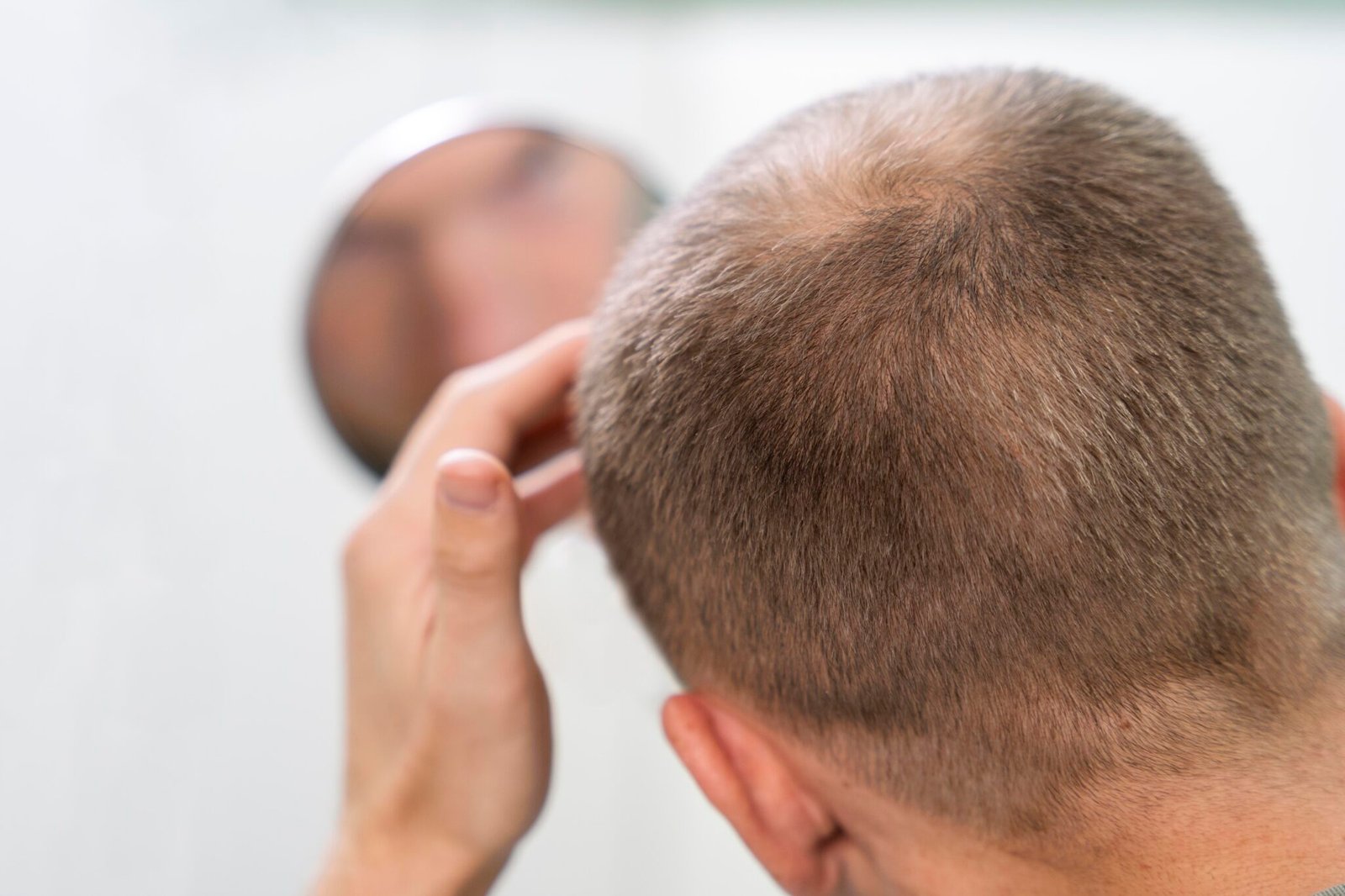
Common Causes of Excessive Hair Shedding in India
- Nutritional Deficiencies: Lack of iron, vitamin D, and proteins weakens hair follicles and increases shedding.
- Hormonal Changes: Thyroid issues, polycystic ovary syndrome (PCOS), and postpartum hormone shifts can cause hair loss.
- Stress and Lifestyle: Physical or emotional stress may trigger telogen effluvium, a temporary increase in shedding.
- Scalp Conditions: Fungal infections, dandruff, and seborrheic dermatitis contribute to hair loss.
- Genetic Factors: Androgenetic alopecia, a hereditary condition, affects men and women in India.
- Medications and Treatments: Some drugs and medical procedures can cause hair loss as a side effect.
Diagnosis and Personalized Treatment Options
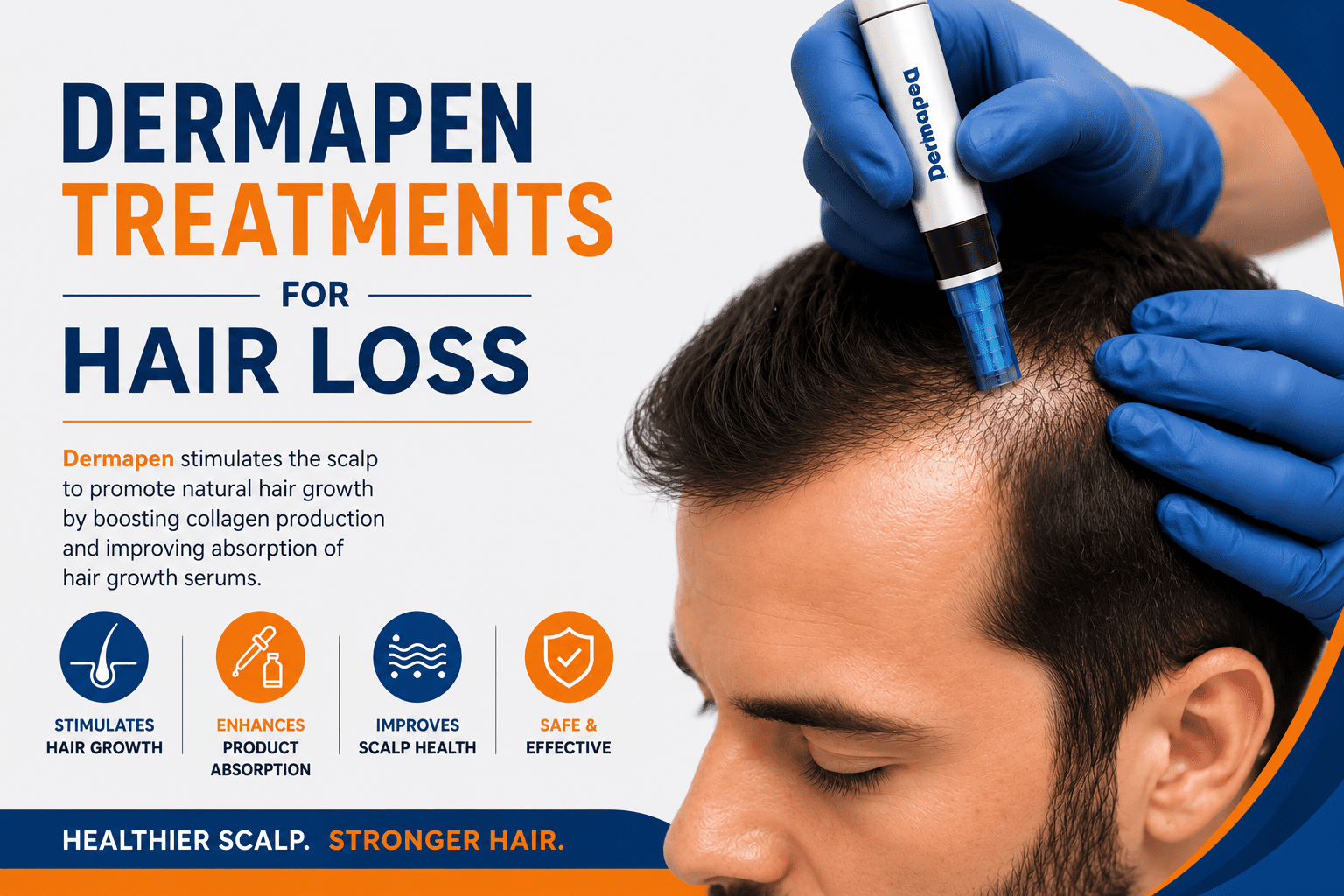
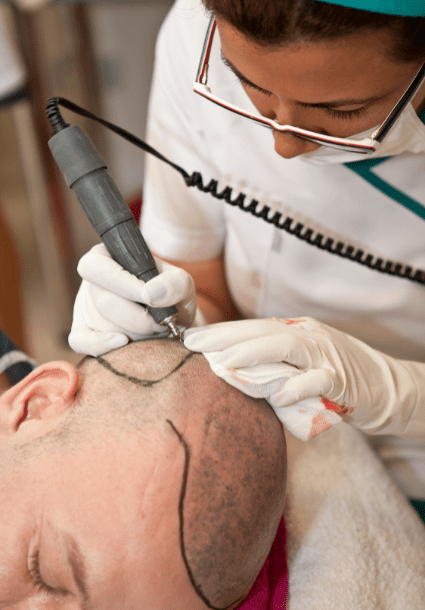
A dermatologist or hair specialist evaluates your condition to find the cause of shedding. Treatment plans are customized and may include medical therapies, lifestyle changes, and advanced procedures like long hair FUE transplant and microneedling for hair growth. These doctor-led treatments aim to restore hair while respecting patient privacy and setting realistic expectations.
When to Consult a Specialist
Consult a specialist if shedding is sudden, heavy, or lasts longer than normal daily loss. Early diagnosis can help prevent permanent thinning. Many clinics offer online and in-clinic consultations for accessible, ongoing care. Booking a timely appointment allows for early treatment.
About the Business
Alloroots is a doctor-led hair restoration clinic in India specializing in hair transplantation, hair loss treatment, and regenerative therapies. Led by Dr. Alok Kumar Sahoo (MD Dermatology, AIIMS New Delhi), the clinic provides personalized plans including FUE hair transplant, PRP, GFC, i-PRF, exosome therapy, scalp micropigmentation, and hair restoration medications. Services are available both in-clinic and online, focusing on evidence-based solutions and patient privacy. Visit Alloroots to learn more and schedule consultations.
Ready to discuss your hair restoration plan with a specialist?
Consult UsFAQs
Frequently Asked Questions
1
What are the main causes of excessive hair shedding in India?
Common causes include nutritional deficiencies, hormonal imbalances, stress, scalp infections, genetic factors, and certain medications.
2
Can excessive hair shedding be reversed with treatment?
Many causes can be managed or improved with personalized treatment, but results vary depending on the underlying condition and individual response.
3
How is excessive hair shedding diagnosed by specialists?
Diagnosis involves clinical examination, medical history, blood tests for deficiencies or hormonal issues, and sometimes scalp biopsy.
4
Are hair transplant procedures suitable for treating excessive hair shedding?
Hair transplant techniques like FUE may be recommended after stabilizing hair loss; they restore density but require doctor assessment for suitability.
5
What lifestyle changes can help reduce hair shedding?
Balanced nutrition, stress management, proper scalp hygiene, and avoiding harsh chemical treatments can support healthier hair growth.
6
Is professional consultation necessary for hair shedding concerns?
Yes, consulting a dermatologist or hair specialist ensures accurate diagnosis and a personalized treatment plan to address the cause effectively.
Speak with our hair restoration specialists about your treatment options.
Book a Consultation View PricingPopular Searches
Hair Transplant Failure Reasons India
Hair Loss from Pollution India
Hair Transplant and Iron Deficiency: What Patients in India Should Know
Preventing Donor Depletion in Hair Transplants in India
Hair Loss Prevention and Medication in India
India’s Ranking in Global Hair Transplant Standards
Why India Offers Better Hair Transplants Than Turkey
Stress-Related Hair Loss Treatments in India
India’s Global Ranking in Hair Transplant
Scalp Laxity and Its Role in Hair Transplant Surgery in India
Hair Loss After COVID Treatment India
Permanent Hair Loss Solution India
Reaching 80% Hair Growth After Transplant in India
Fixing Failed Hair Transplants in India
Minimizing Graft Wastage in Hair Transplants in India
Understanding the Hair Growth Phase After Transplant in India