

Fungal Scalp Infection Treatment
Fungal scalp infections are treated with medicated shampoos, topical antifungals, and sometimes oral medications depending on severity. Early diagnosis and a tailored treatment plan are important to control symptoms and prevent spread. Alloroots offers doctor-led treatments based on individual assessments.
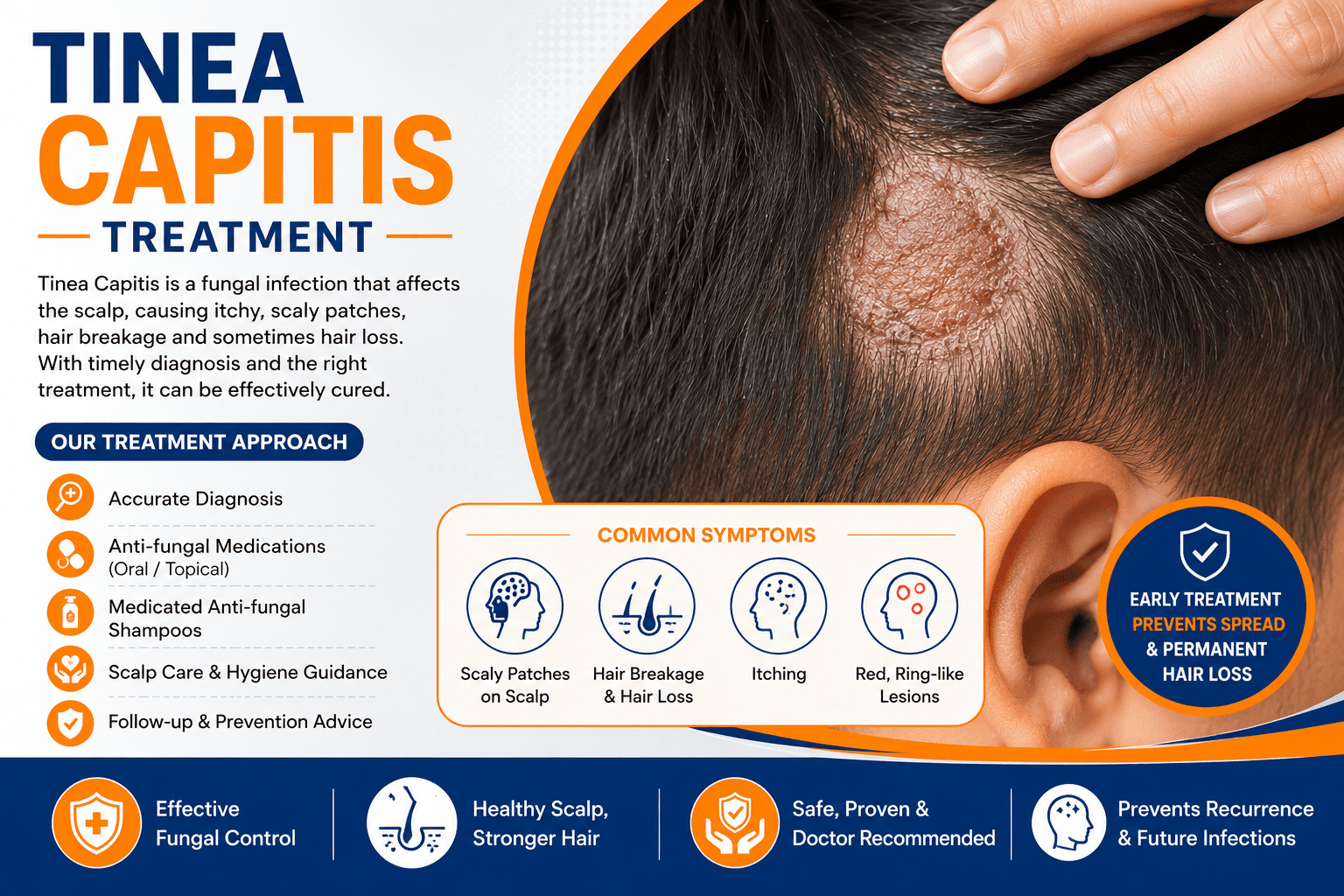
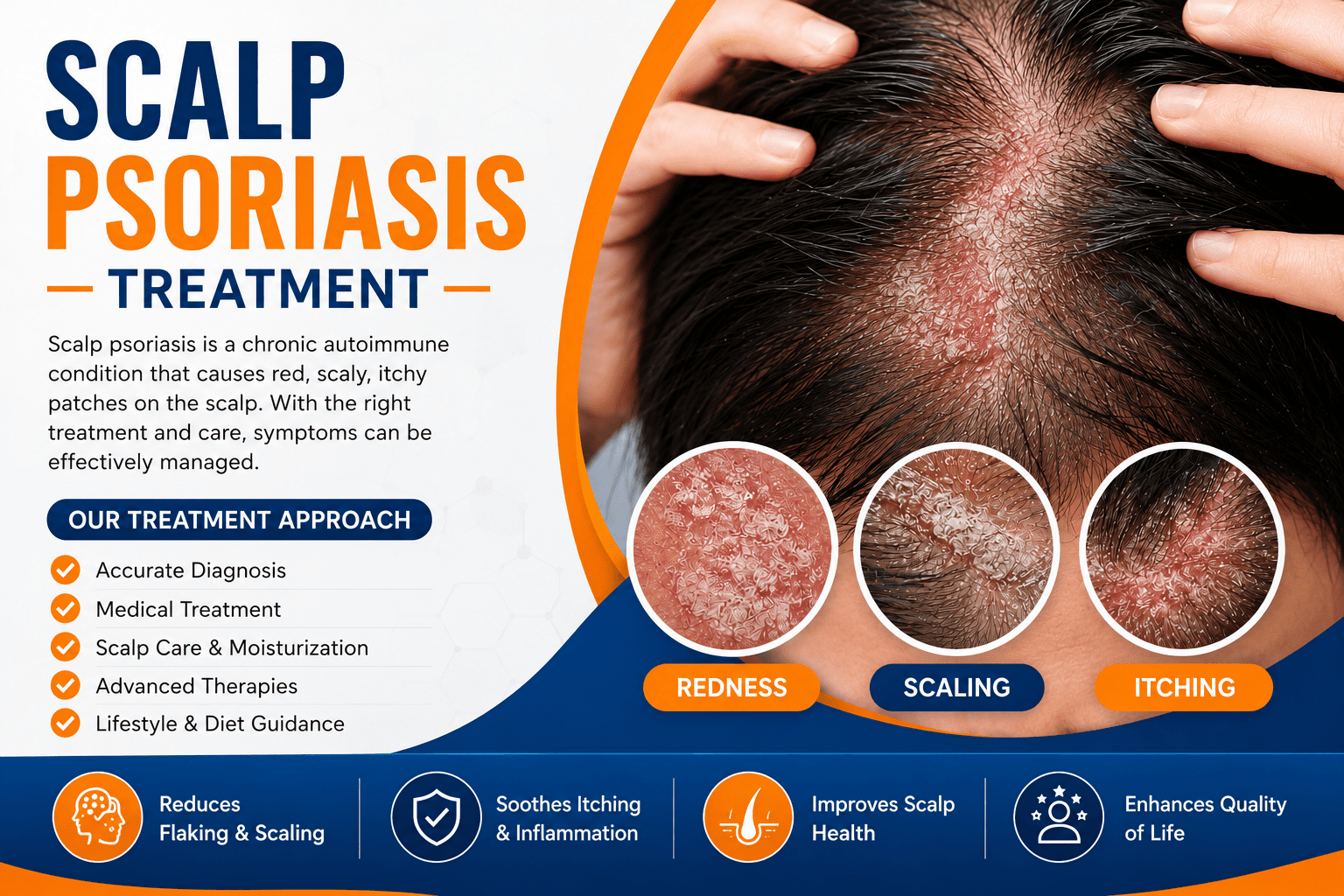
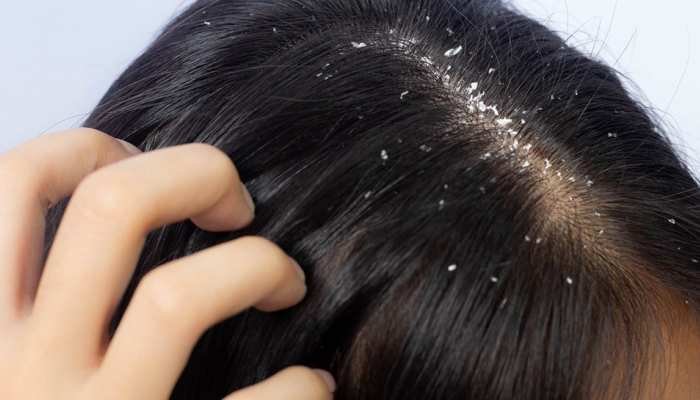
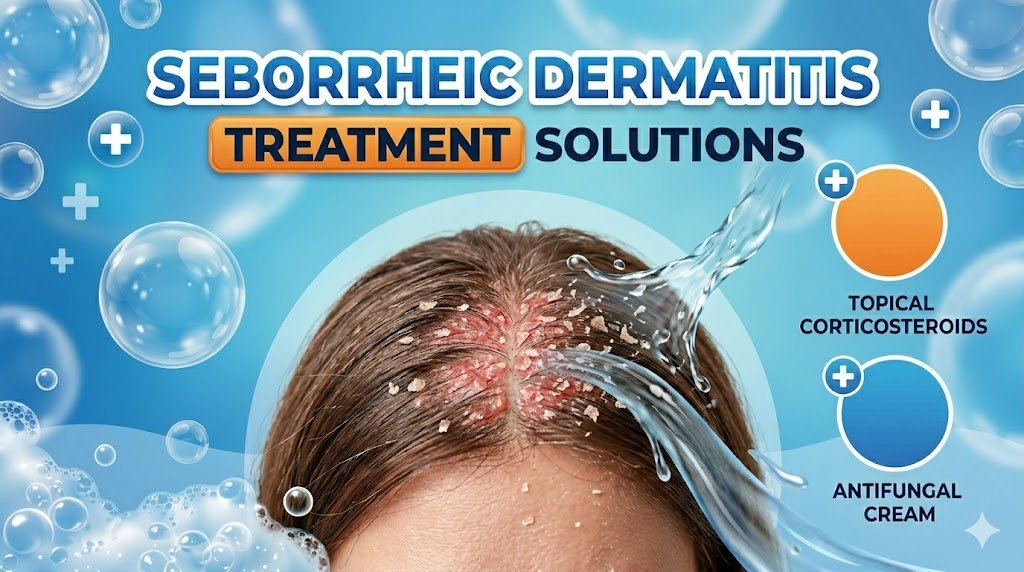
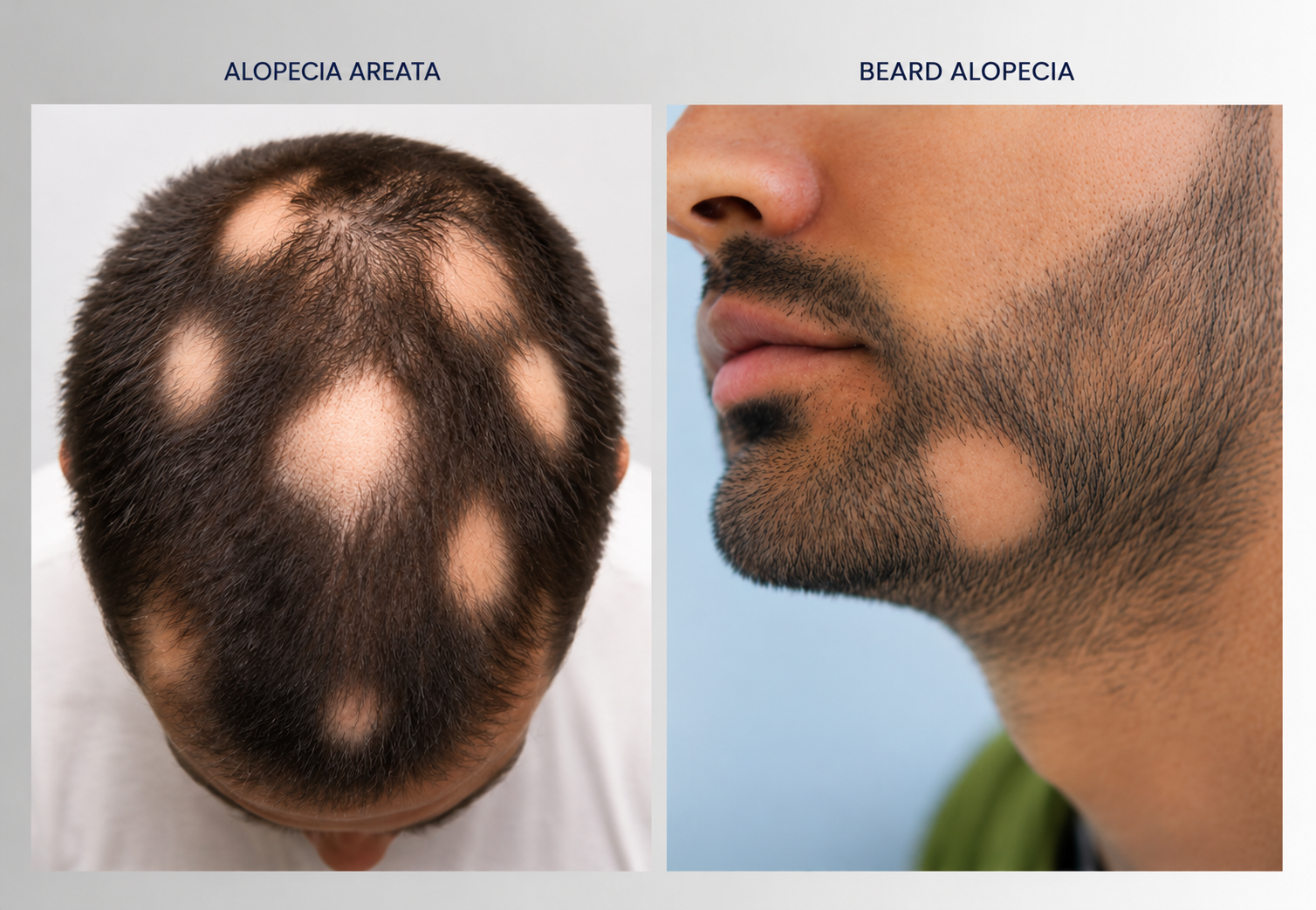
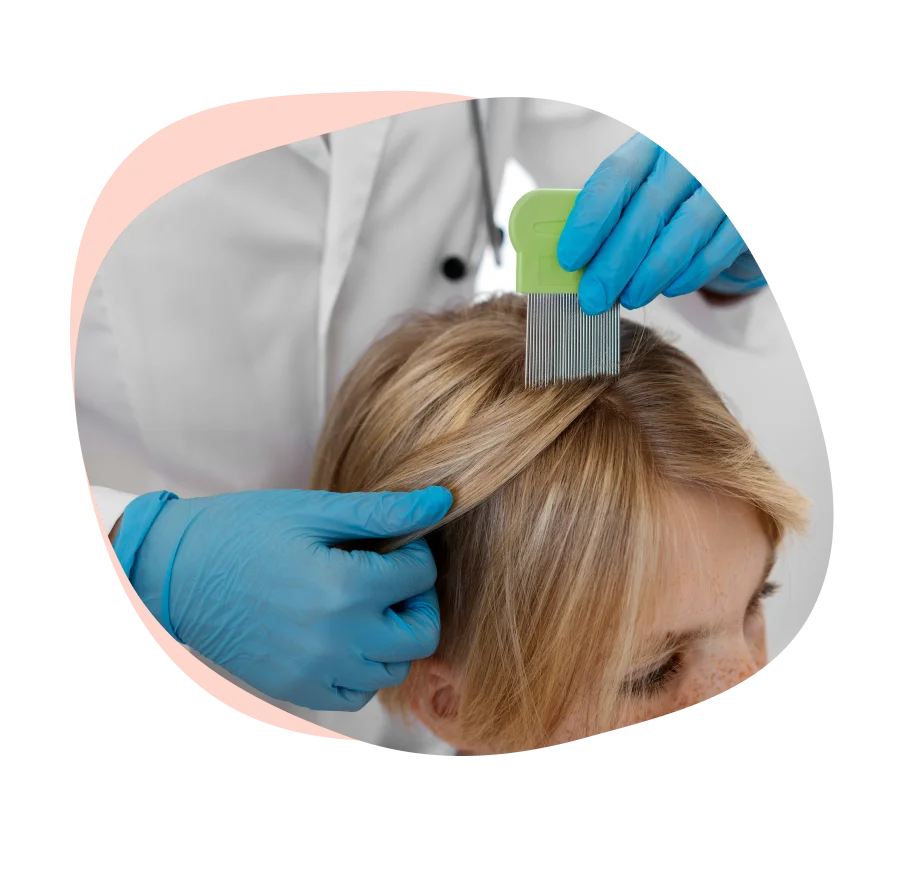
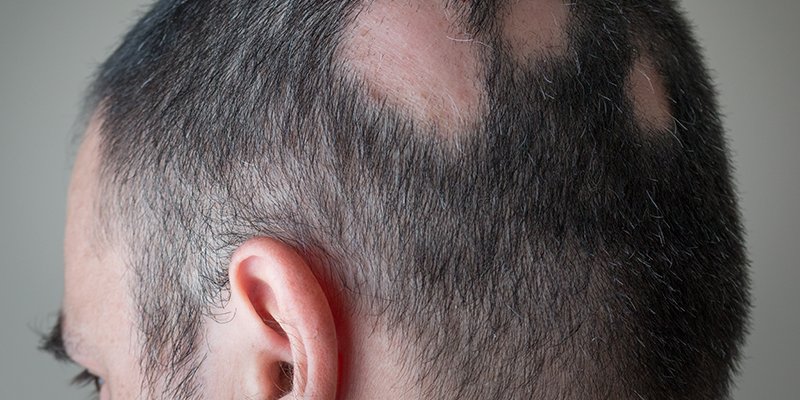
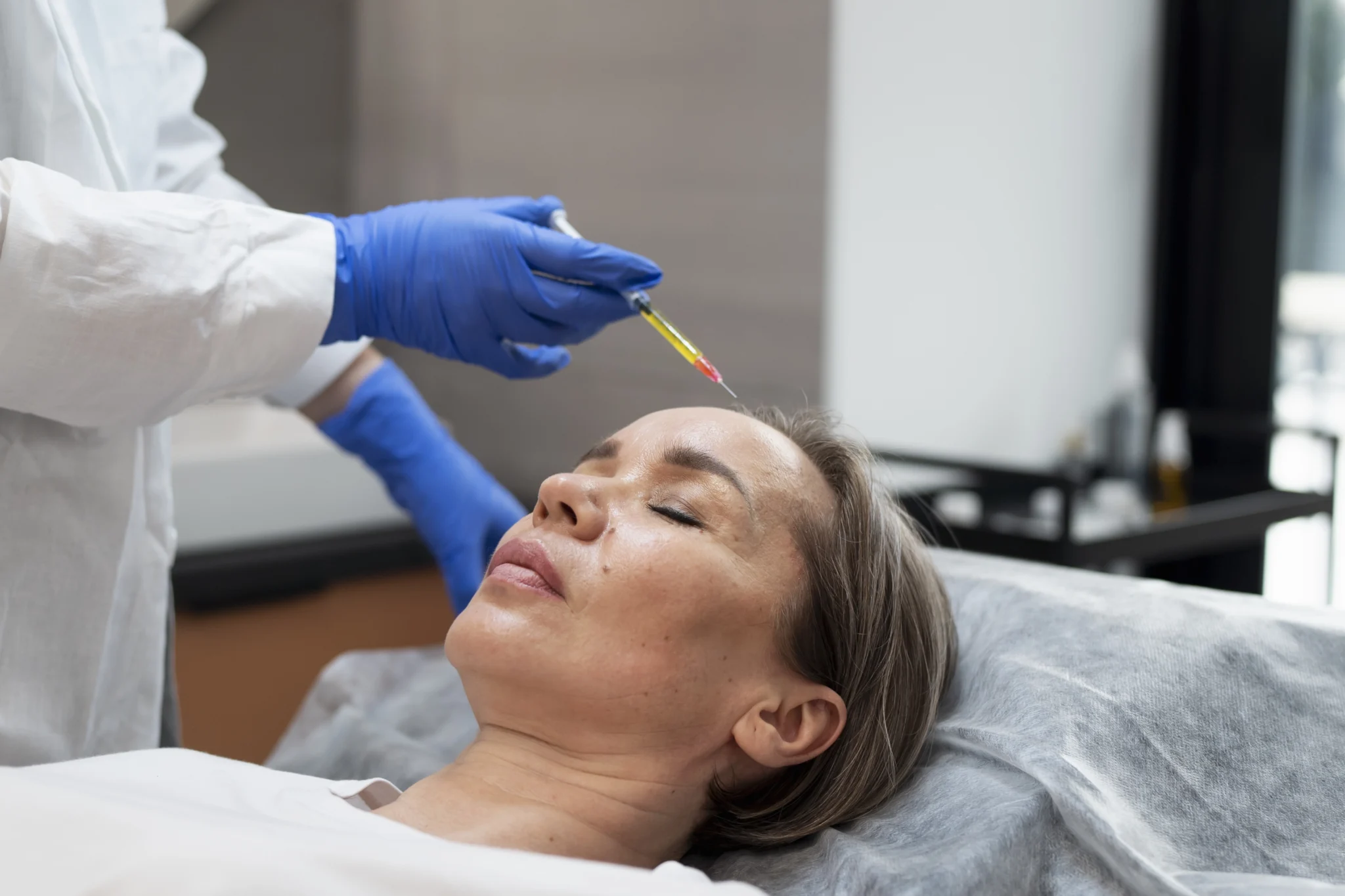
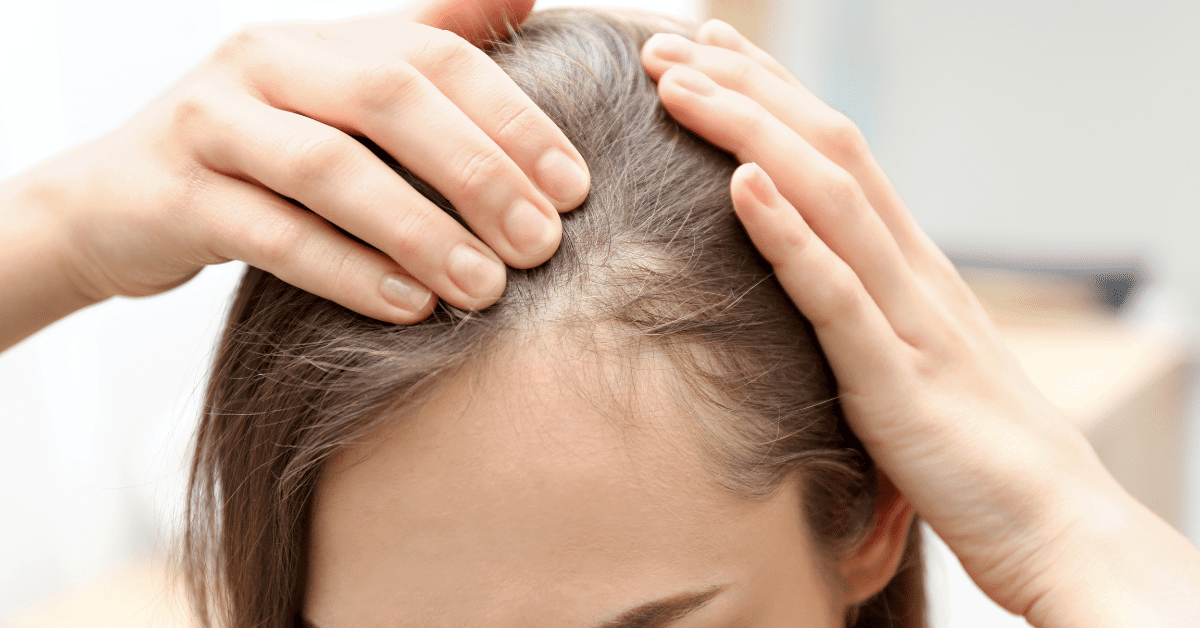
Common Treatments for Fungal Scalp Infections
Treatment depends on the type and severity of the infection. Common options include:
- Medicated shampoos with ketoconazole or selenium sulfide to reduce fungal growth and flaking
- Topical antifungal creams or lotions applied to affected areas
- Oral antifungal medications for severe or widespread infections such as tinea capitis
- Proper scalp hygiene, including regular washing and avoiding sharing personal items to prevent reinfection
When to Seek Doctor-Led Care
If symptoms continue despite over-the-counter treatments or if there is significant hair loss or discomfort, see a dermatologist. Doctor-led clinics provide personalized diagnoses and treatment plans that may include advanced therapies like tinea capitis treatment or seborrheic dermatitis treatment. Plans are based on scalp condition, infection type, and patient history.
Supporting Scalp Health During Treatment
Good scalp care helps recovery and reduces the chance of recurrence. Key steps include:
- Using gentle, non-irritating hair care products
- Avoiding excessive heat styling and chemical treatments
- Maintaining a balanced diet to support immune health
- Completing the full course of prescribed medication even after symptoms improve
About the Clinic
Alloroots is a doctor-led hair restoration clinic in India specializing in hair transplantation and hair loss treatments. Led by Dr. Alok Kumar Sahoo (MD Dermatology, AIIMS New Delhi), the clinic offers personalized, evidence-based treatments for scalp conditions including fungal infections. Services include in-clinic and online consultations for tailored care. Visit Alloroots to learn more.
Ready to discuss your hair restoration plan with a specialist?
Consult UsFAQs
Frequently Asked Questions
1
What are the signs of a fungal scalp infection?
Signs include itching, redness, flaky or scaly patches, hair thinning or breakage, and sometimes pustules or crusting on the scalp.
2
Can fungal scalp infections cause hair loss?
Yes, fungal infections like tinea capitis can lead to temporary hair loss if untreated, but hair usually regrows after effective treatment.
3
Are medicated shampoos effective for fungal scalp infections?
Medicated shampoos with antifungal agents can reduce fungal presence and symptoms but may need to be combined with topical or oral treatments for full resolution.
4
When is oral antifungal medication necessary?
Oral antifungals are prescribed for severe, widespread, or resistant fungal scalp infections, especially tinea capitis, under medical supervision.
5
How long does treatment for fungal scalp infection usually last?
Treatment duration varies but often ranges from several weeks to a few months depending on infection severity and response to therapy.
6
Can fungal scalp infections be prevented?
Prevention includes good scalp hygiene, avoiding sharing combs or hats, and promptly treating minor scalp irritations to prevent fungal growth.
Speak with our hair restoration specialists about your treatment options.
Book a Consultation View PricingPopular Searches
Infected Scalp Treatment
Antifungal Scalp Treatment
Scalp Psoriasis Biological Treatment
Scalp Psoriasis Medication
Scalp Infection Specialist
Ringworm Scalp Treatment
Microneedling Scalp Treatment
Flaky Scalp Treatment
Scalp Therapy for Autoimmune Condition
Appointment for Scalp Treatment
Scalp Psoriasis Treatment Cost
Scalp Folliculitis Treatment Cost
Recurring Scalp Folliculitis Cure
Scalp Psoriasis Treatment India
PRP Scalp Treatment
Psoriasis on Scalp Specialist