
Guide to Hair Transplant Surgeon Credentials in India
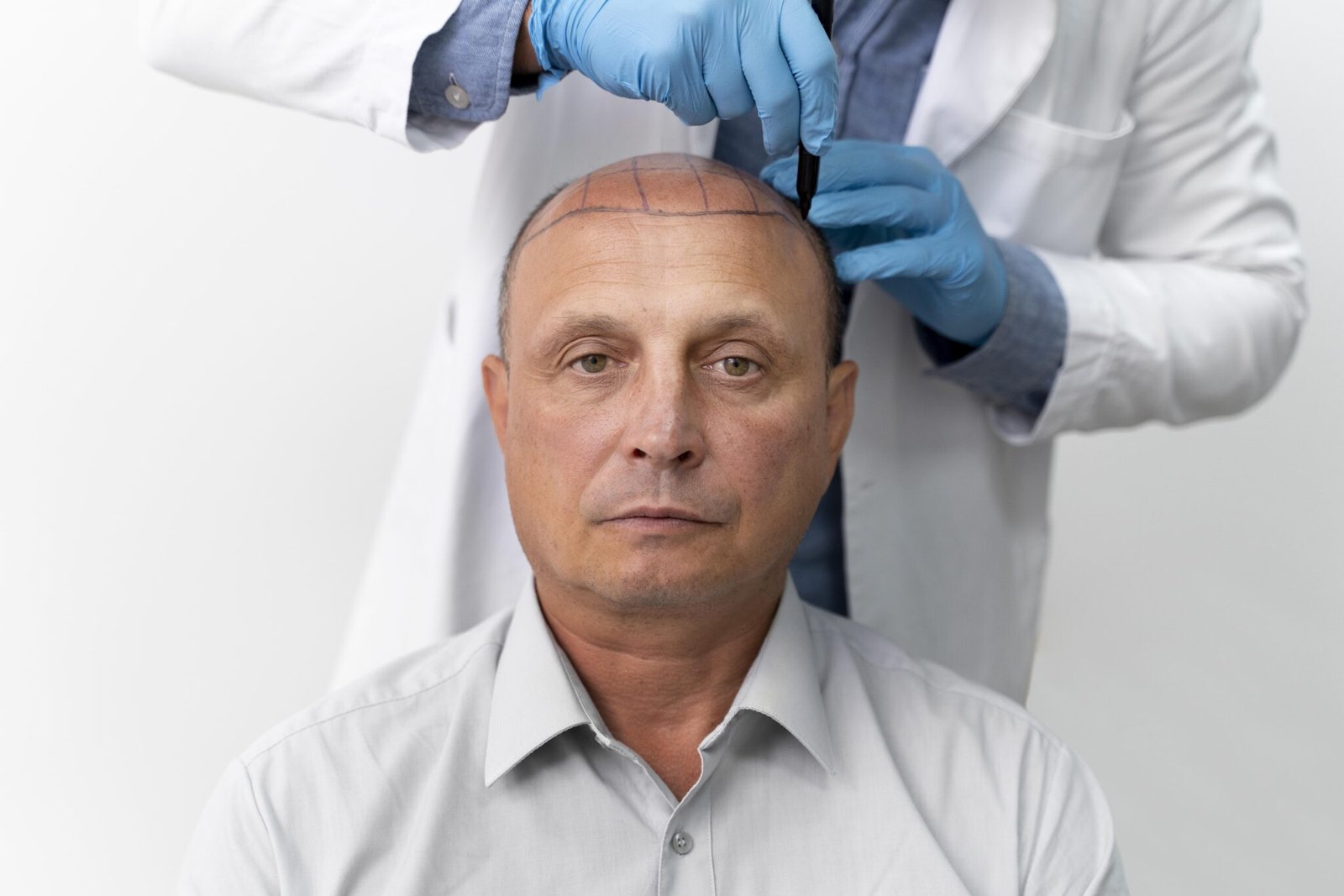
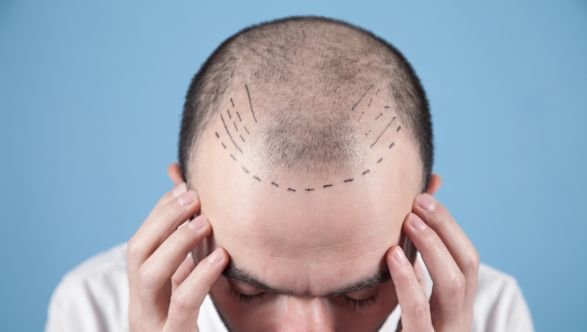
Choosing a qualified hair transplant surgeon in India means verifying their medical credentials, experience, and specialization. Clinics led by doctors who offer personalized treatment plans based on individual assessments provide safer and more effective care. For example, clinics offering male hair transplant or female hair transplant usually present surgeon qualifications clearly to ensure quality results.




Key Credentials to Verify in Hair Transplant Surgeons in India
Check these essential credentials:
- Medical Degree (MBBS) recognized by the Medical Council of India or an equivalent authority.
- Postgraduate specialization in Dermatology, Plastic Surgery, or Trichology.
- Certification in hair transplant techniques like Follicular Unit Extraction (FUE) or Follicular Unit Transplantation (FUT).
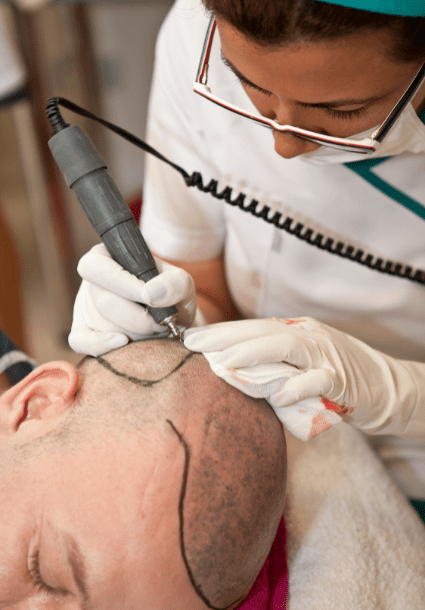
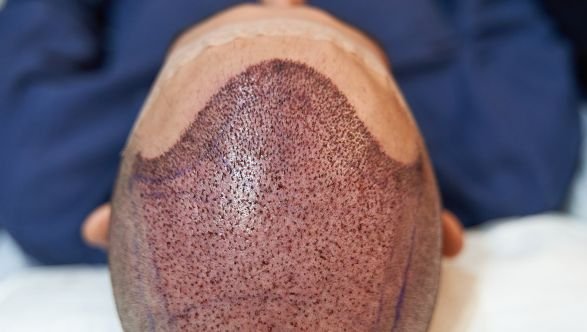
- Experience with procedures such as hairline design and restoration and hair transplant repair.
These confirm the surgeon has the necessary medical knowledge and hands-on expertise in hair restoration.
How to Assess Surgeon Experience and Clinic Standards
Consider these when evaluating experience and clinic quality:
- Years practicing hair transplantation specifically.
- Number of procedures performed, with documented patient outcomes while respecting privacy.
- Use of advanced, evidence-based techniques tailored to each patient.
- Clinic facilities that maintain sterile environments and proper surgical equipment.
- Patient reviews and before-after photos shared by the clinic.
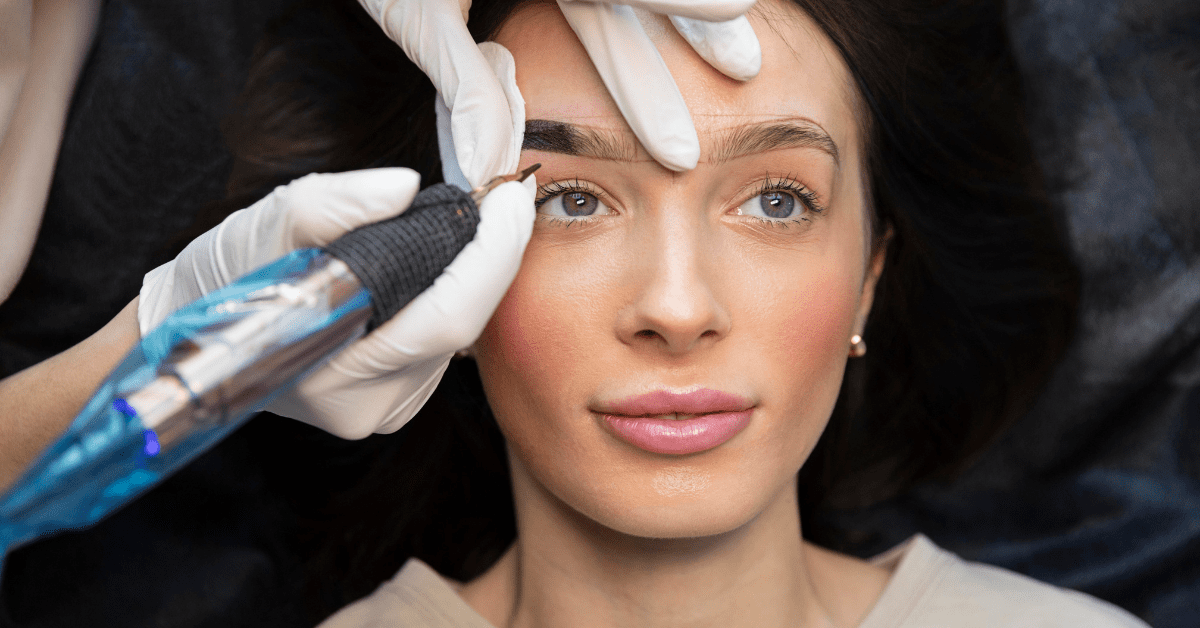
Doctor-led centers offering treatments like body hair transplant or eyebrow transplant show skill diversity and attention to cosmetic detail.
Practical Steps to Verify and Choose Your Surgeon
Before your consultation, follow these steps:
- Request the surgeon’s medical registration number and verify it with the Medical Council of India or regional medical board.
- Look for academic publications or involvement in professional hair restoration societies.
- Confirm the clinic offers personalized treatment plans after detailed assessment, not standard solutions.
- Schedule an initial consultation to discuss your case, ask about techniques like growth factor hair therapy (GFC) or platelet-rich plasma (PRP), and clarify what to expect.
- Ask about aftercare and follow-up to ensure ongoing support.
These steps help you choose a responsible surgeon who provides evidence-based, personalized care.
About the business
Alloroots is a doctor-led hair restoration clinic in India specializing in hair transplantation, hair loss treatments, and regenerative therapies. Led by Dr. Alok Kumar Sahoo (MD Dermatology, AIIMS New Delhi), the clinic offers personalized plans including FUE hair transplant, PRP, GFC, i-PRF, exosome therapy, scalp micropigmentation, and medications. Treatments are based on individual assessment, with privacy and evidence-based outcomes. Consultations are available in-clinic and online. Visit Alloroots.com to learn more.
Ready to discuss your hair restoration plan with a specialist?
Consult UsFAQs
Frequently Asked Questions
1
What qualifications should a hair transplant surgeon in India have?
They should hold a recognized medical degree (MBBS) with specialization in Dermatology, Plastic Surgery, or Trichology, plus certified training in hair transplant techniques like FUE or FUT.
2
How can I verify a surgeon’s medical registration in India?
Request their registration number and confirm it through the Medical Council of India or the respective state medical board’s official database.
3
Why is experience important in choosing a hair transplant surgeon?
Experienced surgeons have performed many procedures, improving skill and outcomes. They are better equipped to handle complex cases and offer personalized plans.
4
Are there different hair transplant techniques to consider?
Yes, common methods include Follicular Unit Extraction (FUE) and Follicular Unit Transplantation (FUT). Advanced clinics may offer additional therapies like PRP or GFC to support growth.
5
What should I expect during the initial consultation?
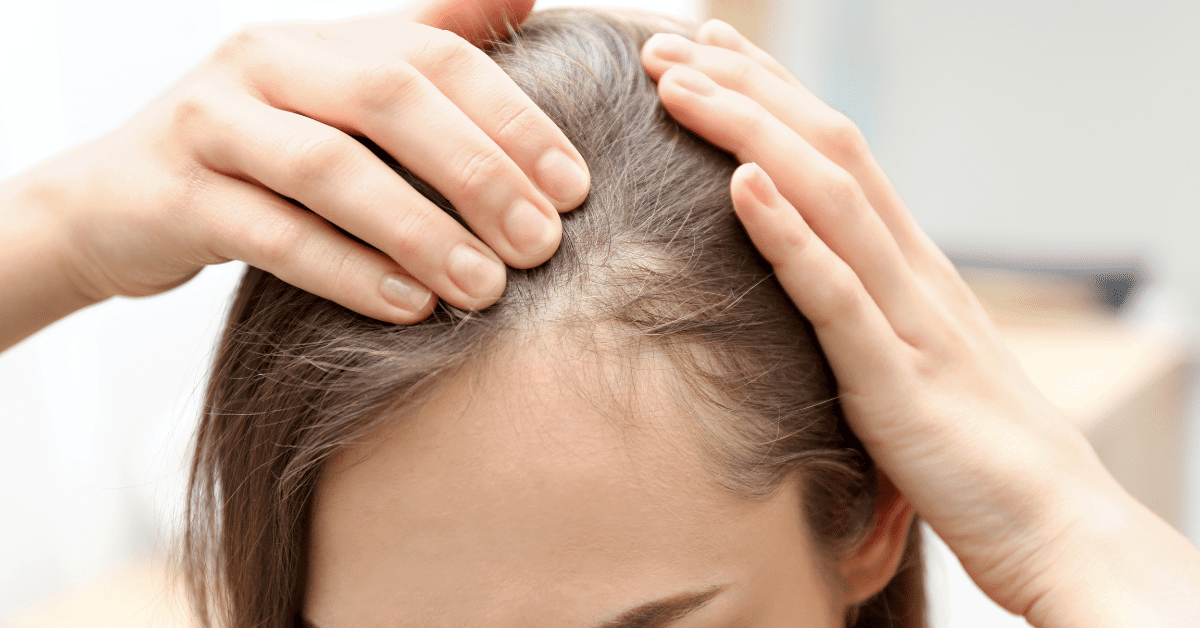
The surgeon assesses your hair loss pattern, medical history, and scalp condition to design a personalized treatment plan and discuss procedure details.
6
Is aftercare important following a hair transplant?
Yes, proper aftercare including follow-up visits, medication, and scalp care is critical for healing and optimal hair growth results.
Speak with our hair restoration specialists about your treatment options.
Book a Consultation View PricingPopular Searches
Hair Transplant Surgeon Credentials in India
Qualifications of Hair Transplant Surgeons in India
Complete Guide to Hair Transplant Medical Tourism in India
Skilled Hair Transplant Surgeons in India
Pre-Operative Instructions for Hair Transplant Patients in India
Complete Hair Transplant Recovery Guide for India
Board-Certified Hair Transplant Surgeons in India
Recommended Hair Transplant Doctors in India
Complete Patient Preparation Checklist for Hair Transplant in India
Hair Transplant Checklist for Patients in India
Hair Transplant Consultation in India
Evidence-Based Hair Transplant Practices in India
Book Your Hair Transplant Appointment in India
Hair Transplant in India: Procedures and Benefits
How to Choose a Hair Transplant Clinic in India
Complete Aftercare Guide for Hair Transplant in India