
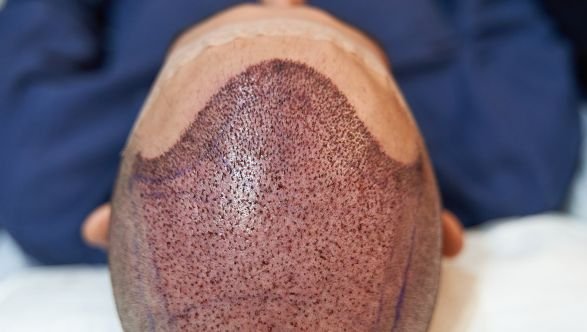
Hair Loss from Tight Hairstyle
Hair loss from tight hairstyles happens when constant tension damages hair follicles. Avoid tight styles and seek early medical care to reduce hair loss. Doctor-led clinics offer treatments like Female Hair Loss Treatment with personalized plans based on individual assessment.

Causes and Mechanism of Hair Loss from Tight Hairstyles
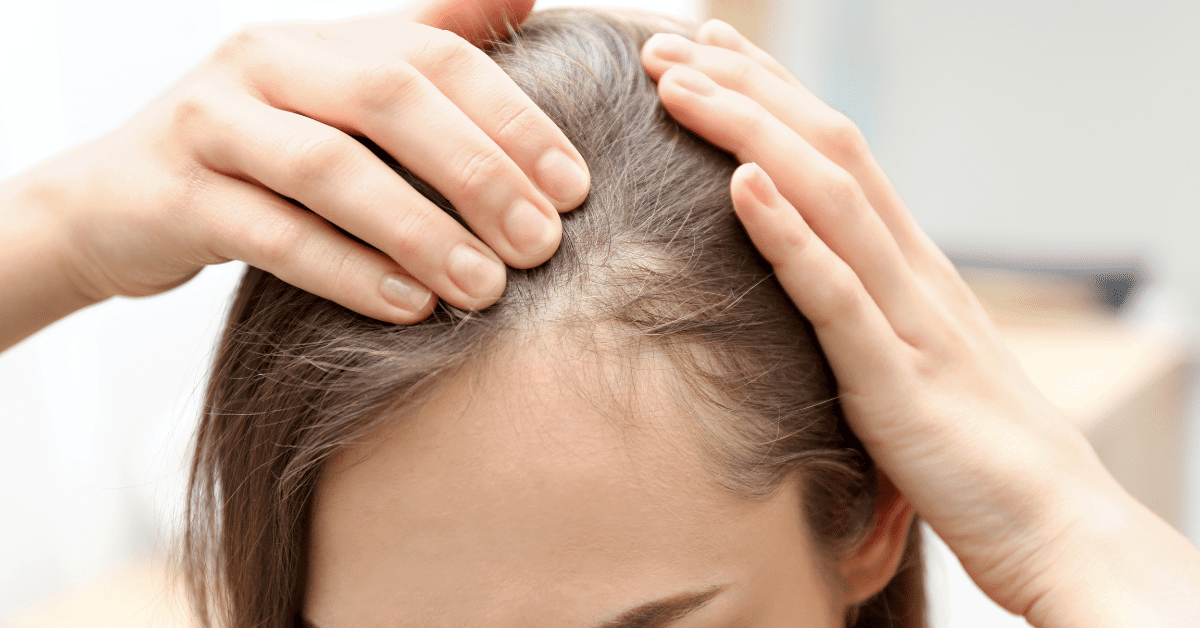
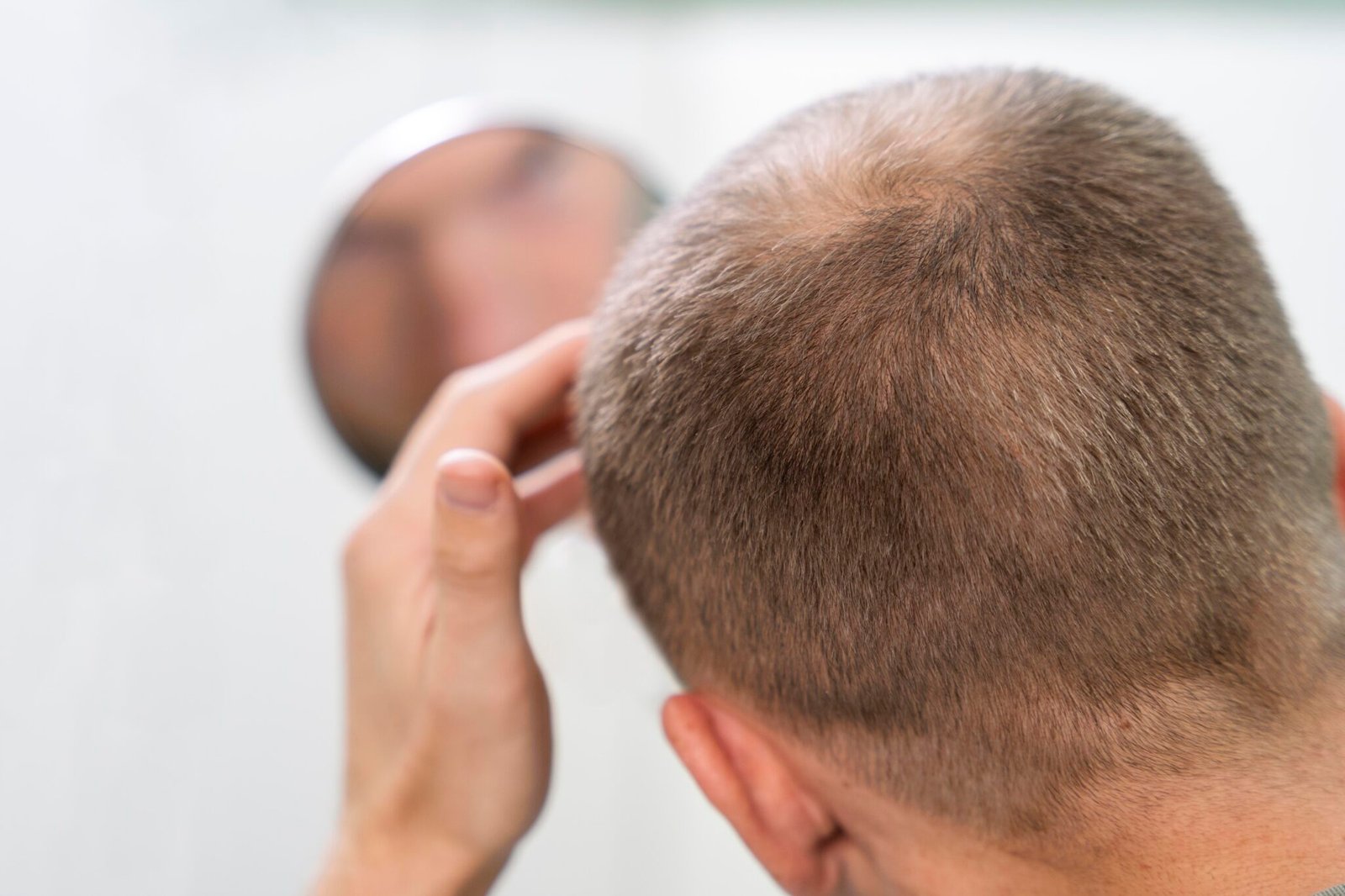
Tight hairstyles such as braids, ponytails, buns, and cornrows apply constant traction to the scalp. This traction alopecia causes inflammation and weakens hair follicles, leading to gradual thinning or permanent loss if untreated.
- Repeated tension inflames hair follicles
- Damaged follicles produce thinner or no hair
- Early signs include scalp tenderness and localized thinning
- Persistent tight styling can cause irreversible hair loss
Preventive Steps and Lifestyle Adjustments
To reduce hair loss from tight hairstyles, try these steps:
- Choose looser styles to lessen scalp tension
- Change hairstyles regularly to avoid stressing the same areas
- Avoid hair accessories that pull or catch hair
- Use mild hair products to prevent scalp irritation
- Keep the scalp clean and moisturized
Treatment Options for Hair Loss from Tight Hairstyles
Treatment depends on follicle damage and individual factors. Doctor-led clinics offer tailored plans combining medical and procedural methods:
- Medications: Topical or oral drugs to stimulate growth and reduce inflammation
- Regenerative therapies: Platelet-rich plasma (PRP), growth factor concentrates (GFC), and i-PRF to support follicle recovery
- Hair transplantation: Techniques like Female Hair Transplant or Body Hair Transplant to restore density
- Hairline restoration: Specialized treatments for frontal hair loss
Results vary. Consult a dermatologist or hair restoration specialist for diagnosis and a personalized plan.
About Alloroots
Alloroots is a doctor-led hair restoration clinic in India, led by Dr. Alok Kumar Sahoo (MD Dermatology, AIIMS New Delhi). The clinic offers FUE hair transplants, PRP, GFC, i-PRF, exosome therapy, scalp micropigmentation, and medical treatments. Consultations are available in-clinic and online, focusing on evidence-based care and patient privacy. Visit alloroots.com for details.
Ready to discuss your hair restoration plan with a specialist?
Consult UsFAQs
Frequently Asked Questions
1
What causes hair loss from tight hairstyles?
Continuous tension from styles like braids or ponytails damages hair follicles, leading to traction alopecia and gradual hair thinning or loss.
2
Can hair loss from tight hairstyles be reversed?
Early-stage traction alopecia can improve with treatment and lifestyle changes, but permanent loss may occur if follicles are severely damaged.
3
Which hairstyles are safest to prevent traction alopecia?
Loose hairstyles that avoid pulling on the scalp, and regularly changing hair styles, reduce tension and protect hair follicles.
4
What medical treatments help with traction alopecia?
Topical or oral medications, PRP therapy, and other regenerative treatments can stimulate follicle healing and hair regrowth based on individual assessment.
5
When is hair transplant considered for traction alopecia?
Hair transplantation is an option after follicle damage stabilizes and medical treatments have been evaluated, to restore hair density in affected areas.
6
How can I consult a specialist for hair loss from tight hairstyles?
Doctor-led clinics offer personalized diagnosis and treatment plans. Online or in-clinic consultations can help determine the best approach.
Speak with our hair restoration specialists about your treatment options.
Book a Consultation View PricingPopular Searches
Hair Loss Procedures
Hair Loss Due to Vitamin D Deficiency
Hair Loss Hair Transplant
Non Surgical Hair Loss Solution
Hair Loss Due to Hard Water Treatment
Crown Hair Loss Solution
Hair Loss from Pollution India
Blood Injection Hair Loss
Consult Hair Loss Doctor Online
Schedule Hair Loss Treatment
Hair Loss After COVID Treatment India
Hair Loss Second Opinion Online
Sudden Hair Loss Treatment
Laser Comb for Hair Loss
Hair Loss Alternatives
Hair Loss Online Diagnosis