

Hair Transplant for Women with Diffuse Hair Loss
Women with diffuse hair loss may consider a doctor-led female hair transplant as part of a treatment plan. Diffuse hair loss causes thinning across the scalp rather than in patches, so it requires careful evaluation to decide if transplantation is suitable along with other therapies.



Understanding Diffuse Hair Loss in Women
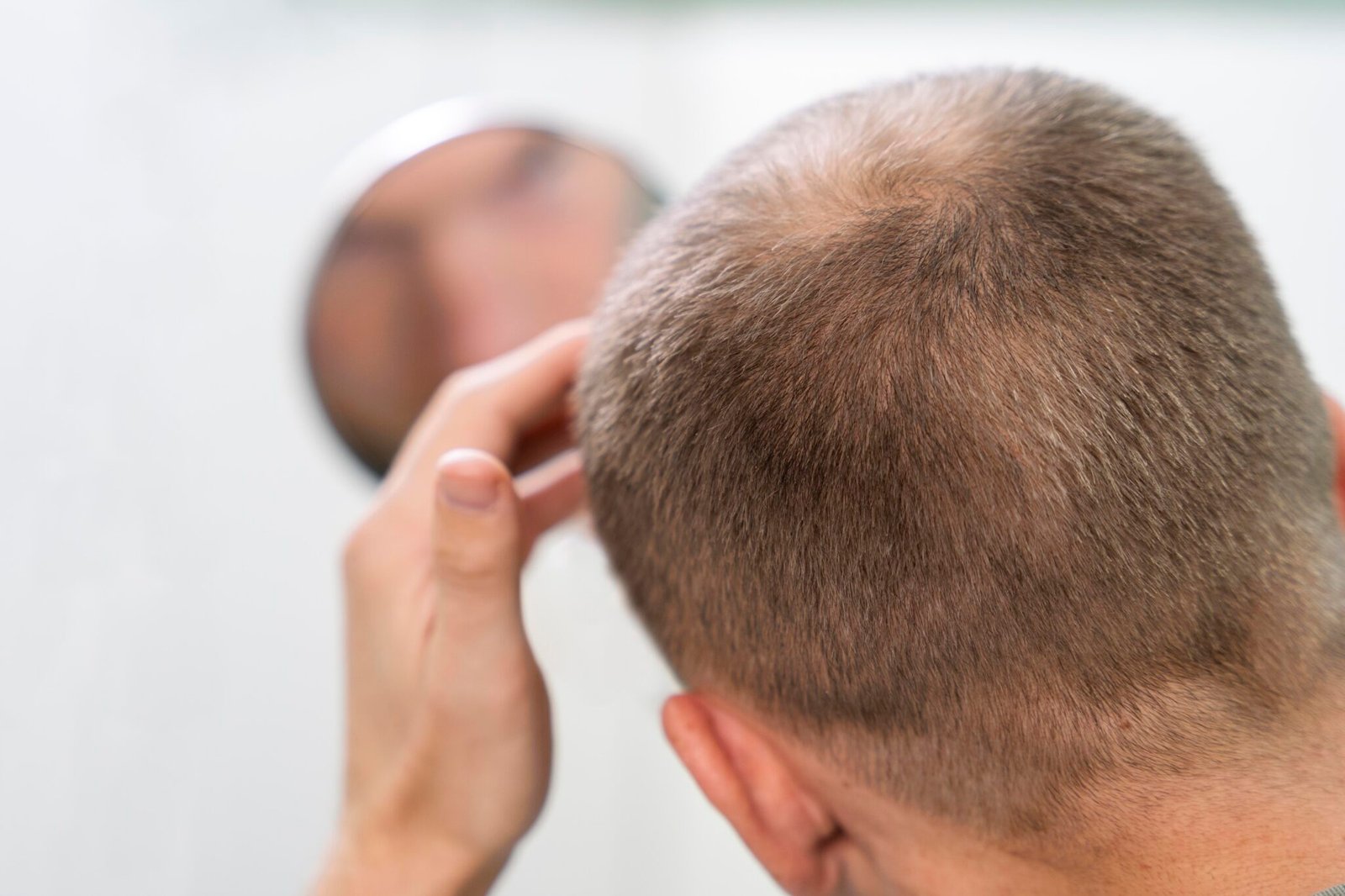
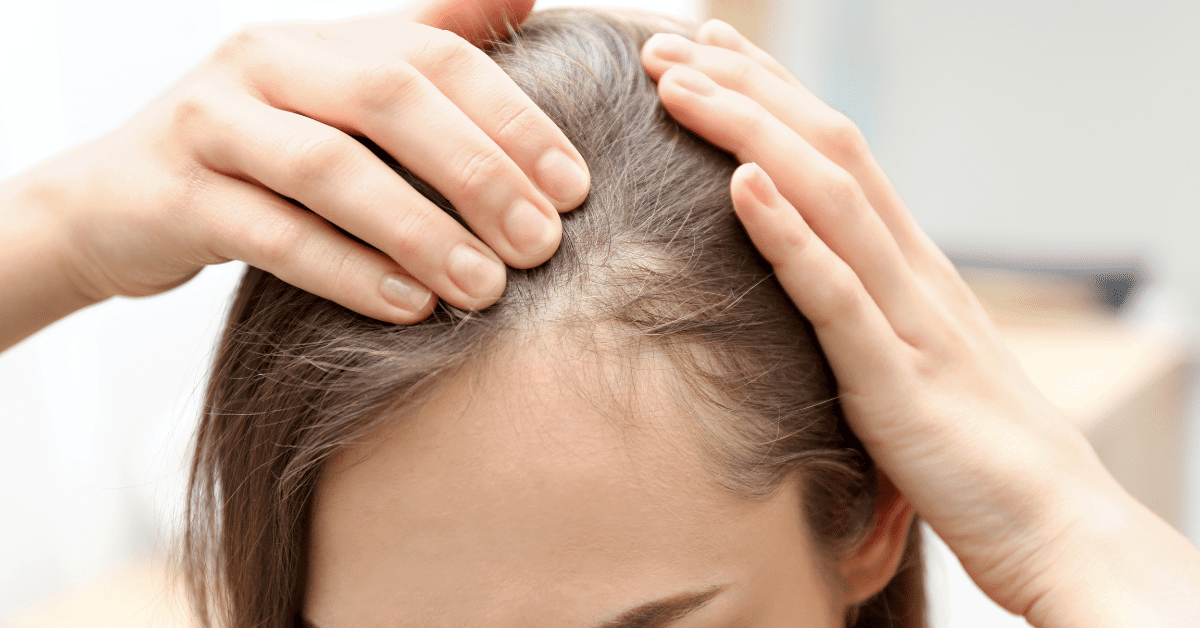
Diffuse hair loss causes uniform thinning without clear bald spots. It can result from hormonal changes, nutritional deficiencies, stress, or medical conditions. This pattern affects both donor and recipient areas, making transplant planning more challenging.
- Donor hair quality and density must be assessed to ensure enough viable grafts are available.
- Transplant alone may not be enough; combining it with medical and regenerative treatments usually works better.
- A dermatologist evaluation is needed to identify and address underlying causes.
Hair Transplant Options and Complementary Treatments
Treatment for women with diffuse hair loss often includes:
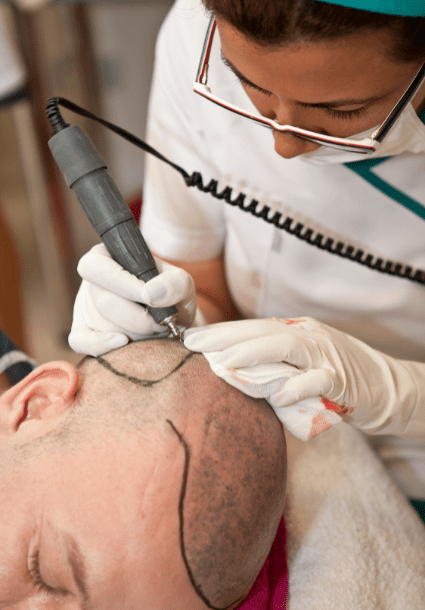
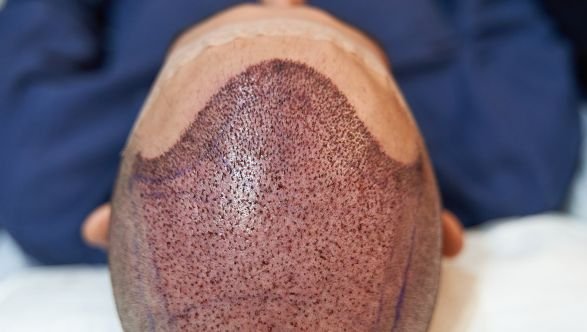
- FUE Female Hair Transplant: Follicular Unit Extraction harvests healthy hair follicles from donor sites. The female hair transplant restores density while keeping a natural look.
- Regenerative Therapies: Platelet-rich plasma (PRP), growth factor concentrates (GFC), injectable platelet-rich fibrin (i-PRF), and exosome therapy improve scalp health and stimulate dormant follicles.
- Medical Management: Customized medications treat hormonal imbalances, nutritional gaps, or scalp conditions that cause thinning.
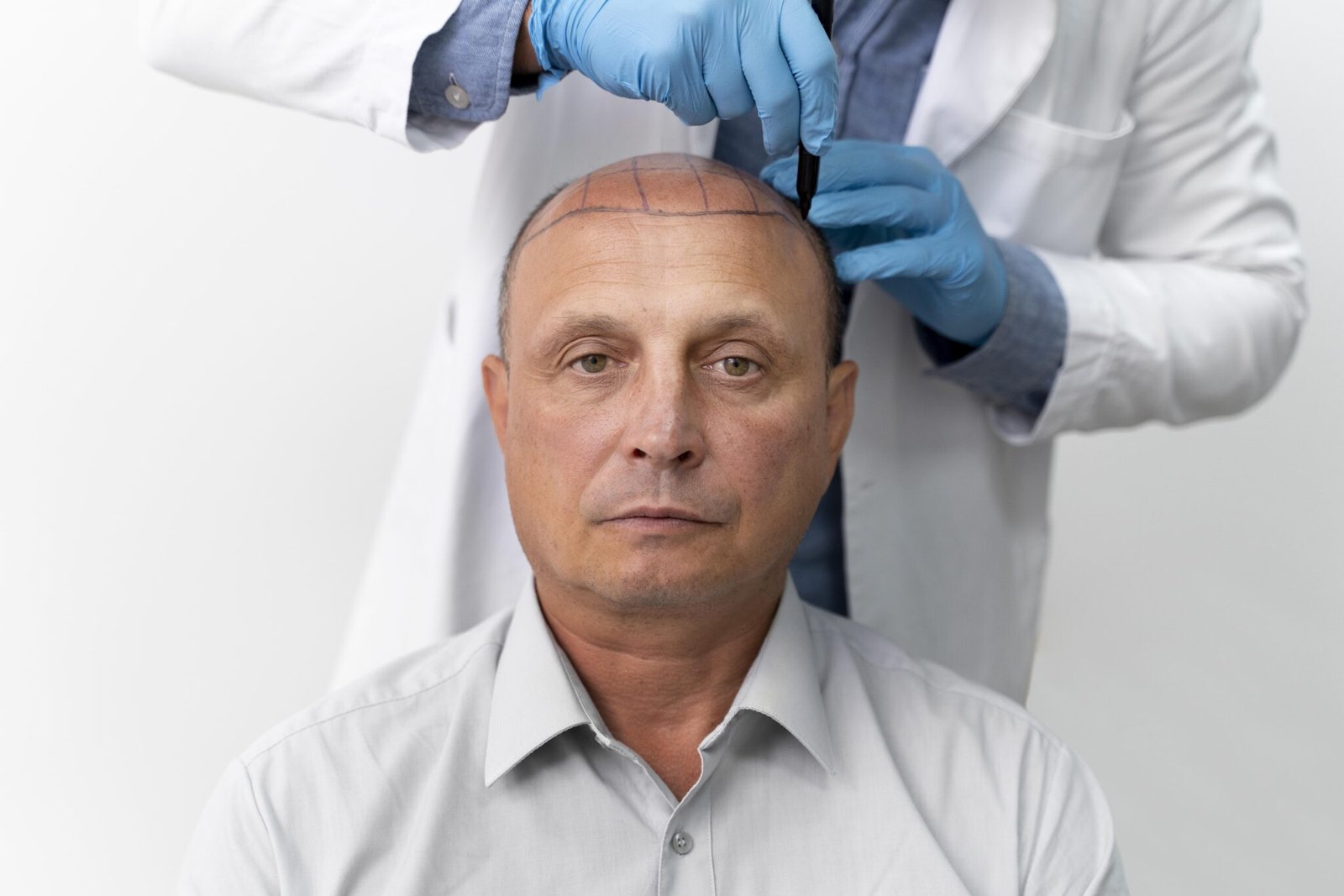
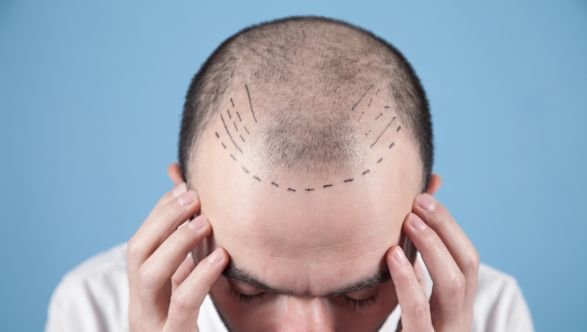
- Hairline Design: Strategic hairline restoration enhances aesthetics and supports volume improvement (hairline design & restoration).
What to Expect from Treatment
Results depend on donor hair availability, scalp condition, and underlying causes. Visible improvement usually appears gradually over several months. Patient privacy is maintained during treatment and follow-up.
The initial consultation includes a detailed assessment to create a personalized plan. Consultations can be in-clinic or online. Recovery and aftercare instructions support optimal healing.
About Alloroots
Alloroots is a doctor-led hair restoration clinic in India specializing in hair transplantation and hair loss treatments for women and men. Led by Dr. Alok Kumar Sahoo (MD Dermatology, AIIMS New Delhi), the clinic offers personalized plans including FUE hair transplant, hair mesotherapy, PRP, GFC, i-PRF, exosome therapy, and scalp micropigmentation. Alloroots focuses on evidence-based care, patient privacy, and tailored solutions. Consultations are available both in-clinic and online. Visit Alloroots.com for details.
Ready to discuss your hair restoration plan with a specialist?
Consult UsFAQs
Frequently Asked Questions
1
Is hair transplant suitable for all women with diffuse hair loss?
Suitability depends on individual assessment of donor hair quality and underlying causes. Some women may need combined medical treatments before or alongside transplantation.
2
What is the difference between diffuse hair loss and other types of hair loss?
Diffuse hair loss involves thinning across the entire scalp rather than distinct bald patches, making it more challenging to treat with transplant alone.
3
Can medical treatments improve diffuse hair loss without transplant?
Yes, therapies like PRP, medications, and nutritional support can enhance scalp health and hair growth, often used alongside transplantation.
4
How long does it take to see results after a female hair transplant?
Visible improvement typically appears within 6 to 12 months post-procedure, as transplanted hair follicles grow gradually.
5
Are there risks or side effects specific to women undergoing hair transplant for diffuse loss?
Risks include temporary swelling, redness, or shock loss. A thorough consultation minimizes complications and sets realistic expectations.
6
How do I prepare for a consultation at a hair restoration clinic?
Bring medical history details, current medications, and any prior hair treatments. A doctor-led clinic will perform scalp and hair evaluations during your visit.
Speak with our hair restoration specialists about your treatment options.
Book a Consultation View PricingPopular Searches
Diffuse Hair Loss Treatment Women
Hair Transplant for Diffuse Thinning India
Hair Transplant for Women
Hair Loss Hair Transplant
Hair Transplant for Receding Hairline
Hair Transplant in India for Diffuse Thinning
Hair Transplant Procedure
FUE Transplant for Hair Loss
Hair Thinning Transplant
Hair Transplant for Women in India
Hair Transplant Cosmetic Surgery
Female Hair Transplant Treatment
Complete Guide to Body Hair Donors for Transplants in India
Dhi Hair Transplantation
Hair Transplant for Thinning Hair in India
Hair Transplant in India for Diffuse Unpatterned Alopecia