
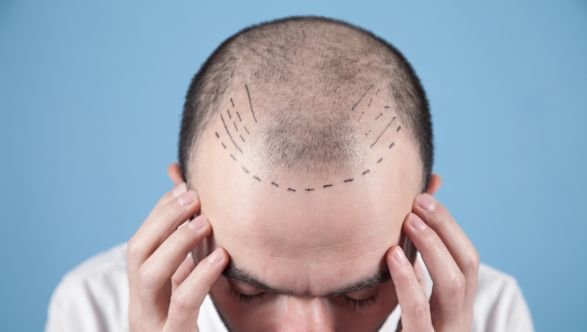
Hair Transplant in India and Keloid Risk
Hair transplants in India are performed by experienced doctors offering both male and female hair transplant options. A key concern is the risk of keloid scars, which can develop after skin injuries like hair transplant surgery. This risk varies by individual and requires assessment by a doctor-led clinic before treatment.




Understanding Keloid Risk in Hair Transplant Procedures
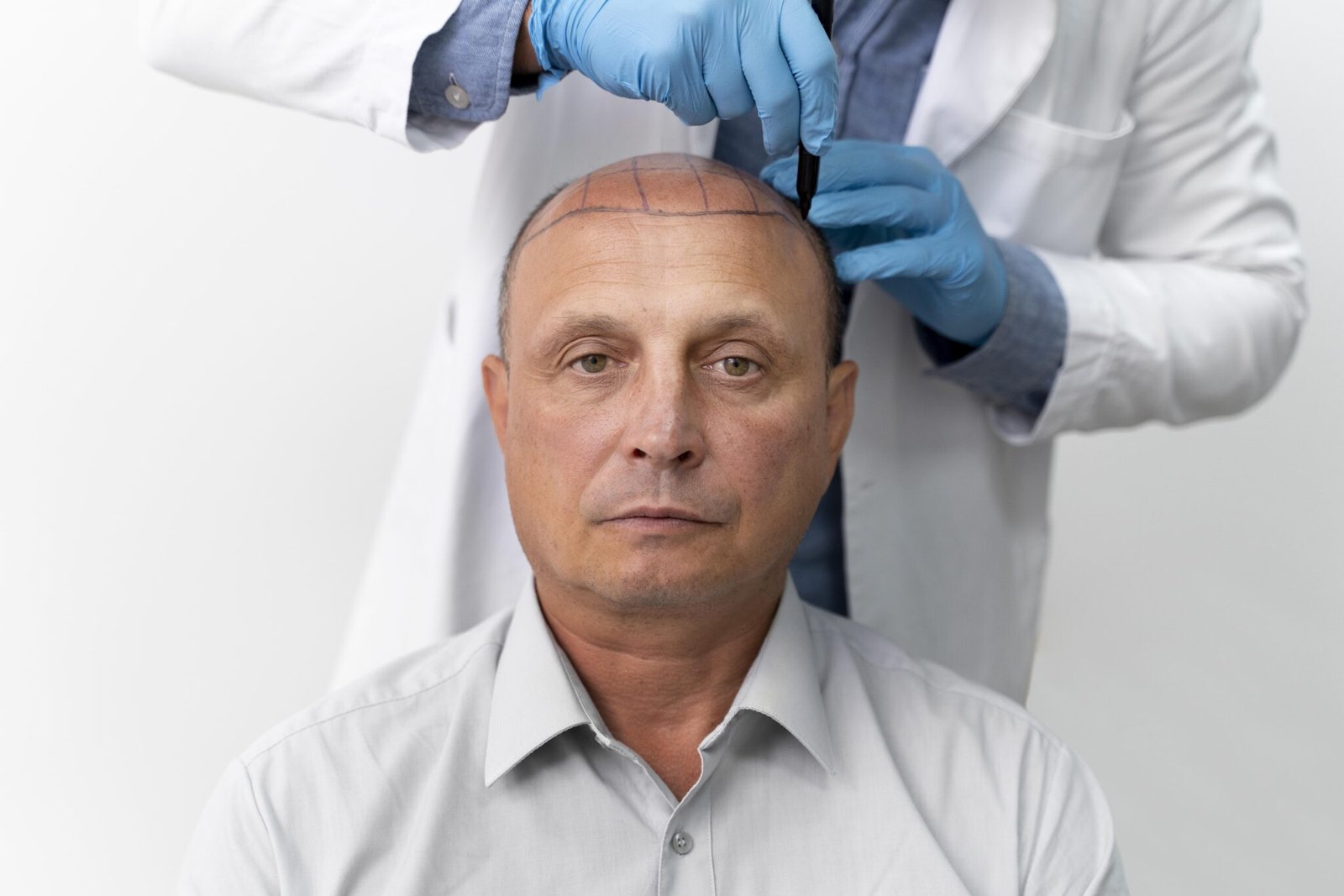
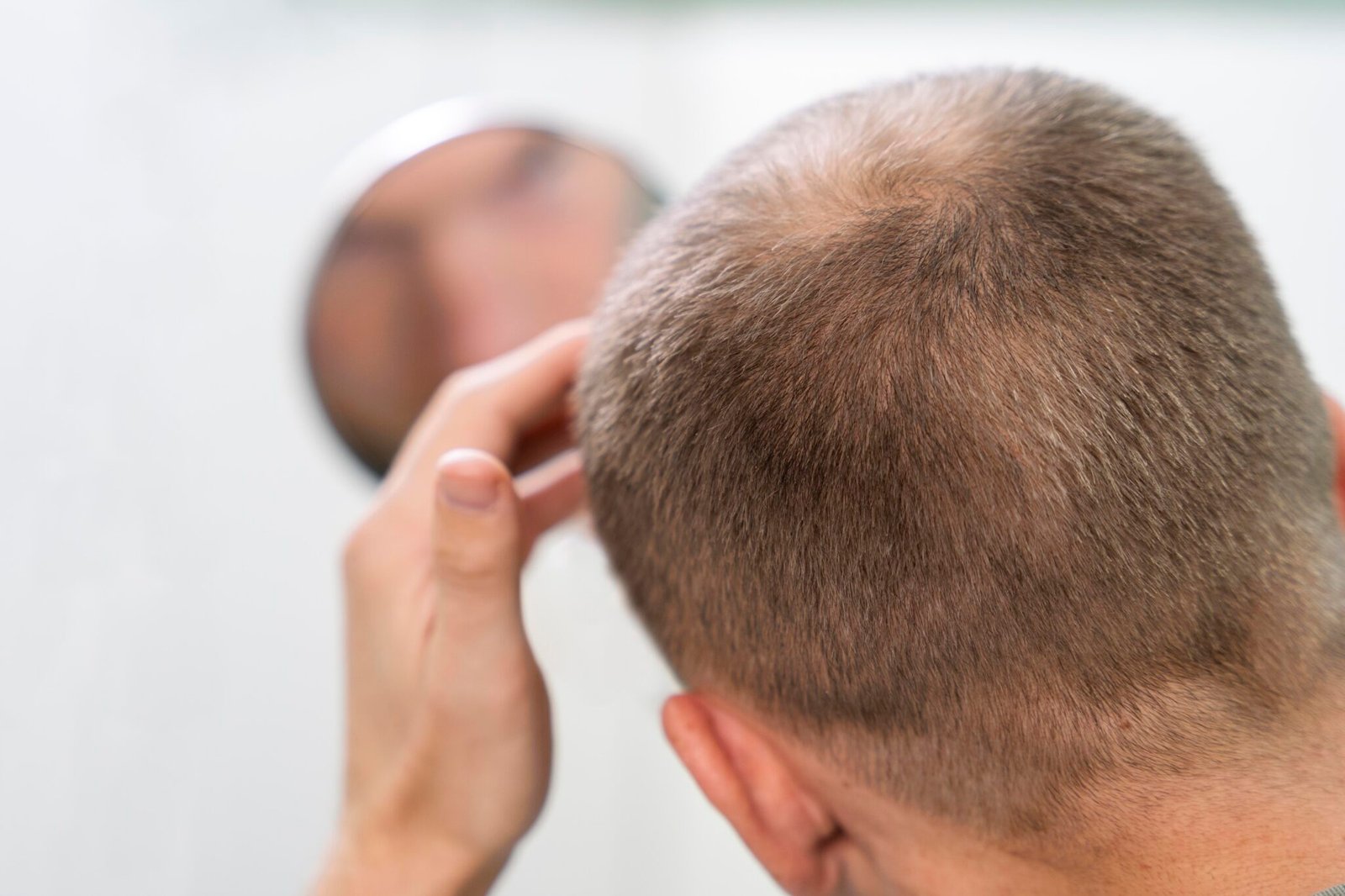
Keloids are raised scars that extend beyond the original wound due to excess scar tissue. While rare after hair transplants, people with a history of keloids or certain skin types have a higher risk. Factors include genetics, skin pigmentation, and previous scarring.
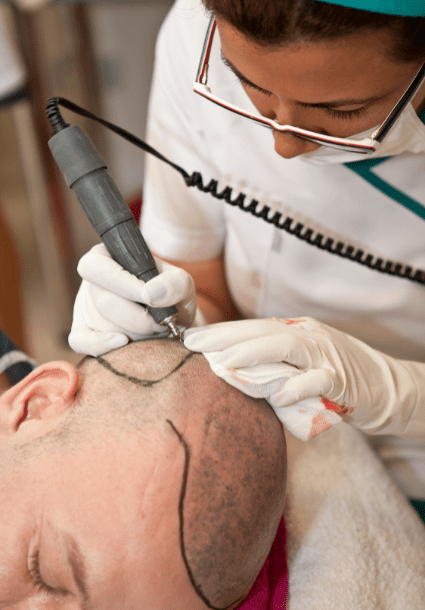
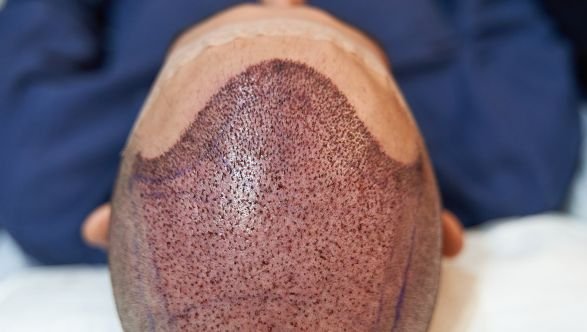
Techniques like Follicular Unit Extraction (FUE) reduce scarring by removing individual follicles through small punctures instead of large incisions. Clinics offer customized treatments such as hairline design and restoration or hair transplant repair and correction to minimize scar risks.
Steps to Reduce Keloid Risk During Hair Transplant in India
- Consult a dermatologist or doctor-led hair restoration clinic for a personalized risk evaluation.
- Disclose any history of keloids or unusual scars before surgery.
- Choose minimally invasive procedures like FUE that limit scar size and visibility.
- Follow pre- and post-operative care instructions carefully to ensure proper healing.
- Consider adjunct treatments such as growth factor hair therapy (GFC) or hair mesotherapy to support scalp health and recovery.
Hair Transplant Options in India With Low Scar Risk
- FUE Hair Transplant: Removes individual follicles, causing minimal scarring; suitable for men and women.
- Long Hair FUE Transplant: Transplants hair without shaving the donor area, reducing visible scars.
- Body Hair Transplant: Uses body hair as donor when scalp hair is limited.
- Scar Hair Restoration: Specialized treatments to restore hair in scarred areas, carefully addressing keloids.
Discuss these options with a qualified surgeon who will tailor a plan based on your medical history and goals. Clinics usually operate during regular hours; booking early ensures availability and a thorough assessment.
About the Clinic
Alloroots is a doctor-led hair restoration clinic in India specializing in hair transplantation, hair loss treatment, and regenerative therapies. Led by Dr. Alok Kumar Sahoo (MD Dermatology, AIIMS New Delhi), Alloroots offers personalized plans including FUE hair transplant, PRP, GFC, i-PRF, exosome therapy, scalp micropigmentation, and medications. Services are available in-clinic and online, focusing on patient privacy, safety, and evidence-based care. Visit Alloroots.com to learn more or book a consultation.
Ready to discuss your hair restoration plan with a specialist?
Consult UsFAQs
Frequently Asked Questions
1
What causes keloid formation after hair transplant surgery?
Keloids form due to an overgrowth of scar tissue triggered by skin injury. Genetic predisposition and skin type are key factors influencing keloid development.
2
Is keloid scarring common after hair transplants in India?
Keloid scarring is uncommon in hair transplants, especially when minimally invasive techniques like FUE are used and proper patient assessment is done.
3
Can patients with a history of keloids safely get a hair transplant?
Patients with a keloid history need a careful evaluation by a doctor to assess risks and may require specialized treatment plans to minimize scarring.
4
What hair transplant methods reduce the risk of keloid scars?
FUE and long hair FUE transplants reduce scarring risk by using small follicle extractions rather than large incisions.
5
Are there treatments to improve healing and reduce scar risks after transplant?
Yes, therapies like growth factor hair therapy (GFC) and hair mesotherapy support healing and may reduce scar formation.
6
How should I prepare for a hair transplant to avoid keloid scarring?
Inform your surgeon about any scarring history, follow all pre- and post-op care instructions, and choose a doctor-led clinic for personalized care.
Speak with our hair restoration specialists about your treatment options.
Book a Consultation View PricingPopular Searches
Risks of Hair Transplant Surgery in India
Hair Transplant Coverage Areas Explained for India Patients
Hair Transplant in India for Patients from the USA
Hair Transplant in India for Pakistani Patients
Hair Transplant in India for Patients from USA
Hair Transplant in India: Red Flag Checklist
Follicular Unit Hair Transplants in India
Hair Transplant in India for International Patients
Hair Transplant in India for South Asian Patients
Hair Transplant Contraindications in India
Hair Transplant Guarantee in India
Hair Transplant in India for Patients from Kuwait
Hair Transplant in India for Nepali Patients
Planning a Hair Transplant in India from the US
Holistic Approach to Hair Transplant in India
Personalized Hair Transplant Experience in India