
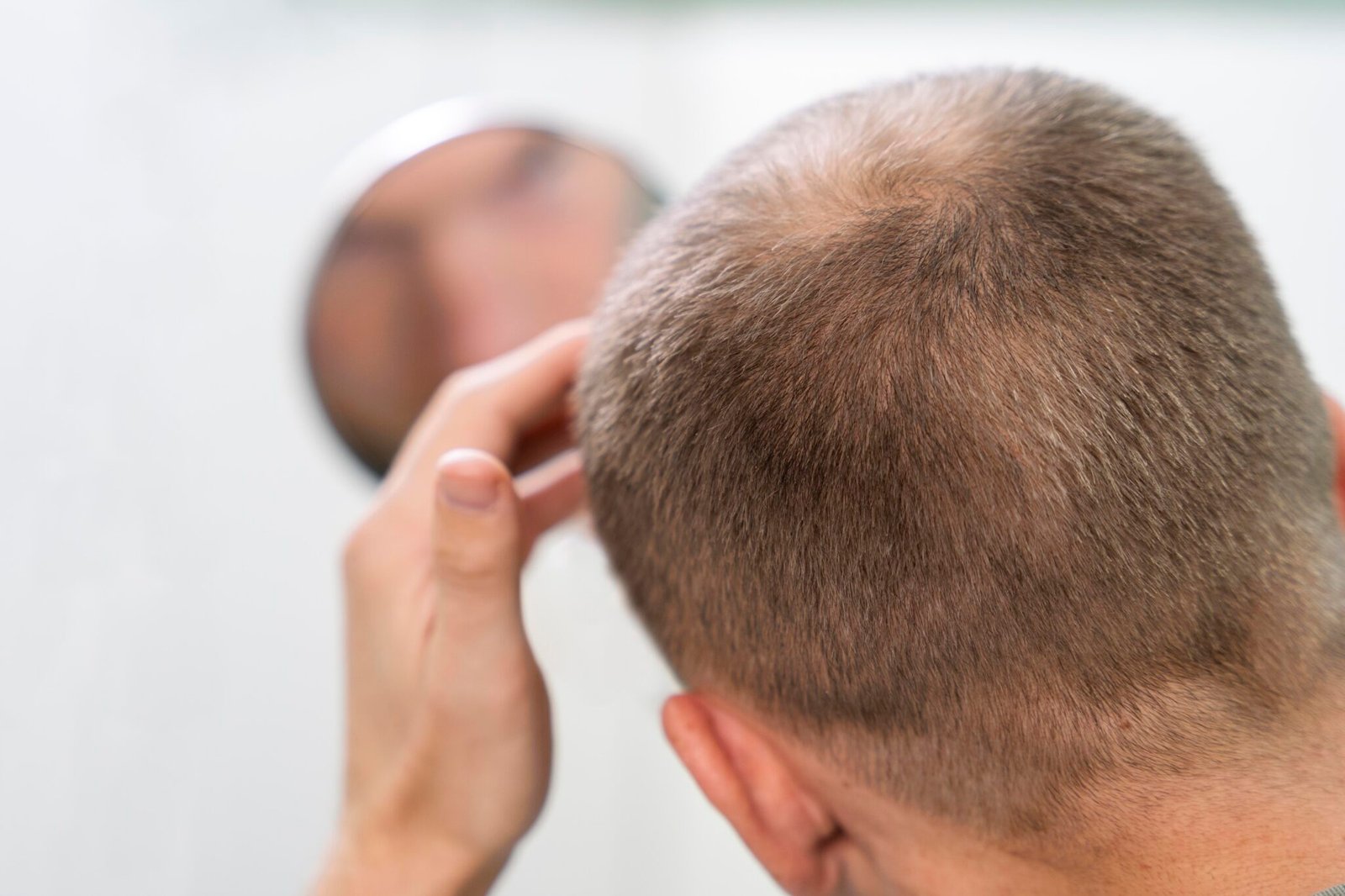
Hair Transplant in India for Autoimmune Conditions
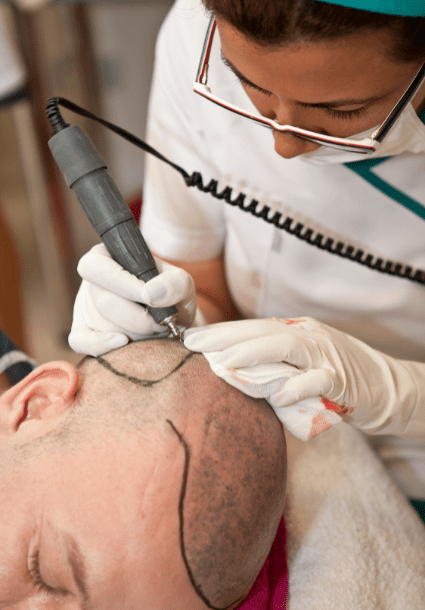
Hair transplants can be an option for patients with autoimmune conditions in India after a thorough medical evaluation. Treatment plans may include male hair transplant or female hair transplant using Follicular Unit Extraction (FUE), based on individual health and disease status.

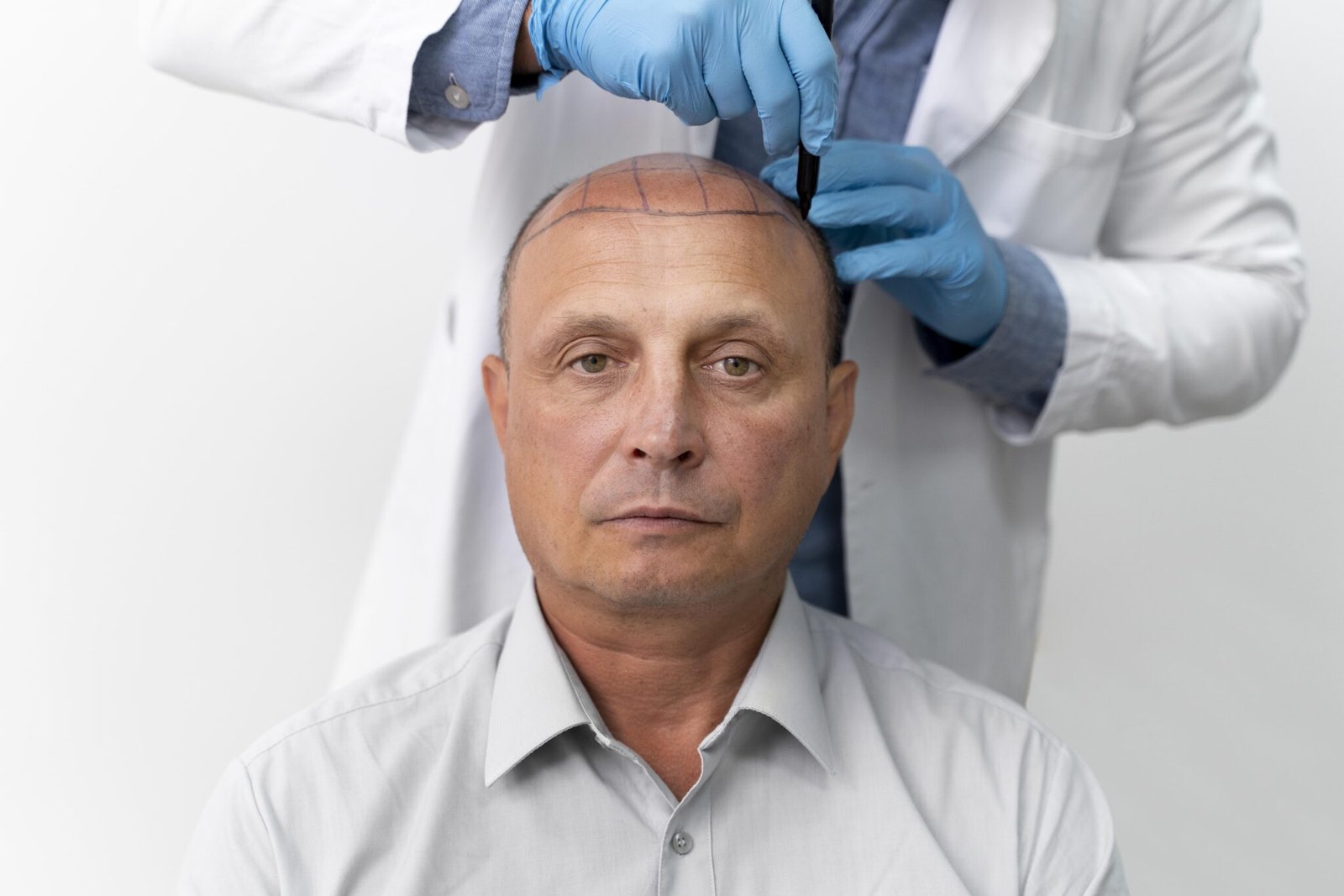
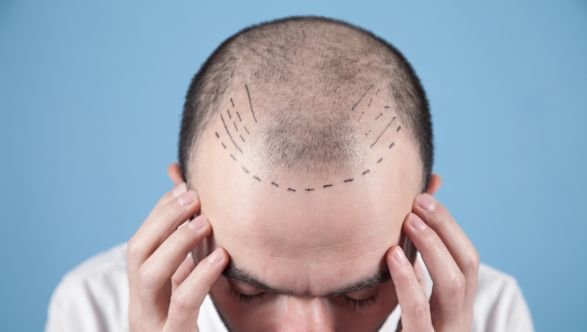


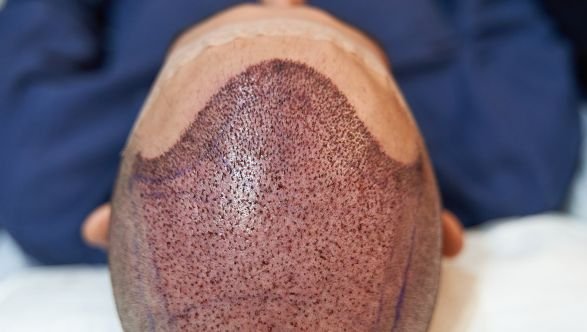
Considerations for Hair Transplant in Autoimmune Conditions
Autoimmune diseases like alopecia areata, lupus, or psoriasis affect hair follicles and scalp health, which impacts transplant success. Key points to assess include:
- Ensuring the autoimmune condition is stable before surgery to reduce risks of graft rejection and slow healing.
- Consulting a dermatologist or autoimmune specialist to evaluate scalp condition and disease activity.
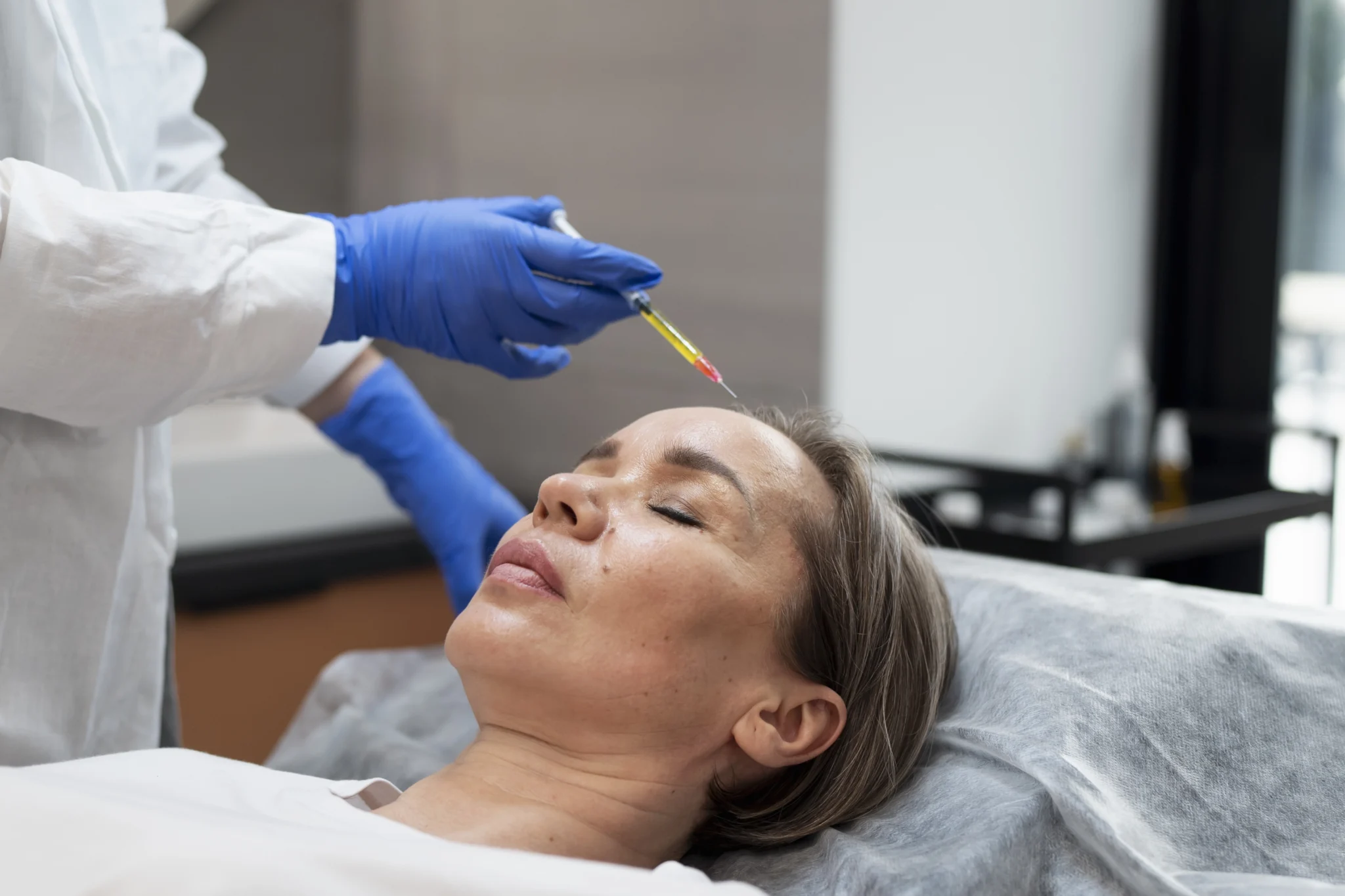
- Using supportive treatments such as platelet-rich plasma (PRP) or growth factor therapies alongside transplantation to improve healing.
Hair Transplant and Supportive Treatment Options
Indian clinics offer treatments tailored for autoimmune-related hair loss, including:
- Male Hair Transplant, a doctor-led FUE procedure for men.
- Female Hair Transplant, addressing women's hair loss patterns with specialized care.
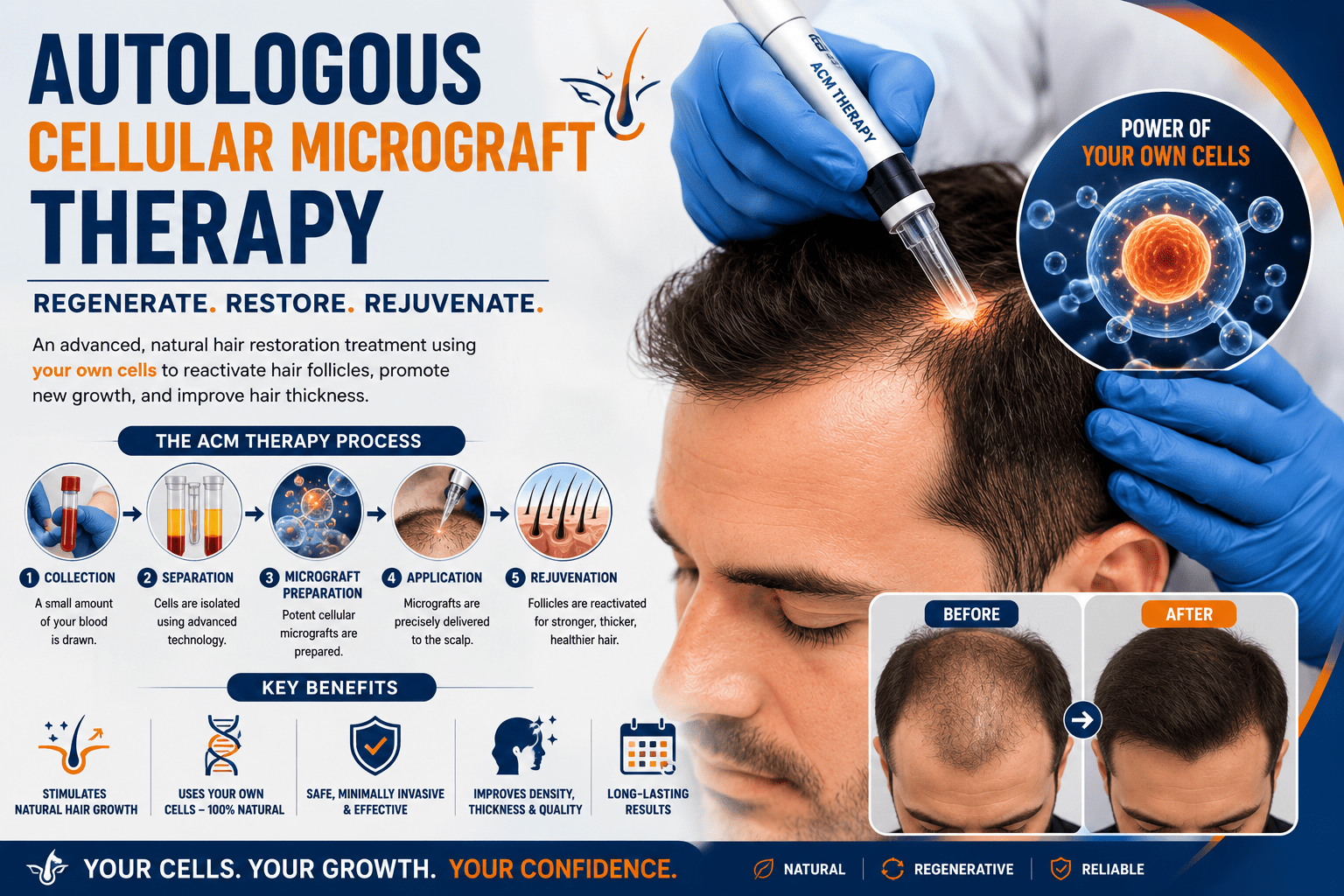
- Growth Factor Hair Therapy (GFC) and Autologous Cellular Micrograft Therapy, regenerative treatments that support scalp health and graft survival.
- Scar Hair Restoration, for scarring alopecia caused by autoimmune damage.
Consultation and Procedure Expectations
Consultations include assessing autoimmune disease status, scalp health, and hair loss pattern. Blood tests and specialist referrals may be needed. Treatment plans usually include:
- Choosing the transplant method, often FUE for its precision and minimal invasiveness.
- Using supportive therapies before and after transplant to prepare the scalp and aid healing.
- Postoperative care with medications and monitoring to manage possible autoimmune flare-ups.
Scheduling a consultation early is important to align treatment timing with disease control. Clinics typically require detailed medical history and recent lab reports to ensure safety and the best outcomes.
About the business
Alloroots is a doctor-led hair restoration clinic in India specializing in hair transplantation and hair loss treatments with personalized care. Led by Dr. Alok Kumar Sahoo (MD Dermatology, AIIMS New Delhi), the clinic offers FUE hair transplants, PRP, GFC, i-PRF, exosome therapy, and scalp micropigmentation. Treatment plans include options for patients with autoimmune conditions. Consultations are available in-clinic and online. More details at alloroots.com.
Ready to discuss your hair restoration plan with a specialist?
Consult UsFAQs
Frequently Asked Questions
1
Can patients with autoimmune conditions undergo hair transplant safely?
Yes, with careful assessment and disease control, hair transplant can be performed safely. A doctor-led evaluation is essential to determine individual suitability.
2
Which autoimmune conditions affect hair transplant outcomes?
Conditions like alopecia areata, lupus, and psoriasis can impact hair follicles and healing, influencing transplant success and requiring specialized care.
3
What types of hair transplant are recommended for autoimmune patients?
Follicular Unit Extraction (FUE) is preferred due to minimal invasiveness, combined with supportive therapies tailored to individual needs.
4
Are there non-surgical treatments to support hair restoration in autoimmune cases?
Yes, treatments like Growth Factor Concentrate (GFC) therapy and autologous cellular micrografts can improve scalp health and graft survival.
5
What should patients expect during a hair transplant consultation for autoimmune conditions?
They will undergo a thorough medical and scalp assessment, including autoimmune disease activity review, to develop a personalized treatment plan.
6
How does timing affect hair transplant success in autoimmune patients?
Undergoing transplant during periods of autoimmune disease remission improves outcomes and reduces risks of graft failure or complications.
Speak with our hair restoration specialists about your treatment options.
Book a Consultation View PricingPopular Searches
Hair Transplant in India for Lupus Patients
Hair Transplant in India for South Asian Patients
Hair Transplant in India for International Patients
Evidence-Based Hair Transplant Practices in India
Advanced Hair Transplant Techniques in India
Hair Transplant in India for Patients from Australia
Hair Transplants at Academic Hospitals in India
Hair Transplant in India for NRIs and Overseas Patients
Corrective Hair Transplant Procedures in India
Hair Transplant in India for Bangladeshi Patients
Hair Transplant Repair and Correction in India
Hair Transplant in India for Patients from USA
Hair Transplant in India for Light Skin Patients
Research-Backed Hair Transplants in India
Hair Transplant in India for Telugu Patients
Hair Transplant in India for African Patients