

Hair Transplant in India for Stable Hair Loss
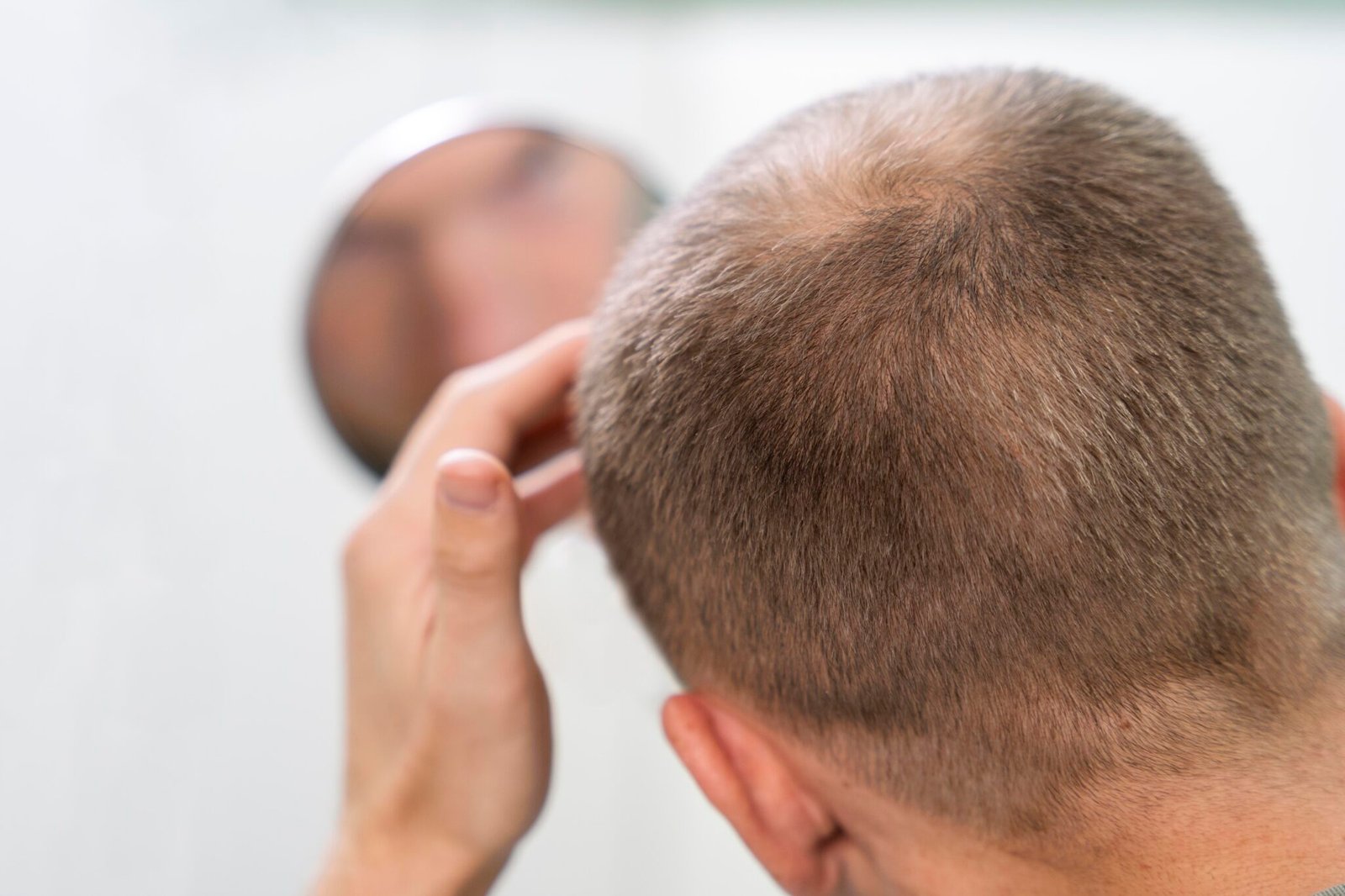
Hair transplant procedures in India offer personalized solutions for stable hair loss. Both male hair transplant and female hair transplant treatments are performed under medical supervision with tailored plans.

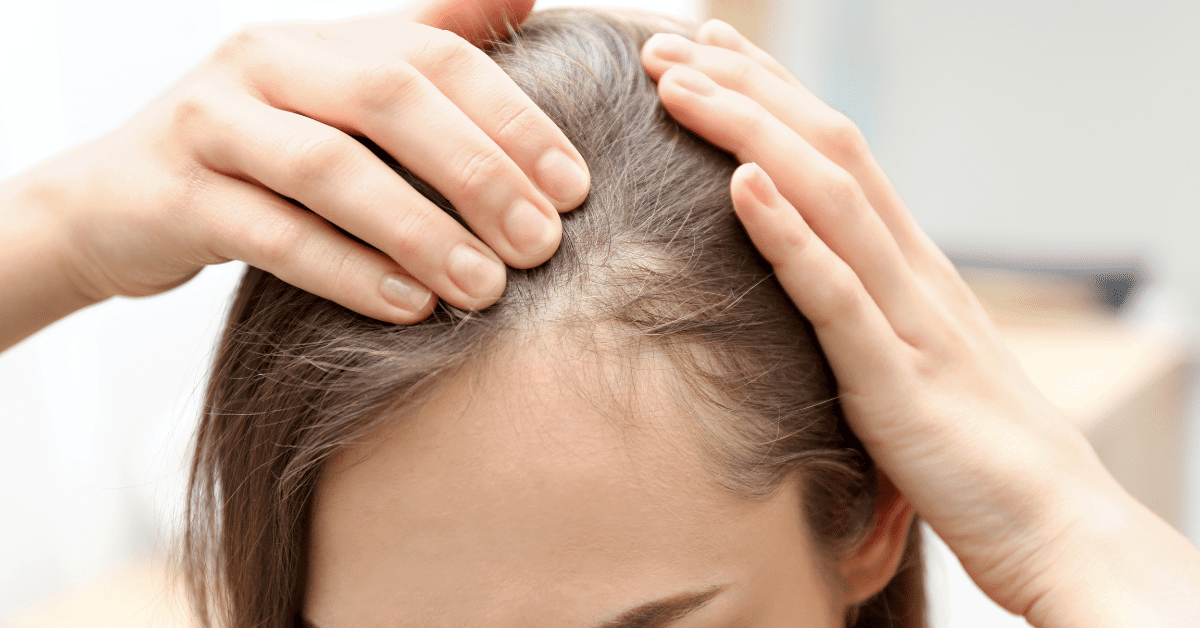



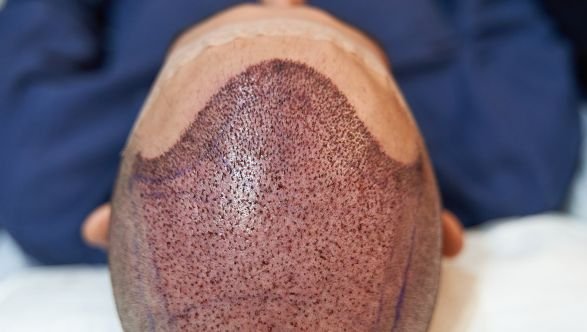

Understanding Hair Transplant Options for Stable Hair Loss
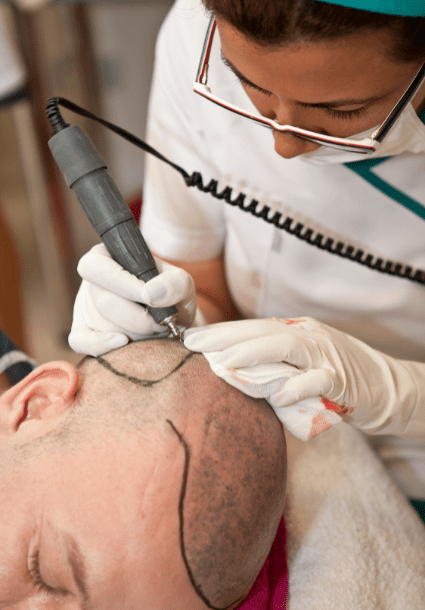
Follicular Unit Extraction (FUE) is the common technique used for stable hair loss. It involves extracting individual hair follicles from donor areas and implanting them into thinning or bald spots.
- Male Hair Transplant: FUE for men with androgenetic alopecia or other stable hair loss patterns.
- Female Hair Transplant: Customized FUE focusing on natural hairline restoration in women.
- Beard & Mustache Transplant: Facial hair restoration for patients with stable hair loss.
- Body Hair Transplant: Using body hair as donor follicles when scalp donor hair is limited.
Each procedure requires assessing donor area adequacy and confirming hair loss stability before treatment.
What to Expect During the Hair Transplant Process
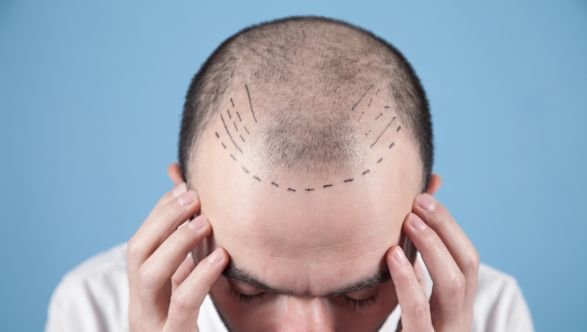
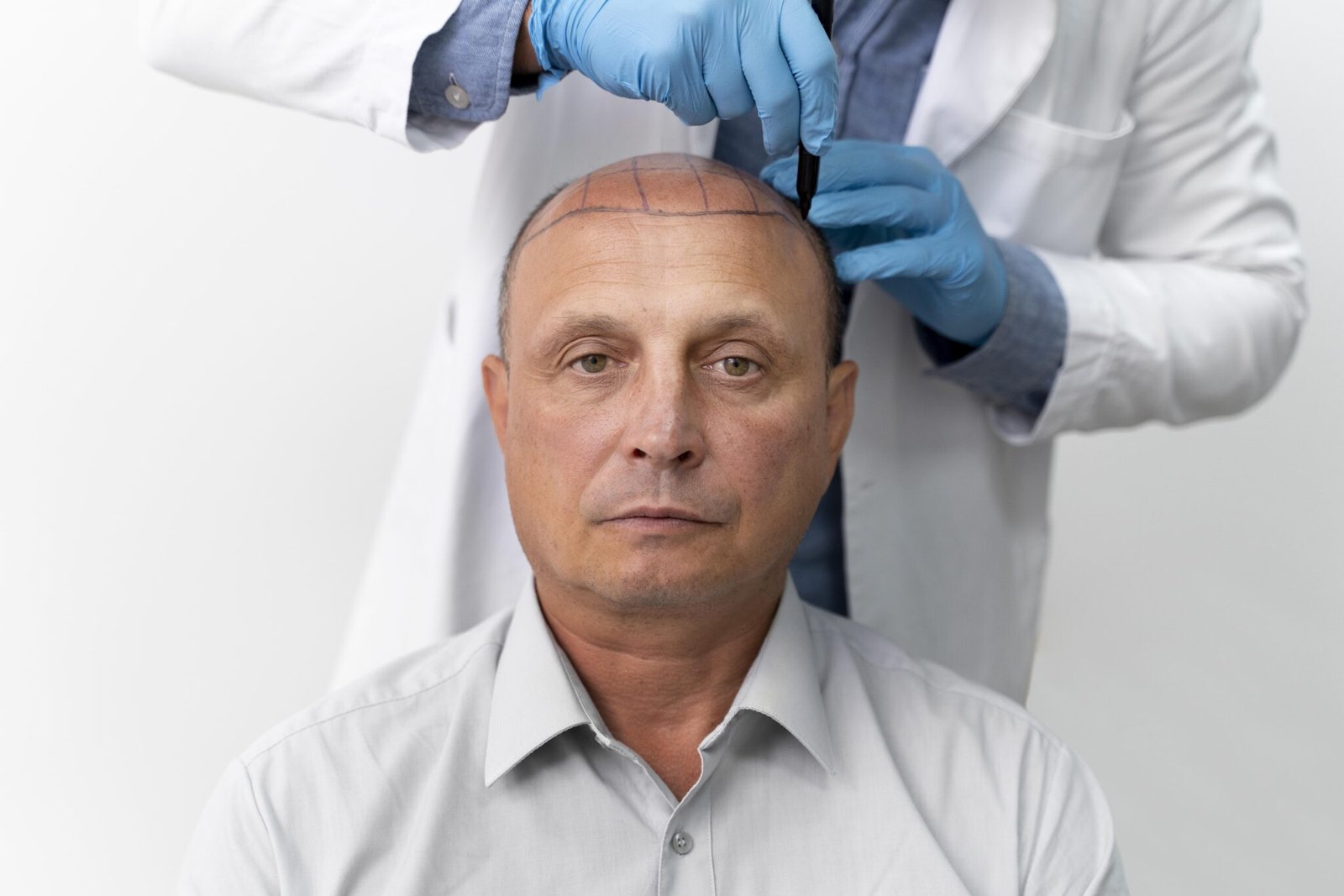
The initial consultation includes a medical evaluation to confirm stable hair loss and determine suitability. Planning maps donor and recipient areas and sets realistic expectations.
The FUE procedure is done under local anesthesia, usually in one day. Recovery involves mild swelling and redness; most patients resume normal activities within a week.
Hair growth from transplanted follicles develops gradually over several months. Patient privacy is maintained throughout, and results vary individually.
Complementary Treatments for Stable Hair Loss
Hair transplant can be combined with other treatments to support hair health and improve results. Options include:
- Male Hair Loss Treatment and Female Hair Loss Treatment offering medications and topical solutions for ongoing care.
- Growth Factor Hair Therapy (GFC), a regenerative treatment that stimulates follicles.
- Hair Mesotherapy, which delivers nutrient injections to improve scalp health.
About Alloroots
Alloroots is a doctor-led hair restoration clinic in India specializing in stable hair loss treatments. Led by Dr. Alok Kumar Sahoo (MD Dermatology, AIIMS New Delhi), the clinic offers personalized plans including FUE hair transplant, PRP, GFC, i-PRF, and exosome therapy. Alloroots prioritizes privacy and evidence-based care with in-clinic and online consultations. Visit Alloroots to learn more and schedule a consultation.
Ready to discuss your hair restoration plan with a specialist?
Consult UsFAQs
Frequently Asked Questions
1
What is stable hair loss and why is it important for hair transplant?
Stable hair loss means the hair loss pattern has slowed or stopped, which is important to ensure transplanted hair lasts and the procedure is effective.
2
How long does a hair transplant procedure take in India?
A typical FUE hair transplant takes one day to complete, depending on the number of grafts needed and the individual treatment plan.
3
Can women with stable hair loss get a hair transplant?
Yes, women with stable hair loss can undergo female hair transplant procedures customized to their pattern and donor hair availability.
4
What are the risks or side effects of hair transplant surgery?
Common side effects include mild swelling, redness, and temporary discomfort. Serious risks are rare when done under expert care.
5
Are there non-surgical options to complement hair transplant?
Yes, treatments like Growth Factor Therapy (GFC), hair mesotherapy, and medications can support hair health alongside transplant.
6
How soon will I see results after a hair transplant?
Transplanted hair growth usually begins around 3 to 4 months post-procedure, with noticeable improvement by 9 to 12 months.
Speak with our hair restoration specialists about your treatment options.
Book a Consultation View PricingPopular Searches
Hair Transplant in India for Wavy Hair
Hair Transplant in India for Pakistani Patients
Hair Transplant Maintenance Plans in India
Hair Transplant in India for Tamil Patients
Hair Transplant in India for International Patients
Hair Transplant in India for Dark Skin Patients
Hair Transplant in India for South Asian Patients
Hair Transplant Medication Plans in India
Hair Transplant in India for Patients from UAE
Hair Transplant in India for African Patients
Hair Transplant in India for Middle Eastern Patients
Affordable Hair Transplant in India
Hair Transplant in India for Black Hair
Hair Transplant in India for Different Skin Types
Hair Transplant in India for Nepali Patients
Hair Transplant in India for Telugu Patients