

Hair Transplant Medication Plans in India
At Alloroots, Dr. Alok Kumar Sahoo (MD Dermatology, AIIMS New Delhi) offers hair transplant medication plans that combine surgical options like male hair transplant or female hair transplant with prescribed medications and regenerative therapies. Each plan is based on a medical assessment of hair loss pattern, scalp health, donor density, age, and restoration goals. Consultations are available in-clinic or online for patients across India, with privacy protected at all stages.
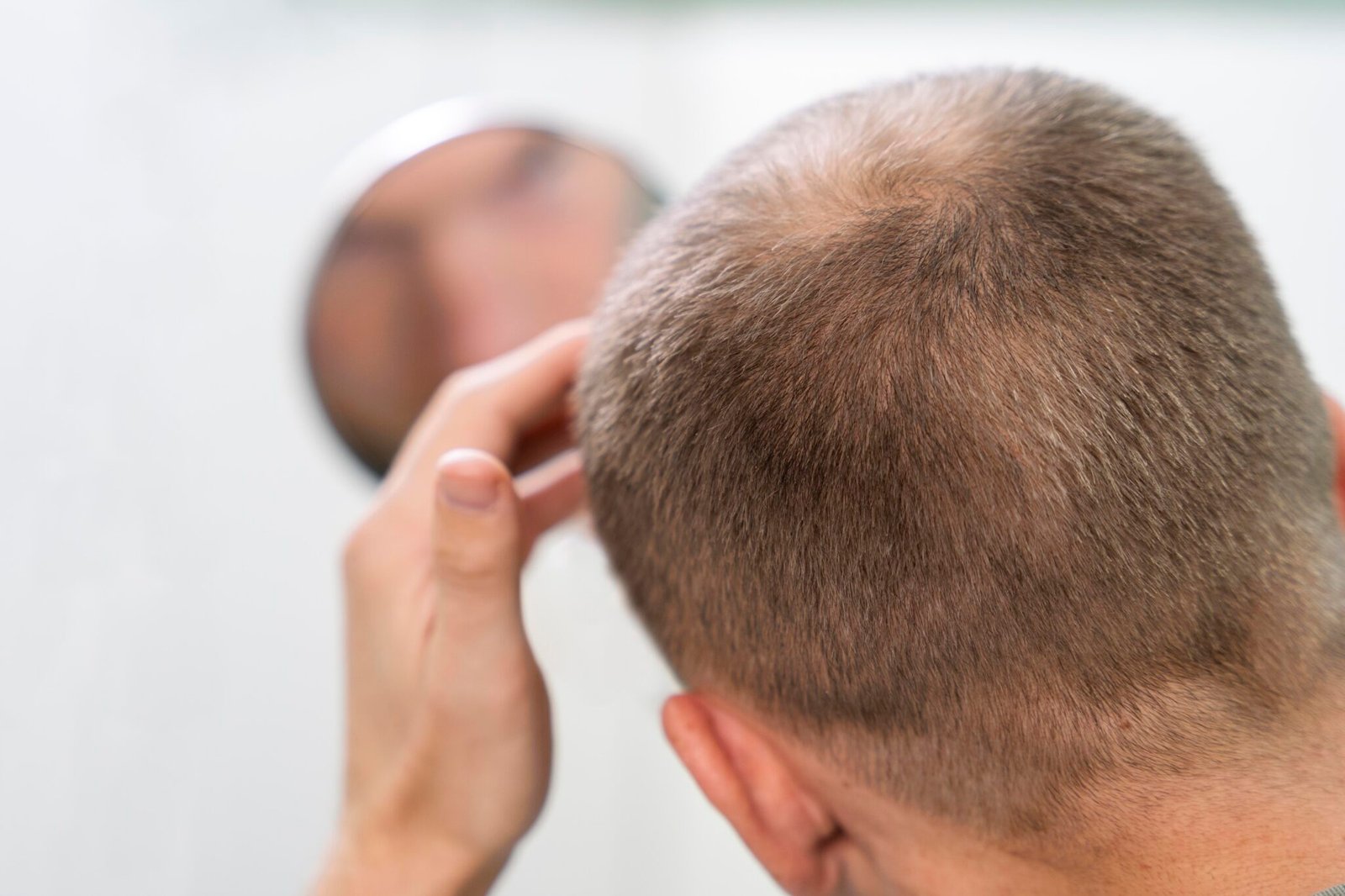

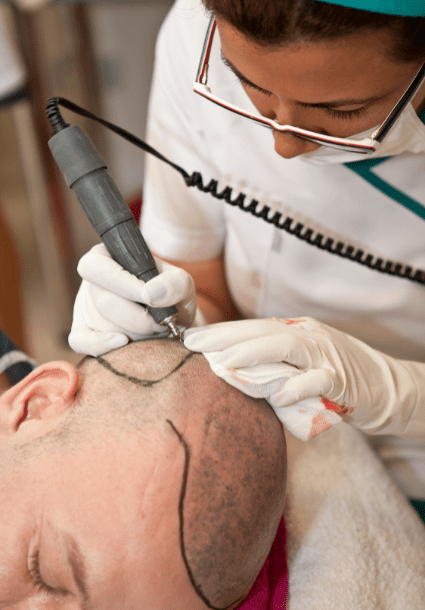
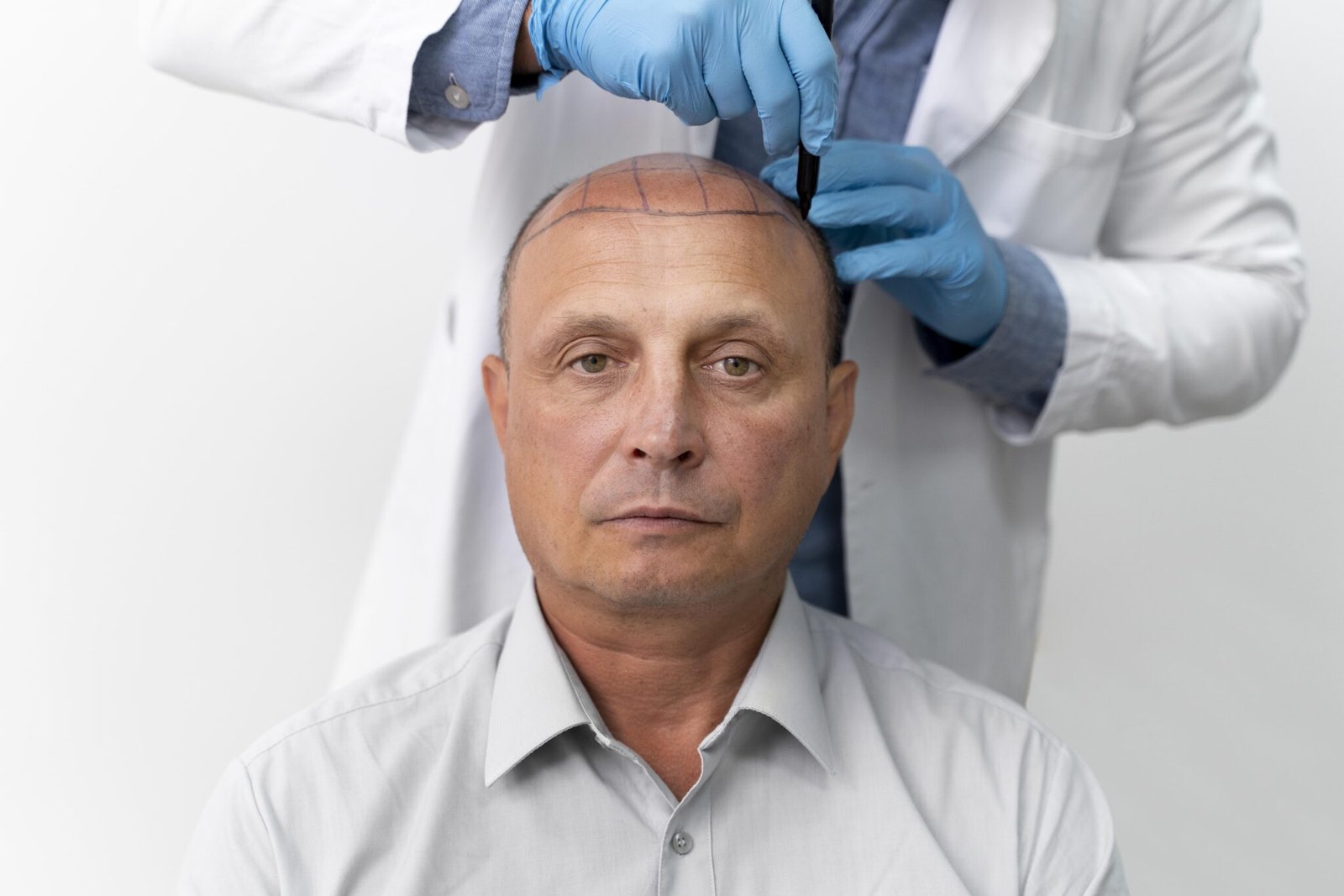
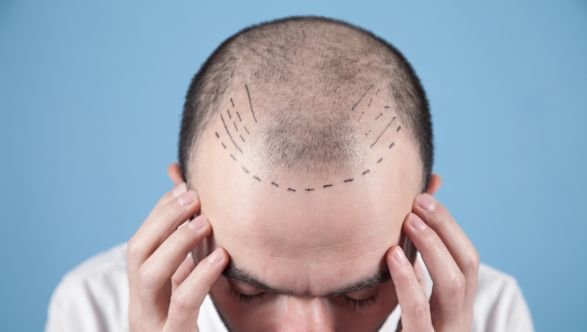

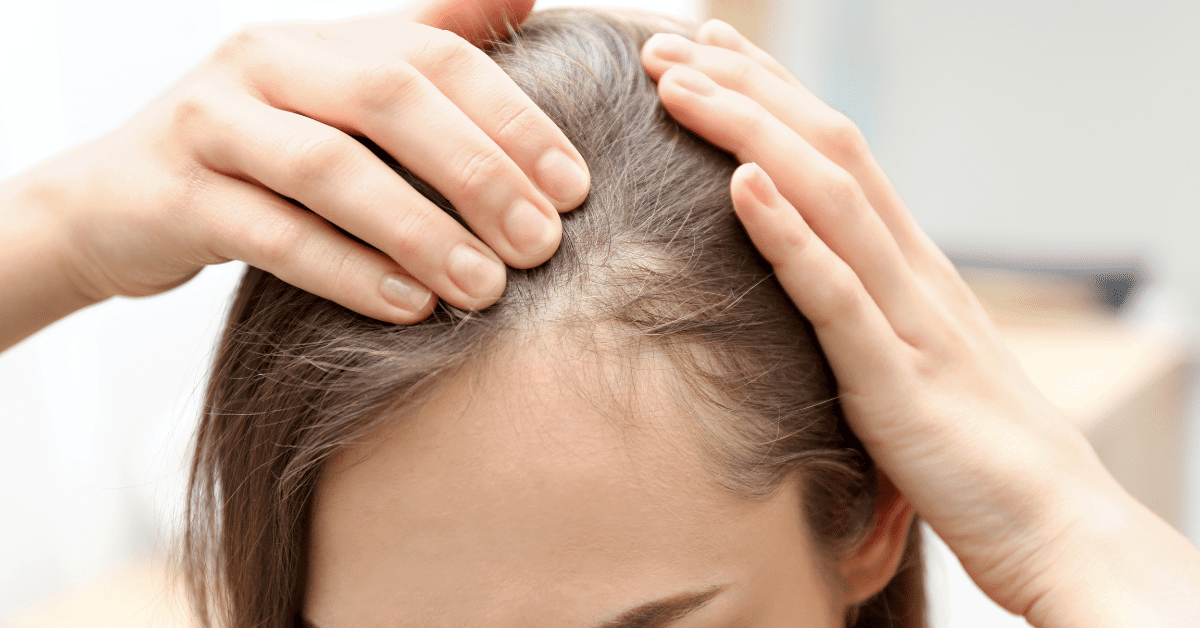

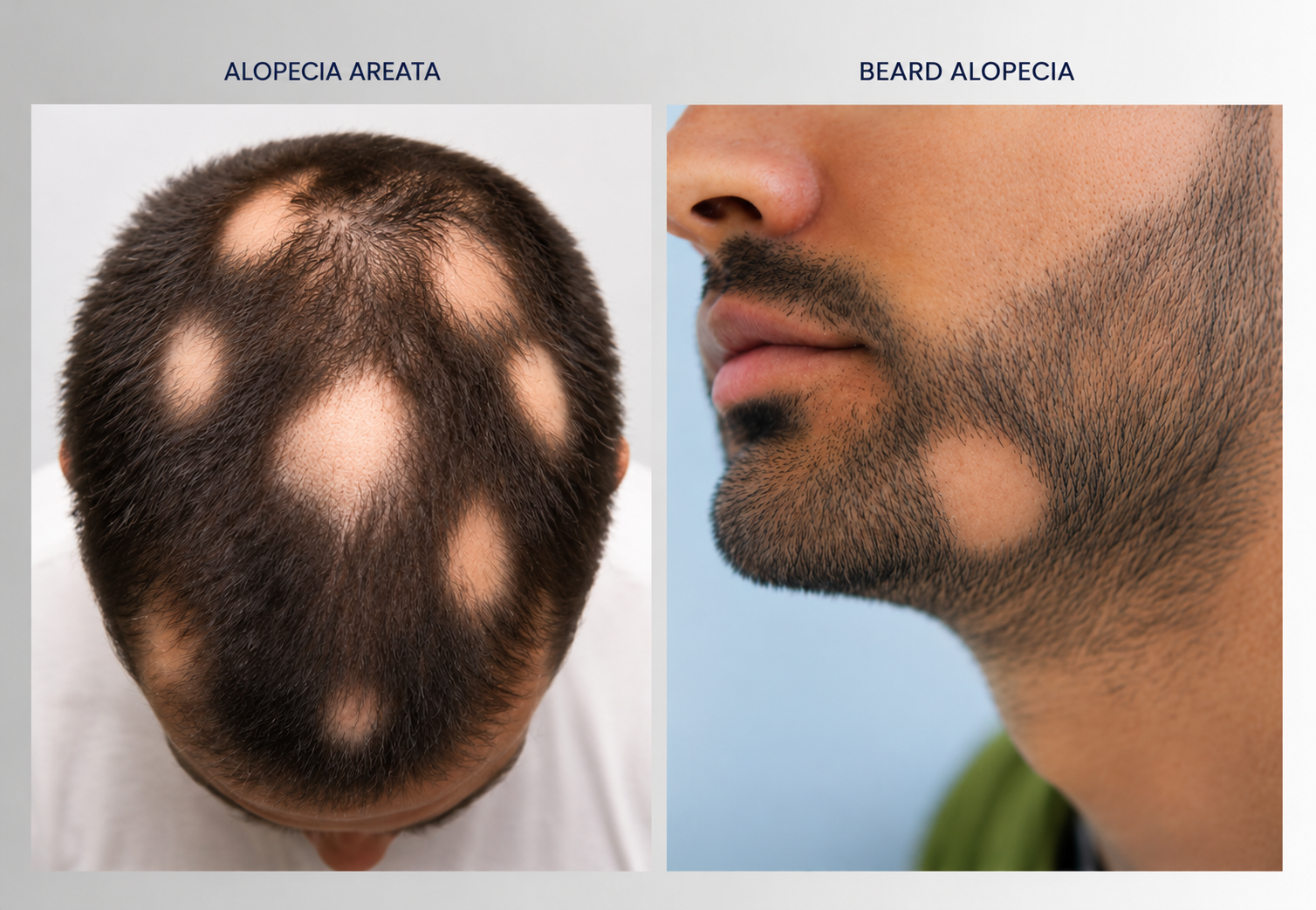

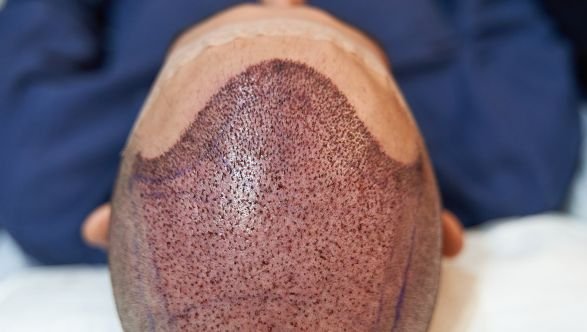

Medication-inclusive Hair Transplant Plans in India
Medications can help maintain native hair and support healing. After examination, the doctor may recommend:
- Finasteride (oral or topical) for male pattern hair loss.
- Minoxidil (topical or oral) to preserve density in non-transplanted areas.
- Low Level Laser Therapy devices for scalp stimulation.
- PRP or i-PRF injections for healing and graft support.
- Growth Factor Concentrate (GFC) for follicle activation.
These treatments may be combined with FUE, long hair FUE, or corrective procedures. A hair transplant repair & correction plan can also include medication for longer-term results.
Choosing the Right Treatment Mix
The mix depends on diagnosis and whether hair loss is stable or progressive. Progressive cases often need ongoing medication alongside surgery, while stable cases may focus on graft placement. Regenerative treatments such as growth factor therapy or mesotherapy can be added for scalp health. Plans vary for men and women, reflecting hormonal influence and hair loss patterns.
- Male pattern hair loss: finasteride and minoxidil are common.
- Female pattern hair loss: topical minoxidil, nutrition review, and hormone checks may be suggested.
- Scar restoration: medication can improve density around treated areas.
Patients discuss timing, dosage, and potential side effects directly with the prescribing doctor. Progress photos are shared only with patient consent.
Scheduling and Follow-up
Plans typically run in phases: pre-surgery medication to stabilise hair loss, surgery, and post-surgery maintenance. Early follow-ups may be monthly, moving to quarterly. Online reviews of scalp images reduce travel for distant patients. Booking a month before surgery allows time for pre-treatment. For in-clinic visits, bring recent lab results and arrive 15 minutes early.
About Alloroots
Alloroots is a doctor-led hair restoration clinic in India, headed by Dr. Alok Kumar Sahoo (MD Dermatology, AIIMS New Delhi). Services include personalised diagnosis, natural hairline design, advanced FUE-based transplants, and regenerative treatments. Consultations are available in-clinic or online nationwide. The clinic follows strict safety protocols, sets realistic expectations, and keeps patient data and images private, sharing before-and-after examples only with consent. Learn more at Alloroots.
Ready to discuss your hair restoration plan with a specialist?
Consult UsFAQs
Frequently Asked Questions
1
What medications are commonly used in hair transplant plans?
Finasteride and minoxidil are most common, with regenerative injections like PRP or GFC added based on the doctor's assessment.
2
Can medication alone restore hair without transplant?
Medication may slow hair loss and promote regrowth in some cases, but it cannot replace lost follicles, which require transplant surgery.
3
Is finasteride safe for women?
Finasteride is generally not prescribed for women of childbearing age due to potential risks; alternatives are considered in female patients.
4
How long should I use minoxidil after a transplant?
Duration varies, but many patients use it for at least 6-12 months post-transplant to support native hair and reduce shedding.
5
Do regenerative therapies replace medication?
They do not replace medication but may complement it, enhancing scalp health and graft survival after surgery.
6
Can I start medication before deciding on surgery?
Yes, doctors often recommend starting medication before surgery to stabilize hair loss and improve surgical outcomes.
Speak with our hair restoration specialists about your treatment options.
Book a Consultation View PricingPopular Searches
Hair Transplant Maintenance Plans in India
Hair Transplant Consultation in India
Medications After Hair Transplant Surgery in India
Hair Transplant Insurance in India
Hair Transplant in India for Gujarati Patients
Personalized Hair Transplant Care in India
Hair Transplant Checklist for Patients in India
Your Hair Transplant Patient Journey in India
Hair Transplant Solutions for South Indian Patients
Hair Transplant Medical Tourism Packages in India
Hair Transplant Financing Options in India
Hair Transplant Solutions for Gujarati Patients in India
Understanding Hair Transplant Contracts in India
Hair Transplant Travel and Stay Packages in India
Hair Transplant in India for Patients from USA
Meet the Hair Transplant Team in India