
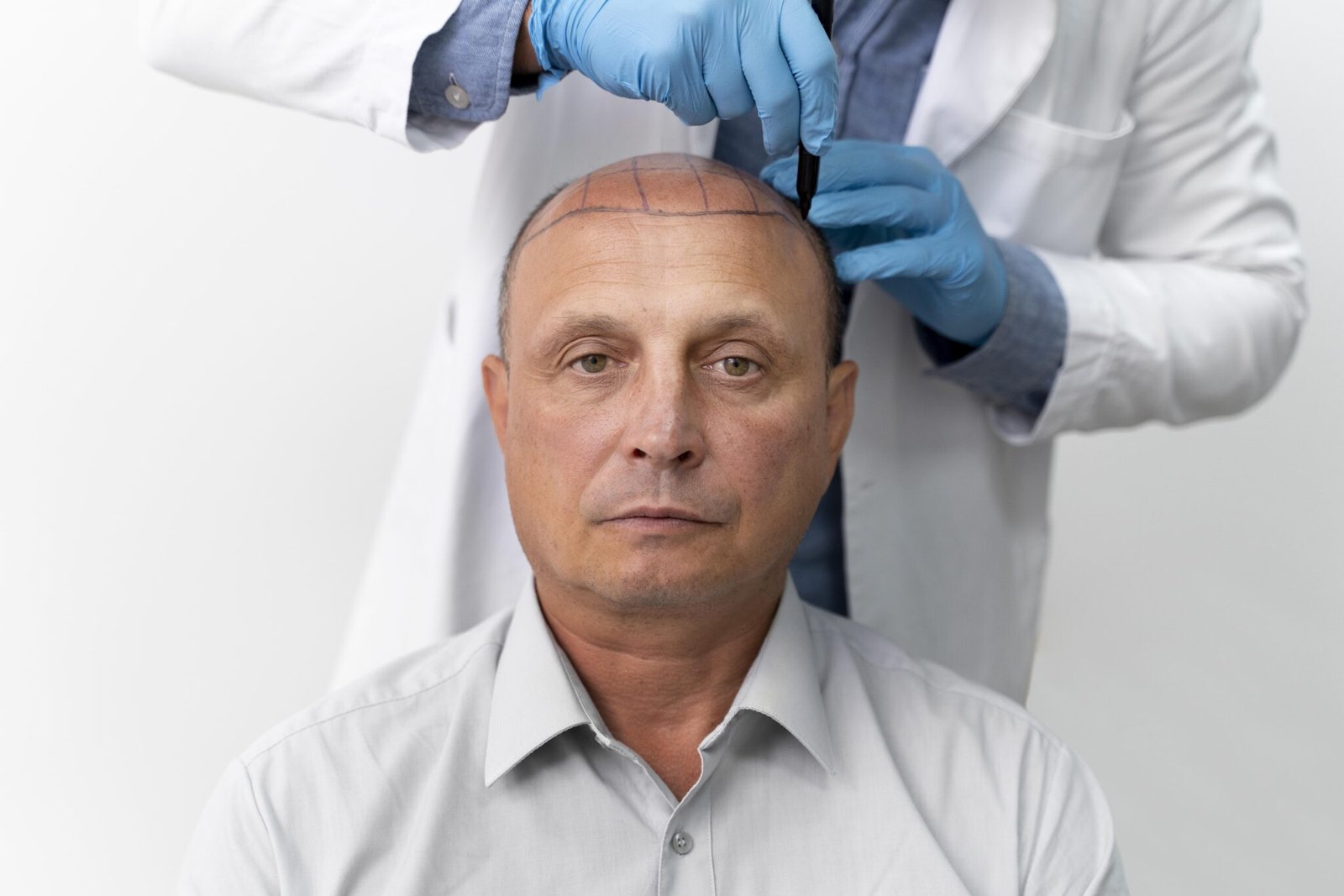
Hair Transplant Side Effects India
Hair transplant side effects in India are usually mild and manageable when done by qualified specialists. Common procedures like Male Hair Transplant and Female Hair Transplant use personalized treatment plans to reduce risks based on each patient’s needs.



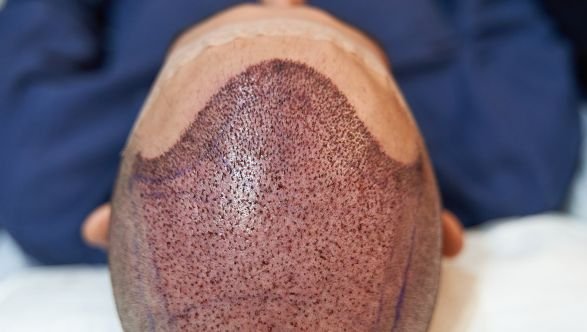


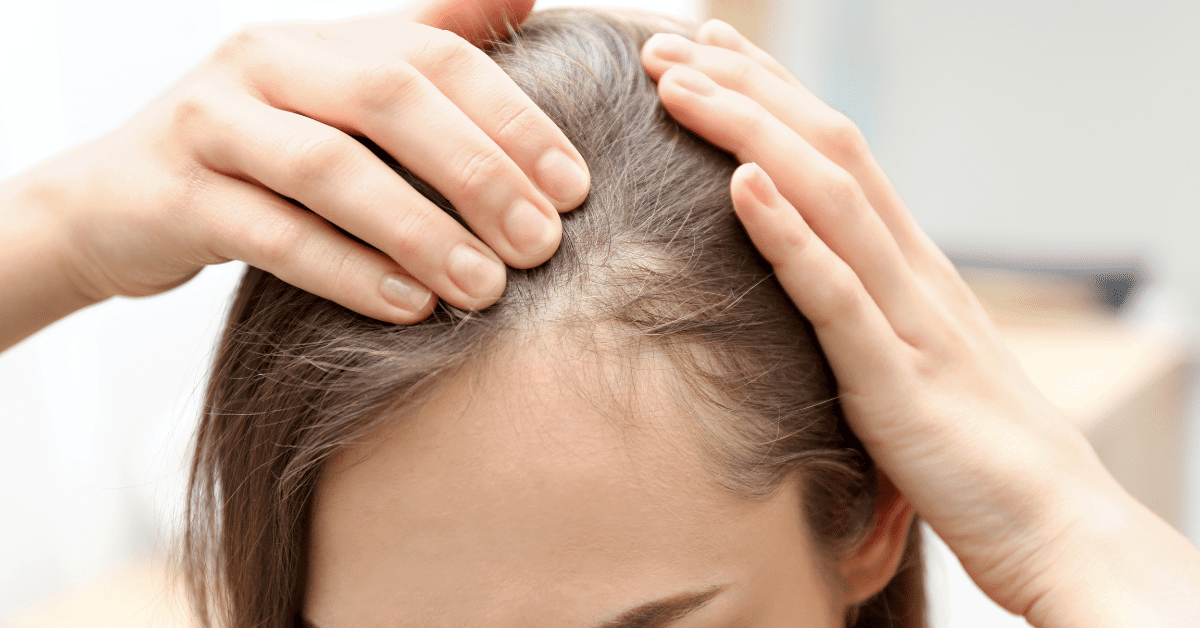

Common Hair Transplant Side Effects in India
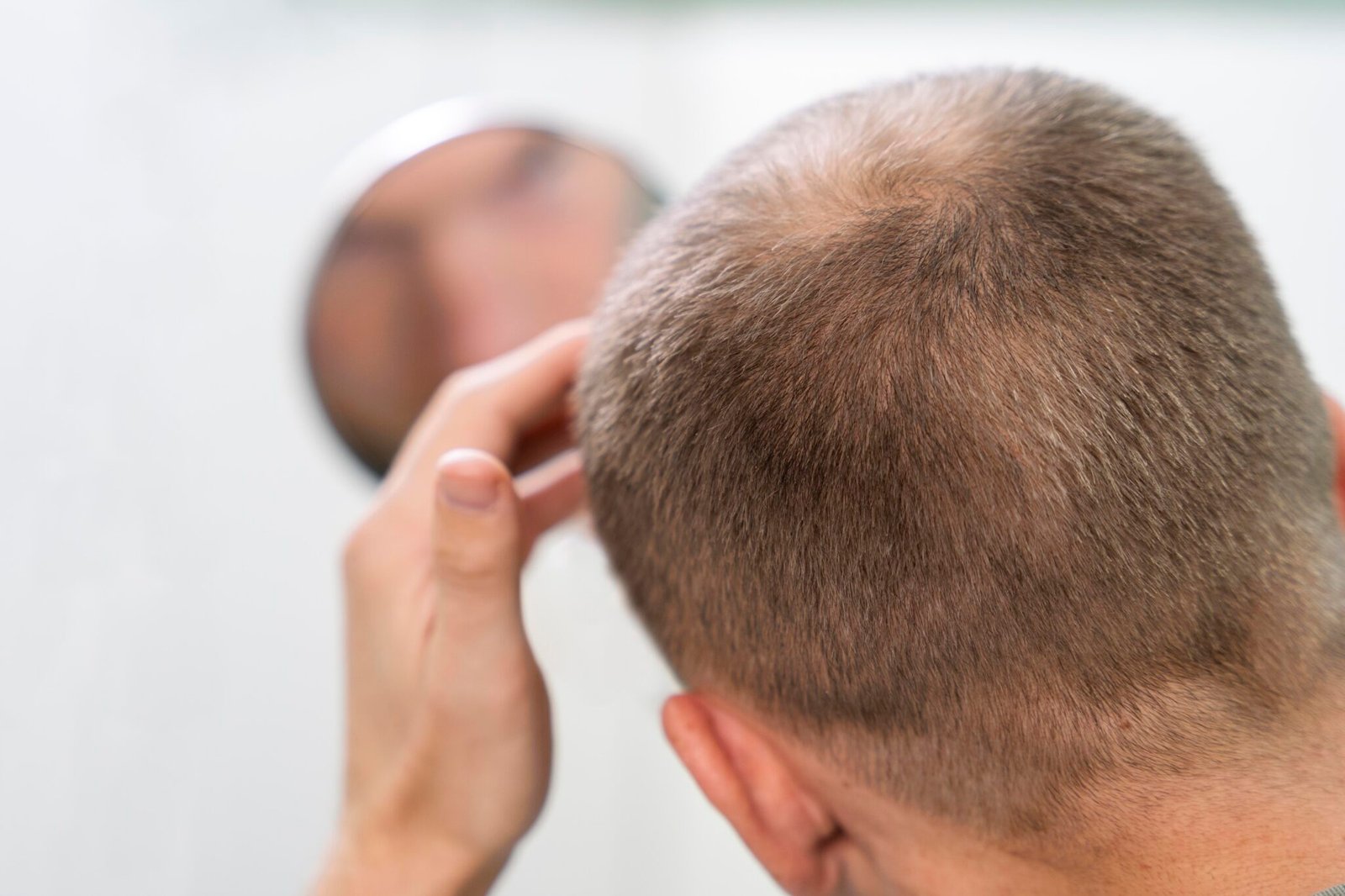
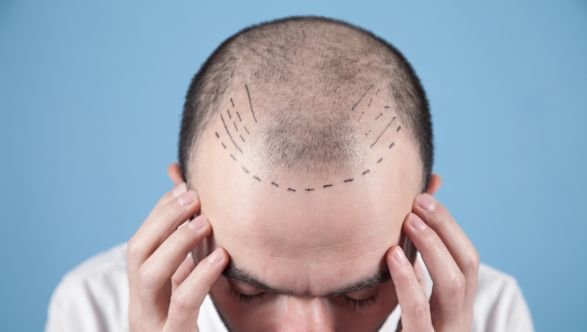
After a hair transplant, you may experience:
- Swelling of the scalp and forehead for 2-4 days
- Redness and scabbing around transplanted follicles
- Mild pain or itching in donor and recipient areas
- Temporary numbness or tingling from nerve irritation
- Shock loss, or temporary thinning of nearby existing hair
- Rarely, infection or folliculitis if post-op care is poor
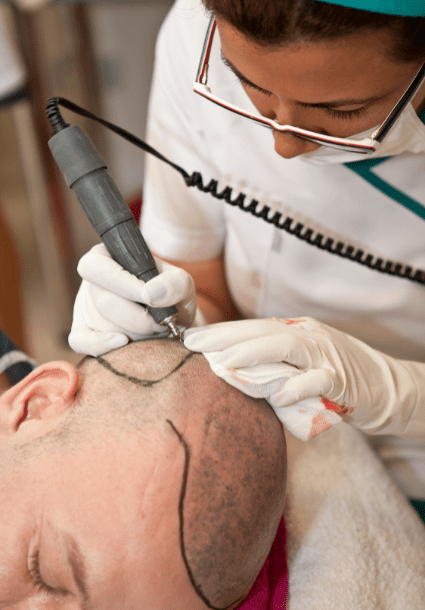
Follicular Unit Extraction (FUE) is commonly used in India because it causes minimal scarring and allows faster recovery.
Managing and Minimizing Side Effects
Follow your doctor’s pre- and post-op instructions carefully. Common advice includes:
- Taking prescribed antibiotics or anti-inflammatory drugs to prevent infection and reduce swelling
- Keeping the scalp clean and handling transplanted areas gently
- Avoiding heavy physical activity during early healing
- Attending follow-up visits to check healing and hair growth
Procedures like Hairline Design & Restoration and Hair Transplant Repair & Correction can fix aesthetic issues or complications from side effects.
When to Seek Medical Advice
Most side effects resolve on their own, but contact your doctor if you have:
- Excessive bleeding or swelling lasting more than a week
- Signs of infection like pus, severe pain, or fever
- Unexpected allergic reactions to medications
Prompt medical attention improves recovery and prevents complications. Doctor-led clinics in India offer personalized care tailored to each patient.
About Alloroots
Alloroots is a doctor-led hair restoration clinic in India, headed by Dr. Alok Kumar Sahoo (MD Dermatology, AIIMS New Delhi). They provide personalized plans including FUE hair transplant, female hair loss treatment, PRP, Growth Factor Concentrate (GFC), i-PRF, exosome therapy, and scalp micropigmentation. Alloroots also offers specialized services such as Eyebrow Transplant and Beard & Mustache Transplant. Consultations are available in-clinic and online for privacy and convenience. Visit Alloroots.com for details.
Ready to discuss your hair restoration plan with a specialist?
Consult UsFAQs
Frequently Asked Questions
1
What are the most common side effects of a hair transplant in India?
Common side effects include swelling, redness, mild pain, itching, scabbing, temporary numbness, and shock loss of nearby hair.
2
How long do hair transplant side effects typically last?
Most side effects such as swelling and redness resolve within 1 to 2 weeks, while some mild itching may last a bit longer.
3
Can infections occur after a hair transplant procedure?
Infections are rare but possible if post-operative care is not followed. Signs include pus, severe pain, and fever, which require prompt medical attention.
4
How can I reduce the risk of side effects after a hair transplant?
Following your doctor's care instructions, keeping the scalp clean, avoiding strenuous activity, and taking prescribed medications reduce side effect risks.
5
Are there treatments to fix side effects or complications from hair transplants?
Yes, procedures like Hair Transplant Repair & Correction can address complications or aesthetic issues caused by side effects.
6
When should I contact a doctor about hair transplant side effects?
Contact a doctor if you experience excessive swelling, prolonged bleeding, signs of infection, or allergic reactions after your procedure.
Speak with our hair restoration specialists about your treatment options.
Book a Consultation View PricingPopular Searches
Hair Transplant Side Effects
Hair Transplant in India: Procedures and Benefits
Hair Transplant Contraindications in India
How Smoking Affects Hair Transplant Results in India
Your Hair Transplant Patient Journey in India
Treating Hair Transplant Complications in India
Risks of Hair Transplant Surgery in India
Is Hair Transplant Painful in India?
Hair Transplant Before and After Results in India
Combine Your India Family Visit with a Hair Transplant
Hair Transplant Touch-Up Procedures in India
Complete Hair Transplant Patient Journey in India
Hair Transplant Repair and Correction in India
Hair Transplant in India Combined With Holidays
Hair Transplant in India for Patients from USA
Hair Transplant in India for South Asian Patients