

Hair Transplant Techniques for Indian Hair Types
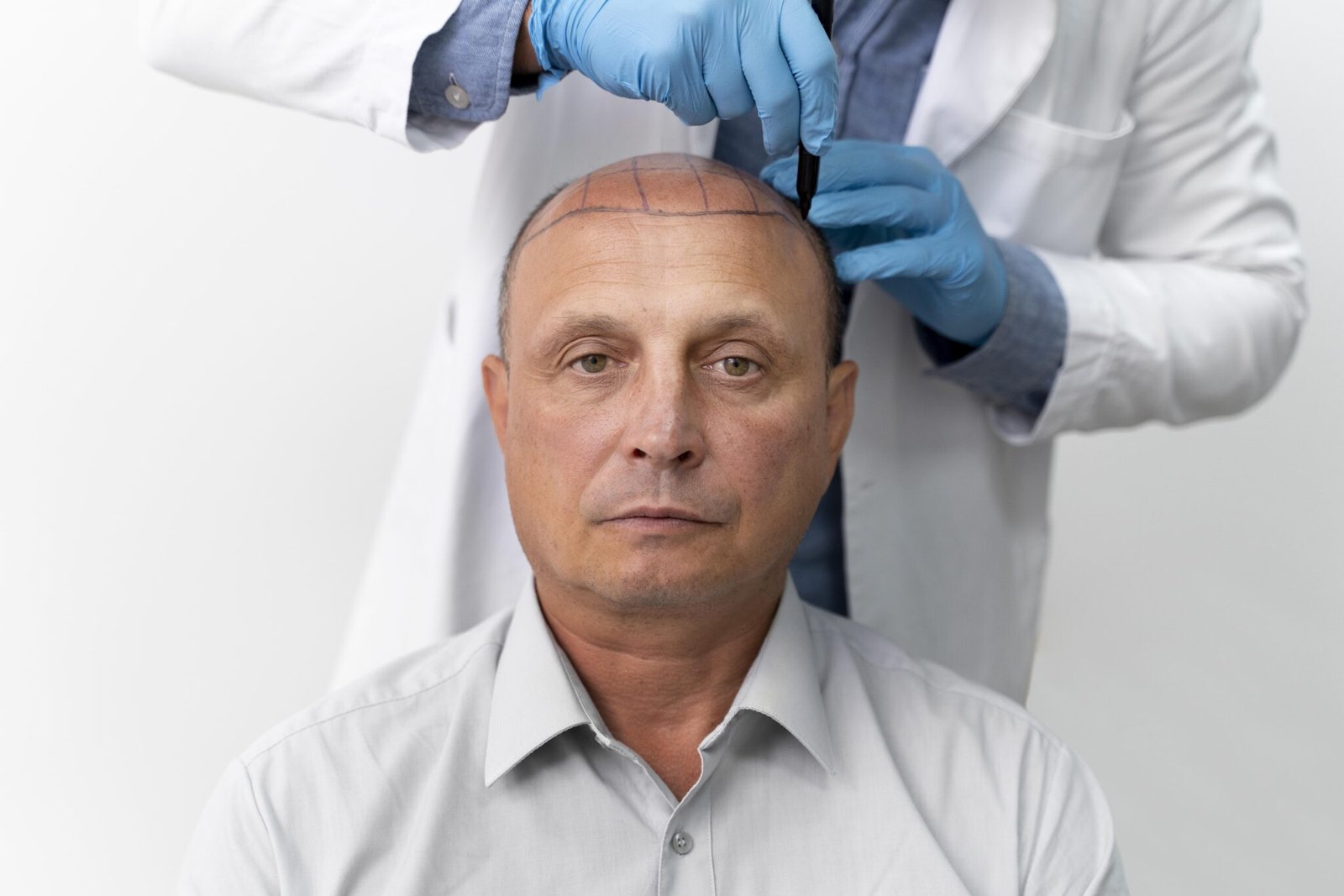
At Alloroots, hair transplant techniques are tailored for Indian hair texture, density, and growth patterns. Services like male hair transplant and female hair transplant begin with an assessment by Dr. Alok Kumar Sahoo. The choice of method depends on scalp health, donor hair quality, and preferred hairline design. Before/after images are shared only with consent, and outcome expectations are discussed clearly.
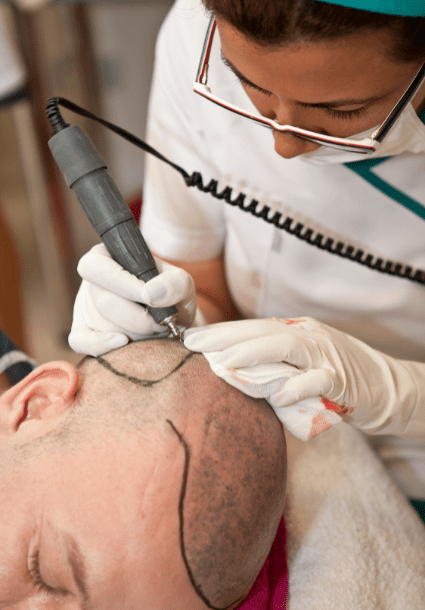

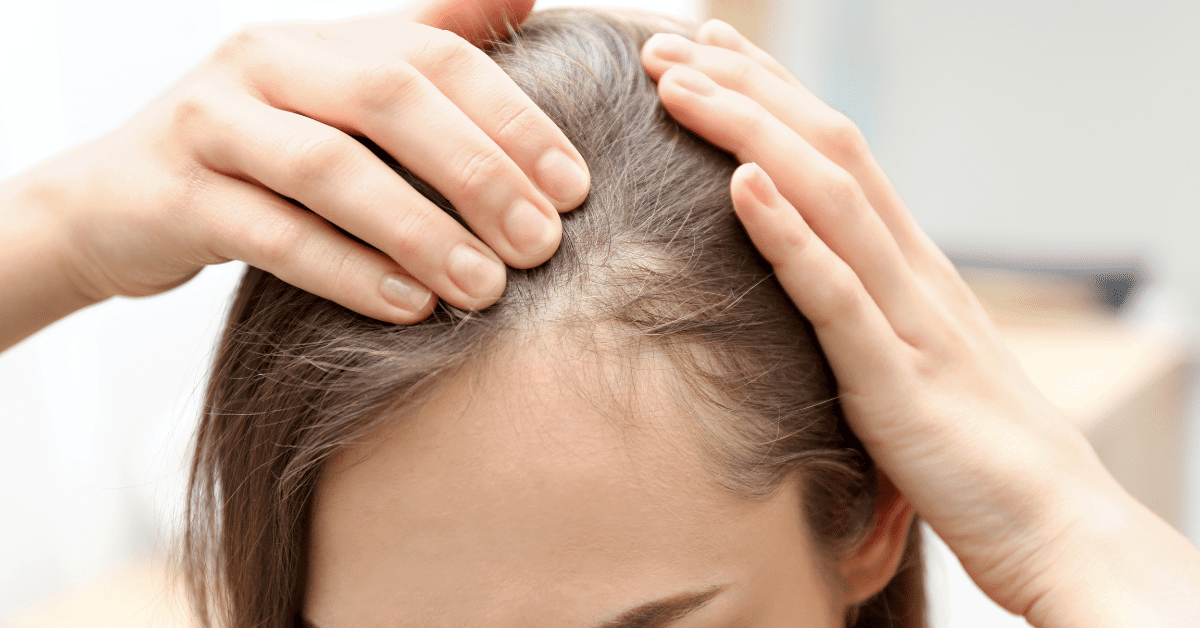
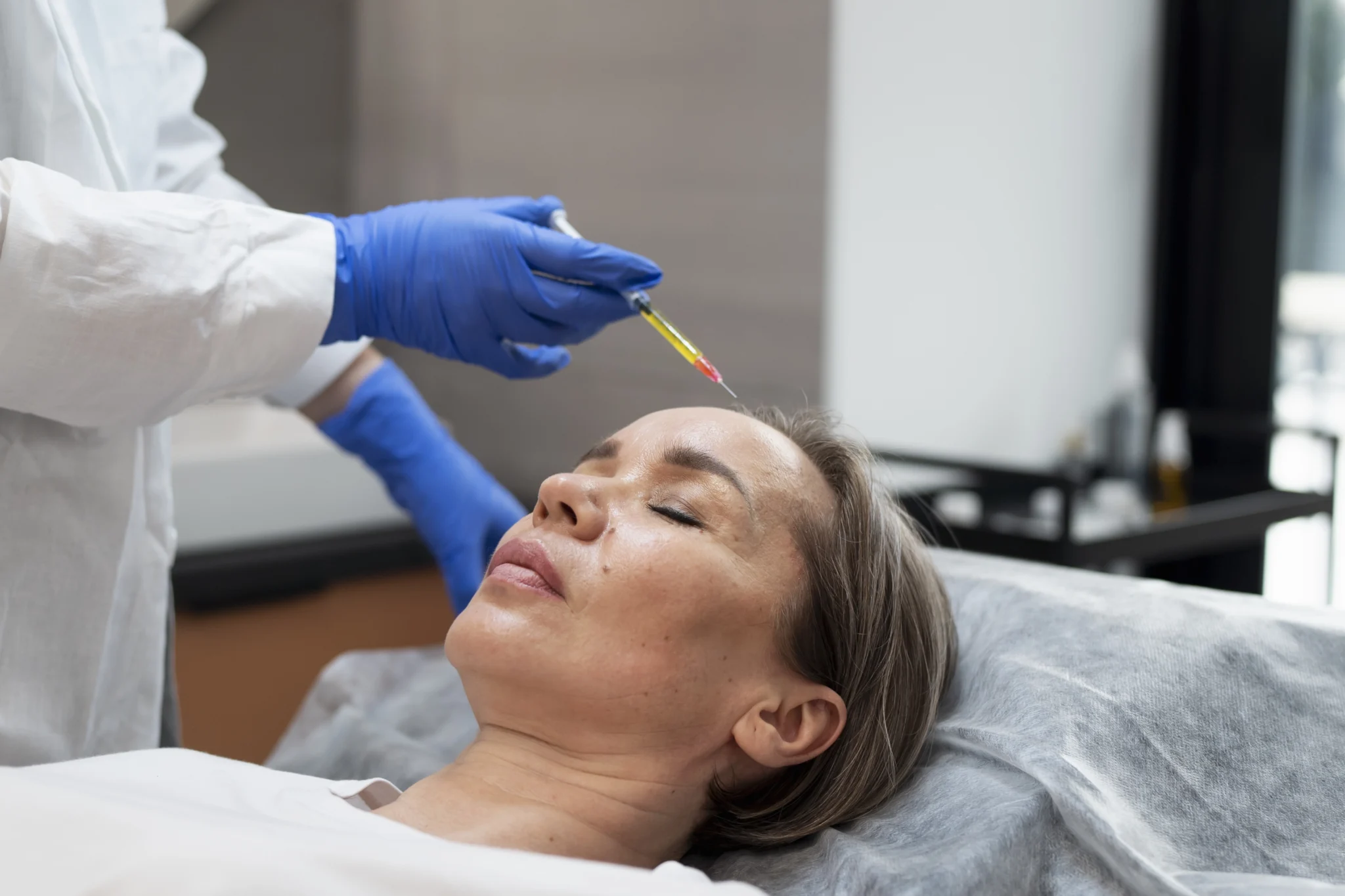

Key Surgical Methods Used in India
Common techniques include:
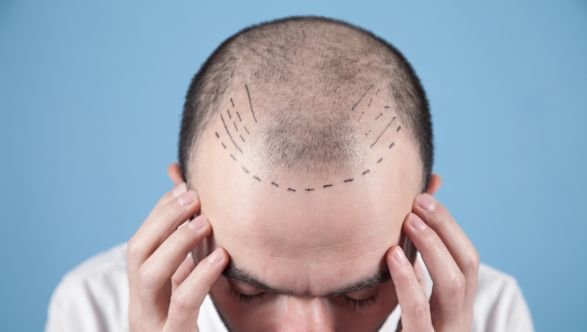
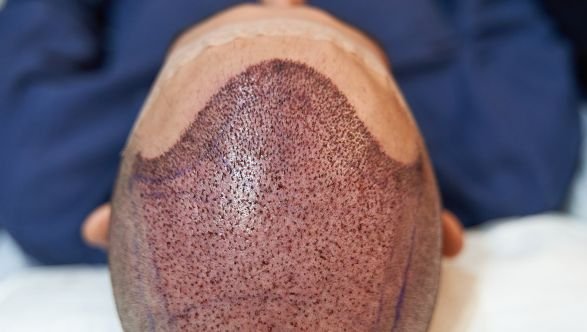
- FUE (Follicular Unit Extraction): individual graft removal, minimal scarring, suited for detailed hairline work.
- FUT (Follicular Unit Transplantation): strip harvesting, can yield more grafts in one session.
- DHI (Direct Hair Implantation): grafts implanted directly with pens, short handling time.
- Sapphire FUE: recipient sites made with sapphire blades for precision and reduced tissue trauma.
- Long Hair FUE: transplant without shaving donor hair, blends quickly with existing styles.
The chosen method is matched to donor area size, curl pattern, and recovery needs.
Adjusting Techniques for Indian Hair Characteristics
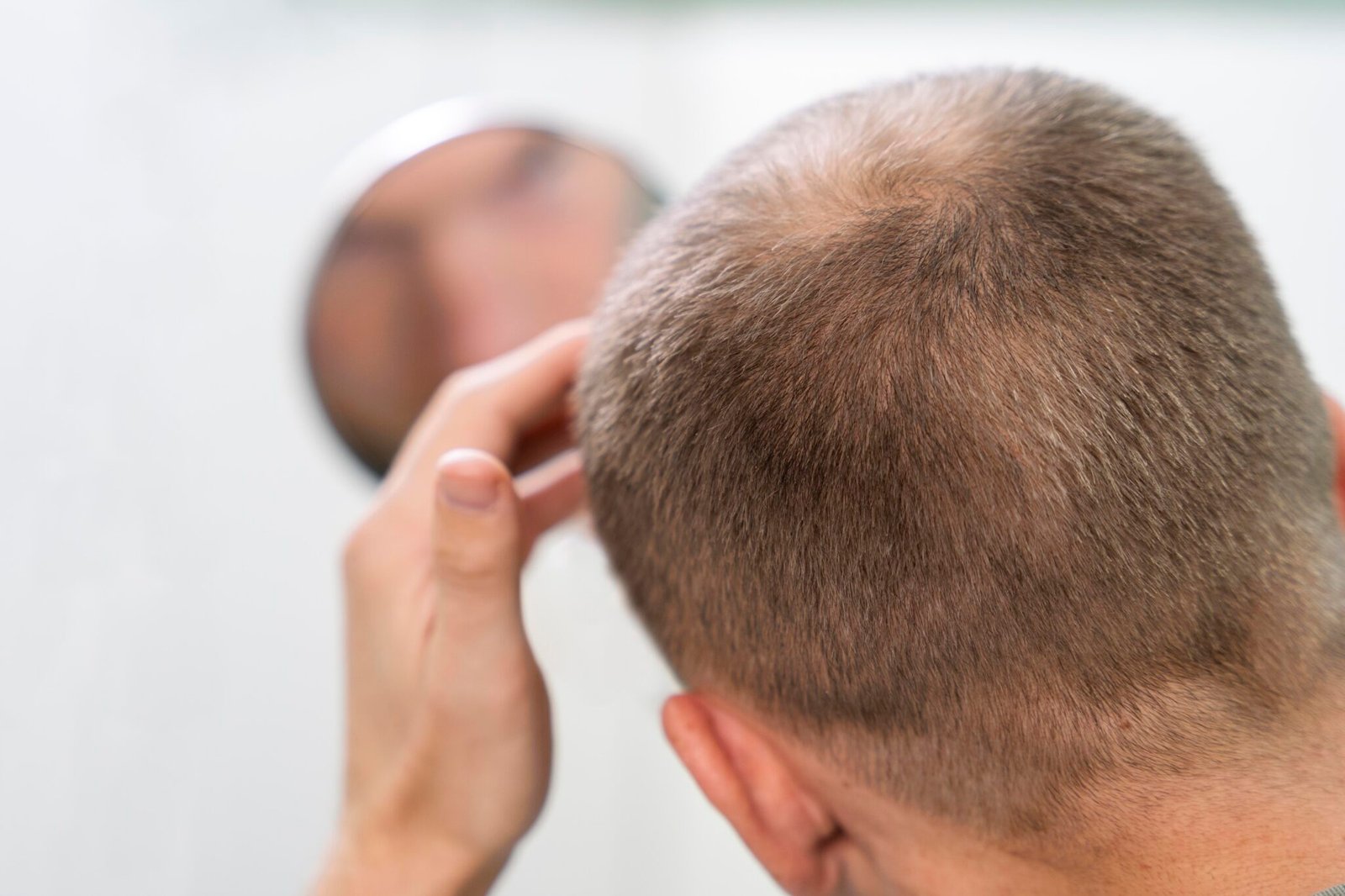
Indian hair often has thicker shafts, moderate curl, and higher density. Curl patterns need careful alignment during implantation for a natural look. Coarse hair can achieve coverage with fewer grafts; finer hair may require denser packing. Hairline design & restoration shapes temple and frontal contours to suit patient preferences and ethnic norms.
Hair transplant repair & correction addresses results from earlier procedures, fixing angle mismatches or uneven density. Patient images are shared only with permission.
Supportive Treatments and Scalp Care
Non-surgical treatments can enhance transplant results or slow hair loss. Options include:
- Growth Factor Concentrate (GFC) therapy: concentrated growth factors applied to scalp.
- PRP or i-PRF: platelet-based injections to stimulate follicles.
- Mesotherapy: microinjections of nutrients and peptides.
- Low-Level Laser Therapy (LLLT): light stimulation for hair cycle support.
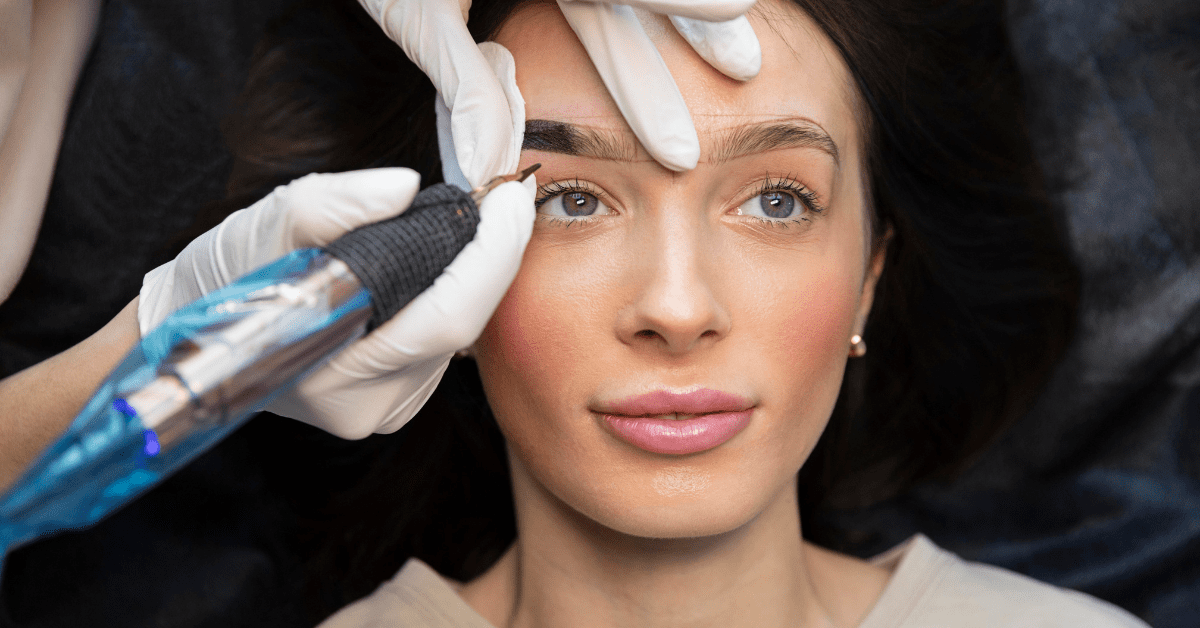
- Scalp Micropigmentation (SMP): pigment applied for visual density.
- Emerging methods: exosome therapy, stromal vascular fraction (SVF), autologous cellular micrografts.
Selection is based on clinical evaluation and can be integrated with transplant plans for long-term care. Booking is available in-clinic or online through Alloroots.
About Alloroots
Alloroots is a doctor-led hair restoration clinic in India, headed by Dr. Alok Kumar Sahoo (MD Dermatology, AIIMS New Delhi). Services include surgical hair transplantation, regenerative trichology, and non-surgical treatments. Privacy, safety, and evidence-based care guide all procedures. Learn more at Alloroots.
Ready to discuss your hair restoration plan with a specialist?
Consult UsFAQs
Frequently Asked Questions
1
Which hair transplant method suits coarse Indian hair?
FUE or FUT can work well, with graft placement angles adjusted for thicker shafts and curl patterns to achieve a natural appearance.
2
Is DHI better for Indian hair types?
DHI may help with precise angle control and reduced handling time, but suitability depends on donor area and desired result.
3
Can long hair FUE be done without shaving?
Yes, long hair FUE allows graft harvesting without shaving, offering immediate blending with existing hair.
4
What regenerative treatments support hair transplant results?
GFC, PRP, mesotherapy, LLLT, and exosome therapy may help maintain results when selected based on medical assessment.
5
Do Indian hair types require more grafts for coverage?
Coarser hair often needs fewer grafts for visual fullness, while finer hair may require denser packing to achieve coverage.
6
How is patient privacy handled for before and after photos?
Photos are shared only with patient consent, and identifying details are removed to protect privacy.
Speak with our hair restoration specialists about your treatment options.
Book a Consultation View PricingPopular Searches
Hair Transplant in India for Different Hair Types and Textures
Latest Hair Transplant Techniques in India
Hair Transplant in India for Different Skin Types
Best Hair Transplant Options for Indians
Hair Transplant Touch-Up Procedures in India
Advanced Hair Transplant Techniques in India
Hair Transplant Recovery in India
Planning a Hair Transplant in India from the US
Planning Your Hair Transplant in India From USA
Hair Transplant Techniques in India: FUE, DHI, and More
Hair Transplant Solutions for South Indian Patients
Hair Transplant in India for South Asian Patients
Combined Hair Transplant Treatments in India
Achieving Natural-Looking Hair Transplants in India
Hair Transplant in India for Patients from USA
Evidence-Based Hair Transplant Practices in India