
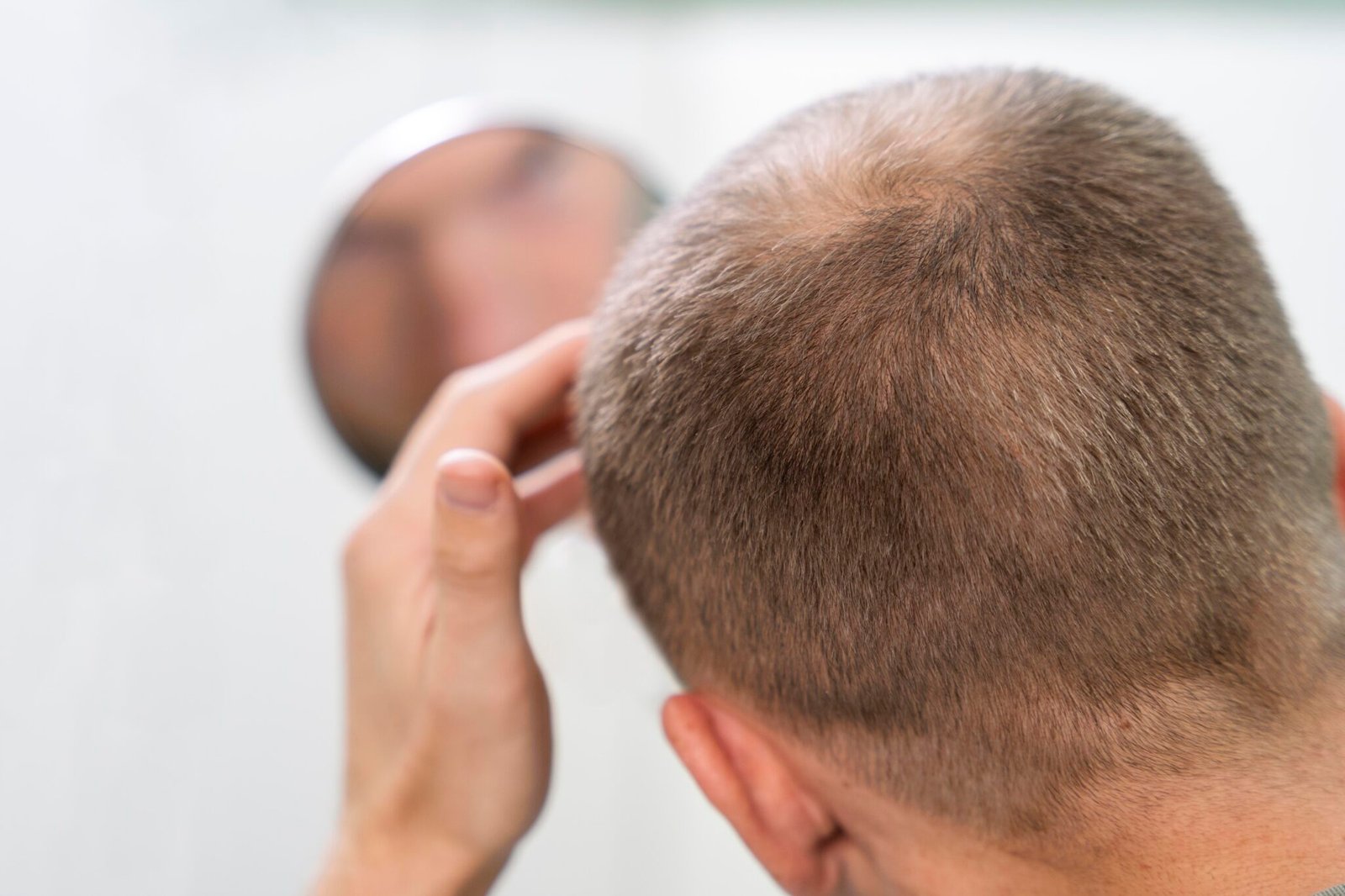
Managing Future Hair Loss After Transplant in India
Managing hair loss after a transplant in India requires ongoing care and personalized treatment. Patients benefit from doctor-led programs like male hair loss treatment or female hair loss treatment based on individual needs. Regular follow-ups and supportive therapies help maintain results long term.
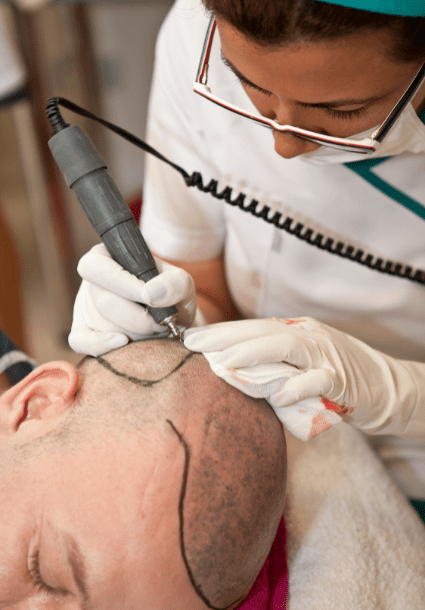

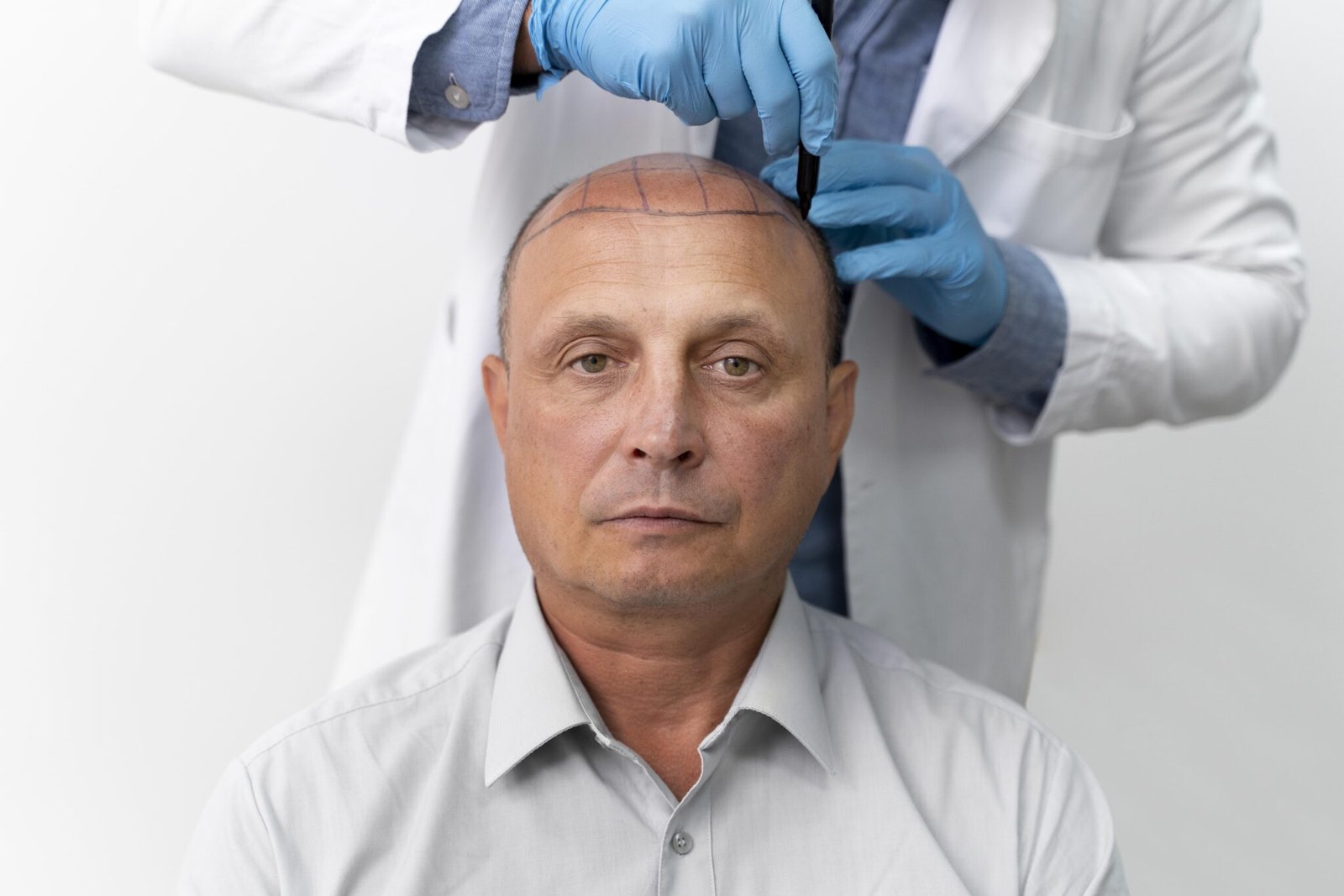
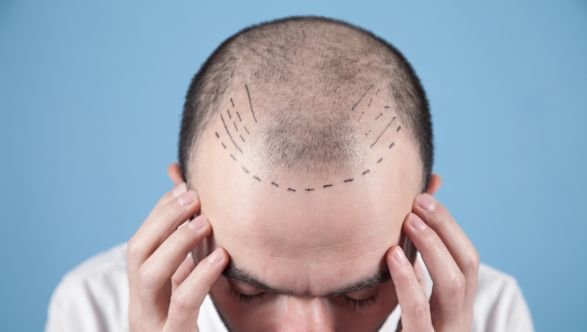
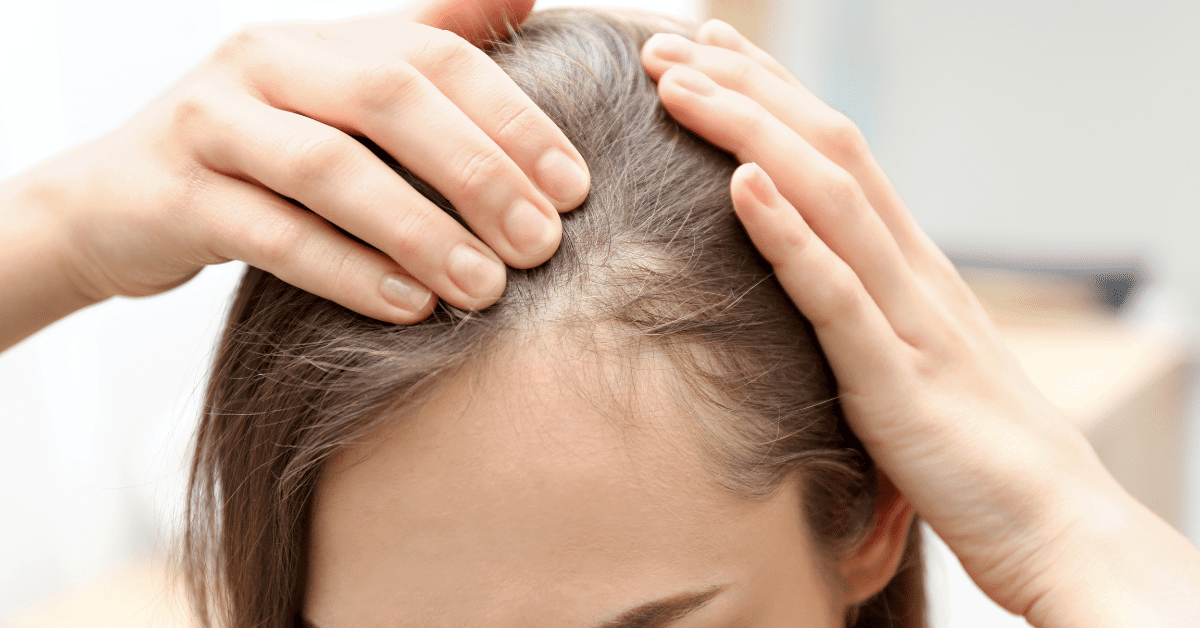


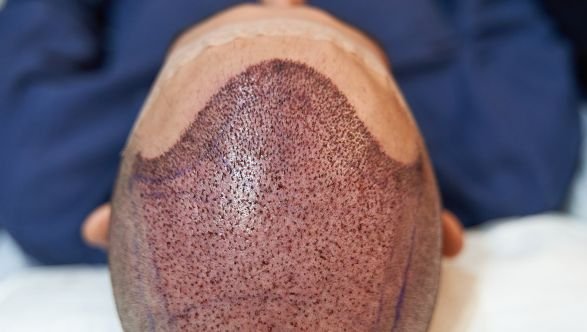

Key Strategies for Managing Future Hair Loss After Transplant
Effective management combines monitoring, medical treatment, and lifestyle changes. Important steps include:
- Regular visits to a dermatologist or hair specialist to check hair condition and catch new loss early.
- Using proven medications like minoxidil or finasteride under doctor supervision.
- Adjunctive treatments such as PRP (Platelet-Rich Plasma), GFC (Growth Factor Concentrate), or i-PRF injections to support scalp health and follicles.
- Considering additional surgery like hair transplant repair and correction for patchy or thinning areas.
- Following a personalized plan combining medical, surgical, and regenerative methods based on hair loss pattern and progression.
Common Treatments Supporting Long-Term Results
Maintaining transplanted hair requires ongoing, tailored therapies. Common options are:
- Hair Loss Medications: Topical or oral drugs prescribed by specialists to slow hair loss and support transplanted follicles.
- PRP and Regenerative Therapies: PRP, GFC, and exosome therapy improve scalp healing and follicle strength.
- Hair Mesotherapy: Nutrient injections into the scalp boost hair growth and scalp condition.
- Scalp Micropigmentation: Cosmetic tattooing that creates the look of thicker hair in thinning spots.
When to Seek Additional Consultation or Procedures
Hair loss after transplant varies by genetics, lifestyle, and treatment adherence. See a specialist if you notice:
- New or worsening thinning or bald spots after the transplant heals.
- An irregular hairline or uneven density needing hairline design and restoration.
- Scarring or patchy areas that may benefit from scar hair restoration.
Early evaluation helps adjust treatment plans and improve outcomes. Indian clinics offer ongoing support through in-clinic and online consultations to monitor progress and customize care.
About the Business
Alloroots is a doctor-led hair restoration clinic in India specializing in hair transplantation, hair loss treatment, and regenerative therapies. Led by Dr. Alok Kumar Sahoo (MD Dermatology, AIIMS New Delhi), Alloroots provides personalized treatment plans including FUE male hair transplant, female hair transplant, hairline restoration, transplant repair and correction, hair mesotherapy, and scalp micropigmentation. The clinic prioritizes privacy, evidence-based protocols, and offers flexible consultations including online follow-ups. Patients should bring previous medical records and follow prescribed care to support success.
Ready to discuss your hair restoration plan with a specialist?
Consult UsFAQs
Frequently Asked Questions
1
How soon after a hair transplant should I start managing future hair loss?
Management typically begins after the transplanted hair stabilizes, often 6 to 12 months post-transplant, with ongoing follow-up to monitor and address new hair loss.
2
What treatments help maintain hair after a transplant?
Doctor-prescribed medications like minoxidil or finasteride, PRP therapy, hair mesotherapy, and regenerative treatments support hair health and reduce further loss.
3
Can hair loss continue even after a transplant?
Yes, natural hair loss may continue in untreated areas, which is why ongoing care and personalized treatment plans are essential.
4
Is it possible to correct or repair a hair transplant if hair loss recurs?
Yes, hair transplant repair and correction procedures can address thinning, scarring, or uneven results based on individual assessment.
5
How often should I have follow-up consultations after a hair transplant?
Follow-ups are usually recommended every 6 to 12 months or as advised by your doctor to evaluate hair health and adjust treatments.
6
Are online consultations effective for managing future hair loss after transplant?
Online consultations can provide ongoing support and treatment adjustments, especially for patients unable to visit clinics frequently.
Speak with our hair restoration specialists about your treatment options.
Book a Consultation View PricingPopular Searches
Hair Growth Expectations After a Transplant in India
Complete Aftercare Guide for Hair Transplant in India
Managing Shock Loss After Hair Transplant in India
Understanding the Hair Growth Phase After Transplant in India
Managing Scalp Conditions Before Hair Transplant in India
Hair Transplant Maintenance Plans in India
Hair Transplant Aftercare in India
Complete Patient Preparation Checklist for Hair Transplant in India
Setting Realistic Expectations for Hair Transplants in India
Pre-Operative Instructions for Hair Transplant Patients in India
Complete Hair Transplant Recovery Guide for India
Book Your Hair Transplant Appointment in India
Post-Operative Care for Hair Transplants in India
Key Questions to Ask Before a Hair Transplant in India
Planning a Hair Transplant in India from the US
Hair Transplant in India After Radiation Therapy