
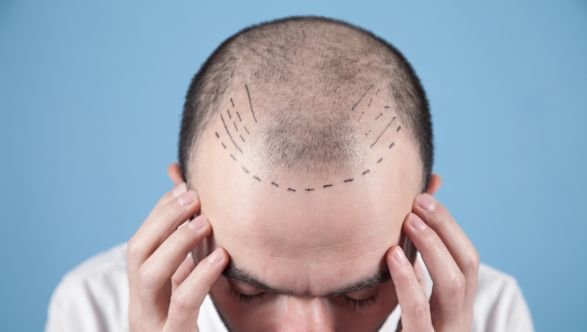
Managing Shock Loss After Hair Transplant in India
Shock loss management is part of Alloroots' post-operative care for male hair transplant and female hair transplant patients. Dr. Alok Kumar Sahoo provides personalised plans to address temporary shedding, support regrowth, and maintain privacy. Services are available across India through in-clinic and online consultations.

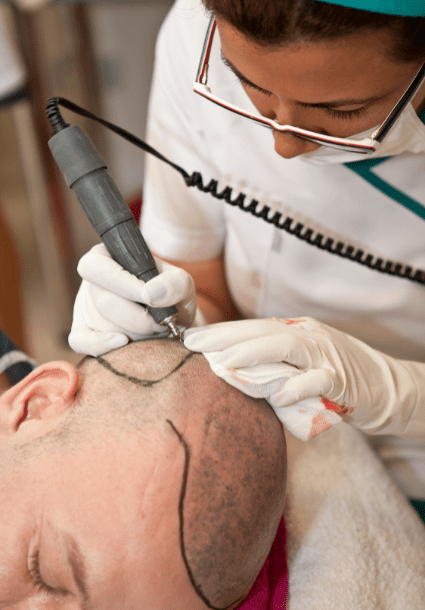
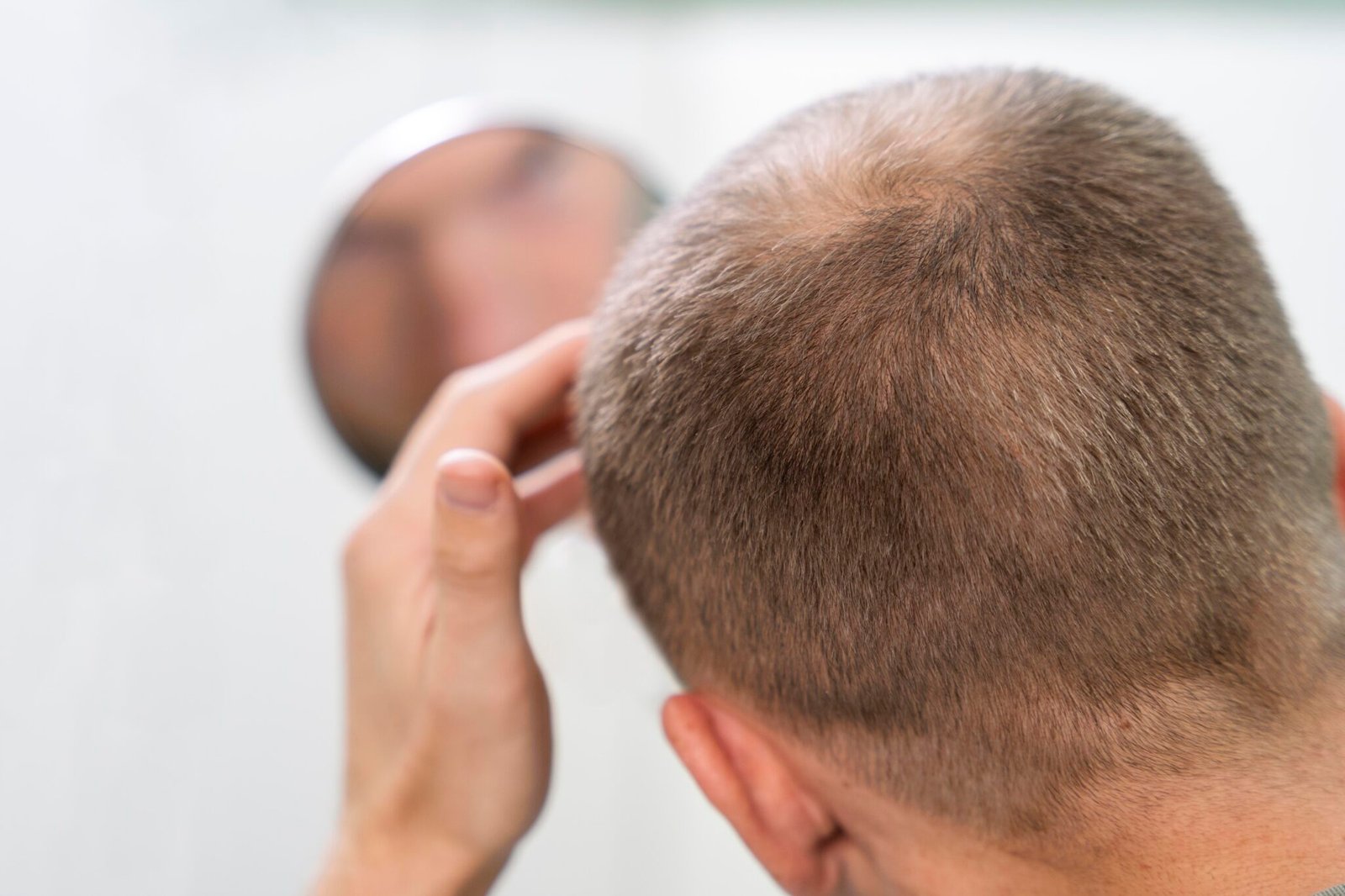
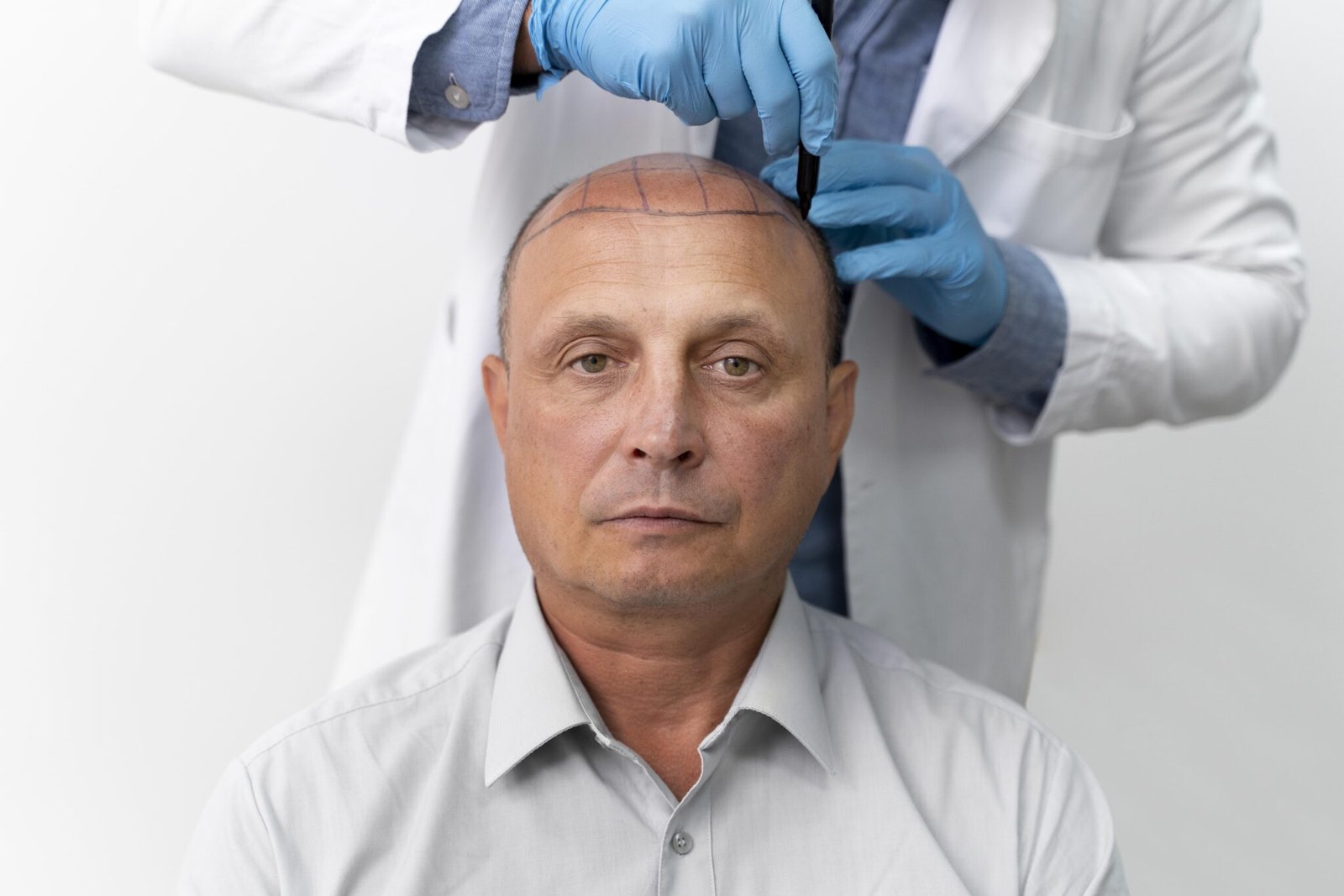


Understanding Shock Loss and Its Timeline
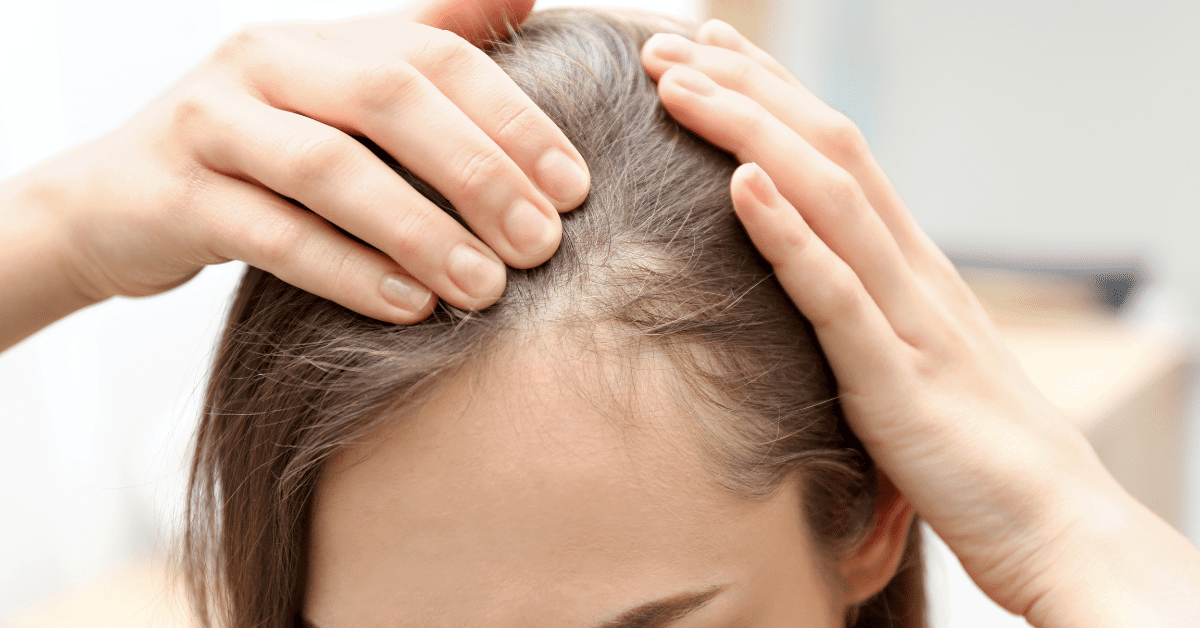
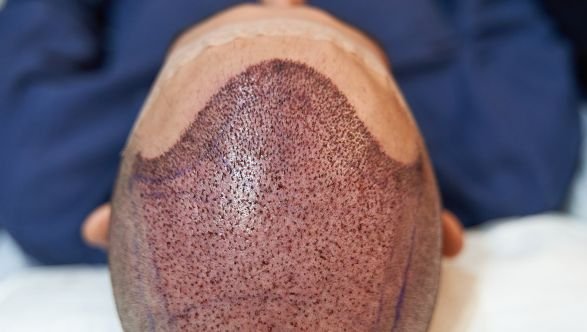
Shock loss is temporary shedding of native or transplanted hair due to surgical trauma, changes in blood supply, or stress response. It usually begins between week 2 and week 8 after surgery. Native hair may enter telogen effluvium before regrowing. This is common and rarely indicates graft failure when managed correctly.
- Week 2-4: Shedding starts, sometimes with mild scalp redness.
- Week 4-8: Shedding peaks, regrowth not visible yet.
- Month 3+: Early new growth, texture improves.
- Month 6-12: Most patients see density gains, depending on response.
Medical Strategies to Manage Shock Loss
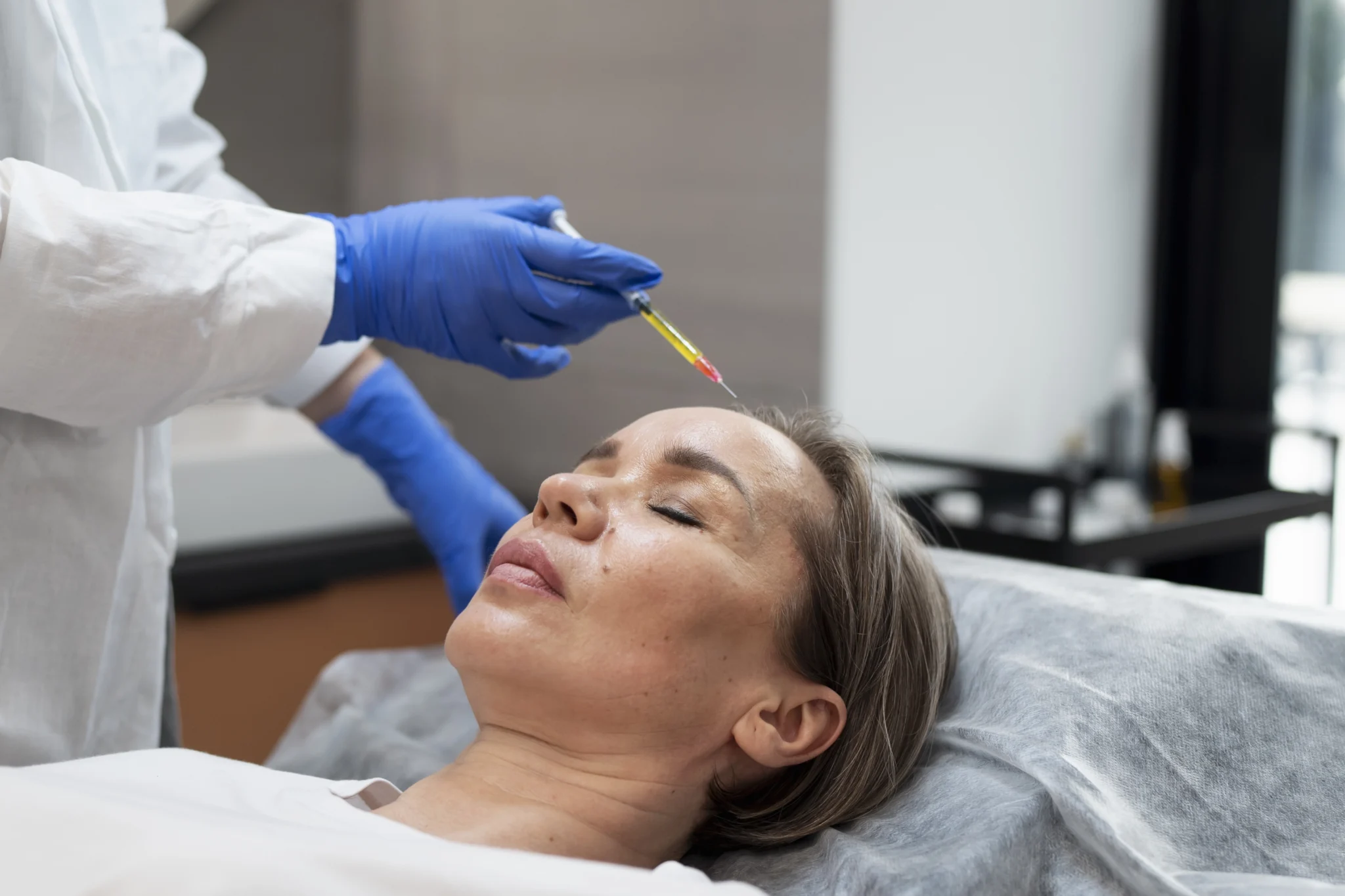
At Alloroots, regenerative treatments such as growth factor concentrate (GFC), PRP, i-PRF, and exosome therapy may be used to improve scalp health and stimulate follicles. Low-level laser therapy and microneedling with Dermapen are offered selectively. Medications like finasteride or minoxidil can be recommended after assessment to support native hair and grafts.
Corrective procedures like hair transplant repair and correction are considered only after complete healing and evaluation.
Practical Recovery Tips for Indian Patients
Follow medical advice and adjust daily habits to aid recovery. Handle the scalp gently, avoid harsh products, and maintain a protein-rich diet. Attend follow-up appointments for timely treatment adjustments. Alloroots offers weekday and Saturday slots, with booking available by phone or online form.
- Shield scalp from direct sun in early weeks.
- Follow prescribed wash routines to protect grafts.
- Report unusual shedding quickly.
- Use supplements or topical agents only as advised.
About Alloroots
Alloroots is a doctor-led hair restoration clinic in India offering surgical transplants and regenerative treatments. Led by Dr. Alok Kumar Sahoo (MD Dermatology, AIIMS New Delhi), services include hair loss diagnosis, hairline design, advanced FUE, and non-surgical therapies. Patients can choose in-clinic or online consultations. The clinic prioritises privacy, safety, and evidence-based outcomes, with progress documented discreetly. Learn more at alloroots.com.
Ready to discuss your hair restoration plan with a specialist?
Consult UsFAQs
Frequently Asked Questions
1
What is shock loss after hair transplant?
It is temporary hair shedding in the recipient area following surgery, affecting native or transplanted hair due to trauma or blood supply changes.
2
When does shock loss typically occur?
It usually starts between week 2 and week 8 after surgery, with regrowth beginning around month 3 depending on individual healing.
3
Can shock loss be prevented?
While it cannot always be prevented, doctor-led care and supportive therapies may reduce its severity and duration.
4
Is shock loss permanent?
Most cases are temporary, with hair regrowing over several months; permanent loss is rare and linked to other underlying issues.
5
What treatments help after shock loss?
Options include PRP, GFC, low-level laser therapy, hair medications, and regenerative therapies based on clinical assessment.
6
Does shock loss indicate graft failure?
No, it is usually part of the normal healing process and does not mean transplanted grafts have failed.
Speak with our hair restoration specialists about your treatment options.
Book a Consultation View PricingPopular Searches
Hair Transplant Shock Loss Recovery India
Managing Future Hair Loss After Transplant in India
Stress Management for Hair Transplant Recovery in India
Managing Linear Scars After Hair Transplant in India
Understanding the Hair Growth Phase After Transplant in India
Managing Scalp Conditions Before Hair Transplant in India
Post-Operative Care for Hair Transplants in India
Using Finasteride After Hair Transplant in India
Treating Hair Transplant Complications in India
Complete Patient Preparation Checklist for Hair Transplant in India
Hair Transplant Recovery in India
Hair Transplant for Burn Victims in India
Hair Transplants in India: Role of Cosmetologists
Hair Transplant Maintenance Plans in India
Hair Transplant Recovery Tips for the First Week in India
Hair Transplant in India After Radiation Therapy