
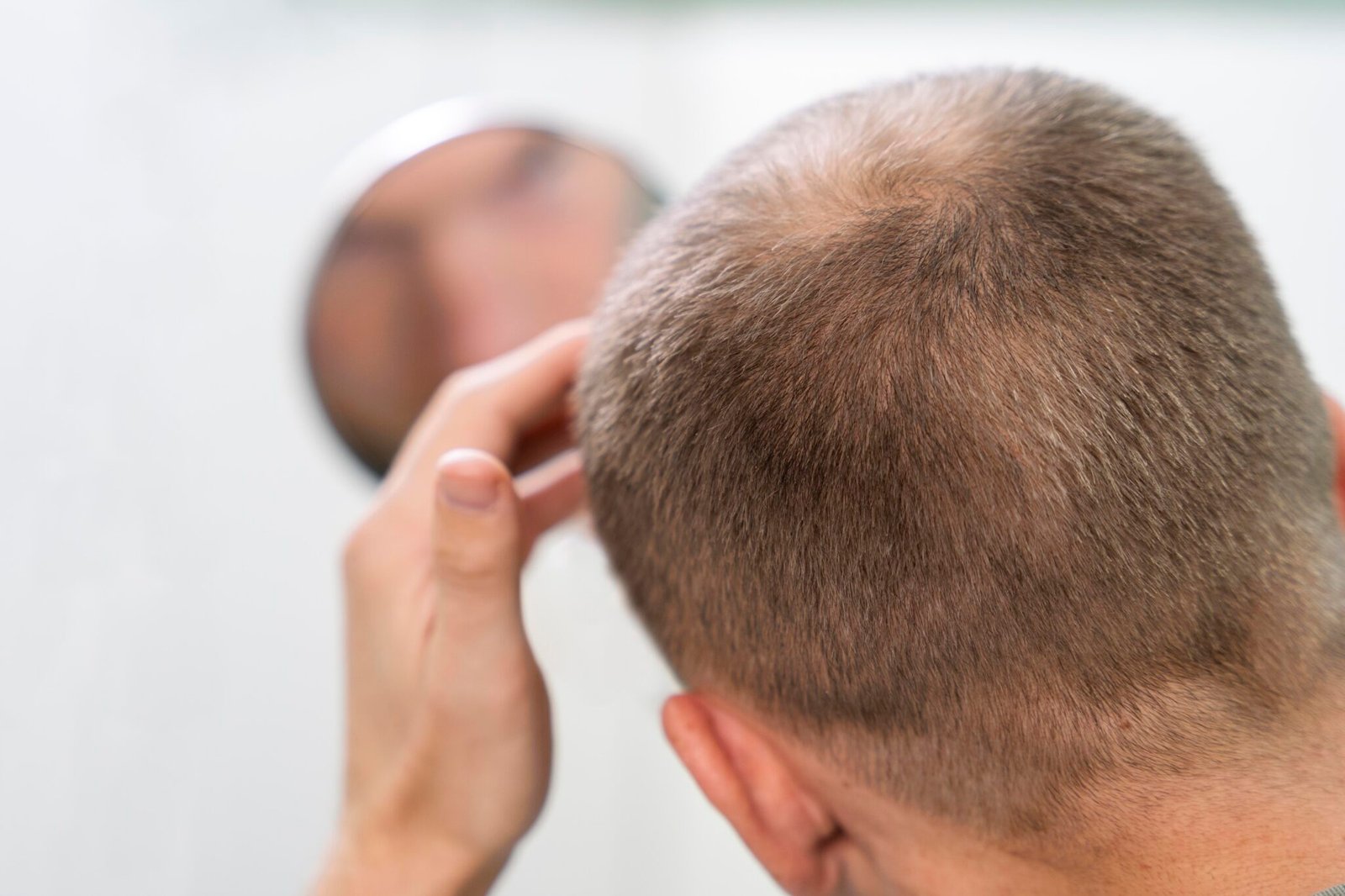
Nutrition Advice for Hair Transplant Patients in India
Nutrition plays a key role in recovery and hair growth after a hair transplant in India. A balanced diet rich in proteins, vitamins, and minerals supports scalp healing and healthy follicles. Clinics offering male hair transplant and female hair transplant procedures often provide personalized nutrition plans tailored to each patient.




Key Nutritional Components for Hair Transplant Recovery
After a transplant, your diet should include nutrients that help tissue repair and support hair follicles:
- Protein: Essential for hair shaft formation. Sources include lean meats, dairy, eggs, and plant proteins.
- Iron: Helps deliver oxygen to follicles. Found in spinach, lentils, and red meat.
- Vitamin C: Boosts iron absorption and collagen production. Present in citrus fruits, strawberries, and bell peppers.
- Zinc: Supports tissue growth and repair. Found in nuts, seeds, and whole grains.
- Omega-3 fatty acids: Reduce inflammation and nourish follicles. Available in flaxseeds, walnuts, and fatty fish.
Foods to Avoid During Post-Transplant Healing
Certain foods and habits may slow healing or increase inflammation. Avoid or limit:
- Excessive caffeine and alcohol, which can cause dehydration and reduce nutrient absorption.
- Highly processed and sugary foods that promote inflammation.
- Spicy foods if they irritate the scalp.
Practical Nutrition Tips for Hair Transplant Patients in India
- Stay well hydrated to support cell repair.
- Eat small, frequent meals to maintain steady nutrient levels.
- Take supplements only if prescribed by your doctor.
- Follow the dietary guidance provided by your transplant clinic.
Good nutrition complements treatments like growth factor hair therapy and hair mesotherapy, which may be part of your doctor’s care plan to improve results.
About Alloroots
Alloroots is a doctor-led hair restoration clinic in India specializing in hair transplantation, hair loss treatment, and regenerative therapies. Led by Dr. Alok Kumar Sahoo (MD Dermatology, AIIMS New Delhi), Alloroots offers personalized treatment plans including FUE hair transplant, PRP, GFC, i-PRF, exosome therapy, and scalp micropigmentation. Patients receive confidential care through in-clinic and online consultations. Visit Alloroots.com for details.
Ready to discuss your hair restoration plan with a specialist?
Consult UsFAQs
Frequently Asked Questions
1
What foods help with hair growth after a transplant?
Foods rich in protein, iron, vitamin C, zinc, and omega-3 fatty acids support hair growth and scalp healing after a transplant.
2
Can I take supplements to improve transplant results?
Supplements should only be taken if prescribed by your doctor based on individual assessment and nutritional needs.
3
How soon after a hair transplant should I start focusing on nutrition?
Good nutrition is important immediately after the procedure to support healing and continue throughout the recovery period.
4
Are there any foods I should avoid after a hair transplant?
Avoid excessive caffeine, alcohol, processed sugars, and spicy foods if they cause irritation or inflammation.
5
Does hydration affect hair transplant recovery?
Yes, staying well-hydrated helps maintain healthy skin and supports cellular repair during recovery.
6
Can diet alone guarantee hair transplant success?
No, while nutrition supports healing, success depends on many factors including surgical technique and individual response.
Speak with our hair restoration specialists about your treatment options.
Book a Consultation View PricingPopular Searches
Complete Hair Transplant Recovery Guide for India
Complete Patient Preparation Checklist for Hair Transplant in India
Hair Transplant Recovery Tips for the First Week in India
Hair Transplant Checklist for Patients in India
Personalized Hair Transplant Care in India
Complete Hair Transplant Patient Journey in India
Your Hair Transplant Patient Journey in India
Book Your Hair Transplant Appointment in India
Hair Transplant in India: Procedures and Benefits
Planning a Hair Transplant in India from the US
Travel Tips for Hair Transplant in India
Meet the Hair Transplant Team in India
Hair Transplant Touch-Up Procedures in India
Pre-Operative Instructions for Hair Transplant Patients in India
Complete Guide to Body Hair Donors for Transplants in India
Hair Transplant Care Guide for the First Month in India