
Qualifications of Hair Transplant Surgeons in India
At Alloroots, qualifications are led by Dr. Alok Kumar Sahoo (MD Dermatology, AIIMS New Delhi). Patients seeking a male hair transplant or female hair transplant receive personalised planning, privacy-focused care, and evidence-based techniques grounded in medical training, aesthetic skill, and safety protocols.


Core Medical and Surgical Training
In India, qualified hair transplant surgeons typically have one of these backgrounds:
- MD or DNB in Dermatology with specialist training in skin and hair disorders, including surgical hair restoration.
- MCh or DNB in Plastic Surgery with advanced skills in tissue handling and aesthetic reconstruction.
- Structured, supervised hair transplant training under a dermatologist or plastic surgeon.
Many maintain memberships in medical associations, attend scientific conferences, and stay updated on techniques such as FUE and FUT. Knowledge of adjunct therapies like PRP, i-PRF, GFC, and Exosome Therapy supports integrated treatment plans.
Assessing Practical Skill and Technique
Degrees alone do not predict procedural quality. Indicators of practical expertise include:
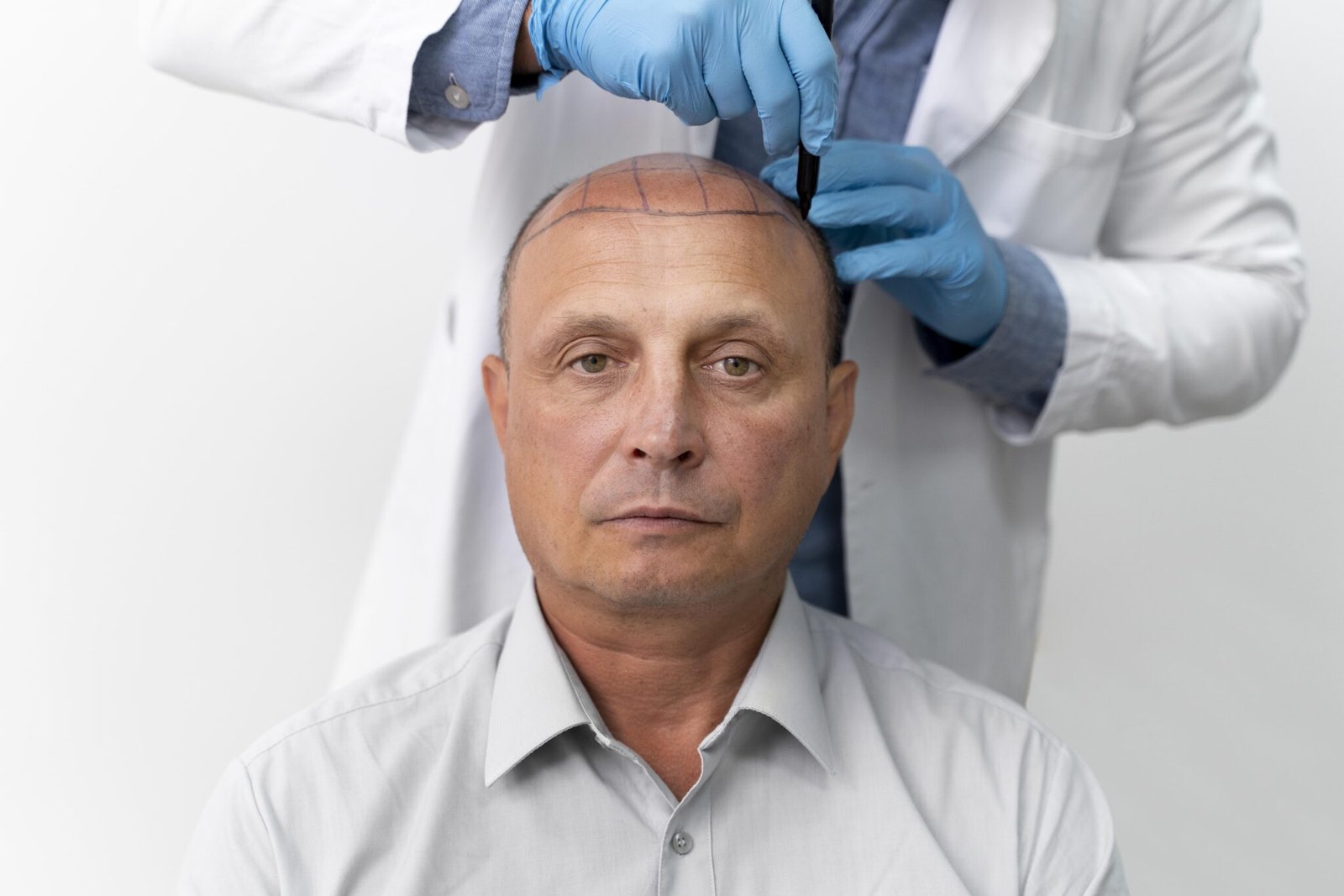
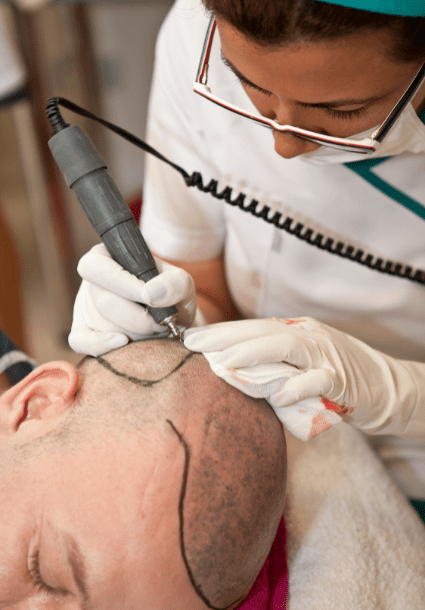
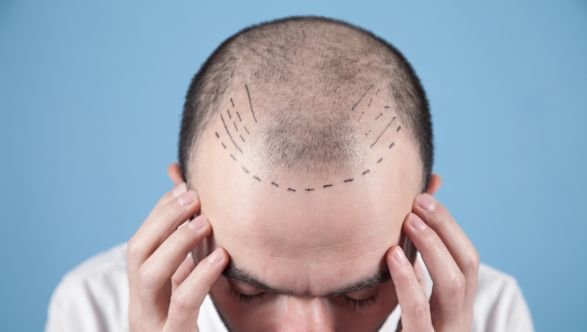
- Hairline design matched to age, facial proportions, and hair characteristics.
- Experience with high graft count sessions and precise placement.
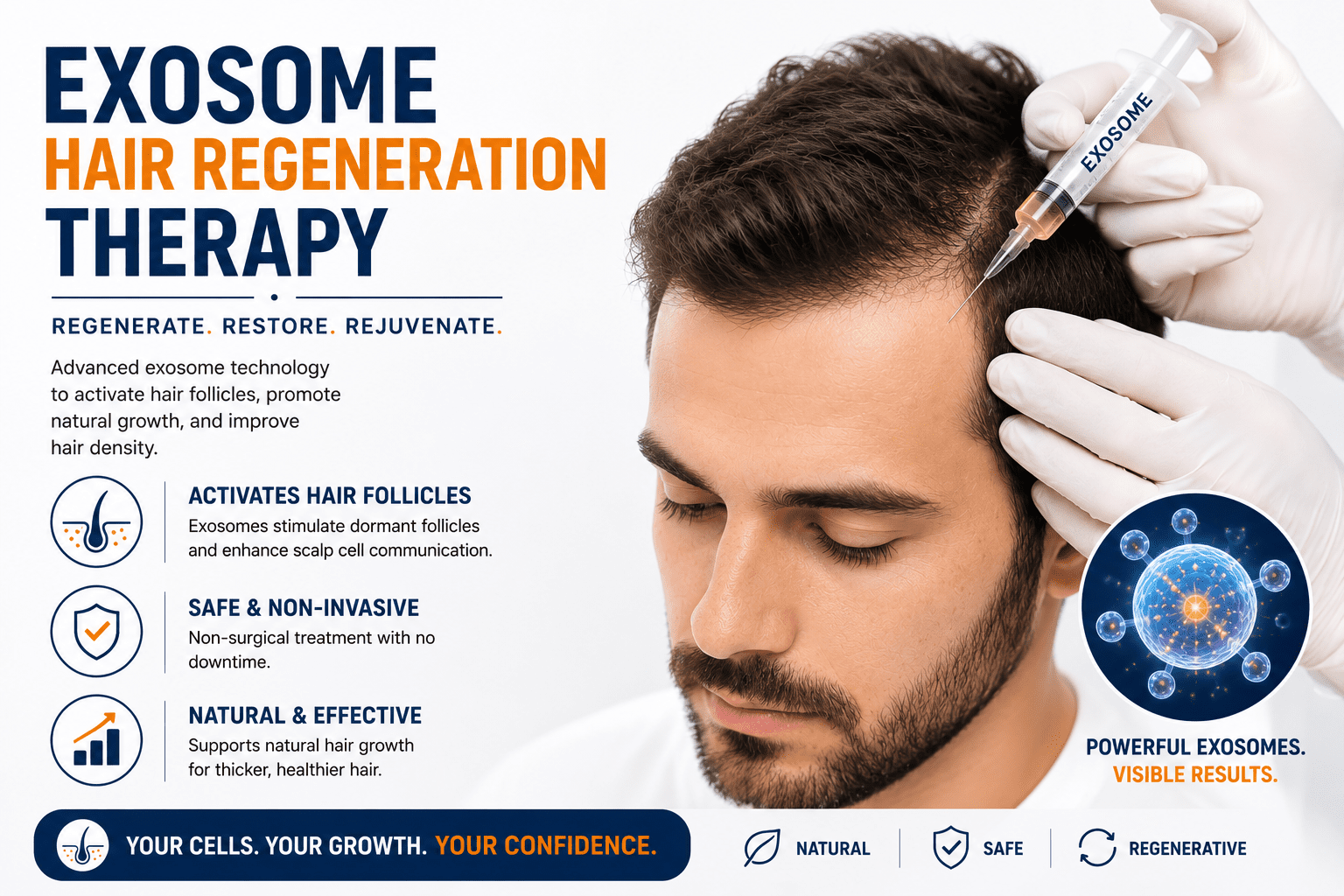
- Capability in regenerative treatments such as Growth Factor Hair Therapy or Exosome Hair Regeneration Therapy.
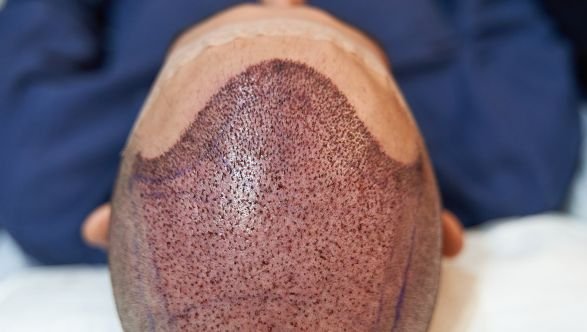
Clinics that respect privacy share anonymised before and after cases, allowing review of results without revealing patient identities.
Verifying Credentials and Experience
Confirm a surgeon’s registration with the Medical Council of India or state council. Request copies of degrees and fellowship certificates. Ask about experience with hairline restoration or hair transplant repair. Ensure the lead surgeon will perform your procedure. Book a consultation early to review their approach and recovery timelines. Bring medical history and current medication details for accurate planning.
About Alloroots
Alloroots is a doctor-led hair restoration clinic in India, specialising in surgical hair transplantation and regenerative hair science. Led by Dr. Alok Kumar Sahoo (MD Dermatology, AIIMS New Delhi), services include personalised hair loss diagnosis, natural hairline design, advanced FUE transplants, and non-surgical treatments. Patients can choose in-clinic or online consultations for access across India. The clinic prioritises privacy, safety, realistic outcomes, and evidence-based care with documented patient journeys. Learn more at Alloroots.
Ready to discuss your hair restoration plan with a specialist?
Consult UsFAQs
Frequently Asked Questions
1
What degrees should a hair transplant surgeon in India have?
Common qualifications are MD or DNB in Dermatology, or MCh or DNB in Plastic Surgery, with specialized training in hair restoration surgery.
2
Is board certification important for hair transplant surgeons?
Yes, board certification in dermatology or plastic surgery confirms formal training and adherence to medical standards in India.
3
How can I verify a surgeon’s credentials?
You can check registration with the Medical Council of India or state councils and request copies of degree and fellowship certificates.
4
Do surgeons need experience in both FUT and FUE?
Experience in both can be useful, but many surgeons now focus on FUE due to minimal scarring and faster recovery.
5
Should I ask for before and after photos?
Yes, request privacy-protected images from past cases to assess aesthetic skill, but remember results vary by individual.
6
Can regenerative therapies improve transplant results?
Adjunct treatments like PRP, GFC, or Exosome Therapy may support graft survival and hair growth, based on clinical assessment.
Speak with our hair restoration specialists about your treatment options.
Book a Consultation View PricingPopular Searches
Hair Transplant Surgeon Credentials in India
Guide to Hair Transplant Surgeon Credentials in India
Skilled Hair Transplant Surgeons in India
Board-Certified Hair Transplant Surgeons in India
English-Speaking Hair Transplant Surgeons in India
Recommended Hair Transplant Doctors in India
Best Hair Transplant Surgeon in India
Hair Transplant Repair Specialists in India
Medical Education and Training for Hair Surgeons in India
Who Performs Hair Transplants in India?
Top Hair Transplant Specialists in India
Hair Transplant Repair and Correction in India
Hair Transplant Revision Surgery in India
Who Is a Candidate for Hair Transplant in India
Hair Transplant Repair in India
Hair Transplant in India vs Local Surgeons