
Recipient Area Preparation in Hair Transplant Procedures
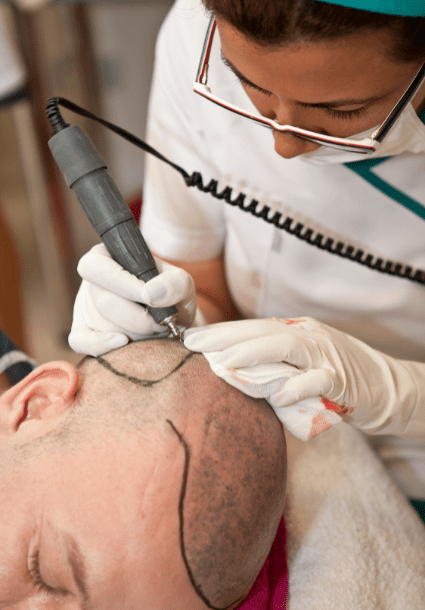
Preparing the recipient area is a key step in hair transplant procedures. It ensures proper graft placement and supports healing. This process involves cleaning the scalp, administering local anesthesia, and creating precise channels for grafts. Clinics offering male hair transplant or female hair transplant customize these steps based on each patient’s needs.




Key Steps in Recipient Area Preparation
- Scalp Cleaning: The scalp is cleaned with antiseptic solutions to reduce infection risk and create a sterile site.
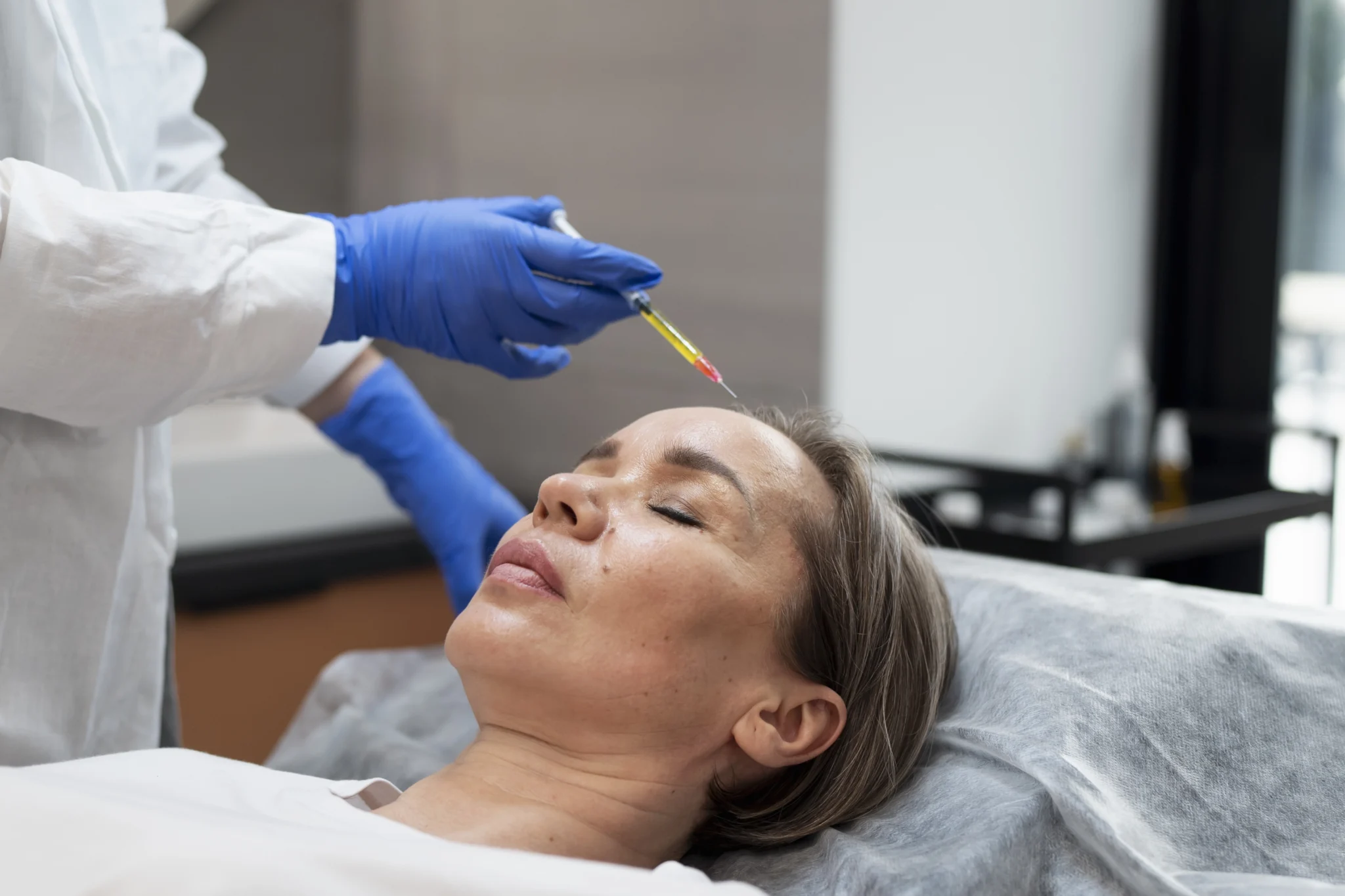
- Local Anesthesia: Targeted anesthesia numbs the recipient area to minimize discomfort during incisions and graft placement.
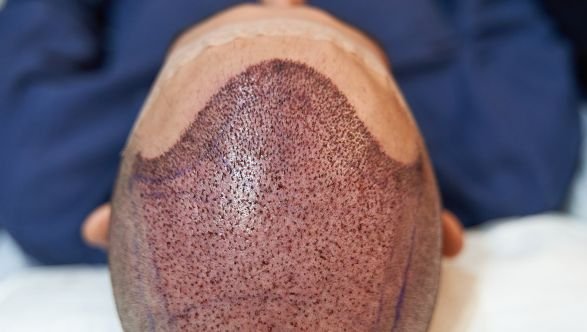
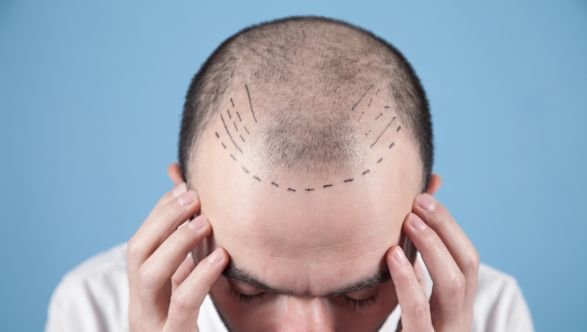
- Channel Creation: Small incisions are made to match the natural hair angle and direction. Proper channel size and placement support graft survival and natural growth.
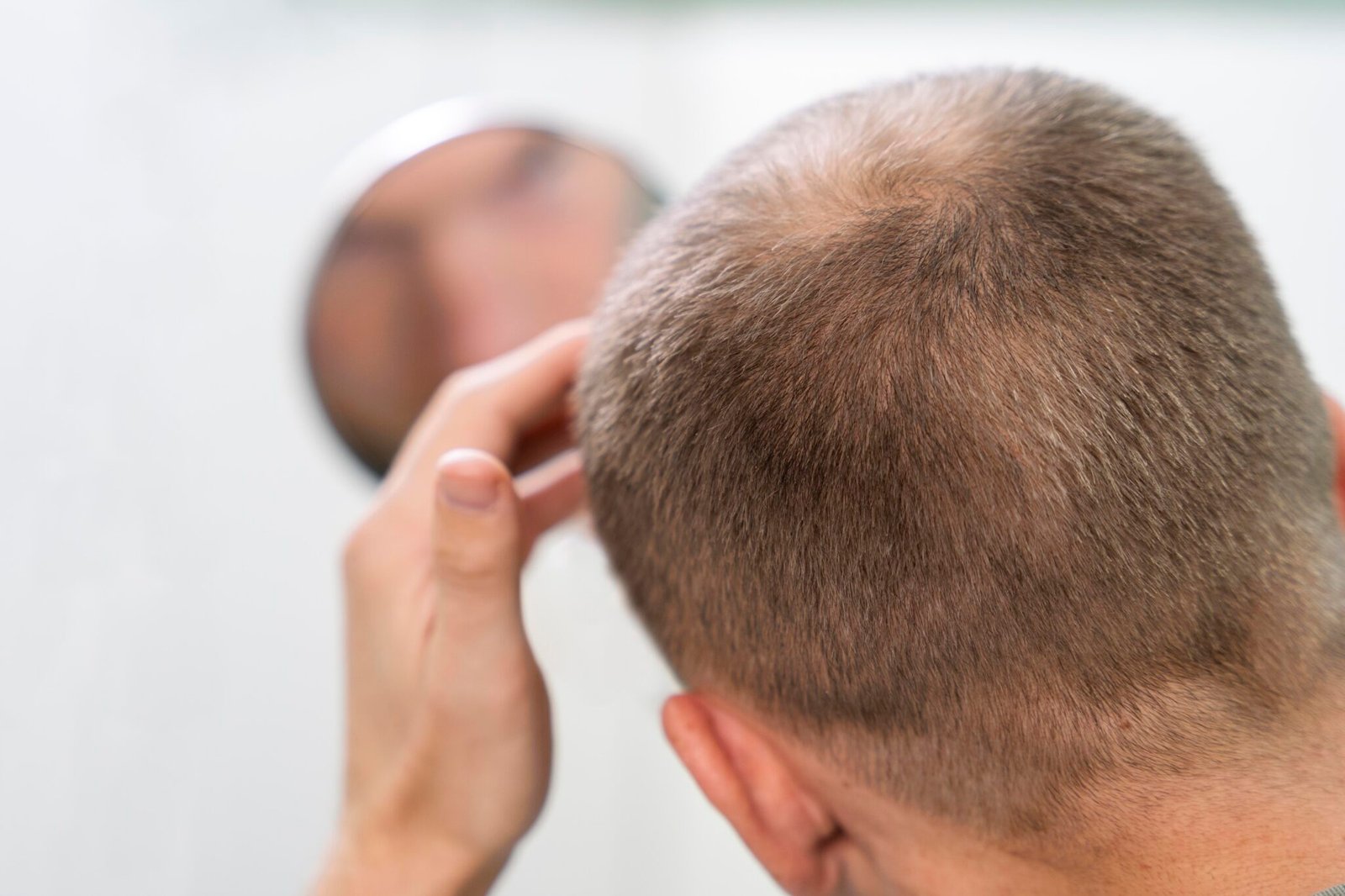
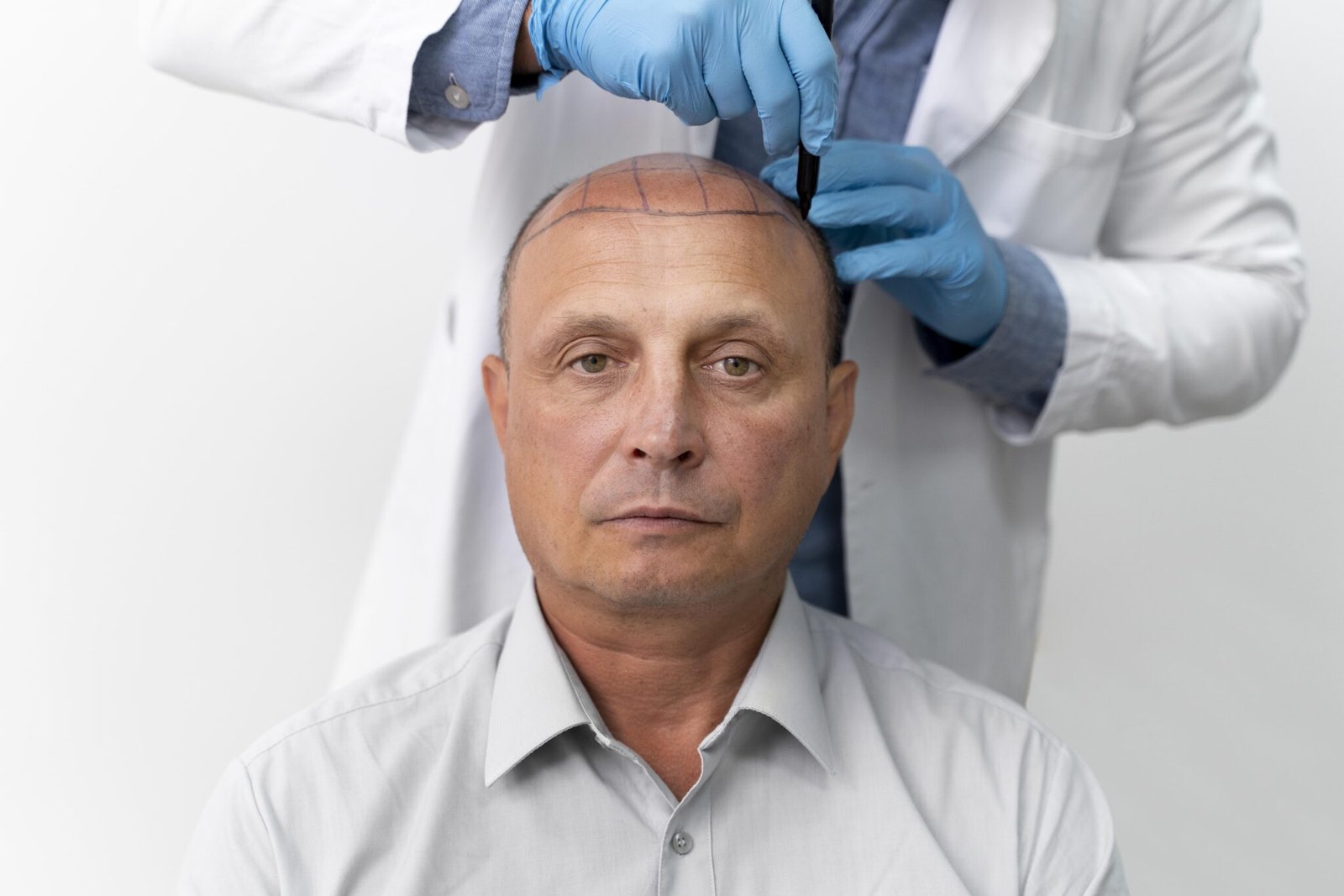
- Scalp Assessment: The surgeon evaluates scalp laxity and skin condition to determine channel density and size for the best results.
Techniques and Considerations for Optimal Preparation
Preparation varies by transplant method, such as Follicular Unit Extraction (FUE) or Follicular Unit Transplantation (FUT). Accurate channel creation is crucial for graft survival and the final look.
- Density Planning: Channels are spaced to prevent overcrowding and ensure adequate blood supply.
- Angle and Direction: Surgeons use magnification and specialized tools to replicate natural hair angles precisely.
- Managing Scalp Sensitivity: Adjustments to anesthesia or technique are made for sensitive scalps.
Aftercare and Patient Instructions
Proper aftercare affects healing and transplant success. Patients should keep the scalp clean, avoid touching or scratching the recipient area, and attend follow-up visits. Clinics provide personalized instructions, especially for advanced treatments like hairline design & restoration or hair transplant repair & correction. Patients are usually advised to bring a loose-fitting hat to protect the scalp when outside the clinic during recovery.
About the business
Alloroots is a doctor-led hair restoration clinic in India specializing in hair transplantation and hair loss treatments. Led by Dr. Alok Kumar Sahoo (MD Dermatology, AIIMS New Delhi), Alloroots offers personalized plans including FUE hair transplant, PRP, GFC, i-PRF, exosome therapy, scalp micropigmentation, and hair restoration medications. Care is evidence-based and privacy-focused, available through in-clinic and online consultations. Visit alloroots.com for details.
Ready to discuss your hair restoration plan with a specialist?
Consult UsFAQs
Frequently Asked Questions
1
Why is recipient area preparation important in hair transplant?
Proper preparation ensures the scalp is clean, numb, and ready for precise graft placement, which improves graft survival and the natural appearance of transplanted hair.
2
How is local anesthesia administered in the recipient area?
Local anesthesia is injected into the scalp at the recipient site to numb the area, reducing pain during channel creation and graft implantation.
3
What determines the size and angle of channels created in the recipient area?
Surgeons assess natural hair growth direction and scalp characteristics to create channels that match angle and size for natural results.
4
Can recipient area preparation techniques vary by hair transplant type?
Yes, techniques differ slightly between FUE and FUT methods, especially regarding incision size and spacing to optimize graft survival.
5
What post-procedure care is advised after recipient area preparation?
Patients should keep the area clean, avoid touching or scratching, follow medication instructions, and attend follow-up visits for monitoring.
6
Are there risks associated with recipient area preparation?
Risks are minimal when performed by experienced doctors but may include temporary swelling, redness, or minor discomfort in the treated area.
Speak with our hair restoration specialists about your treatment options.
Book a Consultation View PricingPopular Searches
Understanding Donor Area in Hair Transplants in India
Hair Transplant Procedure
Donor Area Management for Hair Transplants in India
Hair Transplant Zone Matching in India
Corrective Hair Transplant Procedure
Pre-Operative Instructions for Hair Transplant Patients in India
Hair Transplant Coverage Areas Explained for India Patients
Complete Patient Preparation Checklist for Hair Transplant in India
Achieving a Natural Side Profile in Hair Transplants
Understanding Scalp Zones for Hair Transplant in India
Book Your Hair Transplant Appointment in India
Hair Transplant in India: Procedures and Benefits
Setting Realistic Expectations for Hair Transplants in India
Planning Your Hair Transplant in India From USA
Hair Transplant for Temporal Area Restoration in India
Complete Hairline Design Process for Transplants in India