
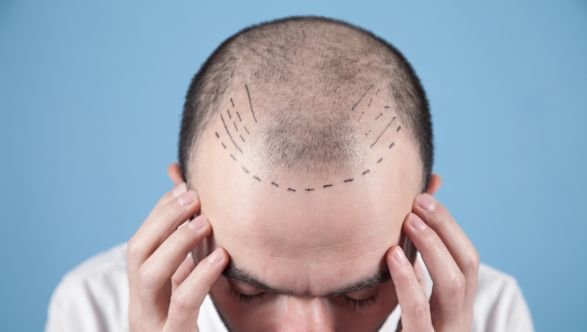
Scalp Hair Transplant After Scarring
Scalp hair transplant after scarring uses specialized techniques to address the unique challenges of scar tissue. Treatments like scar hair restoration and hair transplant repair and correction improve hair density and scalp appearance based on individual assessment. These doctor-led procedures include personalized treatment plans to ensure safety and effectiveness.


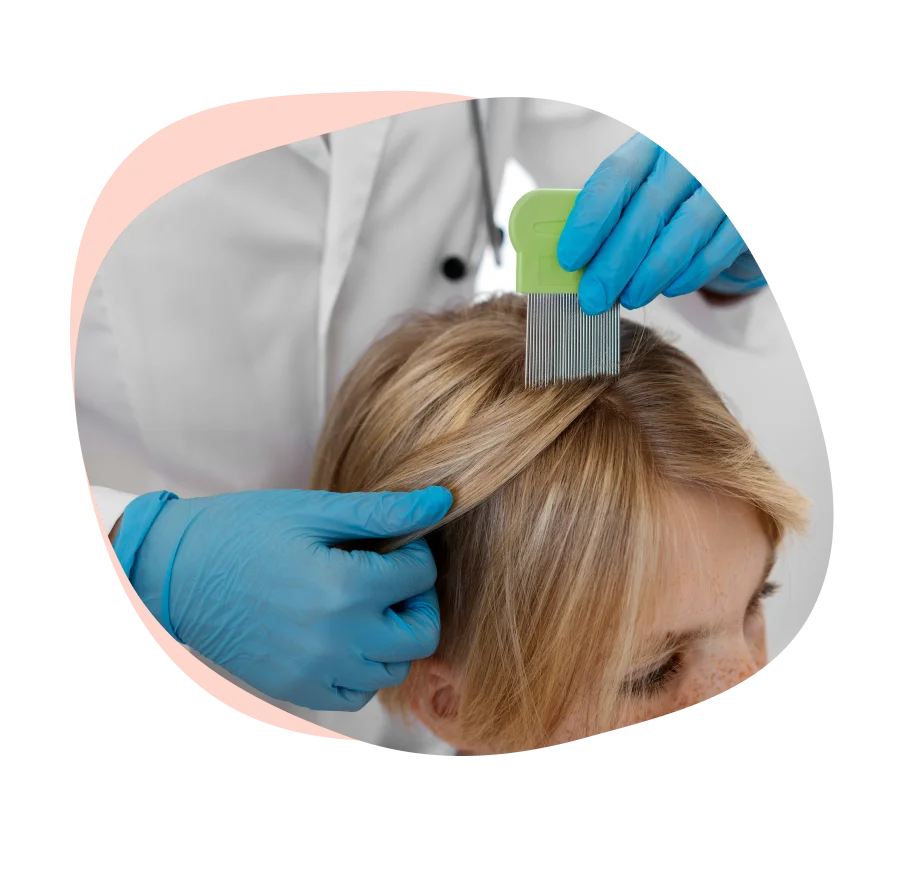

Understanding Scalp Hair Transplant After Scarring
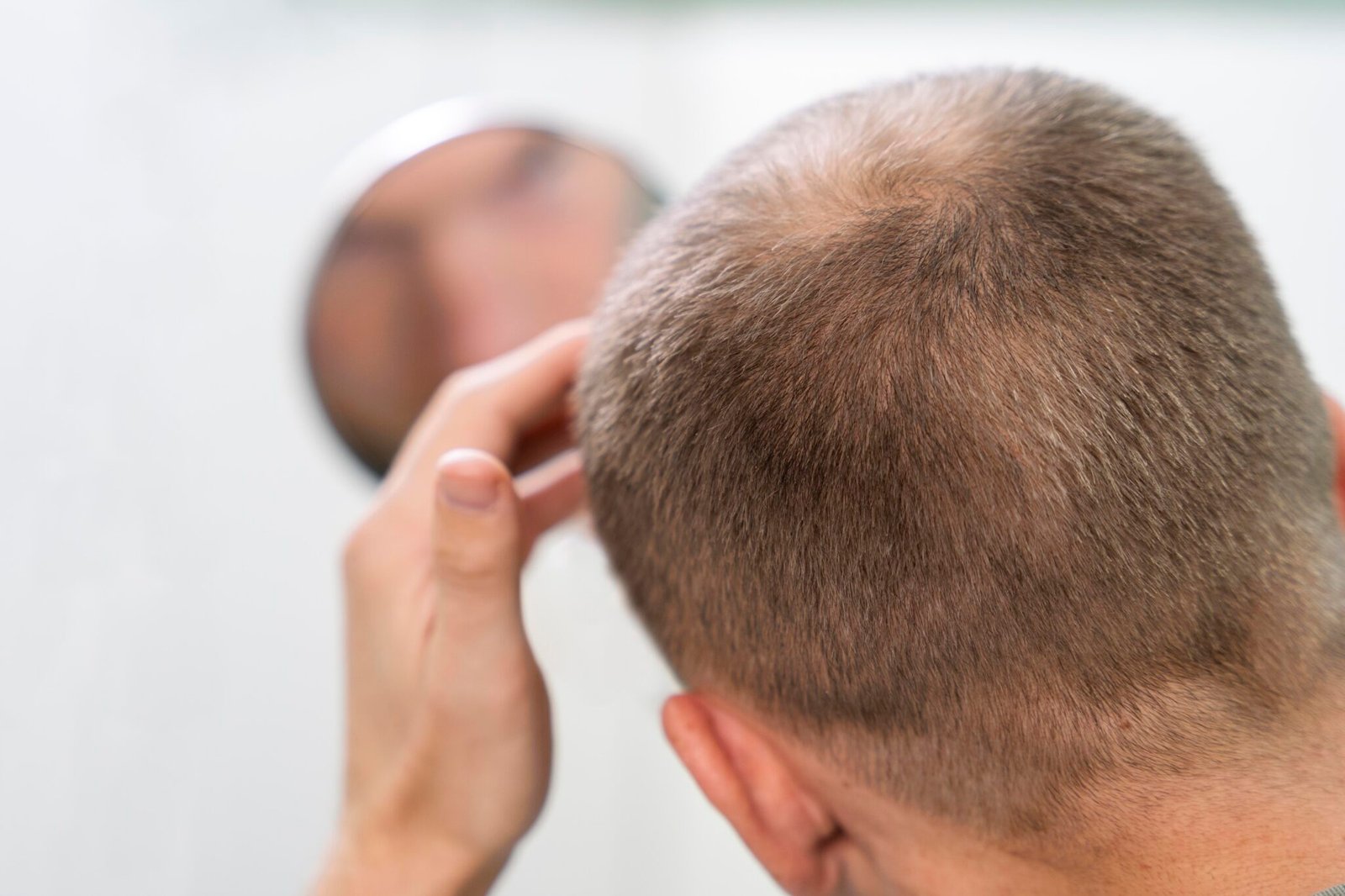
Scarring can result from injury, surgery, burns, or conditions like scarring alopecia. Scar tissue differs from normal scalp skin because it has reduced blood supply and a firmer texture. This affects the survival of hair follicles after transplantation.
Key techniques include:
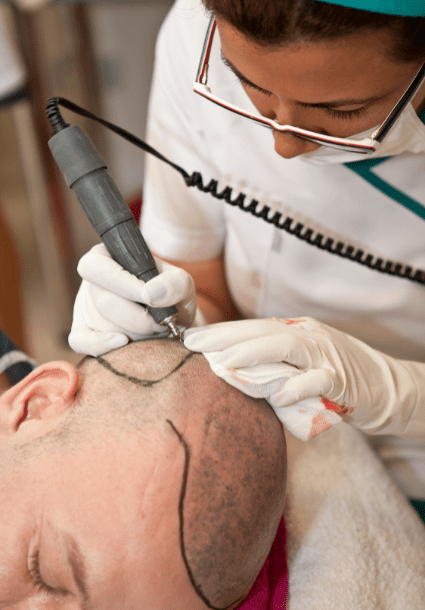
- FUE (Follicular Unit Extraction) adapted for scar tissue
- Using body hair or donor hair from healthy scalp areas
- Pre-treating scar tissue to improve scalp condition when needed
Doctors assess the scar's type, size, and location to customize the transplant. For example, a body hair transplant may supplement scalp donor hair if it is insufficient or unsuitable.
Options for Hair Transplant After Scarring
Treatment options for hair loss due to scarring include:
- Scar Hair Restoration: Targeted transplant to restore hair growth in scarred areas and improve scalp appearance.
- Hair Transplant Repair & Correction: Procedures to fix previous transplants with unsatisfactory results in scarred zones.
- Scarring Alopecia Treatment: Medical and transplant therapies for permanent hair loss from scarring alopecia.
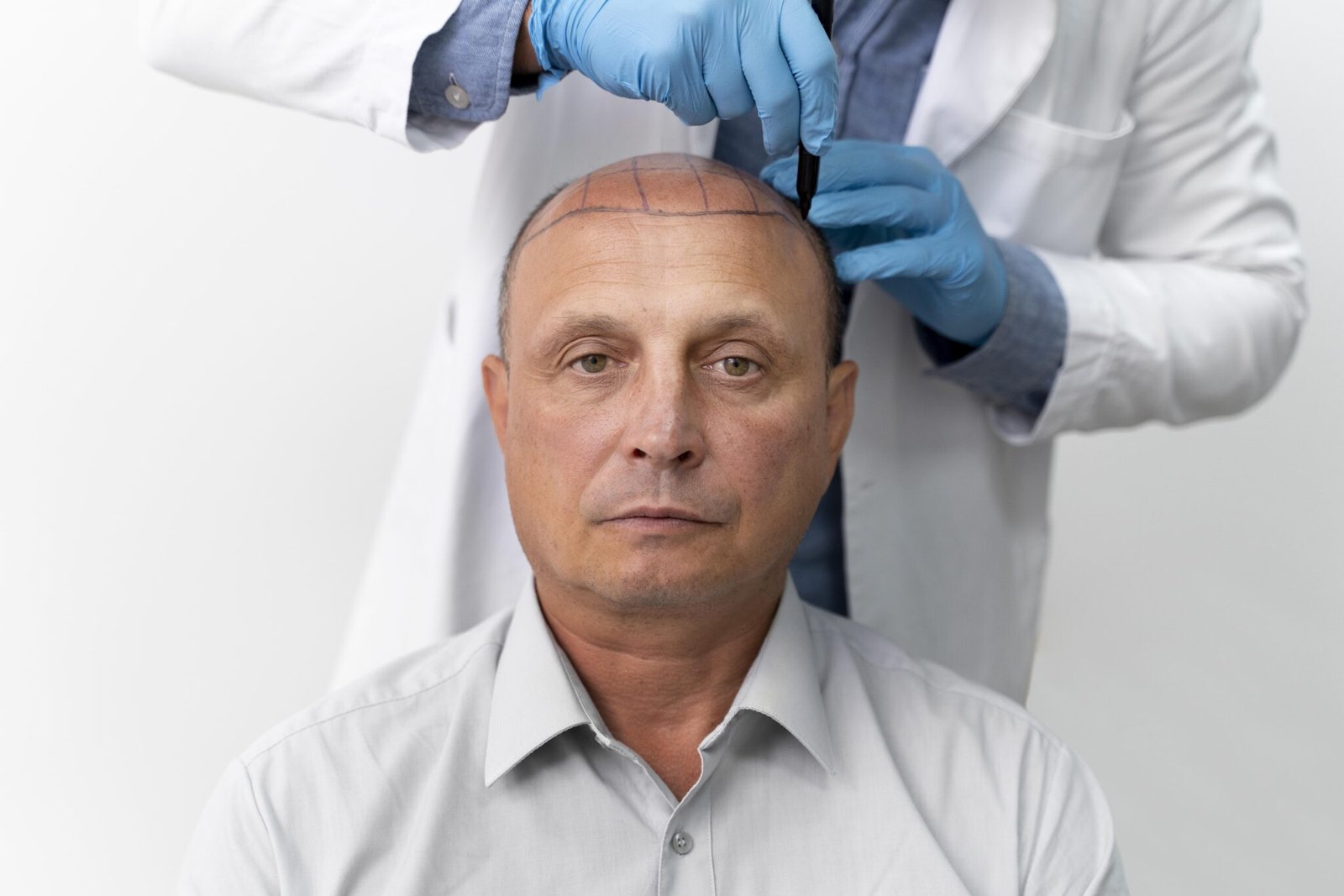
- Hairline Design & Restoration: Customized hairline reconstruction considering scar location and scalp health.
The right approach depends on scar characteristics and scalp condition. A thorough doctor-led consultation evaluates these factors and sets realistic expectations.
What to Expect During and After the Procedure
The process usually involves:
- Clinical evaluation of the scalp and scar tissue
- Developing a personalized transplant plan focused on scar tissue limitations
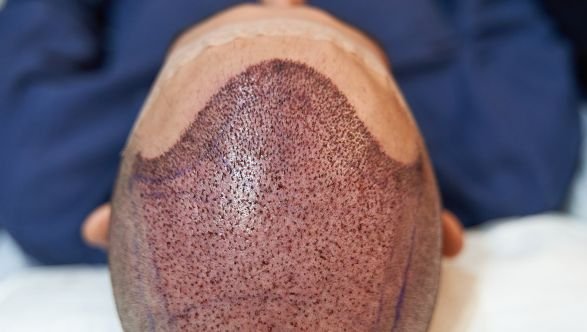
- Performing transplantation using FUE or body hair follicles
- Post-operative care to support healing and promote hair growth
Healing may take longer than typical transplants due to scar tissue. Follow-up visits monitor progress, and additional treatments like scarring alopecia therapy or platelet-rich plasma (PRP) may be recommended to improve results.
Patients typically have a consultation to discuss procedure details, expected duration, and recovery timeline. This doctor-led approach tailors treatment to individual needs.
About Alloroots
Alloroots is a doctor-led hair restoration clinic in India specializing in hair transplantation and regenerative hair loss treatments. Led by Dr. Alok Kumar Sahoo (MD Dermatology, AIIMS New Delhi), the clinic offers personalized plans including FUE hair transplant, scar hair restoration, and advanced therapies such as PRP, GFC, and exosome therapy. Consultations are available in-clinic and online with a focus on privacy and evidence-based care. Learn more at Alloroots.
Ready to discuss your hair restoration plan with a specialist?
Consult UsFAQs
Frequently Asked Questions
1
Can a hair transplant work on scarred scalp areas?
Yes, with specialized techniques like scar hair restoration, hair transplant can be performed on scarred scalp areas after careful evaluation.
2
What types of scars are suitable for hair transplantation?
Most linear, surgical, or burn scars can be treated if the scar tissue is stable and healthy enough to support transplanted follicles.
3
Is the success rate lower for transplants on scar tissue?
Hair growth may be slower or less dense on scar tissue due to reduced blood supply; results vary based on individual scar condition.
4
Are there non-surgical treatments for scarring alopecia?
Yes, doctor-led medical therapies like corticosteroids or regenerative treatments may complement transplantation for scarring alopecia.
5
How long is the recovery after a transplant on a scarred scalp?
Recovery can take several weeks and may require additional care to ensure scar tissue heals properly and supports new hair growth.
6
Can body hair be used for transplanting on scalp scars?
Body hair transplant is an option when scalp donor hair is limited or unsuitable, especially for scarred scalp areas.
Speak with our hair restoration specialists about your treatment options.
Book a Consultation View PricingPopular Searches
Hair Transplant on Scar Tissue
Hair Restoration After Transplant
Hair Transplant for Burn Scar on Scalp India
Corrective Hair Transplant for Scars
Beard to Scalp Hair Transplant
Hair Transplant Before After
Accident Scar Hair Transplant
Scar Repair Hair Transplant in India
Burn Scar Hair Restoration
Hair Transplant Cosmetic Surgery
Hair Transplant in India After Radiation Therapy
Hair Transplant for Scar-Prone Skin in India
Hair Transplant Scar Repair in India
Body to Scalp Hair Transplant
Hair Transplant Scar Repair Options in India
Hair Transplant Aftercare in India