

Scalp Laxity and Its Role in Hair Transplant Surgery in India
Scalp laxity, or how loose the scalp skin is, is key to planning hair transplant surgery in India. Assessing scalp laxity helps doctors choose the best method and predict healing. Clinics like Alloroots offer doctor-led male hair transplant and female hair transplant procedures tailored to each patient’s scalp laxity for better results.
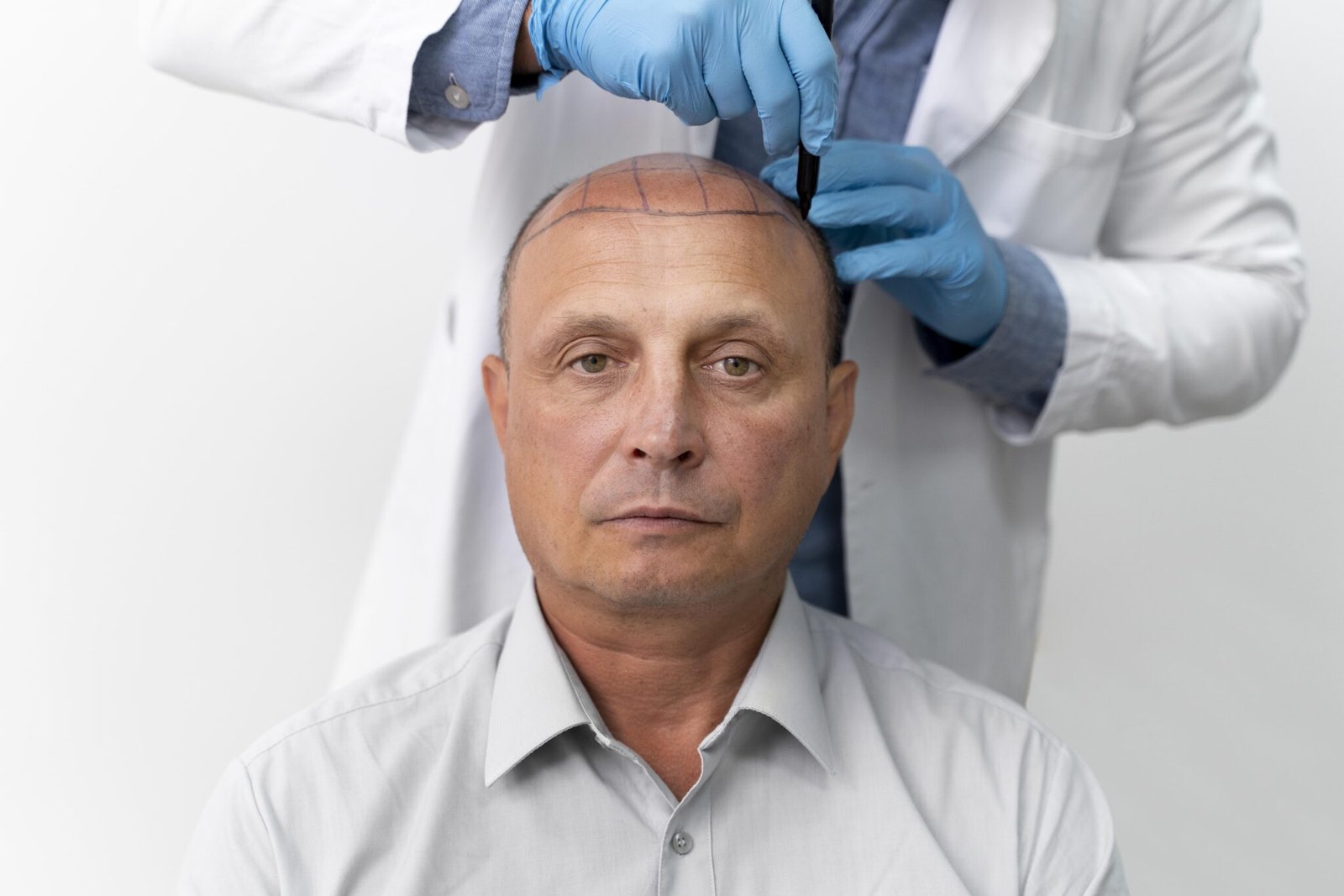
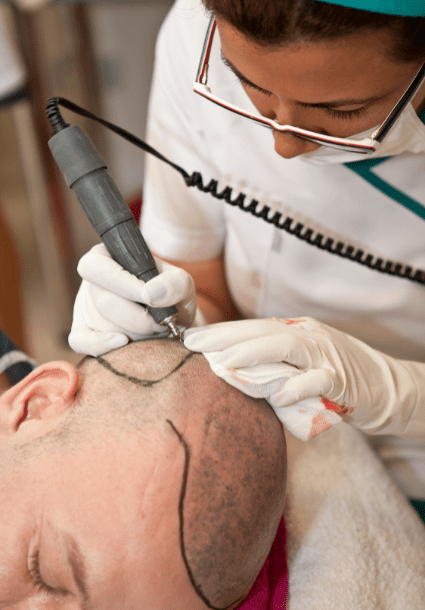
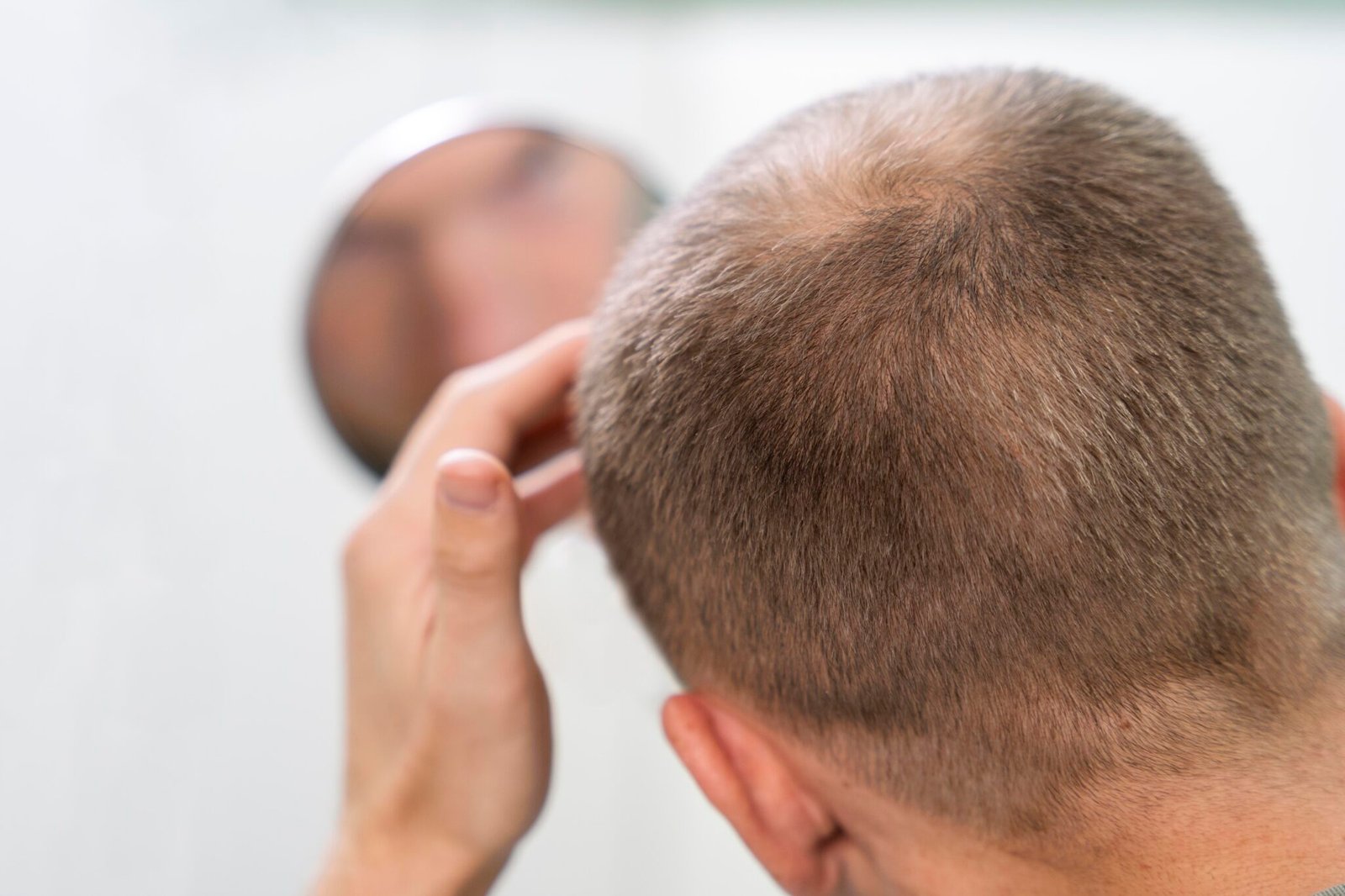
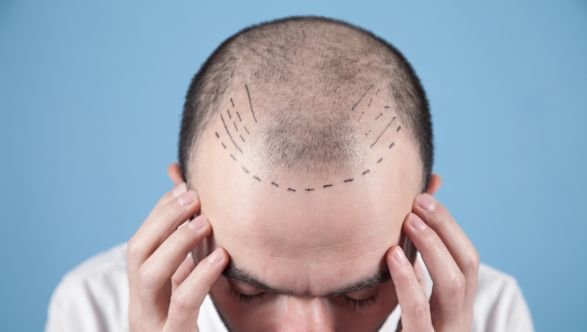
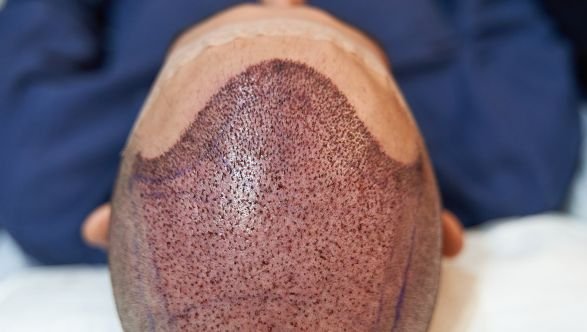

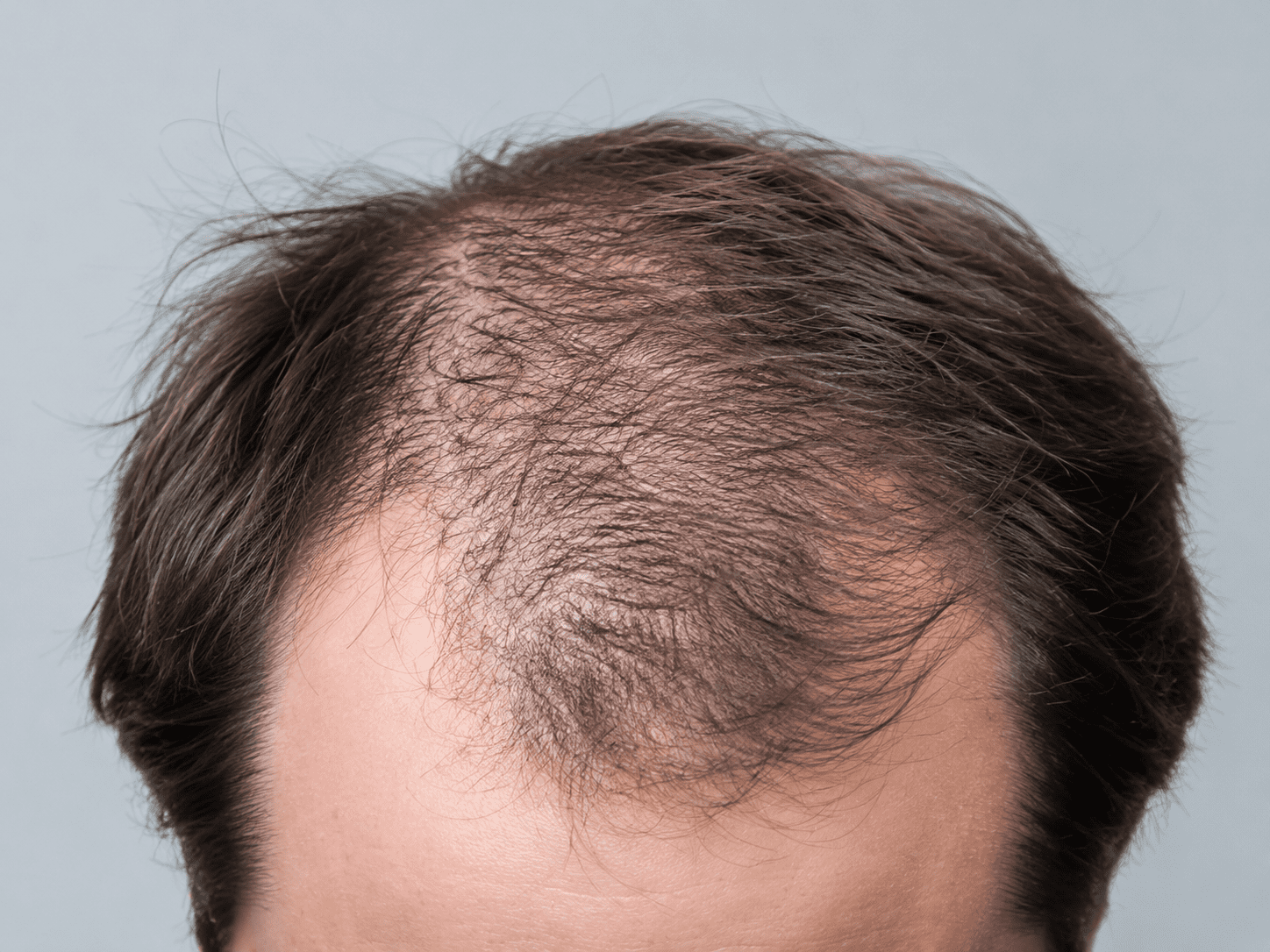


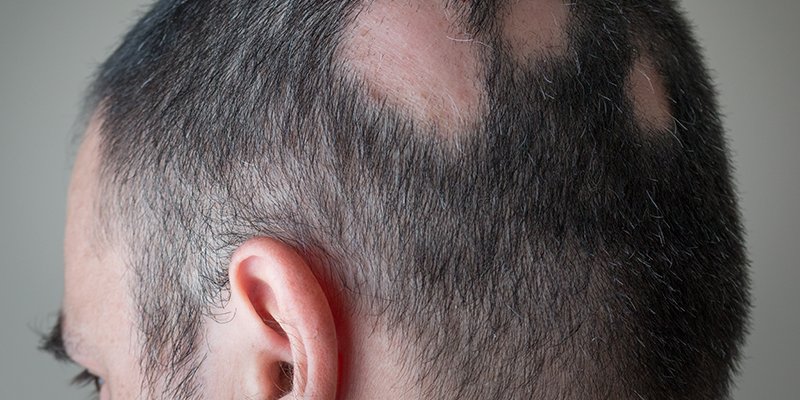
Understanding Scalp Laxity in Hair Transplants
Scalp laxity measures how much the scalp skin can stretch and move. It affects:
- Graft harvesting: Higher laxity makes it easier to extract follicular units during FUE or FUT.
- Donor site closure: Good laxity lowers scalp tension, reducing scarring and aiding wound healing.
- Recipient area preparation: Adequate laxity impacts graft placement and survival.
Surgeons examine scalp laxity to select techniques suited to each patient’s scalp.
Why Scalp Laxity Matters in Indian Hair Transplant Surgery
In India, scalp laxity varies with genetics, age, and skin condition. Knowing this helps customize treatment:
- Low laxity may need advanced methods or staged transplants to avoid tension and complications.
- High laxity allows harvesting more grafts but requires careful planning to protect scalp health.
- Personalized plans reduce healing risks and improve appearance.
Alloroots uses scalp laxity assessment to tailor procedures like hairline design & restoration and crown hair restoration for Indian patients.
Managing Scalp Laxity for Better Hair Transplant Outcomes
Management depends on scalp flexibility:
- Improving flexibility: Scalp massages and pre-surgery exercises may increase laxity.
- Technique selection: When laxity is low, minimally invasive methods like FUE are preferred.
- Adjunct therapies: Treatments like platelet-rich plasma (PRP) and regenerative therapies support scalp health before transplant.
Experienced surgeons can also perform hair transplant repair & correction if laxity issues affected earlier surgeries.
About Alloroots
Alloroots is a doctor-led hair restoration clinic in India specializing in hair transplantation, hair loss treatment, and regenerative care. Led by Dr. Alok Kumar Sahoo (MD Dermatology, AIIMS New Delhi), the clinic offers personalized plans including FUE hair transplant, PRP, GFC, i-PRF, exosome therapy, scalp micropigmentation, and medications. Consultations are available in-clinic and online. Visit https://alloroots.com to learn more or book an appointment.
Ready to discuss your hair restoration plan with a specialist?
Consult UsFAQs
Frequently Asked Questions
1
What is scalp laxity in hair transplant surgery?
Scalp laxity is the looseness or flexibility of the scalp skin, affecting how easily grafts can be harvested and donor sites closed during hair transplant.
2
How does scalp laxity affect hair transplant results?
Good scalp laxity allows for easier graft extraction and less tension during closure, improving healing and reducing scarring risks.
3
Can scalp laxity be improved before surgery?
Some patients may benefit from scalp massages or exercises to improve flexibility, but changes depend on individual skin and tissue condition.
4
Is scalp laxity assessment routine in India?
Yes, experienced clinics in India routinely assess scalp laxity to customize transplant techniques and optimize patient outcomes.
5
Does scalp laxity vary by age or genetics?
Yes, factors like age, genetics, and skin health influence scalp laxity, making personalized evaluation important.
6
What treatment options consider scalp laxity?
Techniques such as FUE, hairline restoration, crown restoration, and repair procedures are chosen based on scalp laxity assessment.
Speak with our hair restoration specialists about your treatment options.
Book a Consultation View PricingPopular Searches
Hair Transplant in India vs Local Surgeons
Medical Evaluation Before Hair Transplant Surgery in India
Managing Linear Scars After Hair Transplant in India
Managing Scalp Conditions Before Hair Transplant in India
India’s Ranking in Global Hair Transplant Standards
India’s Hair Transplant Standards Compared to the World
Hair Transplant in India vs Other Countries: Global Comparison
Hair Transplant Downtime and Recovery in India
Hair Transplant Quality in India vs UK
Treating Thinning Areas with Hair Transplant in India
Fixing Low Density Hair Transplants in India
Post-Operative Care for Hair Transplants in India
Hair Transplant in India Meeting Western Standards
Hair Transplant in India for Telugu Patients
Relaxed Environment for Hair Transplant in India
Hair Transplant Revision Surgery in India