
Traction Alopecia Recovery
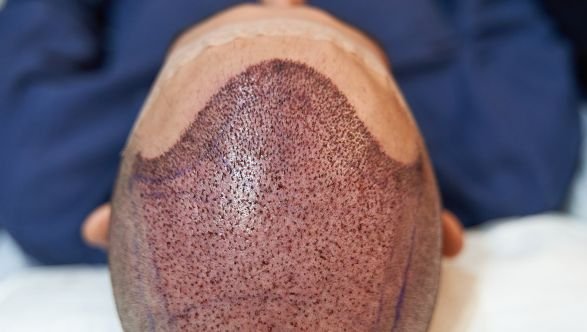
Recovering from traction alopecia involves stopping further hair damage and promoting regrowth through a doctor-led, personalized plan. Early treatment is key and may include medical therapies or surgical options like a male hair transplant or female hair transplant, based on individual needs.



Causes and Early Signs of Traction Alopecia
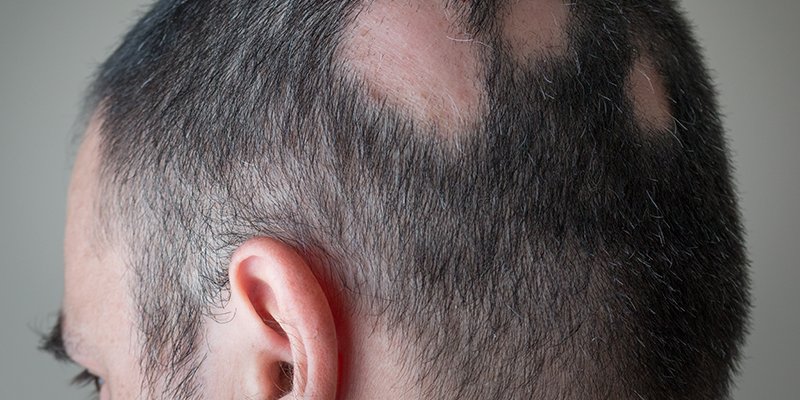
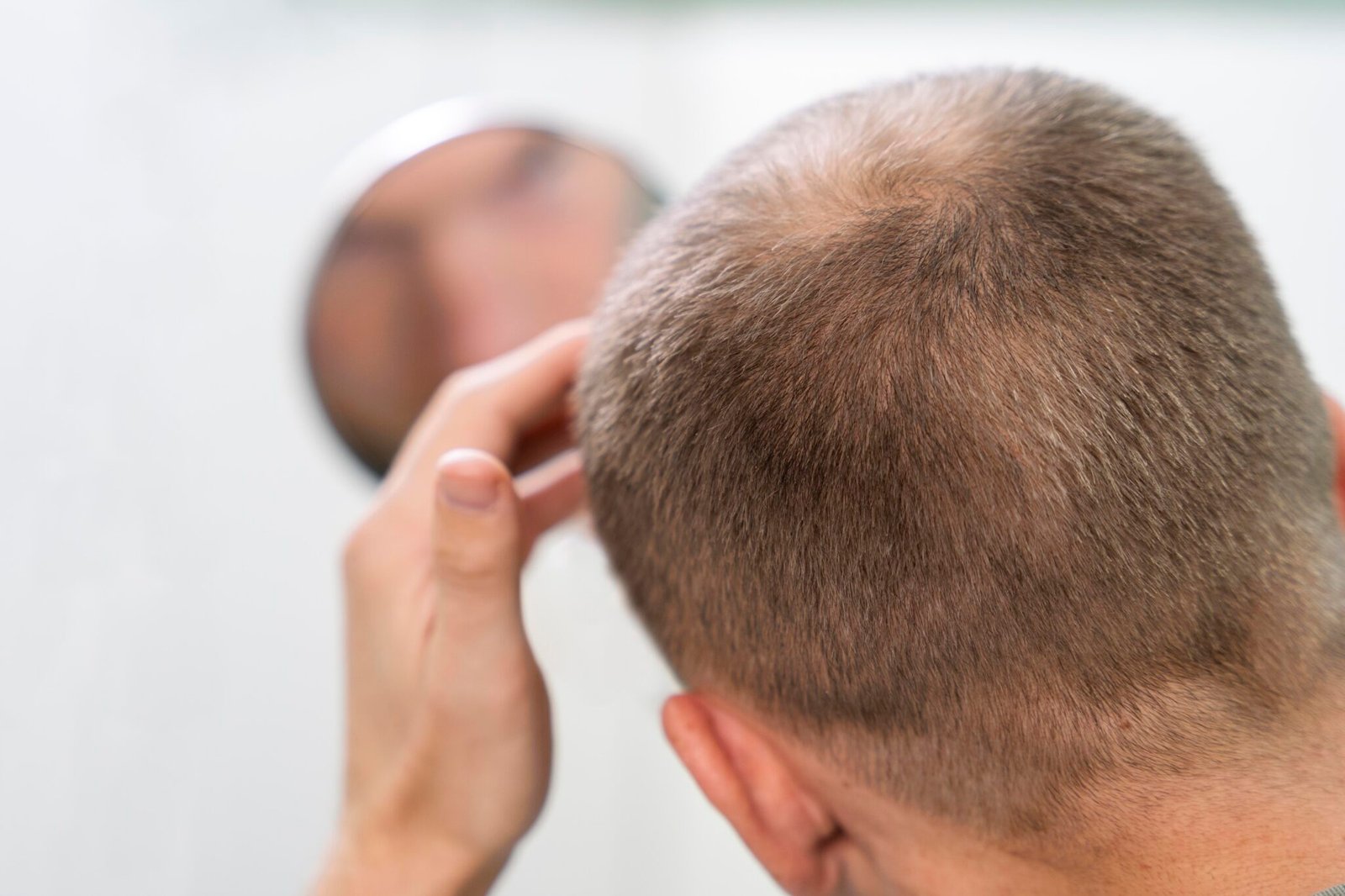
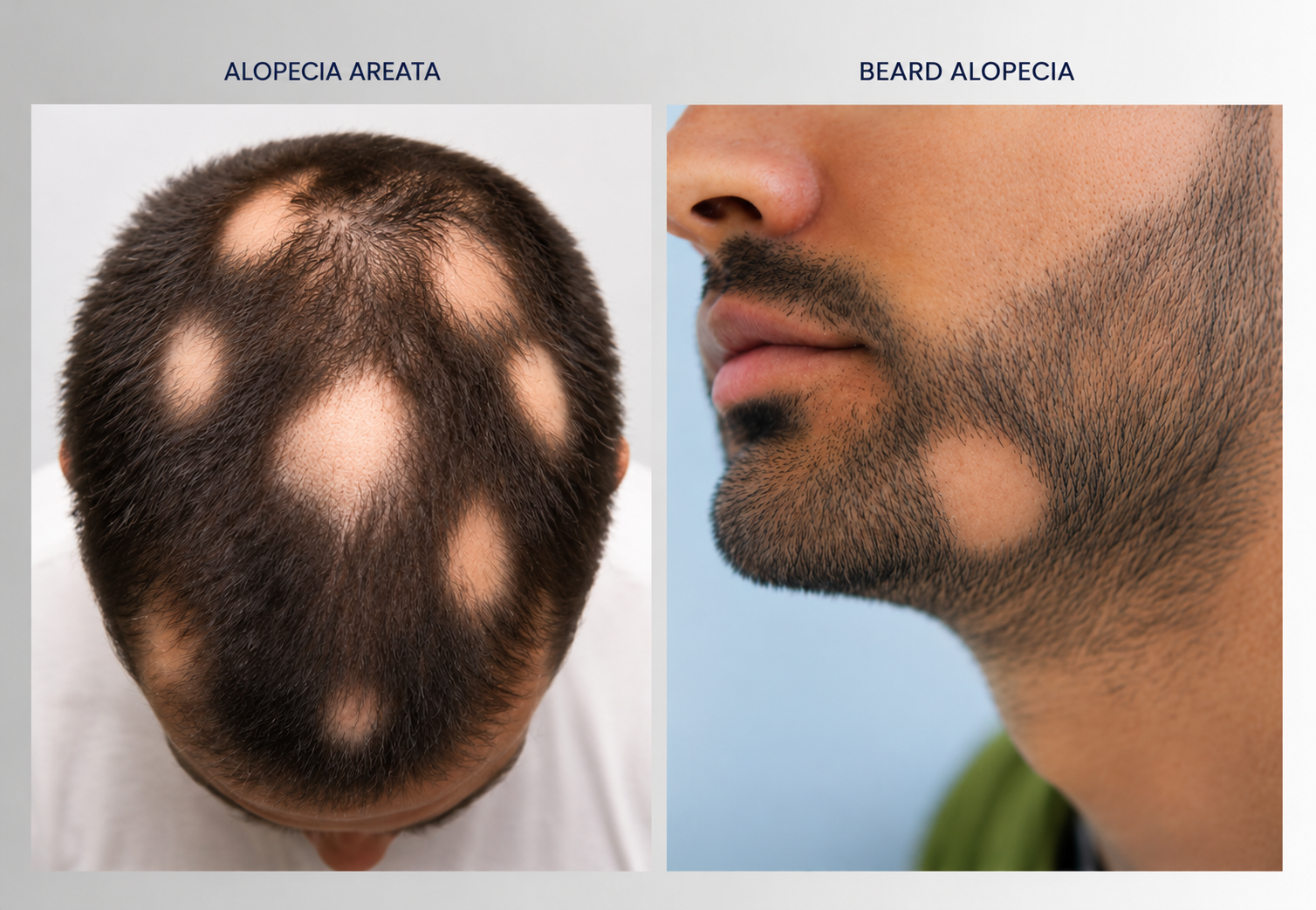
Traction alopecia is caused by prolonged tension on hair follicles, often from tight hairstyles such as braids, ponytails, or extensions. Early signs include scalp tenderness, hair thinning, and small patches of hair loss. Removing the source of tension quickly can allow follicles to recover and may reverse hair loss before scarring develops.
- Avoid tight hairstyles and extensions to eliminate traction.
- Use gentle hair care to prevent further damage.
- Watch for scalp inflammation or follicle damage.
Medical and Surgical Treatment Options
A doctor evaluates the severity to recommend treatment. Non-surgical options aim to stimulate follicles and reduce inflammation:
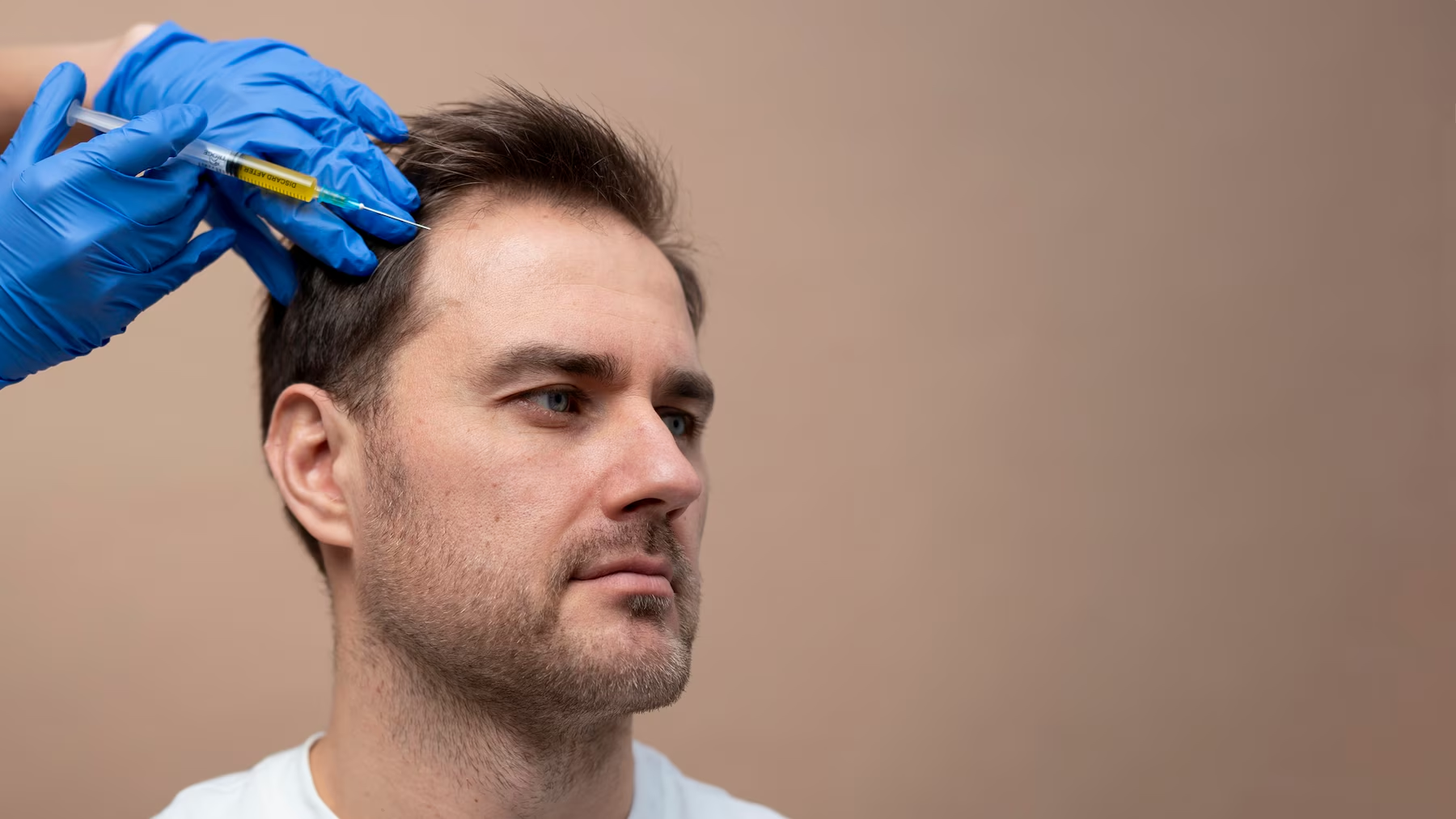
- PRP hair restoration therapy promotes healing and follicle regeneration.
- Growth factor hair therapy (GFC) supports cellular repair.
- Prescription topical or injectable medications reduce scalp inflammation.
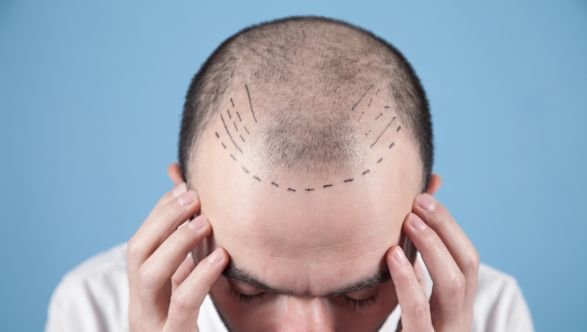
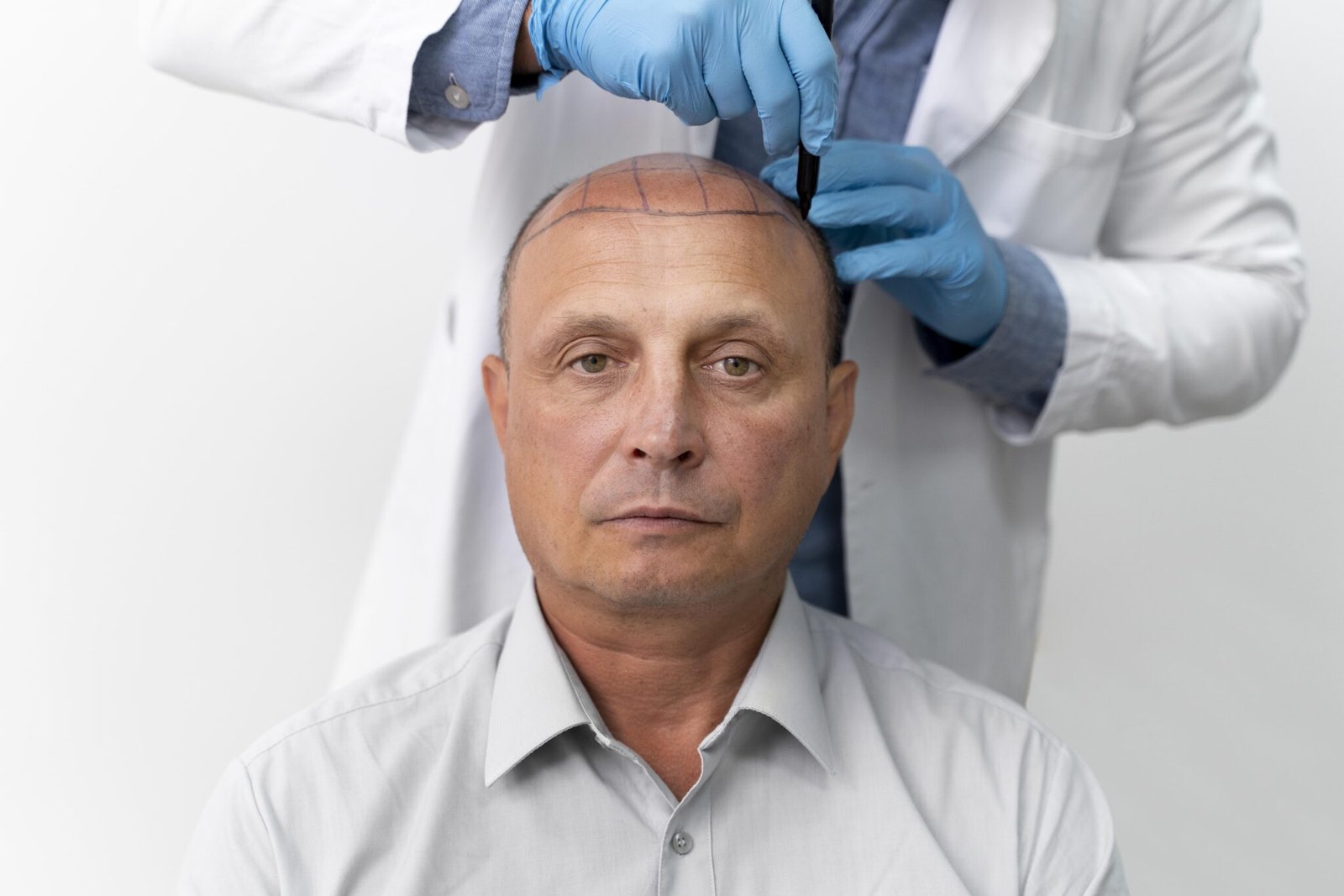
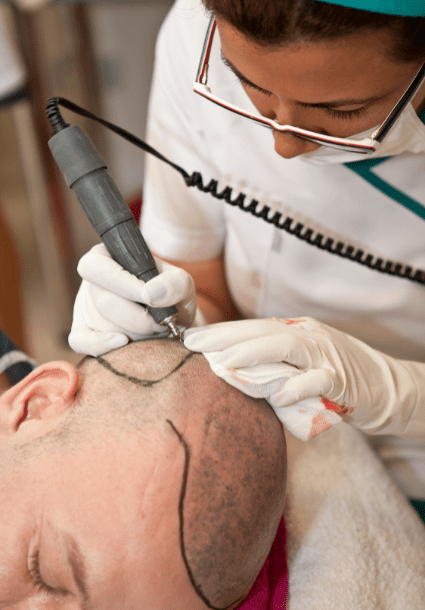
If follicle damage is permanent due to scarring, surgical options like follicular unit extraction (FUE) can restore hair. Specialized procedures include hairline design and restoration and scar hair restoration. These require a tailored plan considering donor hair and scalp condition.
Recovery Timeline and Care Guidelines
Recovery depends on treatment and patient factors. Medical therapies may take several months to show results. Hair transplant results typically appear over 6 to 12 months after the procedure.
- Avoid hairstyles that stress the scalp during and after treatment.
- Maintain scalp hygiene with mild, non-irritating products.
- Expect gradual hair regrowth; results vary by individual.
- Keep regular follow-ups with your specialist for monitoring and adjustments.
About Alloroots
Alloroots is a doctor-led hair restoration clinic in India specializing in evidence-based treatments for hair loss including traction alopecia. Led by Dr. Alok Kumar Sahoo (MD Dermatology, AIIMS New Delhi), Alloroots offers personalized care through procedures like FUE hair transplant, PRP therapy, GFC, and other regenerative treatments. Patient privacy and individualized plans guide their care. Visit Alloroots.com for details.
Ready to discuss your hair restoration plan with a specialist?
Consult UsFAQs
Frequently Asked Questions
1
Can traction alopecia be fully reversed?
If caught early and tension is stopped promptly, hair regrowth is often possible. Advanced cases with scarring may need medical or surgical treatments for improvement.
2
What causes traction alopecia?
It results from prolonged pulling or tension on hair follicles, commonly due to tight hairstyles like braids, ponytails, or hair extensions.
3
Which treatments help recover traction alopecia?
Treatment options include stopping tension, medical therapies such as PRP or minoxidil, and hair transplants for permanent follicle loss.
4
How long does recovery from traction alopecia take?
Recovery timing varies; medical treatments may take months, while hair transplant results typically develop over 6 to 12 months.
5
Is hair transplant effective for traction alopecia?
Yes, hair transplant can restore density in areas of permanent follicle damage, but it requires a personalized plan based on scalp assessment.
6
Can lifestyle changes prevent traction alopecia recurrence?
Avoiding tight hairstyles and harsh hair treatments reduces risk and supports long-term scalp health.
Speak with our hair restoration specialists about your treatment options.
Book a Consultation View PricingPopular Searches
Traction Alopecia Scalp Therapy
Traction Alopecia Specialist
Traction Alopecia Treatment India
Traction Alopecia Treatment in India
Traction Alopecia Treatment Cost
Online Consultation Traction Alopecia
Hair Transplant Shock Loss Recovery India
Hair Transplant Recovery in India
Hair Transplant Downtime and Recovery in India
Hair Restoration Alopecia
Alopecia Surgery
Hair Transplant for Accident Scars in India
Complete Hair Transplant Recovery Guide for India
Titanium Blade FUE Hair Transplant in India
Hair Regrowth Products Scarring Alopecia
Hair Transplant Revision Surgery in India