

Understanding Coverage Percentage in Hair Transplants in India
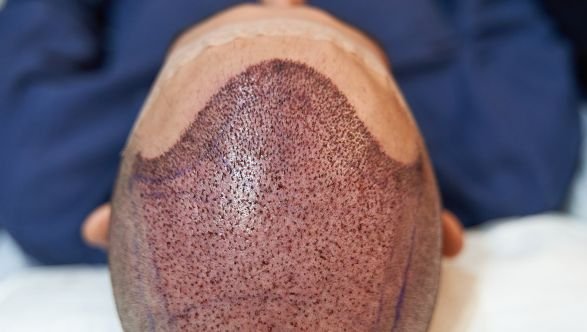
Coverage percentage in hair transplants refers to the part of the scalp restored with transplanted hair follicles. In India, coverage depends on donor hair availability, transplant method, and scalp condition. Doctor-led procedures like a male hair transplant or female hair transplant focus on maximizing coverage through personalized treatment plans.



Key Factors Influencing Coverage Percentage in Hair Transplants
The achievable coverage depends on clinical and procedural factors that guide treatment goals.
- Donor Hair Density: The quantity and quality of hair in donor areas, usually the back and sides, determine how many grafts can be harvested.
- Scalp Laxity and Size: A looser scalp allows better graft placement. The size of the bald or thinning area affects potential coverage.
- Transplant Technique: Follicular Unit Extraction (FUE) is common in India for precise graft placement with minimal scarring, supporting natural coverage.
- Hair Characteristics: Thickness, curl, and color contrast influence how dense the coverage appears after transplant.
- Patient Health and Healing: Healing response affects graft survival and final coverage.
Hair Transplant Options to Optimize Coverage in India
Options vary based on coverage needs and follow a detailed scalp evaluation.
- Male Hair Transplant: Uses FUE to restore hair in male pattern baldness.
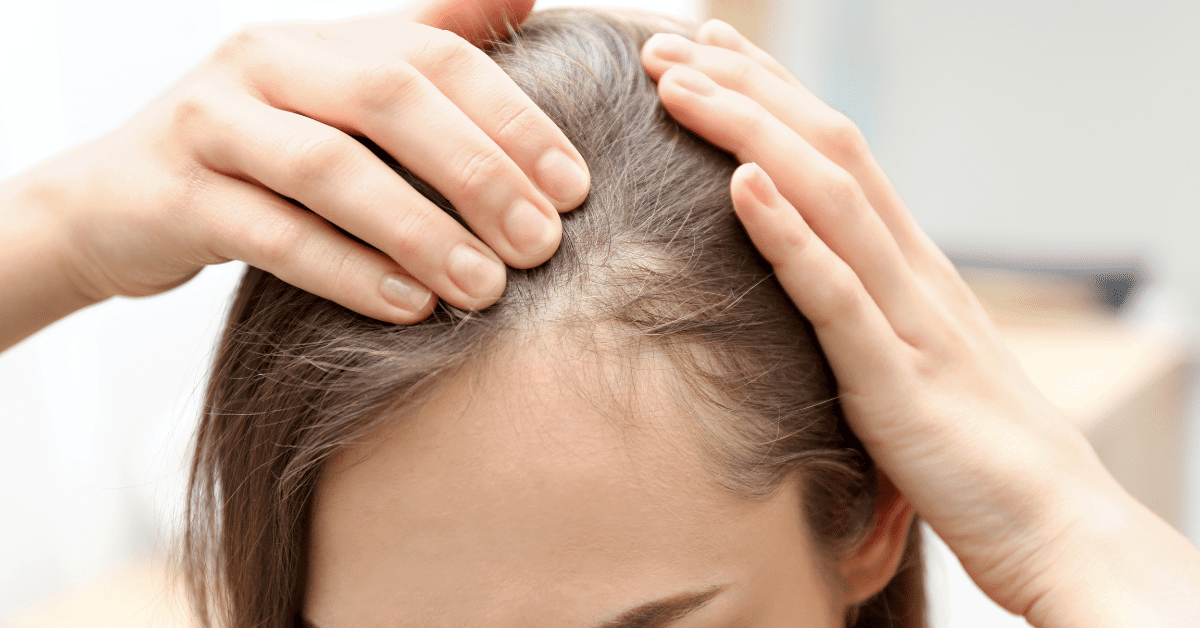
- Female Hair Transplant: Targets female hair loss patterns with minimally invasive methods.
- Hairline Design & Restoration: Reconstructs natural hairlines to improve frontal coverage.
- Body Hair Transplant: Supplements scalp donor hair when scalp supply is limited.
Coverage Expectations and Patient Outcomes
Coverage varies by donor supply, recipient site, and healing. Clinics in India offer personalized counseling and privacy during evaluation and treatment. Results develop over months. Adjunct treatments like PRP or hair mesotherapy may enhance graft survival and scalp health.
Consulting specialists who offer male or female hair transplant ensures treatment matches individual needs and goals. Clinics usually advise bringing medical history and prior treatment records. Appointments often require advance booking and pre-procedure evaluation.
About Alloroots
Alloroots is a doctor-led hair restoration clinic in India specializing in hair transplantation and hair loss treatments. Led by Dr. Alok Kumar Sahoo (MD Dermatology, AIIMS New Delhi), Alloroots offers personalized plans including FUE hair transplants, PRP, GFC, i-PRF, exosome therapy, and scalp micropigmentation. Consultations are available in-clinic and online, focusing on evidence-based care and patient privacy. Visit Alloroots.com for details.
Ready to discuss your hair restoration plan with a specialist?
Consult UsFAQs
Frequently Asked Questions
1
What does coverage percentage mean in hair transplants?
It refers to the proportion of the bald or thinning scalp area that can be effectively covered with transplanted hair follicles.
2
Which factors affect coverage percentage in hair transplants?
Donor hair density, scalp size and laxity, transplant technique, hair characteristics, and individual healing all influence coverage percentage.
3
Can coverage percentage be predicted before the transplant?
Doctors provide an estimated coverage based on clinical assessment, but exact results vary due to individual factors.
4
Are there different hair transplant options for men and women?
Yes, male and female hair loss patterns differ, so treatments like male hair transplant and female hair transplant are customized accordingly.
5
How long does it take to see full coverage results?
Hair transplant results typically develop over 6 to 12 months as transplanted follicles grow and mature.
6
Is additional treatment needed to improve coverage after transplant?
Adjunct therapies like PRP or hair mesotherapy can support graft survival and hair growth but depend on individual assessment.
Speak with our hair restoration specialists about your treatment options.
Book a Consultation View PricingPopular Searches
Hair Transplant Coverage Areas Explained for India Patients
Hair Transplant Insurance in India
Understanding Graft Counts for Hair Transplants in India
Insurance Receipts for Hair Transplants in India
Hair Transplant Success Rates in India
Hair Transplant Graft Survival Rates in India
India’s Hair Transplant Standards Compared to the World
Scalp Coverage Planning for Hair Transplant in India
Hair Transplant Guarantee in India
Hair Growth Expectations After a Transplant in India
Setting Realistic Expectations for Hair Transplants in India
Hair Transplant Before and After Results in India
Hair Transplant in India vs USA
Understanding Hair Transplant Contracts in India
Hair Transplant in India: Procedures and Benefits
Hair Transplant in India: Net Savings Explained