
Understanding Hairline Maturation in Indian Hair Transplants
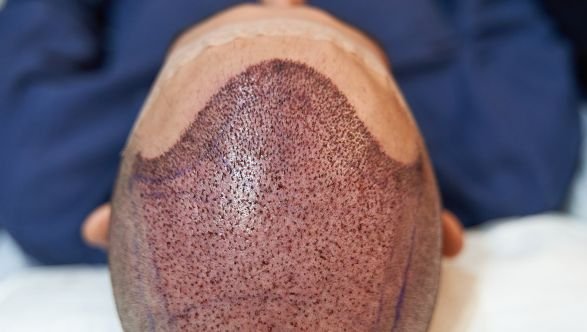
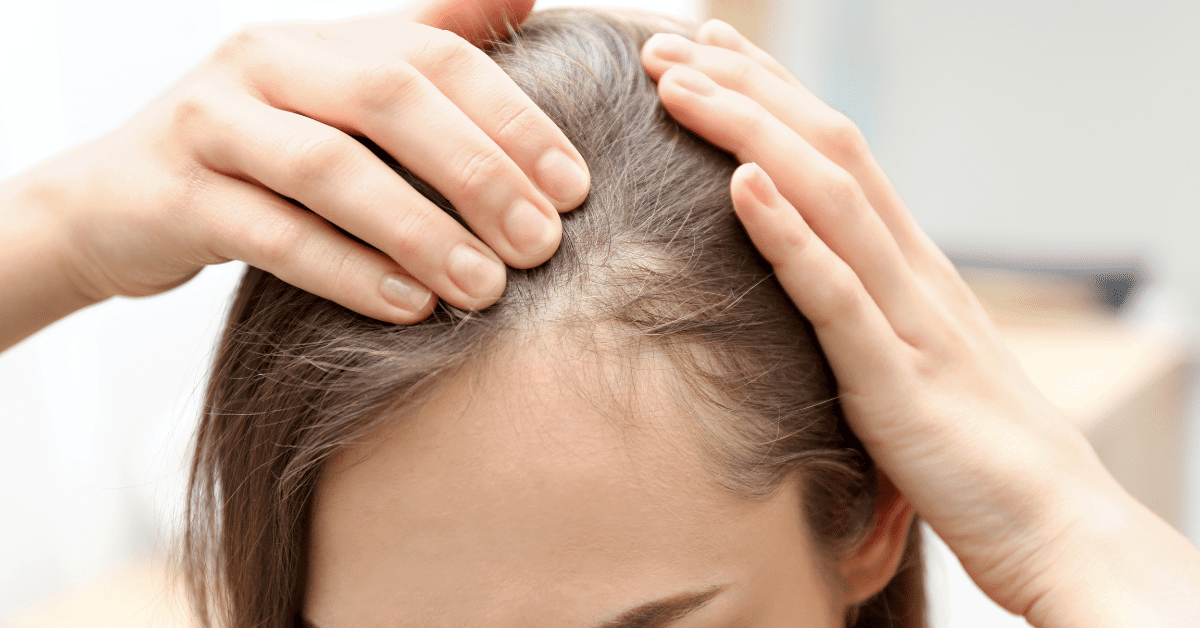
Hairline maturation refers to how transplanted hair settles and grows along the hairline after surgery. This process takes several months and affects the final look. Patients considering a male hair transplant or female hair transplant should understand this timeline to set realistic expectations.


What Is Hairline Maturation in Hair Transplants?
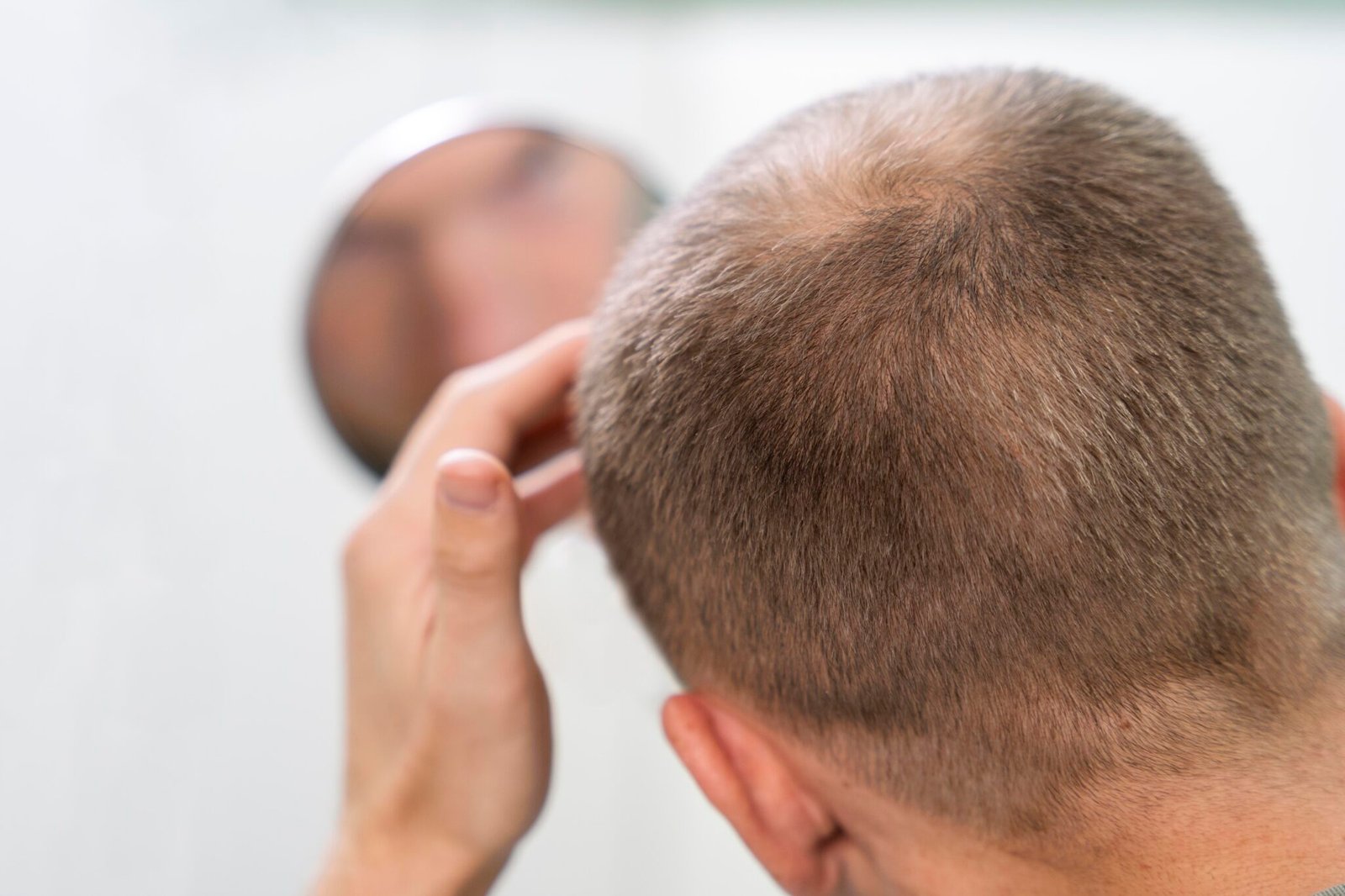
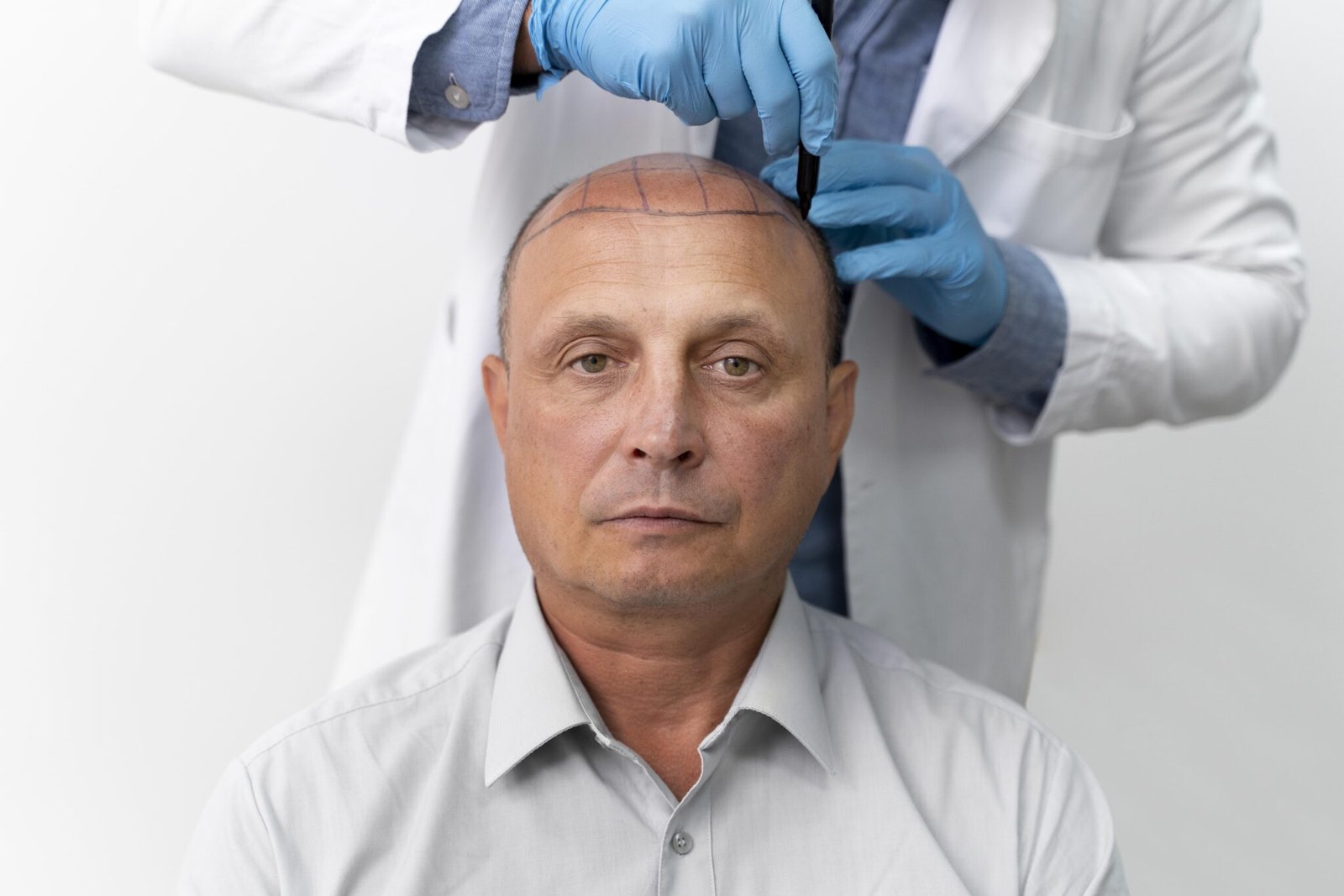
Hairline maturation is when transplanted hair follicles adjust, grow, and blend with existing hair. After surgery, transplanted hair usually sheds in the first few weeks. New growth begins around 3 to 4 months. The hairline keeps improving in appearance for 9 to 12 months or more.
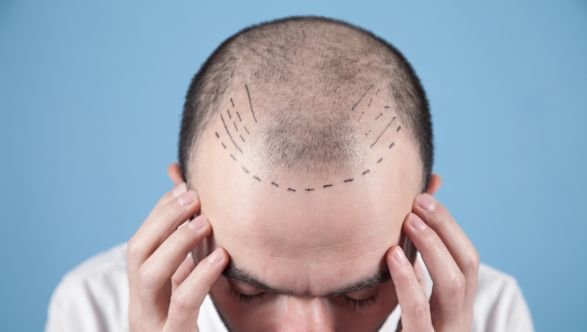
For Indian patients, hair texture, scalp condition, and skin type influence how the hairline matures. Doctors design the hairline to match natural hair angles and density for a seamless look.
Key Factors Influencing Hairline Maturation in Indian Hair Transplants
- Hair Texture: Indian hair is often thick and coarse, supporting a fuller hairline after transplantation.
- Scalp Characteristics: Skin elasticity and scalp thickness affect graft survival and hairline stability.
- Design and Placement: Personalized design ensures natural hair direction and density for better maturation.
- Postoperative Care: Following care instructions promotes healthy growth and lowers complication risks.
Hairline Restoration and Enhancement Options
To improve or correct the hairline, several doctor-led treatments are available:
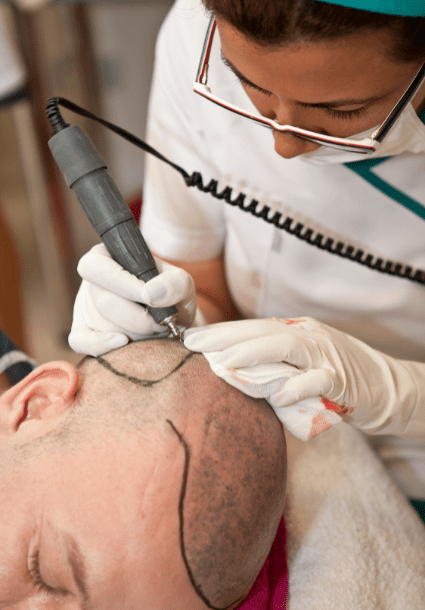
- Hairline Design & Restoration offers customized reconstruction focusing on natural patterns.
- Male Hair Transplant and Female Hair Transplant use FUE techniques tailored to Indian hair.
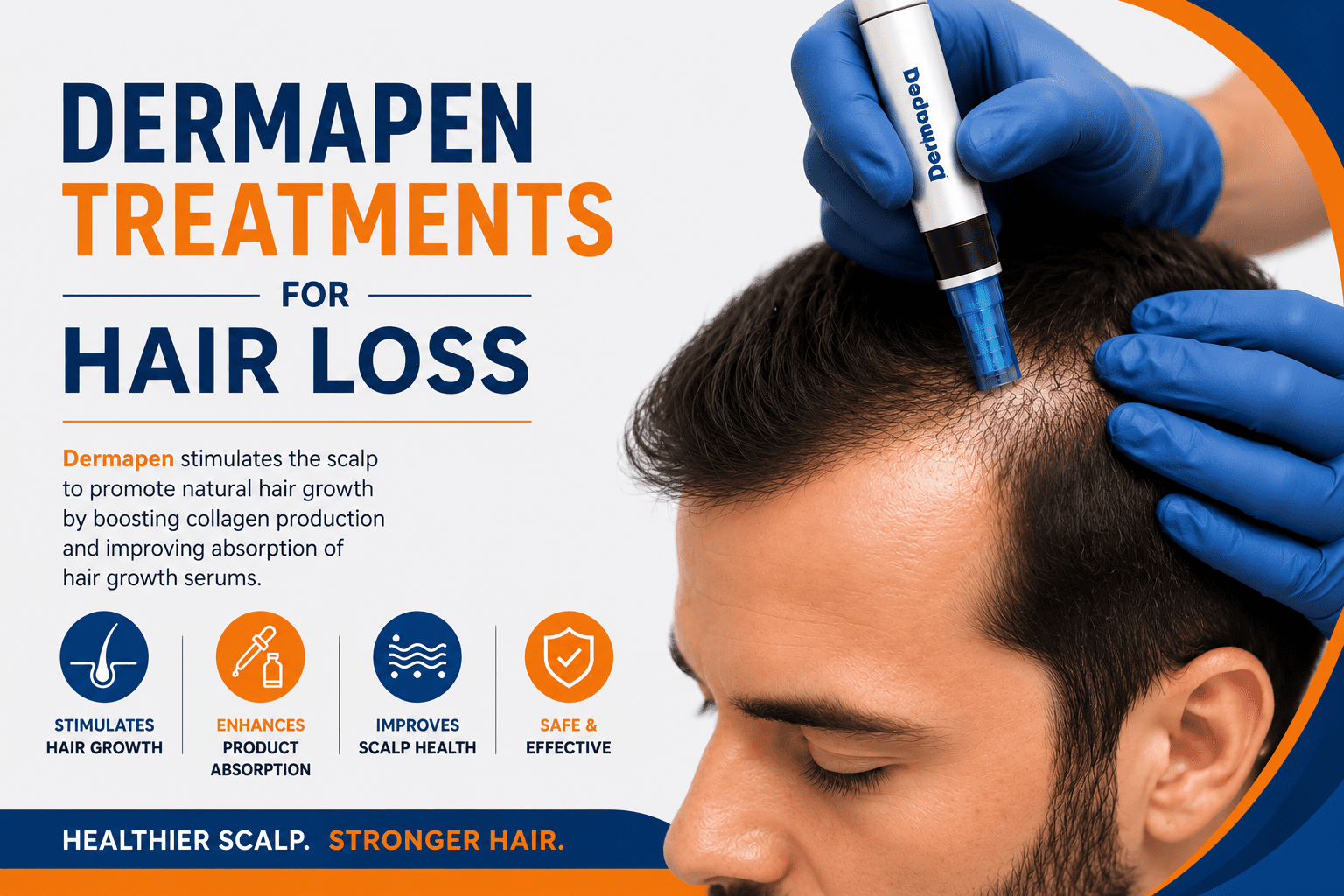
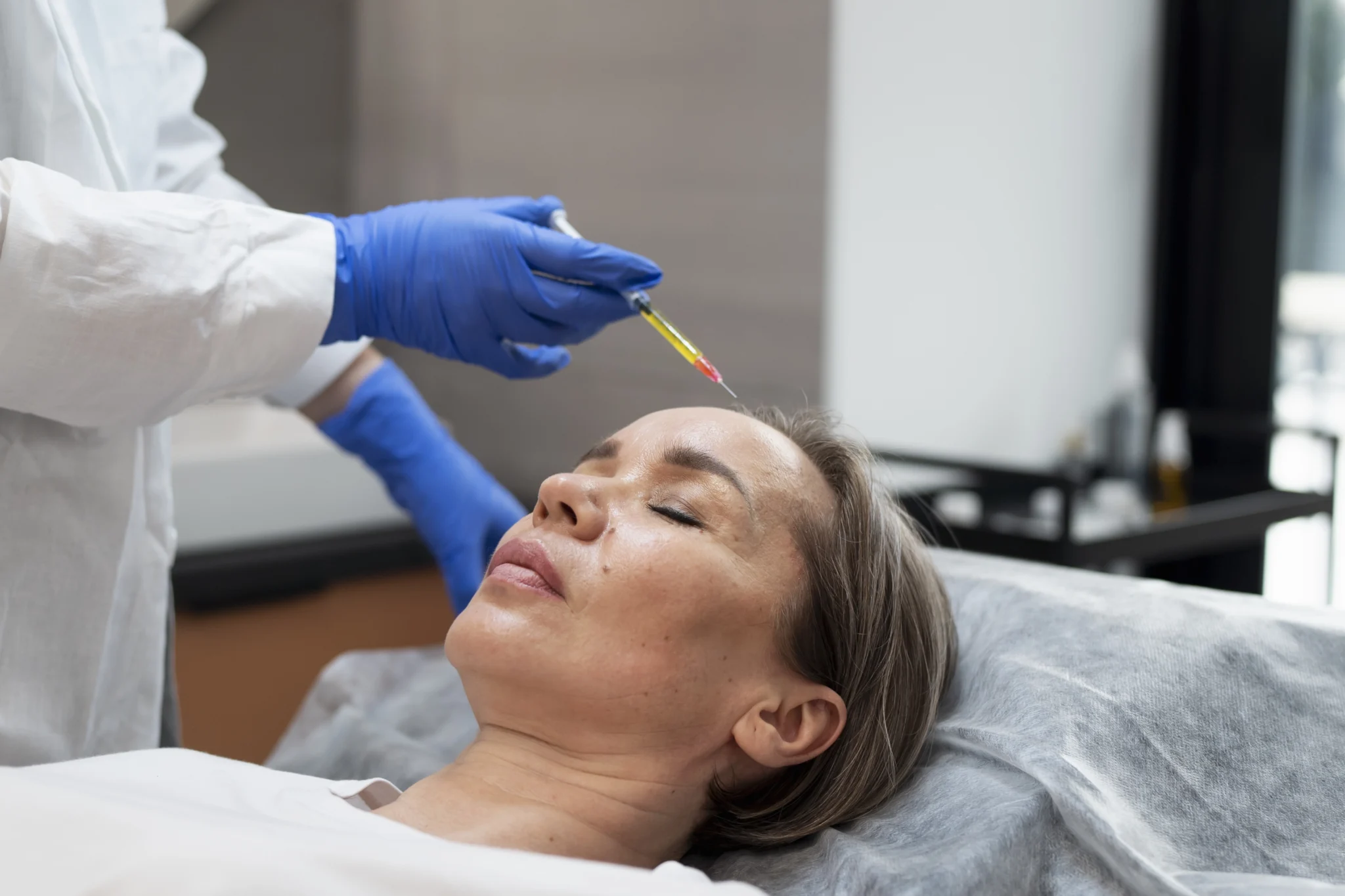
- Regenerative treatments like Growth Factor Hair Therapy (GFC) and Hair Mesotherapy support follicle health during maturation.
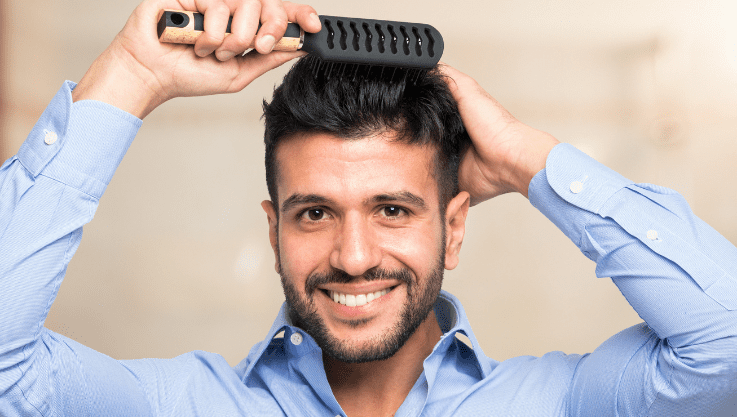
A personalized plan based on individual assessment helps ensure the hairline matures naturally and suits facial features.
Managing Expectations During Hairline Maturation
The maturation process is gradual and requires patience. Follow-up visits at a doctor-led clinic track progress and allow early intervention if needed. Results vary based on genetics and care compliance. Sometimes, adjustments or repairs are needed to improve outcomes.
Combining transplant surgery with supportive therapies can optimize hairline density and appearance. Knowing the typical timeline helps avoid premature conclusions about results.
About Alloroots
Alloroots is a doctor-led hair restoration clinic in India specializing in hair transplantation, hair loss treatment, and regenerative therapies. Led by Dr. Alok Kumar Sahoo (MD Dermatology, AIIMS New Delhi), Alloroots offers personalized plans including FUE hair transplant, Growth Factor Concentrate (GFC), i-PRF, exosome therapy, scalp micropigmentation, and evidence-based medications. Consultations are available in-clinic and online. Visit https://alloroots.com for details.
Ready to discuss your hair restoration plan with a specialist?
Consult UsFAQs
Frequently Asked Questions
1
How long does hairline maturation take after a hair transplant?
Hairline maturation typically takes 9 to 12 months, with initial shedding in the first weeks and gradual regrowth and thickening over time.
2
Does Indian hair texture affect hairline maturation?
Yes, the thick and coarse texture of Indian hair can enhance the density and natural appearance of the matured hairline.
3
Can hairline restoration be adjusted after initial transplantation?
Yes, doctor-led clinics offer hairline restoration and repair procedures if the matured hairline requires refinement.
4
What care is recommended during hairline maturation?
Following postoperative instructions, avoiding harsh treatments, and attending regular check-ups support healthy hairline maturation.
5
Are results of hairline maturation the same for every patient?
No, results vary based on individual healing, genetics, and adherence to care, so personalized assessment is essential.
6
What treatments support hair follicle health during maturation?
Regenerative therapies like Growth Factor Hair Therapy (GFC) and Hair Mesotherapy help improve follicle strength and maturation outcomes.
Speak with our hair restoration specialists about your treatment options.
Book a Consultation View PricingPopular Searches
Understanding the Hair Growth Phase After Transplant in India
Complete Hairline Design Process for Transplants in India
Hair Transplant Hairline Design in India
Hairline Drawing for Transplants in India
Hair Growth Expectations After a Transplant in India
Hairline Drawing Session Before Transplant in India
Hair Transplant Coverage Areas Explained for India Patients
Achieving Natural-Looking Hair Transplants in India
Holistic Approach to Hair Transplant in India
Hairline Transplant in India
Hair Transplant Growth Timeline in India
Understanding Donor Area in Hair Transplants in India
Complete Patient Preparation Checklist for Hair Transplant in India
Setting Realistic Expectations for Hair Transplants in India
Understanding Hair Transplant Contracts in India
Personalized Hair Transplant Experience in India