

Understanding Scalp Zones for Hair Transplant in India
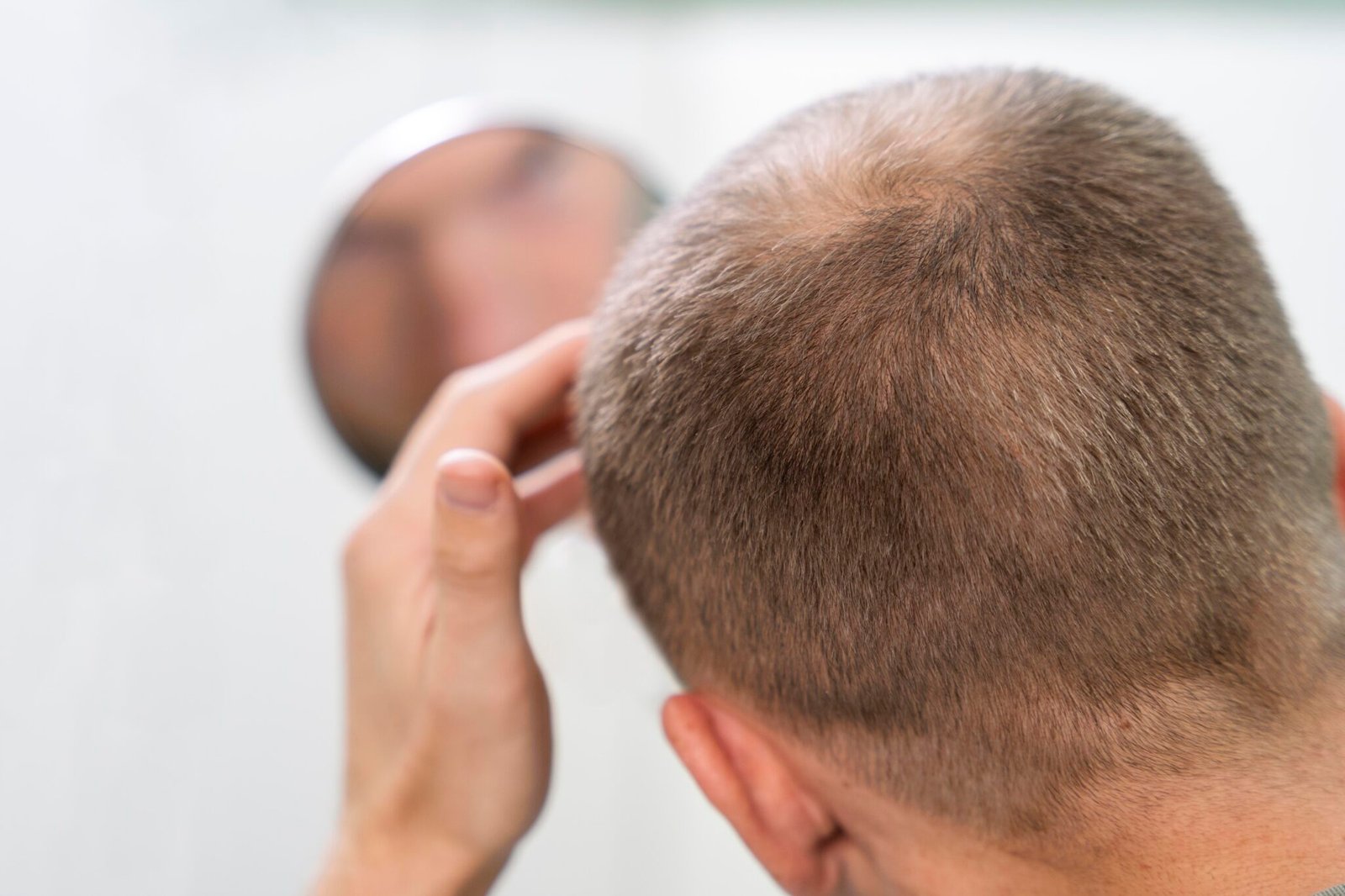
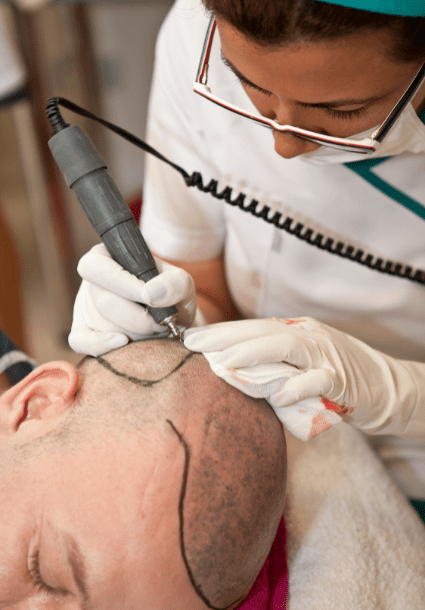
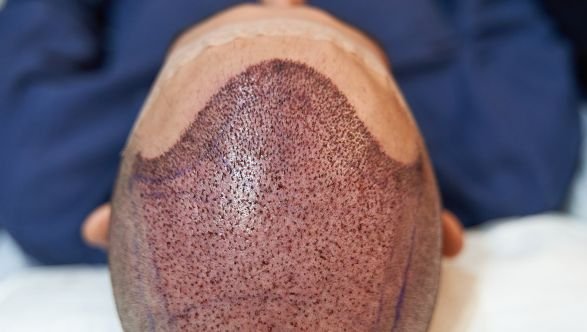
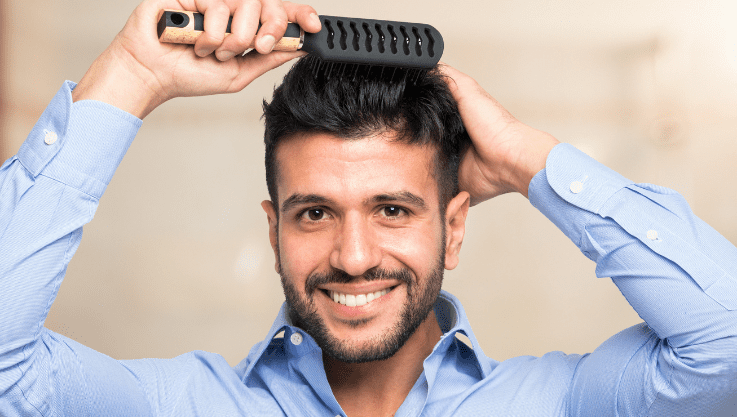
Knowing the different scalp zones helps plan effective hair transplants in India. The scalp includes the donor zone, recipient zone, hairline, crown, and sides. Treatments like male hair transplant and female hair transplant depend on these zones for graft placement and results.

Key Scalp Zones in Hair Transplant
The main scalp zones affecting hair restoration are:
- Donor Zone: Back and sides of the head with permanent hair follicles used for grafts.
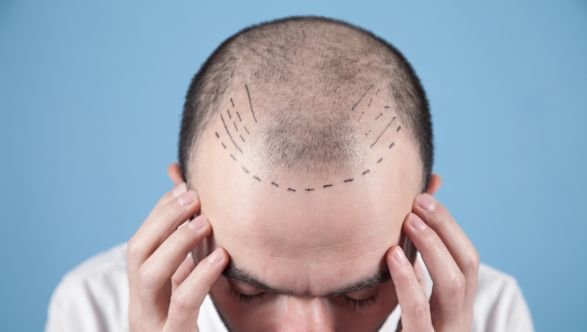
- Recipient Zone: Balding or thinning areas like the frontal scalp, hairline, and crown where grafts are implanted.
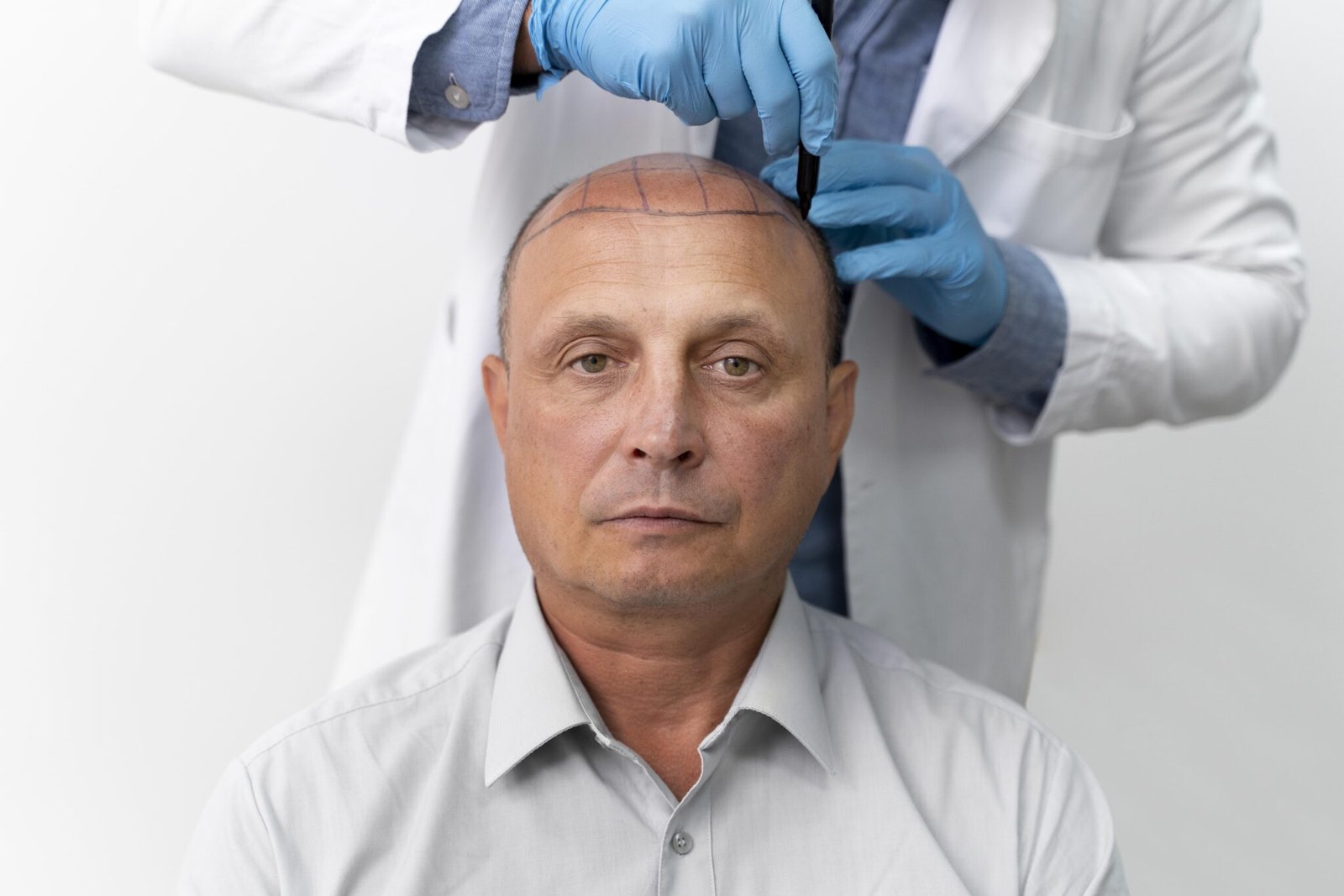
- Hairline Zone: The front edge of the scalp, important for a natural hairline and facial balance.
- Crown Zone: The top back of the head, needing special techniques due to hair growth patterns.
How Scalp Zones Influence Hair Transplant Planning
Each zone affects transplant technique and outcomes. Donor zone density and quality determine available grafts. Recipient zone size and scalp laxity guide graft distribution. For example, hairline design and restoration must match the patient's age and face for natural results.
Surgeons choose Follicular Unit Extraction (FUE) or Follicular Unit Transplantation (FUT) based on the zones involved. Patients with scarring or patchy loss may consider scar hair restoration targeted to those zones. Treatment plans are personalized.
Practical Tips for Hair Transplant in India Considering Scalp Zones
- Choose a doctor-led clinic: Proper evaluation of scalp zones ensures a suitable plan.
- Know donor area limits: Back and sides supply most grafts; if limited, body hair transplant may help.
- Plan hairline and crown separately: These zones often need special techniques or staged procedures.
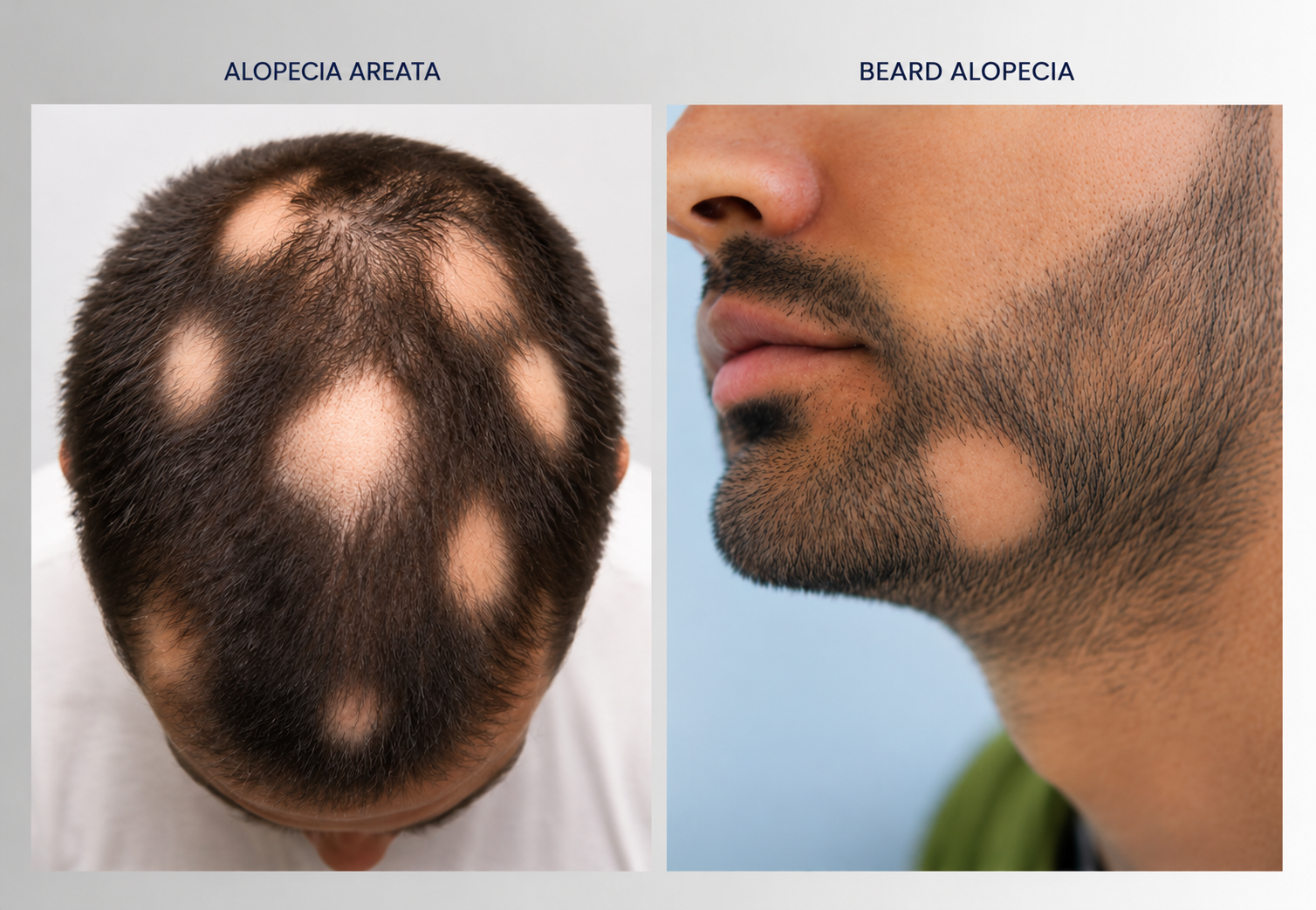
- Schedule early consultations: Conditions like alopecia affect timing and approach.
Following preoperative instructions and attending follow-ups is key to monitor healing in different zones. Results vary by scalp condition and care.
About Alloroots
Alloroots is a doctor-led hair restoration clinic in India led by Dr. Alok Kumar Sahoo (MD Dermatology, AIIMS New Delhi). The clinic offers personalized treatments including FUE hair transplant, male hair transplant, female hair transplant, hairline design and restoration, PRP, GFC, i-PRF, exosome therapy, scalp micropigmentation, and hair restoration medications. They focus on privacy, evidence-based care, and treatments tailored to individual scalp zones. Consultations are available in-clinic and online. Visit Alloroots.com for details.
Ready to discuss your hair restoration plan with a specialist?
Consult UsFAQs
Frequently Asked Questions
1
What is the donor zone in hair transplant?
The donor zone is the area at the back and sides of the scalp where hair follicles are harvested for transplantation. Hair here is usually resistant to balding.
2
Why is understanding scalp zones important for hair transplant?
Knowing scalp zones helps determine where to extract grafts and where to implant them, ensuring natural results and efficient use of available hair.
3
Can hair transplants treat the crown area effectively?
Yes, but the crown requires special attention due to its unique hair growth pattern and curvature. A doctor-led plan customizes graft placement for this zone.
4
What options exist if donor hair is limited in the scalp?
Body hair transplant can supplement scalp donor hair. Clinics like Alloroots offer this option based on individual assessment.
5
How does hairline design relate to scalp zones?
The hairline zone is critical for aesthetic outcome. It requires precise planning to match natural growth direction and patient age.
6
Are results consistent for all scalp zones after transplant?
Results vary by individual factors such as scalp condition, graft survival, and adherence to post-op care. Privacy and personalized plans are essential.
Speak with our hair restoration specialists about your treatment options.
Book a Consultation View PricingPopular Searches
Hair Transplant Zone Matching in India
Scalp Coverage Planning for Hair Transplant in India
Frontal Zone Hair Transplant in India
Hair Transplant Coverage Areas Explained for India Patients
Managing Scalp Conditions Before Hair Transplant in India
Hair Transplant for the Vertex Area in India
Understanding Donor Area in Hair Transplants in India
Donor Area Management for Hair Transplants in India
Hair Transplant for Temporal Area Restoration in India
Planning a Hair Transplant in India from the US
Medical Tourism for Hair Transplant in India
Complete Guide to Hair Transplant Medical Tourism in India
Beard to Scalp Hair Transplant in India
Book Your Hair Transplant Appointment in India
Complete Hairline Design Process for Transplants in India
Holistic Approach to Hair Transplant in India