

When to Get a Hair Transplant in India
When to get a hair transplant in India is determined best at a doctor-led clinic like Alloroots, where Dr. Alok Kumar Sahoo assesses hair loss patterns, scalp health, and donor hair before recommending surgery. If hair loss is permanent and regrowth is unlikely, procedures such as male hair transplant or female hair transplant may help restore density. Timing depends on loss stability, donor area quality, and planning for a natural result over the long term.
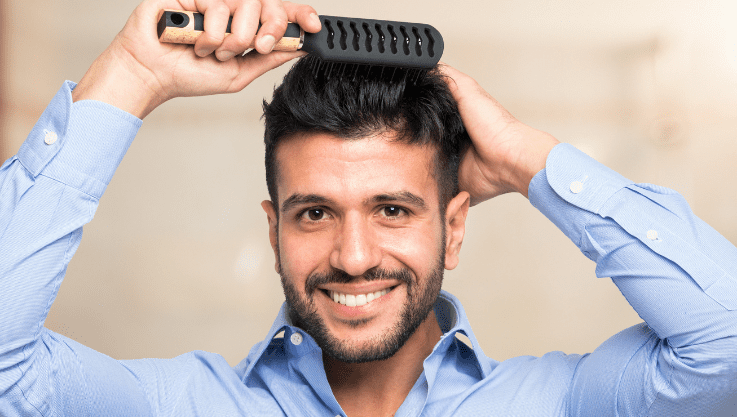
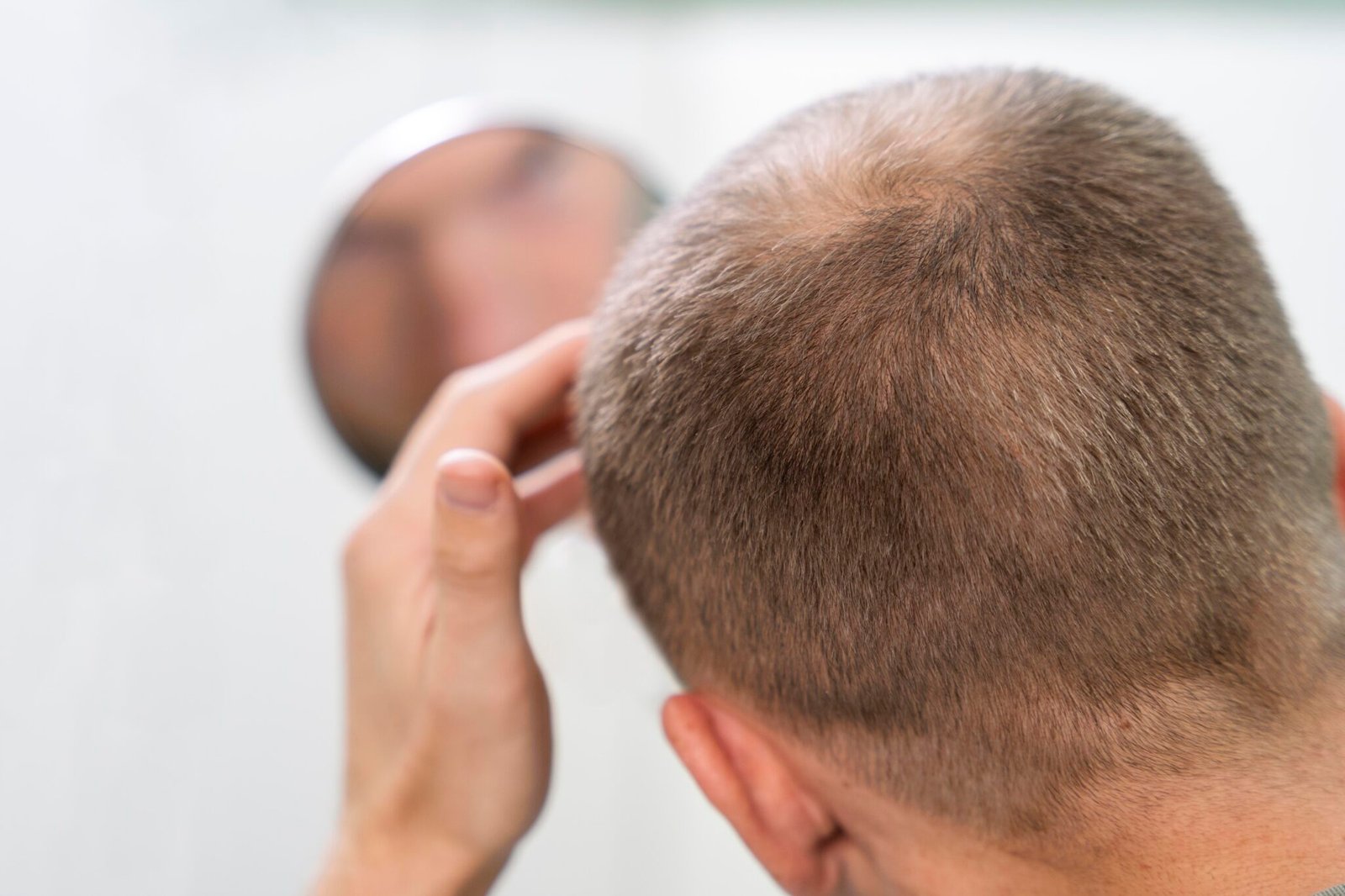
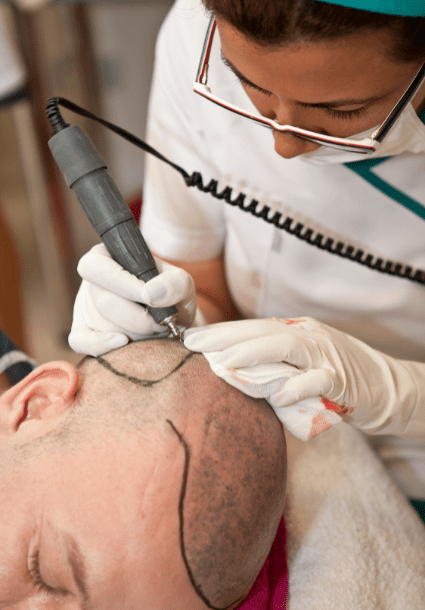

Identifying the Right Stage for Hair Transplant in India
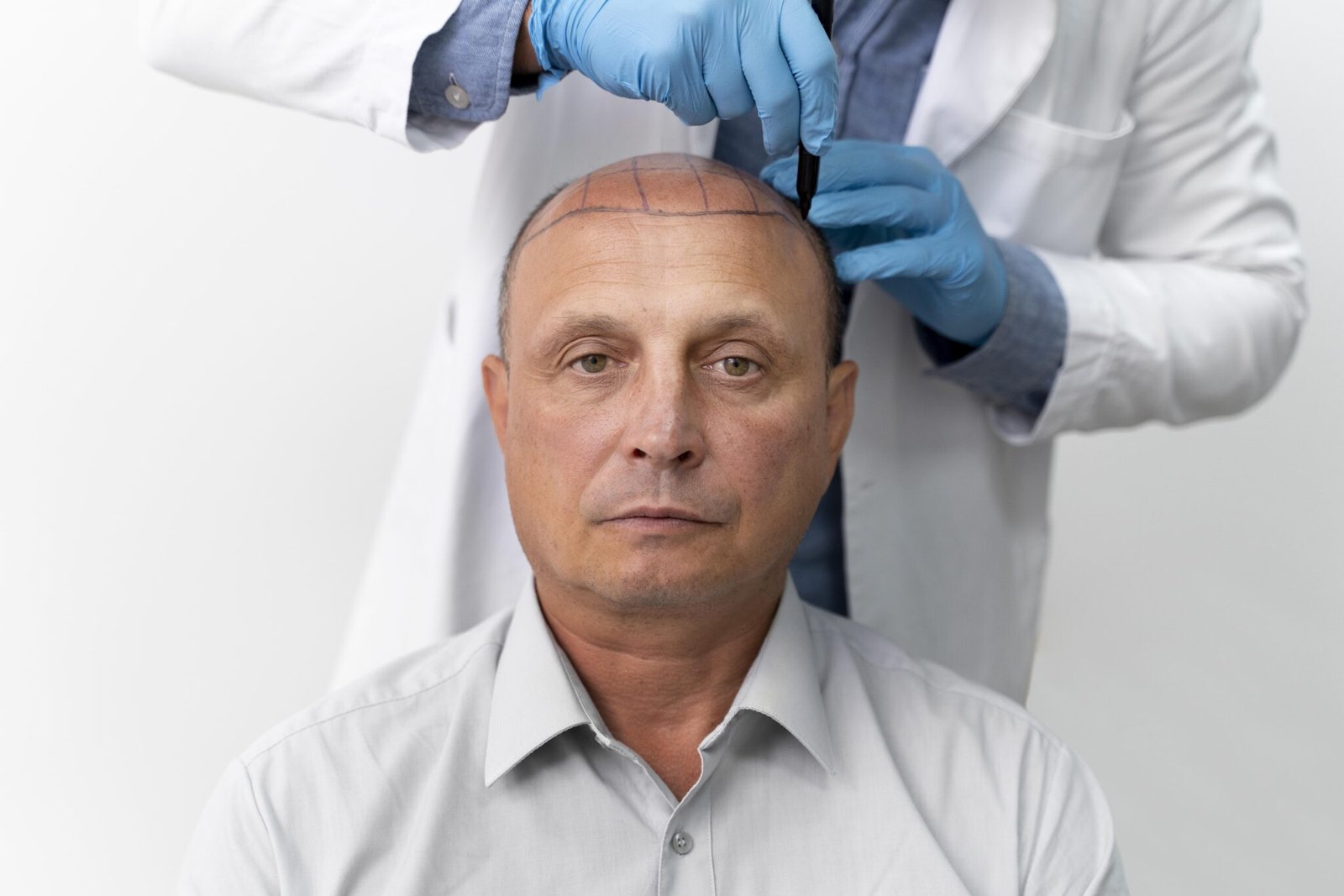
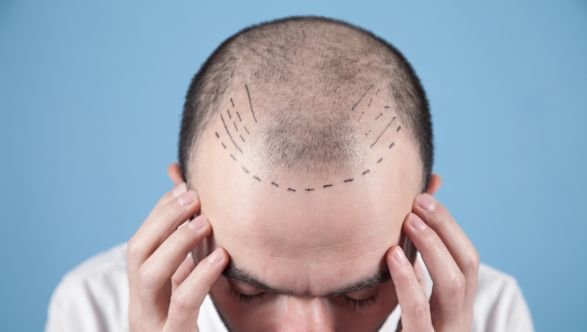
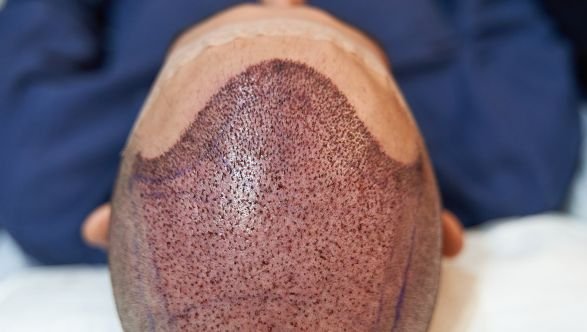
Hair transplant is considered when hair loss has slowed and the remaining hair is unlikely to regrow. This allows consistent hairline design without rapid changes afterward. Younger patients with active loss often benefit from stabilizing treatments first. A dermatologist can confirm if donor hair is sufficient and whether options like long hair FUE or crown hair restoration suit the current stage.
- Stable hair loss pattern to reduce mismatch between transplanted and native hair.
- Healthy donor follicles on the back or sides of the scalp.
- No active scalp disease for safer healing and graft survival.
- Clear understanding that results vary with graft quality and design.
Common Scenarios and Treatment Choices
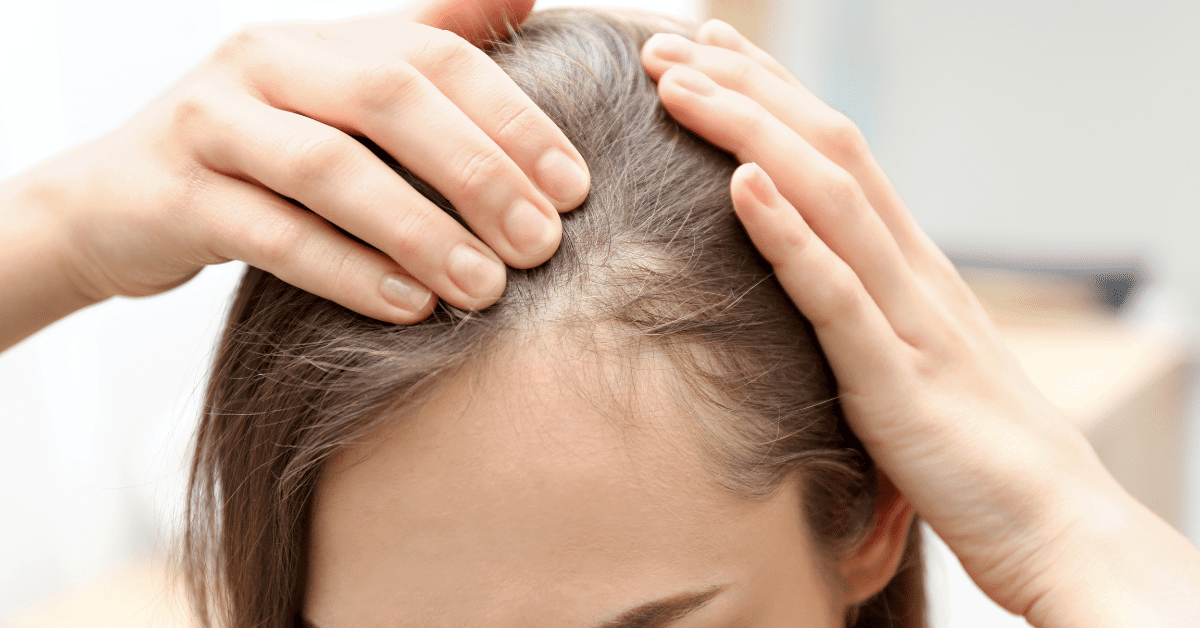
Hair transplants in India are chosen for specific needs. Men often request hairline reconstruction or crown filling once thinning has stopped. Women may address widening part lines or temple recession. Some patients seek repair after an unsuccessful procedure or restore hair lost to scarring alopecia. Techniques include standard FUE, long hair FUE, and targeted hairline design and restoration.
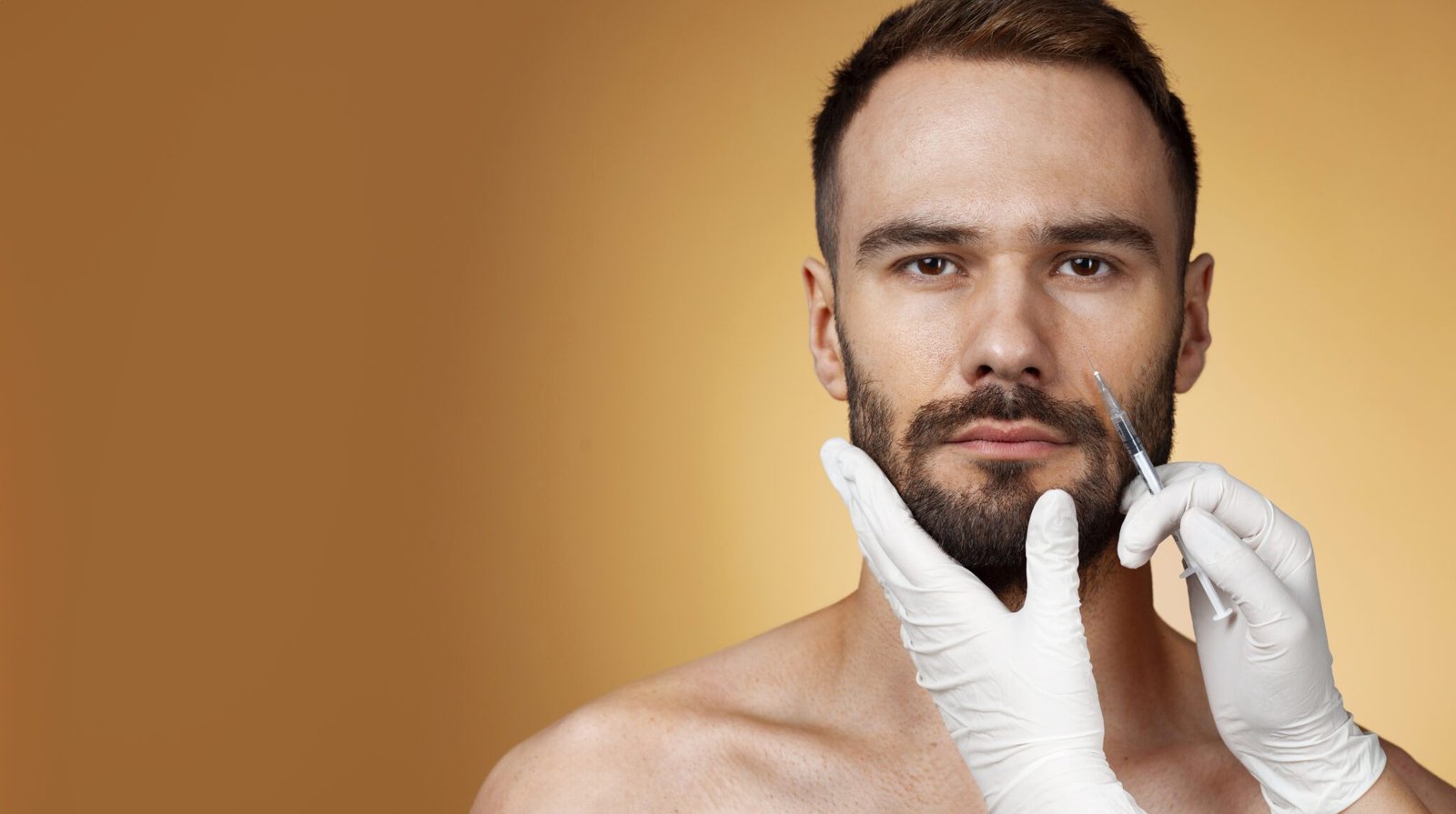
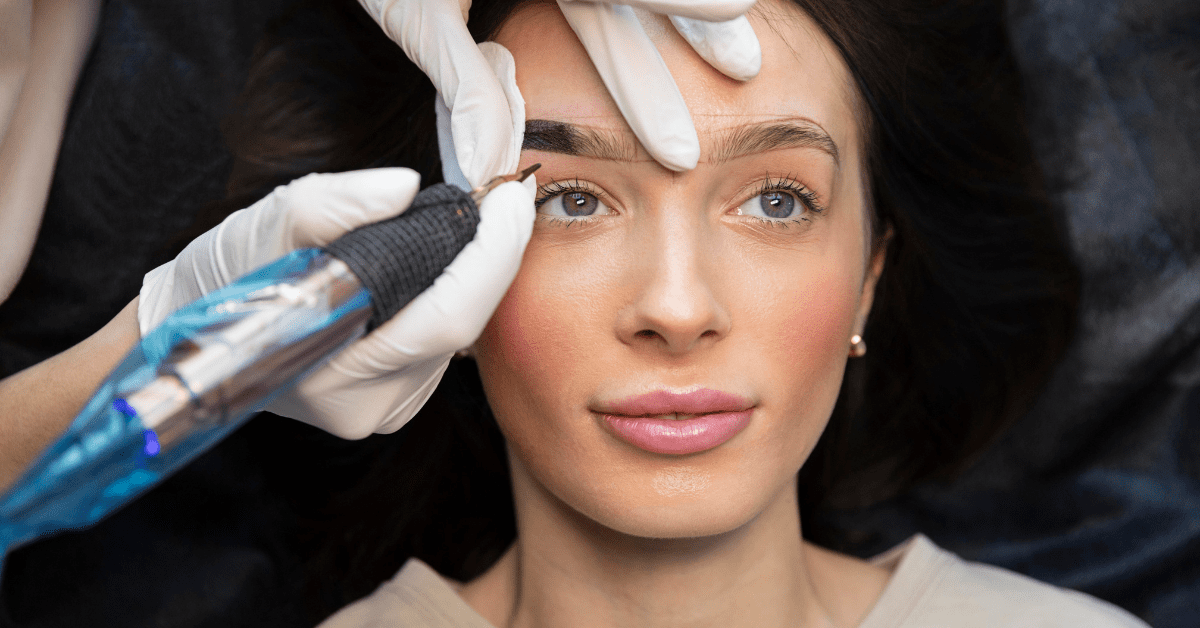
Facial hair restoration covers beard and mustache transplant or eyebrow transplant once any skin injury has healed. Body hair transplant may supplement scalp donor supply in advanced cases where coverage needs exceed available scalp follicles.
Supporting Treatments Before and After Transplant
Pre-surgery, stabilizing hair loss with medications or regenerative therapies can improve transplant outcomes. Options include PRP, i-PRF, GFC, exosome therapy, LLLT, dermapen, SVF, autologous cellular micrografts, and ACell+PRP. After surgery, these treatments may support healing and graft growth. Before/after photos are reviewed only with patient consent to maintain privacy.
Patients may combine transplant with ongoing care such as male hair loss treatment or female hair loss treatment to slow further loss. Treating active scarring alopecia before surgery is essential to protect transplanted hair.
Booking an appointment at Alloroots can be done online or in person. Patients usually receive a preliminary evaluation, followed by a detailed plan covering surgical and non-surgical steps.
About Alloroots
Alloroots is a doctor-led hair restoration clinic in India offering surgical transplantation and regenerative hair treatments. Led by Dr. Alok Kumar Sahoo (MD Dermatology, AIIMS New Delhi), the clinic provides personalized diagnosis, natural hairline design, advanced FUE procedures, and non-surgical restoration. Services are available through in-clinic or online consultations across India. Privacy-first care, safety protocols, realistic outcomes, and evidence-based treatment planning guide every case. Learn more at Alloroots.
Ready to discuss your hair restoration plan with a specialist?
Consult UsFAQs
Frequently Asked Questions
1
What is the best age for hair transplant?
Usually after hair loss stabilises, often from late twenties onward. Younger patients may need to delay until patterns are predictable.
2
Can women get hair transplants in India?
Yes, women can undergo hair transplants for thinning or receding hairlines when donor hair is healthy and loss is stable.
3
How long is recovery after a hair transplant?
Most healing occurs within 7 to 10 days, with visible growth changes over several months.
4
Are results permanent?
Transplanted hair generally stays for life, but surrounding hair may thin over time so maintenance treatments can help.
5
Is donor hair from body used?
In advanced cases, body hair can supplement scalp donor supply if matched well for texture and growth.
6
Do I need medication before surgery?
Often doctors recommend hair loss medication or regenerative therapy before surgery to stabilise and improve outcomes.
Speak with our hair restoration specialists about your treatment options.
Book a Consultation View PricingPopular Searches
Planning a Hair Transplant in India from the US
Hair Transplant Care Guide for the First Month in India
Book Your Hair Transplant Appointment in India
Hair Transplant Healing Time in India
Your Hair Transplant Patient Journey in India
Questions to Ask Before Choosing a Hair Transplant Clinic in India
Planning Your Hair Transplant in India From USA
Final Results Timeline for Hair Transplants in India
Meet the Hair Transplant Team in India
Key Questions to Ask Before a Hair Transplant in India
How to Choose a Hair Transplant Clinic in India
Hair Transplant Waiting Period in India
How to Choose the Right Hair Transplant Clinic in India
Who Is a Candidate for Hair Transplant in India
Hair Transplant Checklist for Patients in India
Hair Transplant in India for Gujarati Patients