
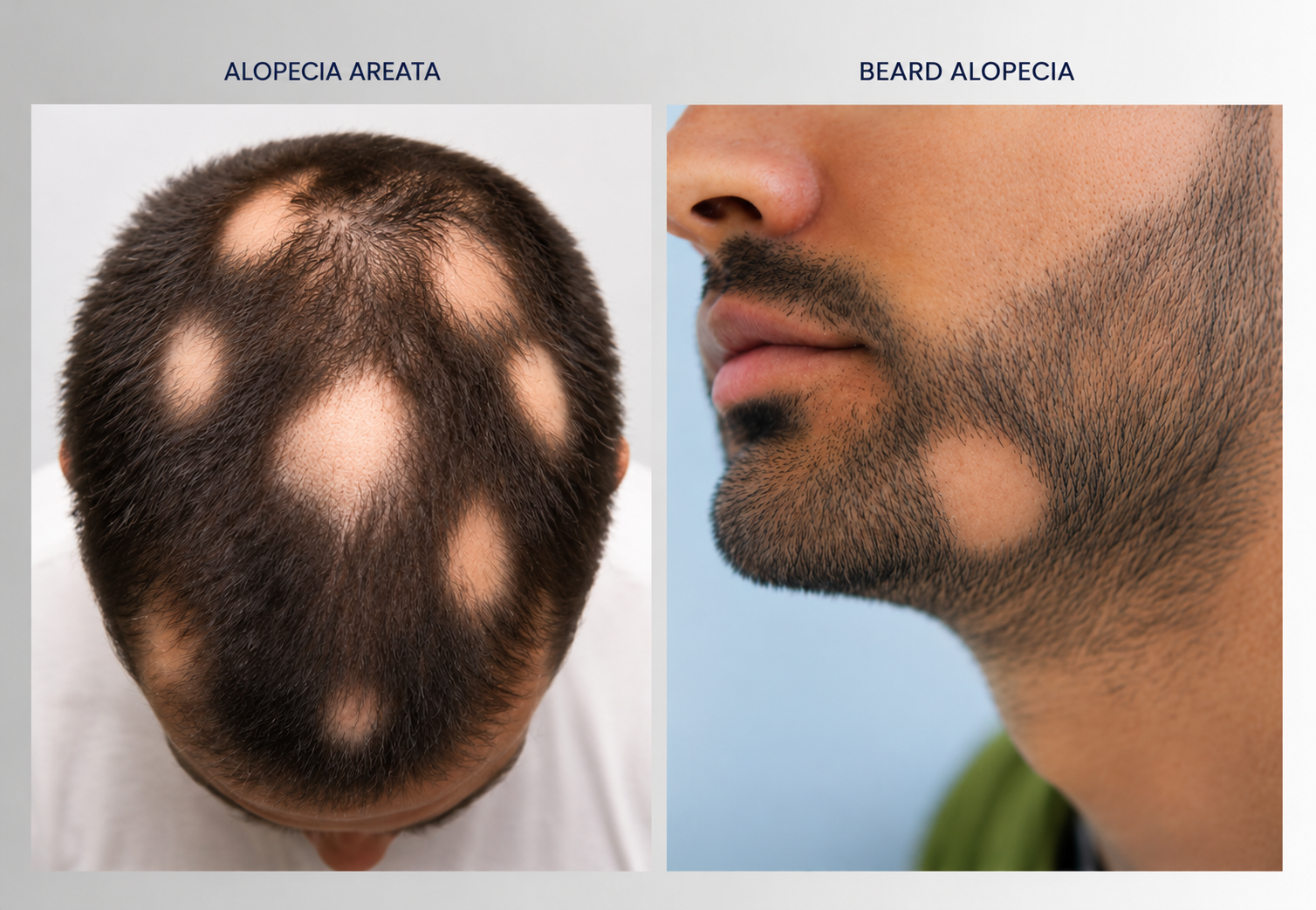
Hair Options for Alopecia
Hair options for alopecia vary by type and severity and require a doctor’s assessment. Common treatments include medical therapies, surgical options like male hair transplant or female hair transplant, and regenerative treatments. Plans are tailored to each diagnosis and patient.

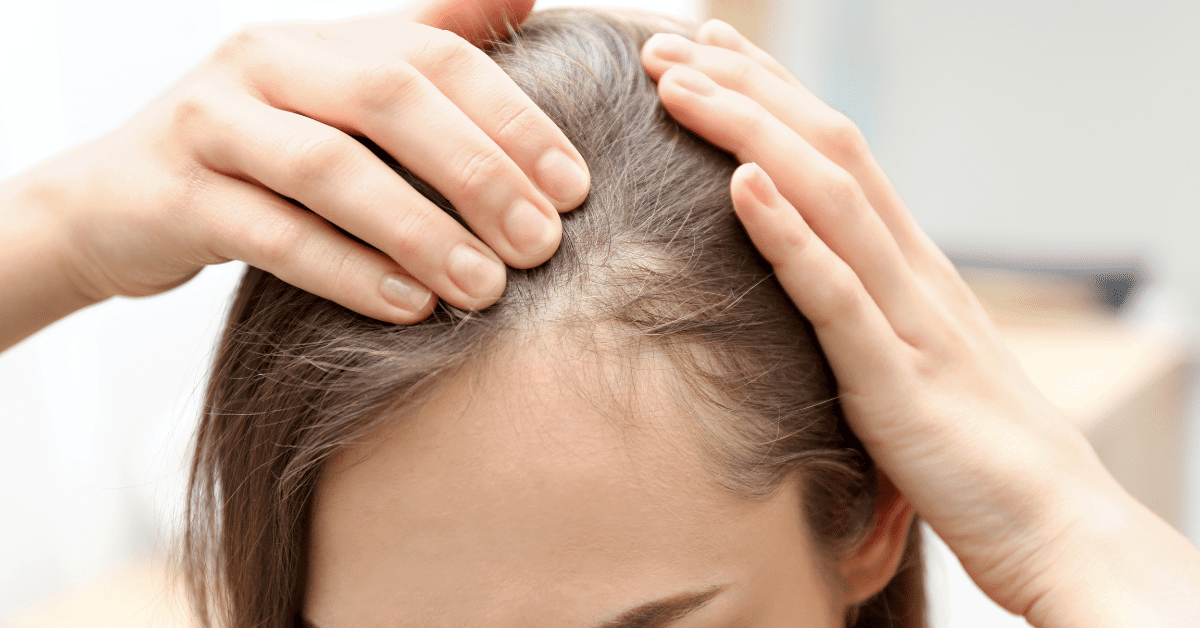
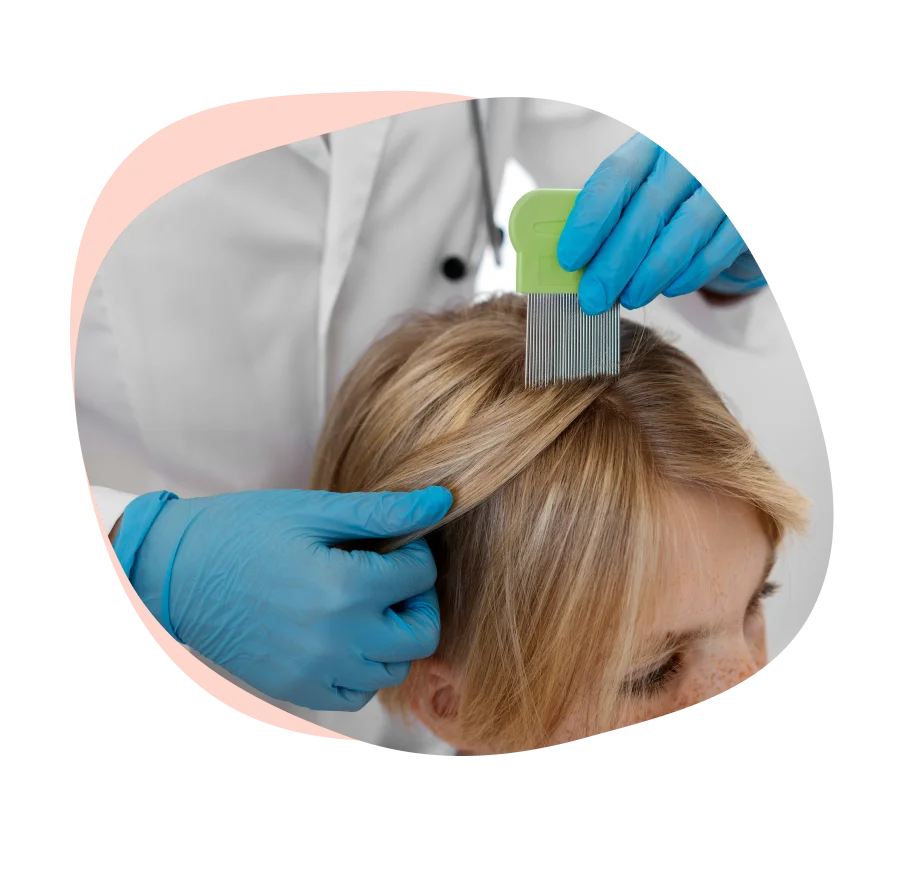
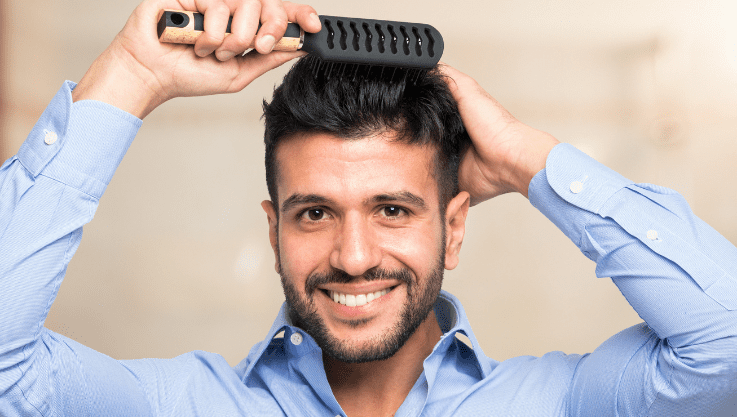
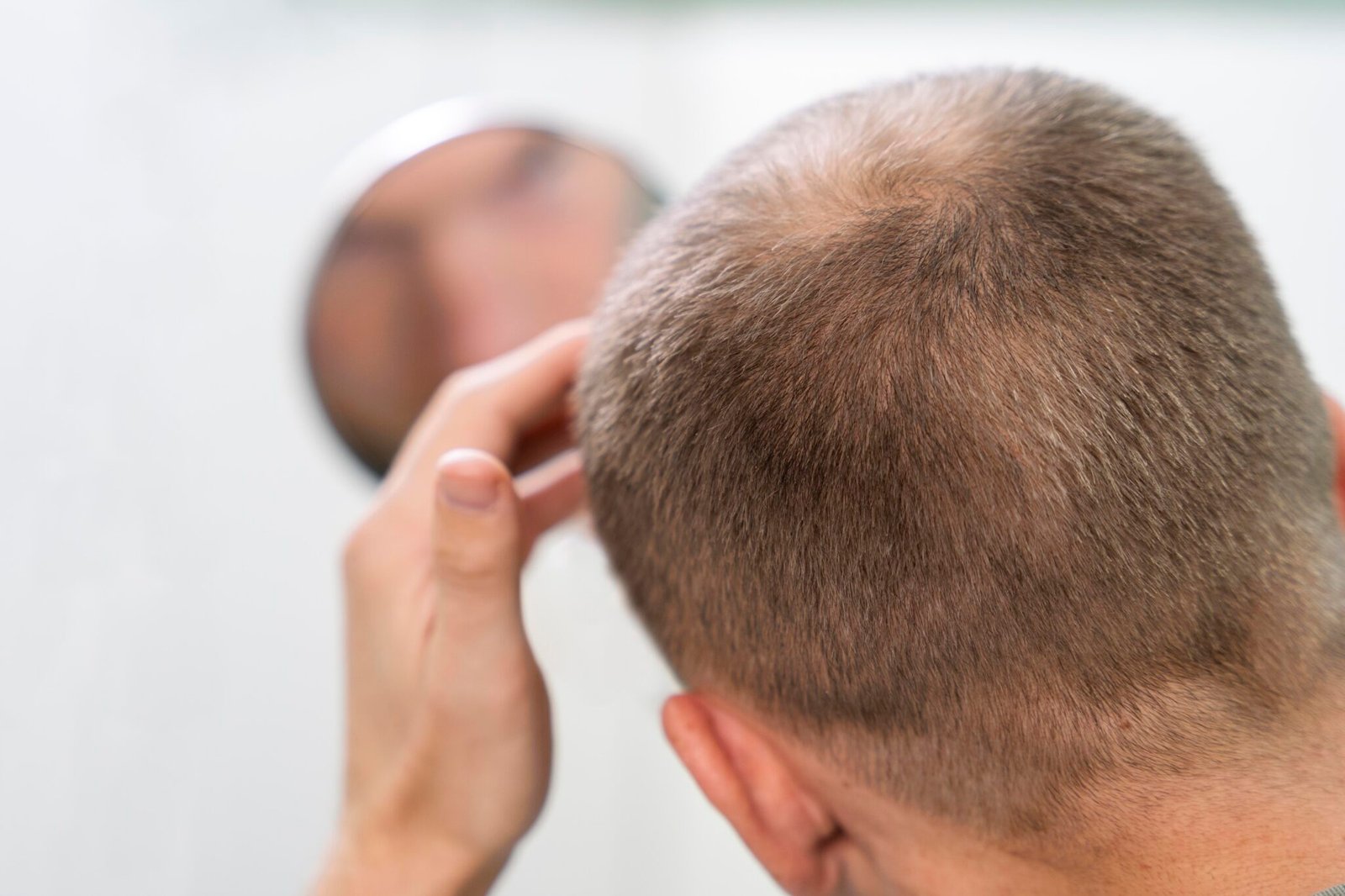
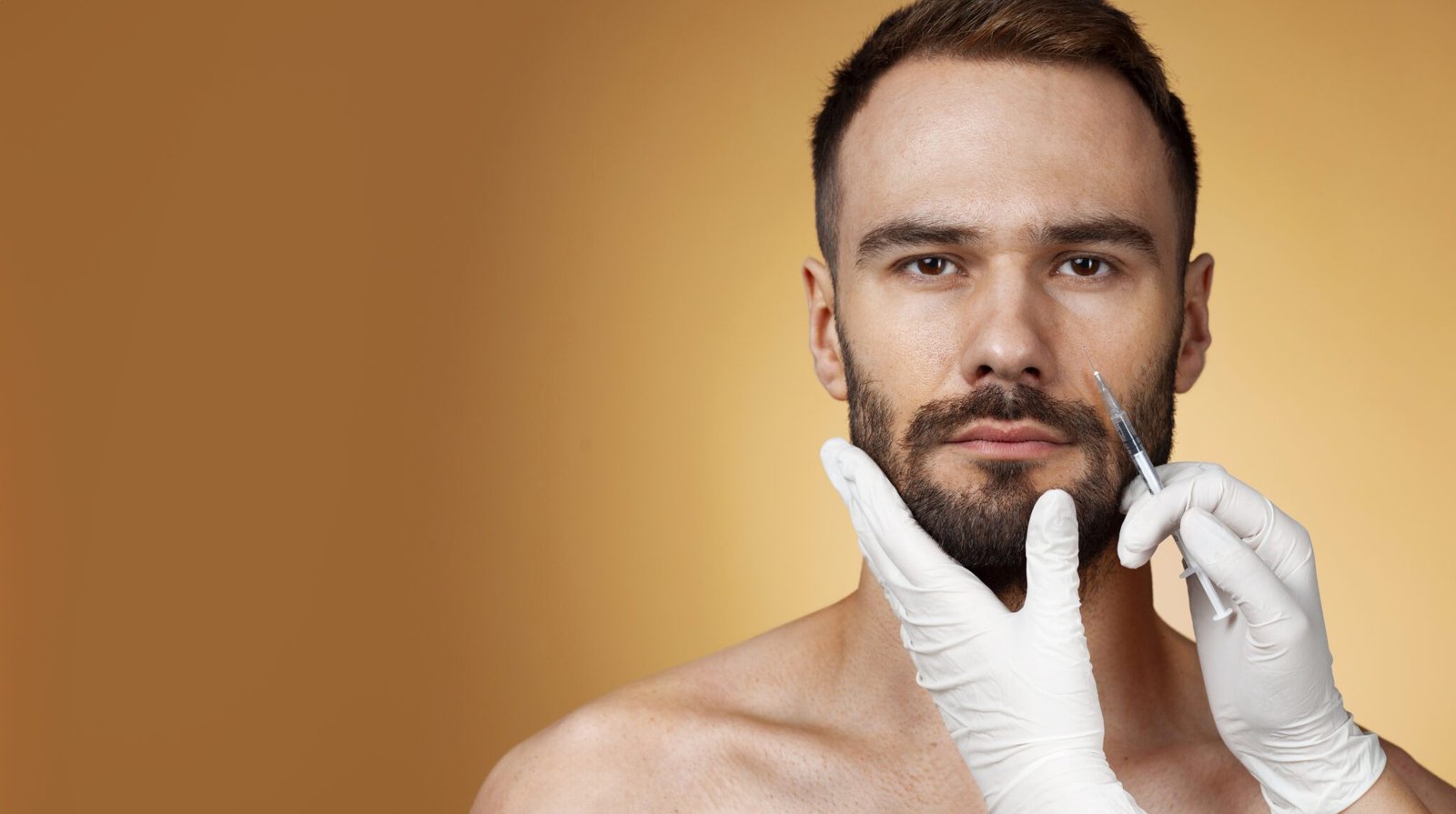
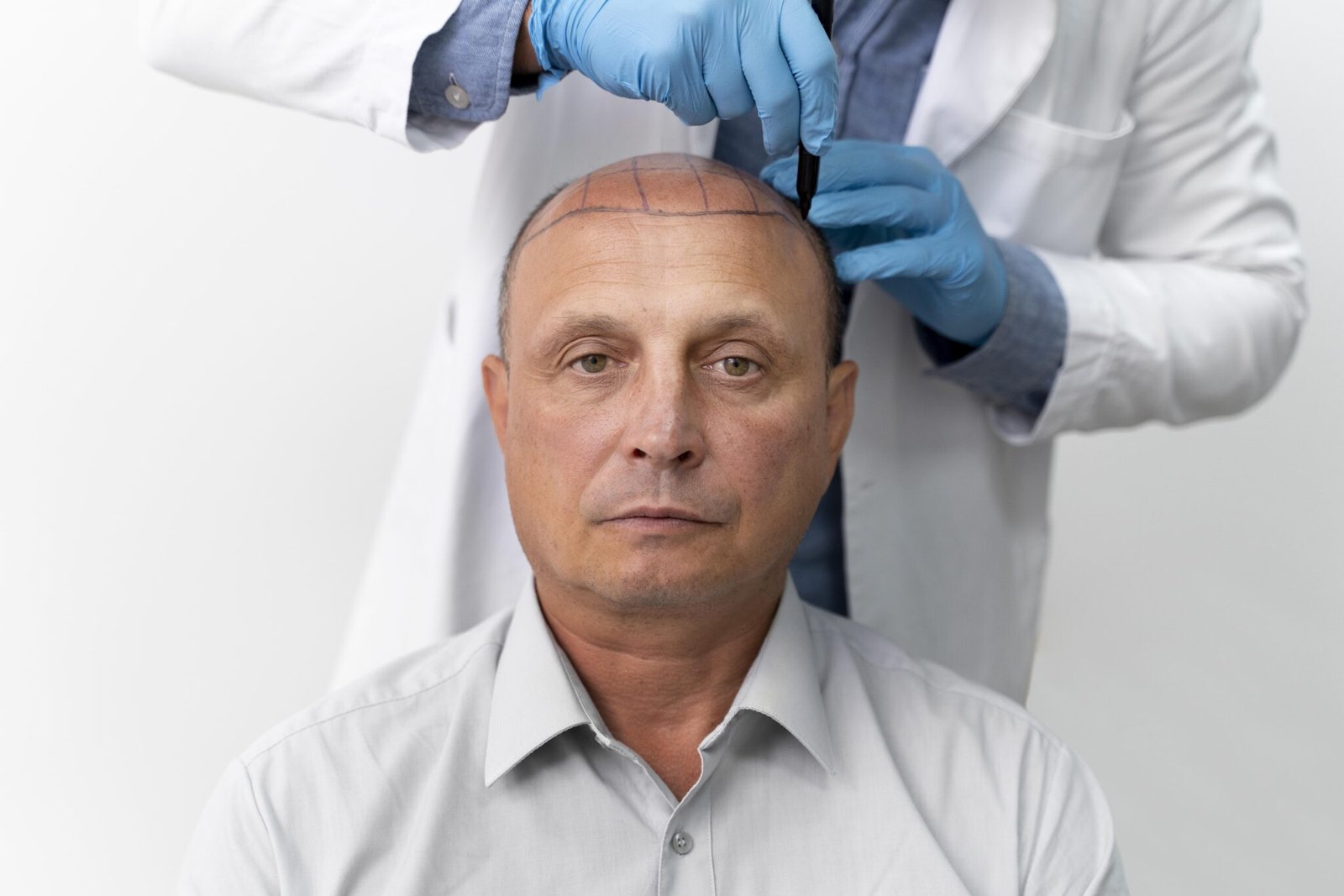
Types of Hair Options for Alopecia
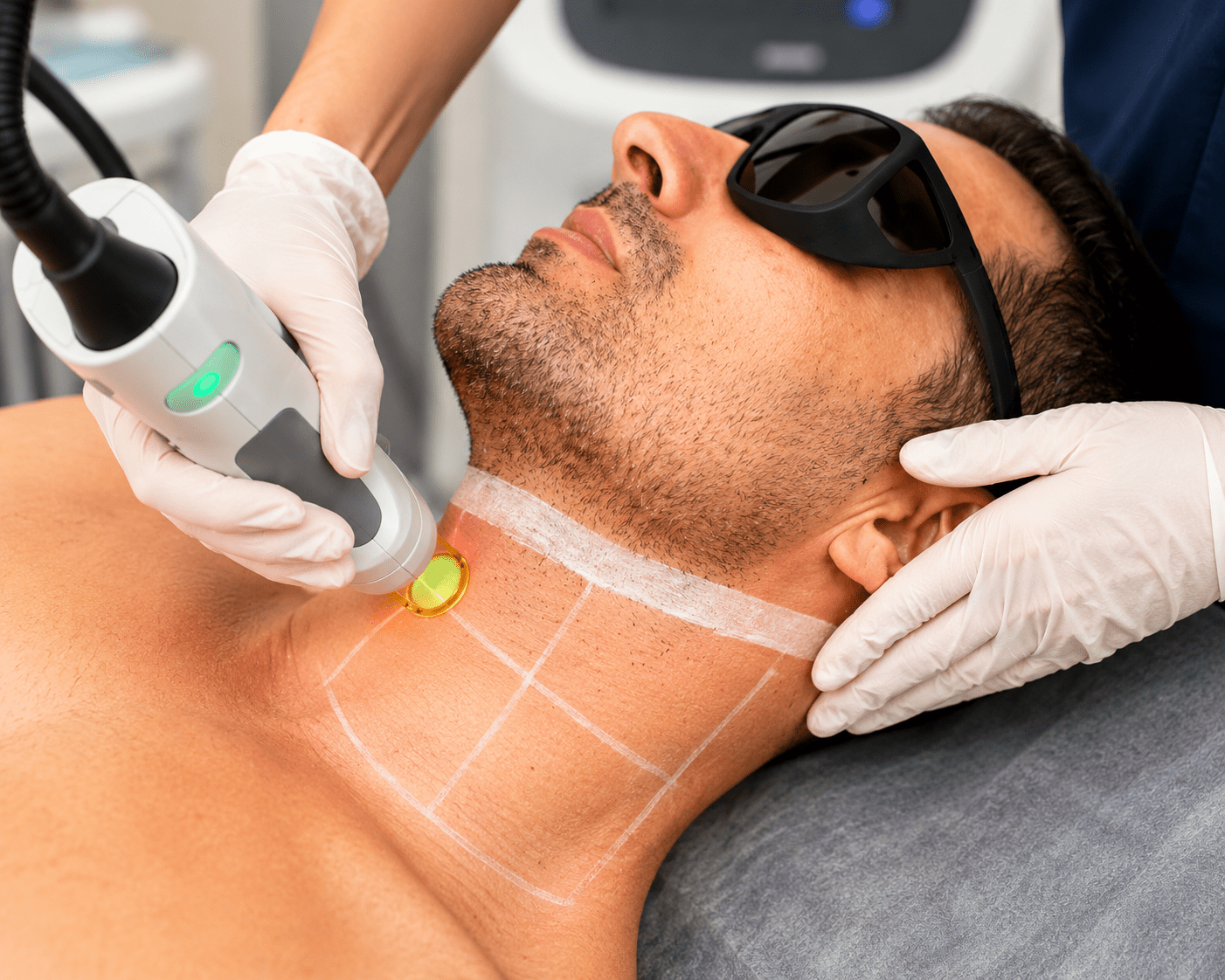
- Medical Treatments: Medications and therapies to reduce hair loss and stimulate growth, suitable for early or moderate alopecia.
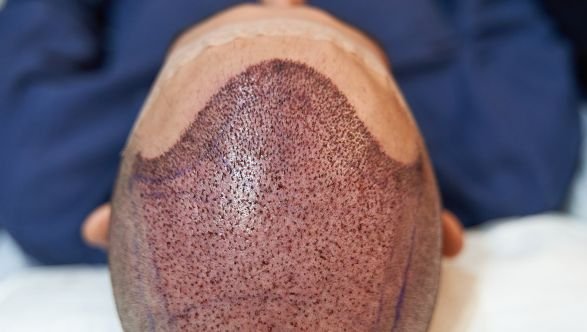
- Hair Transplantation: Surgical procedures like Follicular Unit Extraction (FUE) to restore hair, customized for men, women, or specific areas such as beard or body hair.
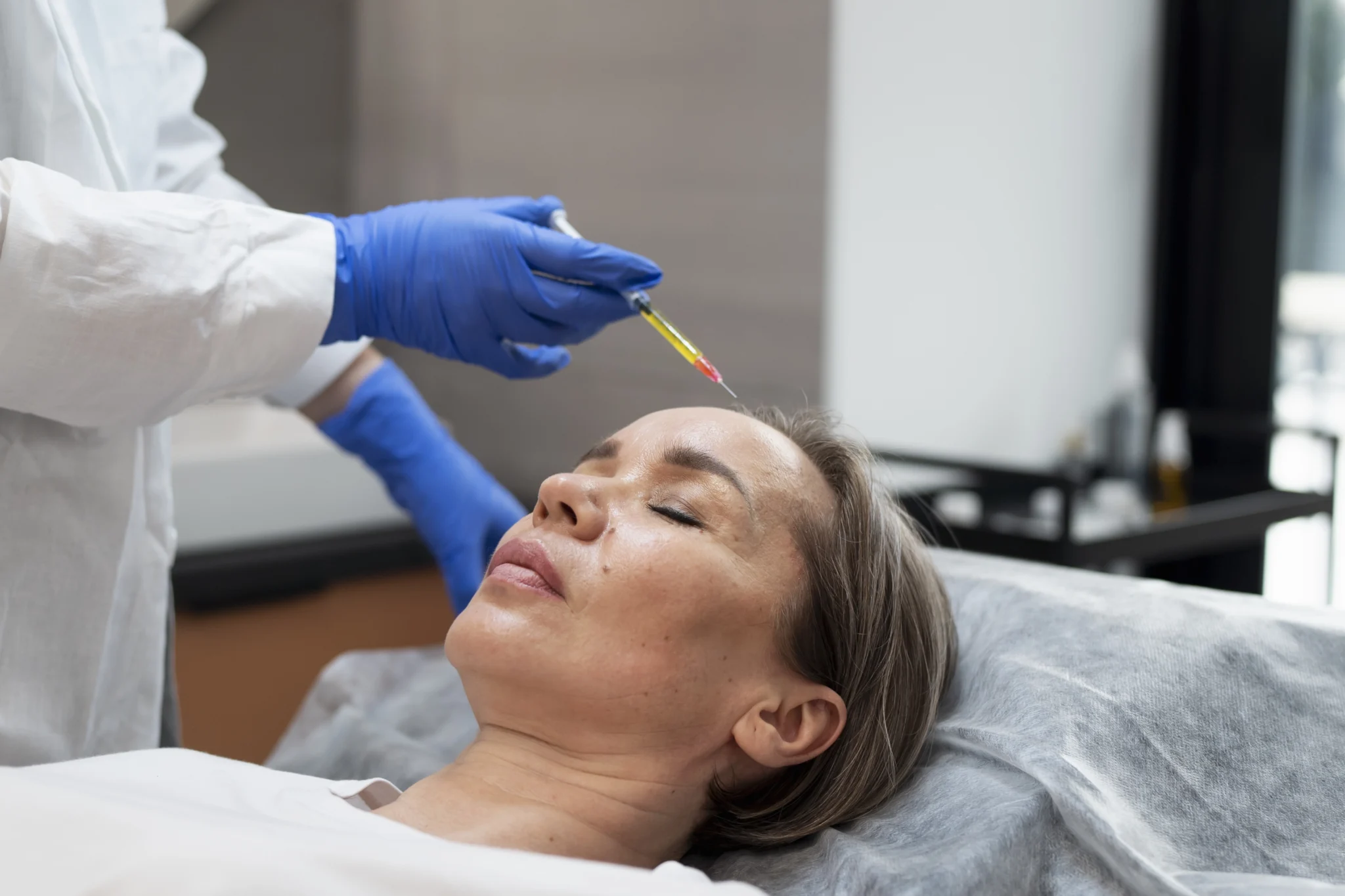
- Regenerative Therapies: Treatments such as PRP and Growth Factor Concentrate (GFC) to improve scalp health and encourage regrowth.
- Scalp Micropigmentation: Cosmetic tattooing to create the look of fuller hair, often used alongside other treatments.
Medical and Surgical Treatments Explained
Doctor-led medical treatments use approved medications and targeted therapies based on the alopecia cause. Male hair loss treatment and female hair loss treatment focus on hormonal and autoimmune factors.
If medical treatments are insufficient, hair transplant surgery is an option. Procedures include male hair transplant, female hair transplant, beard & mustache transplant, and body hair transplant. These are tailored to scalp condition and donor hair availability.
Specialized Treatments for Different Alopecia Types
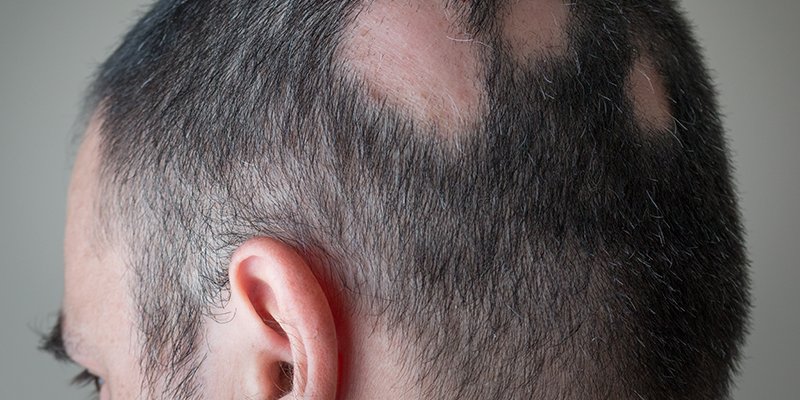
- Alopecia Areata Treatment: Uses immunomodulatory therapies and supportive care for autoimmune patchy hair loss.
- Scarring Alopecia Treatment: Focuses on early intervention and hair restoration for permanent loss due to scalp scarring.
- Traction Alopecia Treatment: Treats hair loss caused by mechanical stress with medical therapies and transplant repair if needed.
Regenerative therapies like Growth Factor Hair Therapy (GFC) and PRP support hair follicle health and improve treatment outcomes.
About Alloroots
Alloroots is a doctor-led hair restoration clinic in India offering personalized alopecia treatments. Led by Dr. Alok Kumar Sahoo (MD Dermatology, AIIMS New Delhi), the clinic provides evidence-based options including FUE hair transplants, medical therapies, PRP, GFC, i-PRF, exosome therapy, and scalp micropigmentation. Consultations are available in-clinic and online, ensuring privacy and individual care. Visit alloroots.com for details.
Ready to discuss your hair restoration plan with a specialist?
Consult UsFAQs
Frequently Asked Questions
1
What are the common types of alopecia treated at clinics?
Common types include androgenetic alopecia, alopecia areata, scarring alopecia, and traction alopecia, each requiring different treatment approaches based on individual diagnosis.
2
Can hair transplants work for all alopecia types?
Hair transplants are effective mainly for non-scarring alopecia and stable hair loss areas. Scarring alopecia requires early medical treatment before considering transplantation.
3
What medical treatments are available for alopecia?
Treatments include topical and oral medications, immunotherapy, and regenerative therapies like PRP and GFC, tailored to the alopecia type and patient response.
4
How soon can results be seen from alopecia treatments?
Results vary widely; medical treatments may take several months, while transplants show new growth typically within 6 to 12 months post-procedure.
5
Is scalp micropigmentation a permanent solution for alopecia?
Scalp micropigmentation provides a cosmetic effect mimicking hair density but does not restore hair. It may require touch-ups over time.
6
Do regenerative therapies like PRP help with alopecia?
PRP and similar treatments can improve scalp health and support hair growth, often used alongside other medical or surgical options based on individual assessment.
Speak with our hair restoration specialists about your treatment options.
Book a Consultation View PricingPopular Searches
Alopecia Hair Implants
Hair Options for Balding Women
Male Hair Loss Options
Alopecia Surgery
Hair Restoration Alopecia
Scarring Alopecia Hair Loss Treatment
Hair Loss Solution for Baldness
Hair Loss Alternatives
Alopecia Hair Transplant
Advanced Hair Loss Repair Options
Hair Transplant Treatment for Alopecia Scars
Hair Transplant for Alopecia Areata in India
Scalp Care for Scarring Alopecia
Balding Treatment Options
Alopecia Universalis Treatment
Eyebrow Hair Loss Solution