

Hair Transplant Graft Survival Rates in India
Hair transplant graft survival rates in India are assessed at clinics such as Alloroots, with plans tailored to each patient. Rates vary by technique, donor hair quality, and aftercare. If you are considering a male hair transplant or female hair transplant, a consultation will outline expected outcomes based on your assessment.
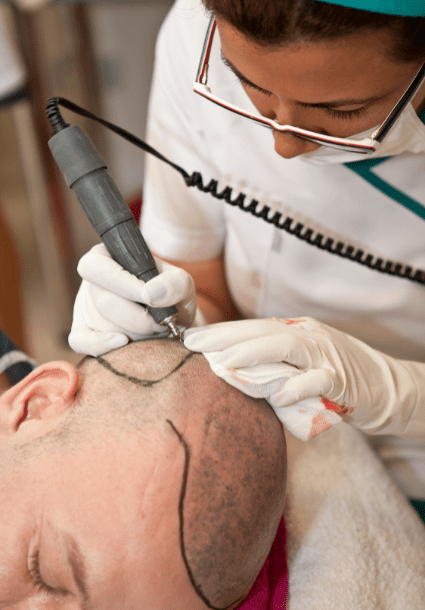

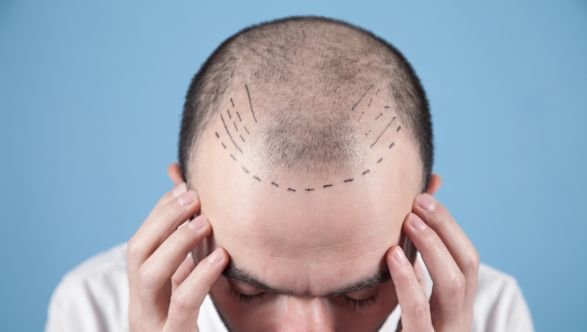
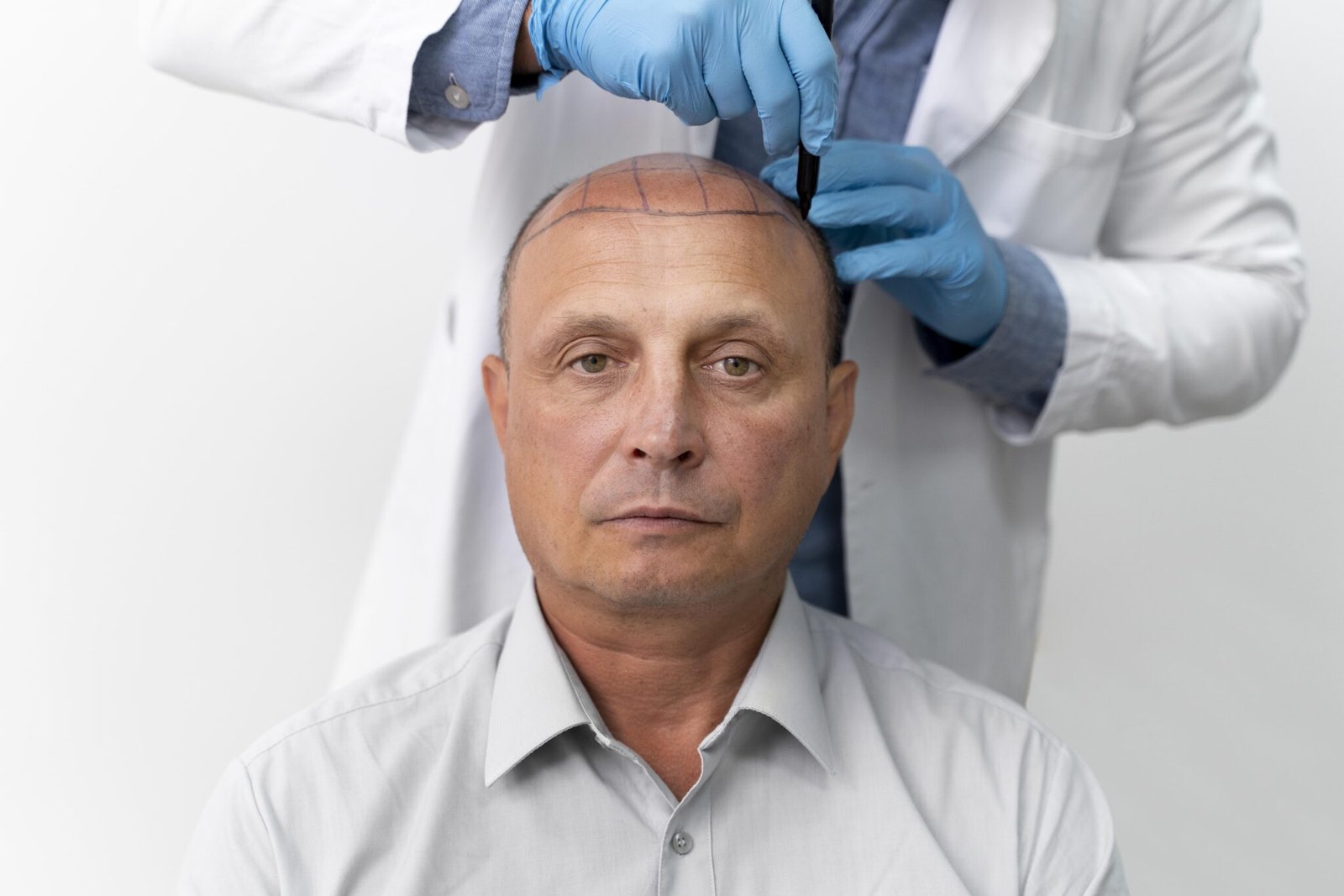
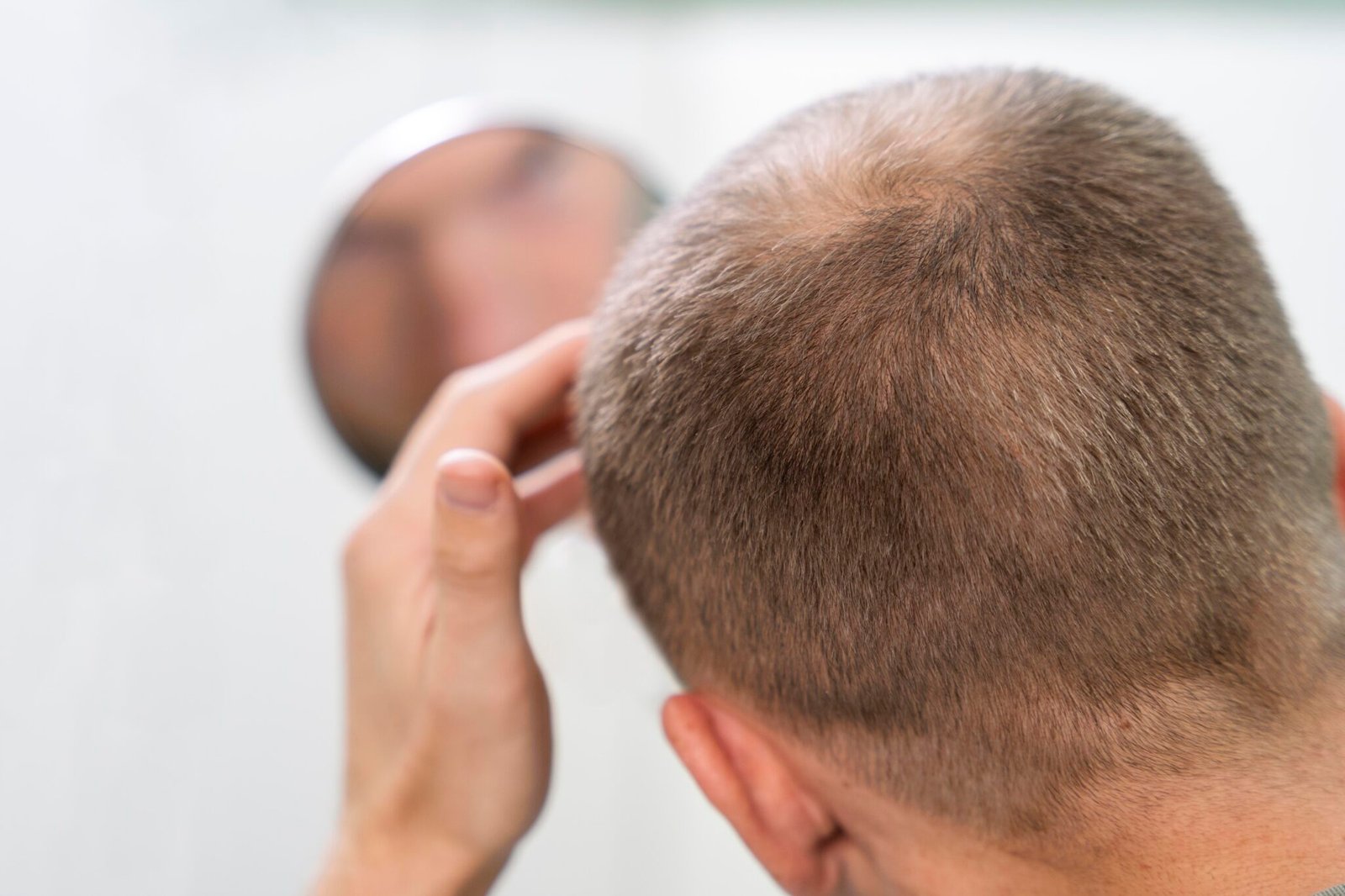

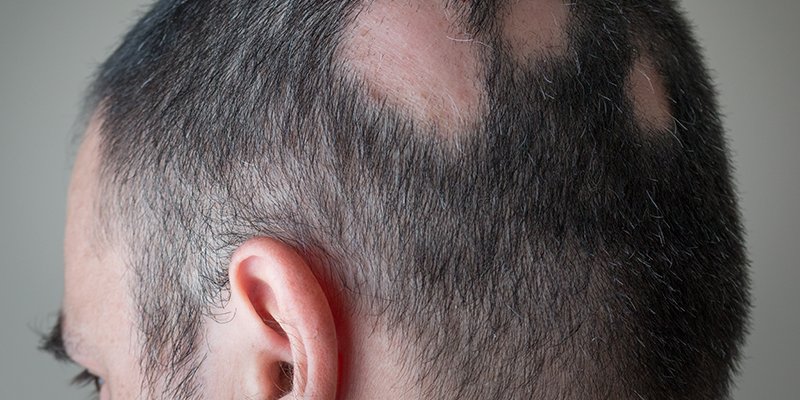

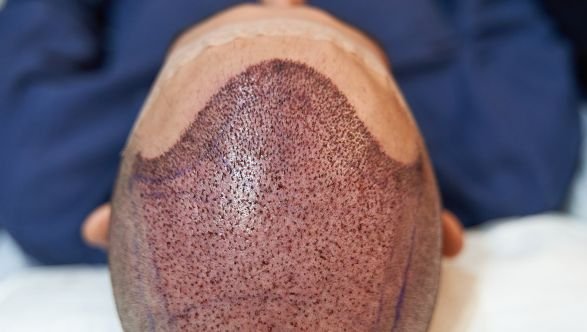


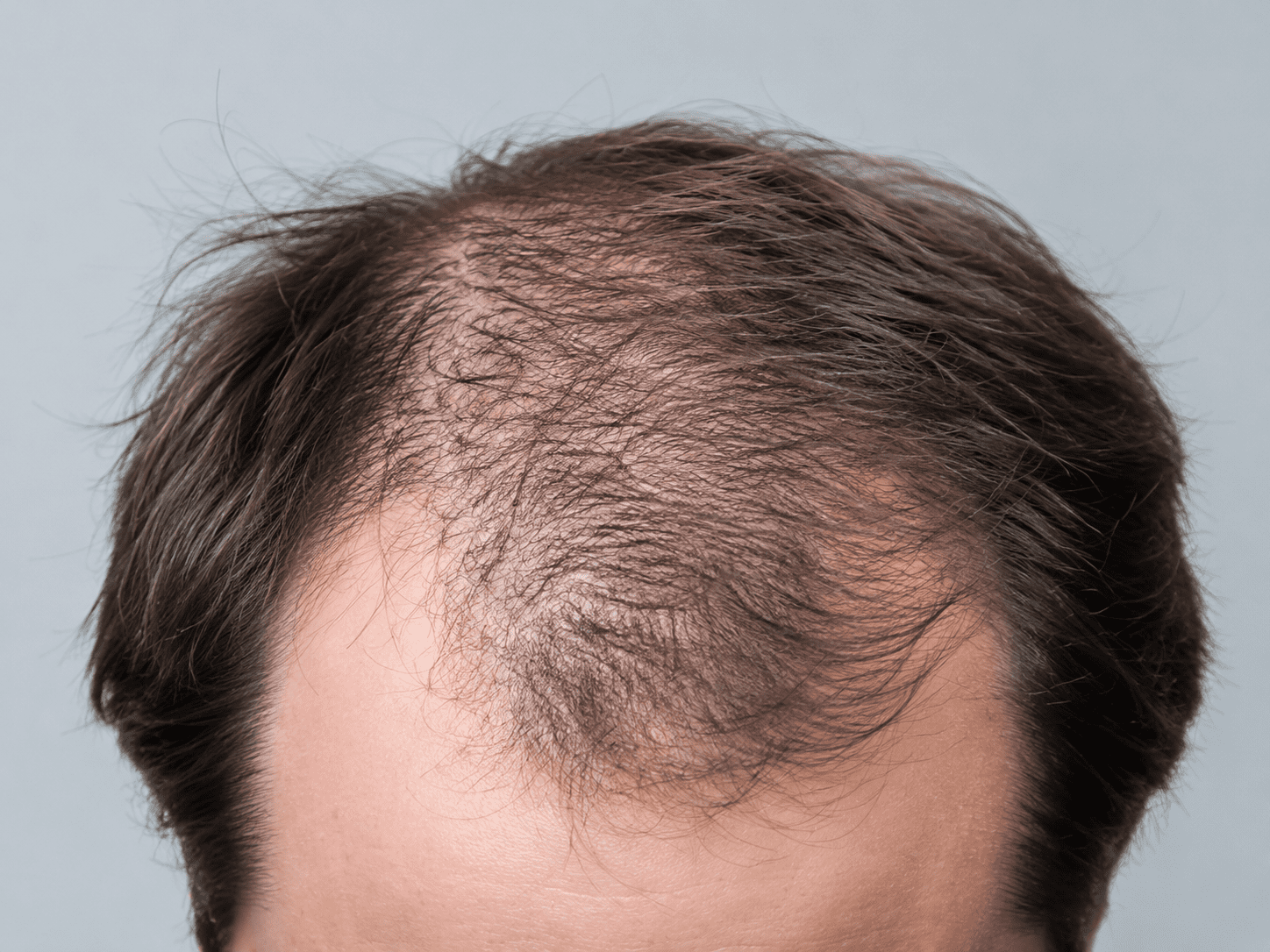
Understanding Hair Transplant Graft Survival in Indian Clinics
Standard FUE procedures in India often report survival rates of 75 to 85 percent under controlled conditions. Advanced variations like high-density FUE or DHI can reach 90 to 95 percent with skilled teams. Rates above this require strict handling protocols. Graft survival measures how many transplanted follicles produce new hair after surgery, affected by surgical precision, storage, and healing.
- Standard FUE: moderate rates, widely available.
- High-density FUE: improved placement control, potential survival increase.
- DHI: direct implantation, reduced graft handling time.
- Specialised protocols: chilled storage and hydration maintenance.
Request privacy-protected case examples to understand likely results.
Factors That Influence Hair Transplant Graft Survival
Main variables include:
- Donor hair quality: stronger follicles survive better.
- Extraction method: minimise transection during removal.
- Graft storage: maintain hydration and stable temperature.
- Implantation speed: reduce time outside the body.
- Post-operative care: prevent infection and use correct medication.
Cases such as hairline design & restoration or hair transplant repair & correction need careful planning to preserve survival in visible areas.
Techniques and Treatments Supporting Long-Term Growth
Regenerative hair treatments can support graft health after surgery. Options include PRP, Growth Factor Concentrate (GFC), i-PRF, Exosome Therapy, and Autologous Cellular Micrografts. Low Level Laser Therapy (LLLT) and Dermapen microneedling may promote circulation and help transplanted hair establish. Combining these with precise surgical planning may help maintain survival rates.
When considering treatments like growth factor hair therapy (GFC), confirm they are evidence-led and supervised by a qualified doctor. Booking a consultation early allows discussion of supportive treatments alongside the main procedure.
About Alloroots
Alloroots is a doctor-led hair restoration clinic in India offering surgical and non-surgical hair loss treatments. Led by Dr. Alok Kumar Sahoo (MD Dermatology, AIIMS New Delhi), services include personalised diagnosis, natural hairline design, advanced FUE transplants, and regenerative therapies. Patients can access in-clinic or online consultations nationwide. Privacy-first protocols and realistic outcomes are central to all treatments. Visit Alloroots to arrange a consultation or learn more about available procedures.
Ready to discuss your hair restoration plan with a specialist?
Consult UsFAQs
Frequently Asked Questions
1
What is a typical graft survival rate for FUE in India?
Standard FUE procedures in India often achieve survival rates of about 75 to 85 percent under skilled surgical conditions.
2
Do all hair transplant grafts survive?
Not all grafts survive, as survival depends on factors like donor hair quality, extraction method, and post-operative care.
3
Can regenerative treatments improve graft survival?
Some regenerative treatments like PRP or GFC may support healing and follicle integration, though results vary by patient.
4
How soon after surgery can survival rates be assessed?
Graft survival is usually assessed over 9 to 12 months, when transplanted follicles have had time to grow new hair.
5
Does donor hair quality affect survival rates?
Yes, healthy donor follicles generally survive and grow better than weaker or damaged ones.
6
Are survival rates the same for men and women?
Rates are similar, but hair characteristics and donor area availability may influence outcomes for each patient.
Speak with our hair restoration specialists about your treatment options.
Book a Consultation View PricingPopular Searches
Hair Transplant Success Rates in India
Hair Transplant Clinical Outcomes in India
Hair Transplant Success Stories in India
Maximum Graft Counts for Hair Transplants in India
Hair Transplant Healing Time in India
Hair Transplant Before and After Results in India
Follicle Survival Rates in Indian Hair Transplants
India’s Hair Transplant Standards Compared to the World
Final Results Timeline for Hair Transplants in India
Top View Hair Transplant Results in India
Personalized Hair Transplant Experience in India
Understanding Graft Counts for Hair Transplants in India
Published Hair Transplant Results in India
Hair Transplant Growth Timeline in India
Hair Transplant Video Results in India
Hair Transplant Results for Straight Hair in India