

Hair Transplant Success Rates in India
At Alloroots, hair transplant success rates in India are supported by doctor-led planning that matches each patient's hair loss pattern, scalp condition, and growth phases. Procedures like Male Hair Transplant and Female Hair Transplant use careful graft handling, suitable technique selection, and follow-up. Success is measured by graft survival, hairline design, and density, with results assessed individually.

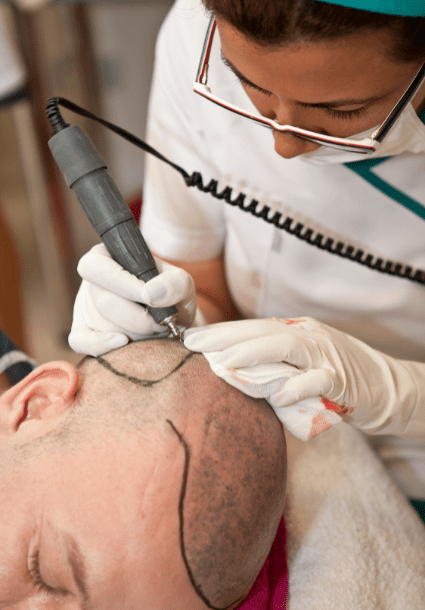
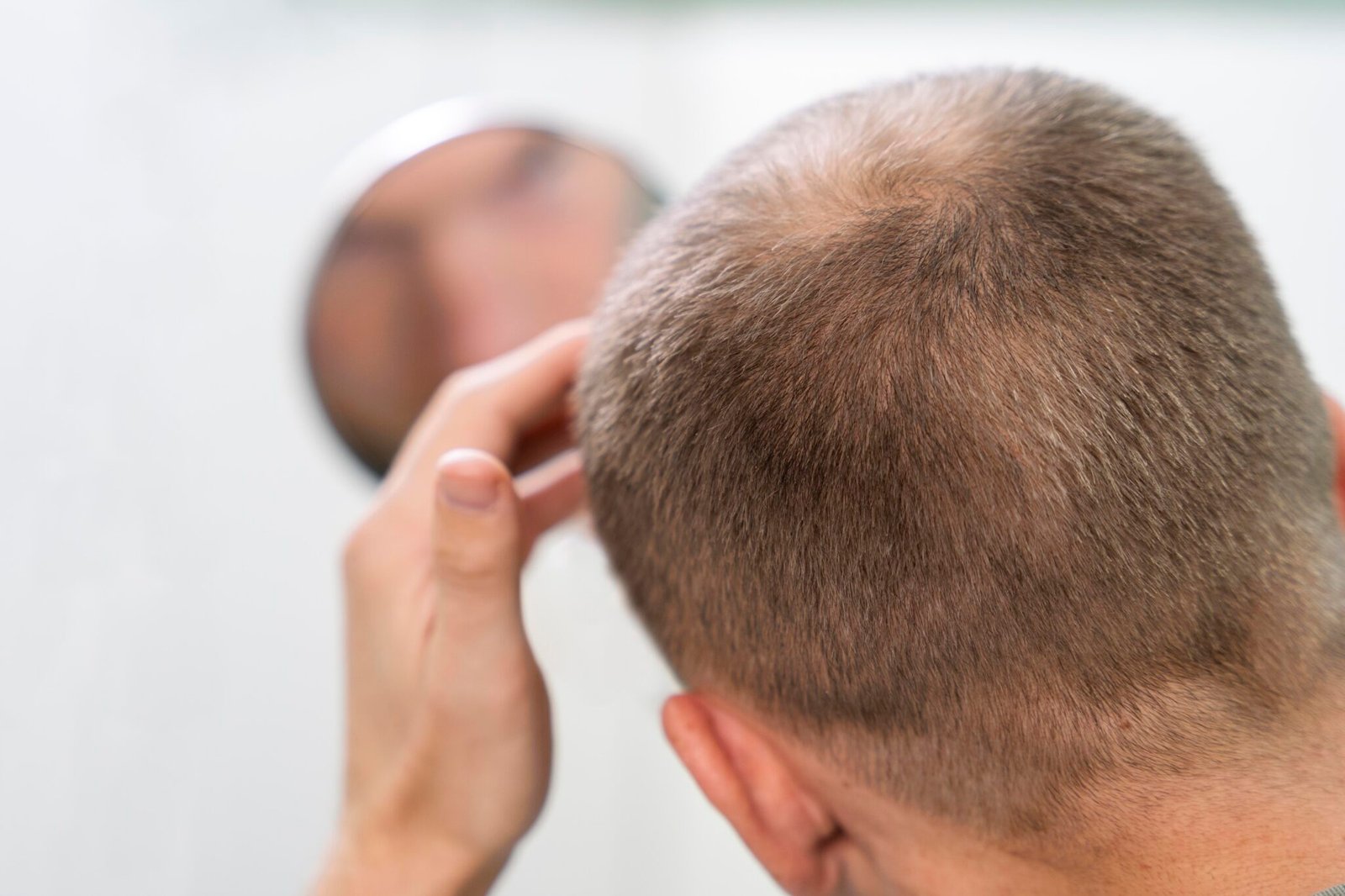
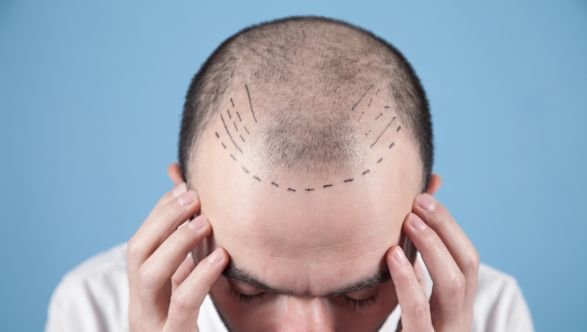
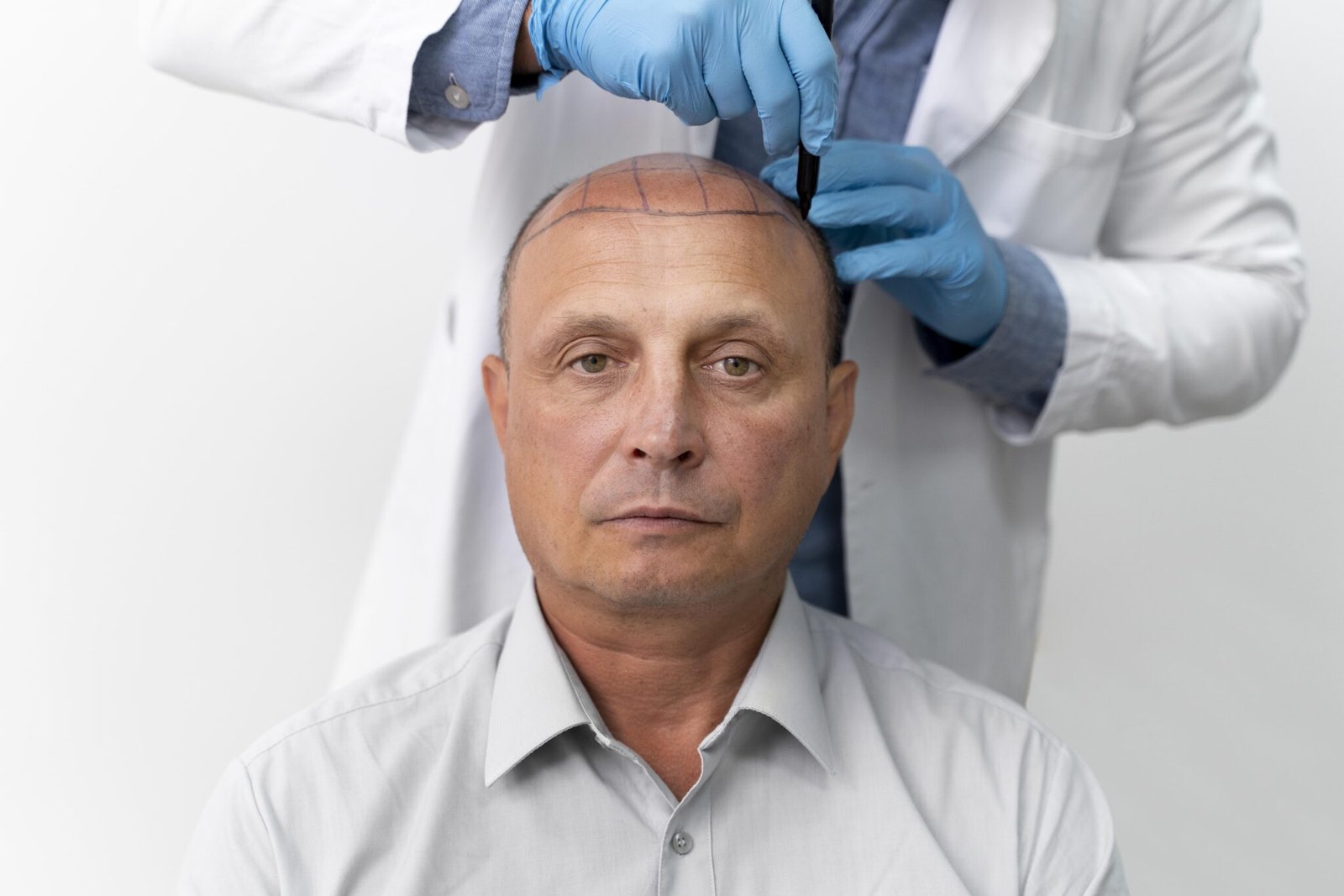


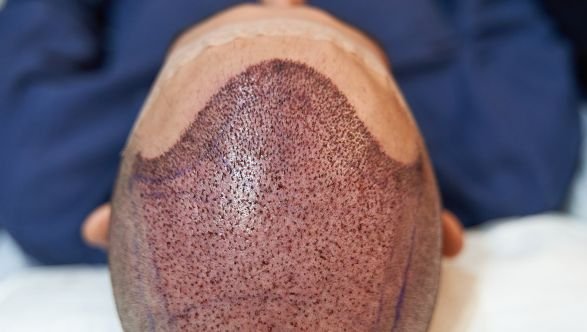
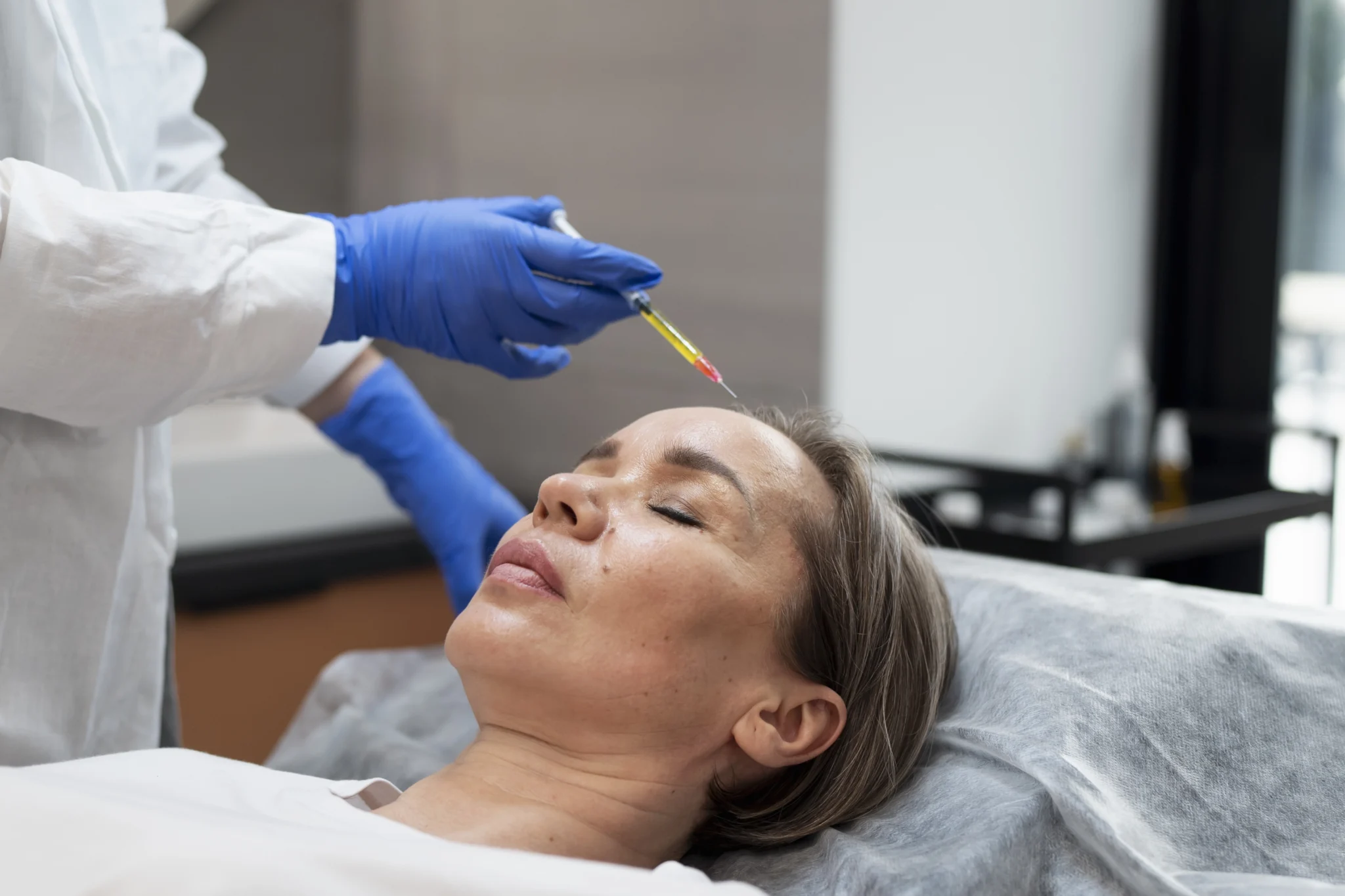
Key factors influencing success
Several clinical and procedural aspects can affect outcomes. Knowing these helps set realistic expectations:
- Surgeon expertise, board-certified dermatologists or trichologists improve precision in graft placement.
- Technique choice, FUE for small or visible areas, FUT for extensive coverage.
- Graft quality, strong follicles and correct storage reduce loss.
- Scalp health, skin free from active inflammation aids healing.
- Post-operative care, following cleaning and medication instructions lowers complication risk.
FUE is often chosen for minimal scarring, FUT for larger sessions. Some clinics offer Long Hair FUE or non-shave options.
Technique types and expected outcomes
Surgical methods vary in use and typical results:
- FUE, follicles removed individually, suited for discreet hairline or crown work.
- FUT, strip removal for grafting, can achieve higher graft counts in one session.
- Long Hair FUE, shows immediate coverage without shaving donor hair.
- Hair transplant repair, improves appearance after unsatisfactory surgery.
Adjunct treatments like PRP, Growth Factor Hair Therapy (GFC), or i-PRF may support transplanted and existing hair, though they are not guaranteed regrowth solutions.
Creating a personalised plan
A plan should consider donor hair supply, future hair loss, and style preferences. Clinics that value privacy share before-and-after images only with consent. Planning may involve staged sessions to match future loss, avoiding dense packing that can look unnatural if surrounding hair thins.
Consultation with Dr. Alok Kumar Sahoo includes scalp analysis, medical history, and discussion of surgical and regenerative options such as exosome therapy. Appointments are available online or in person, with clear pre- and post-care instructions provided.
About Alloroots
Alloroots is a hair restoration clinic in India led by Dr. Alok Kumar Sahoo (MD Dermatology, AIIMS New Delhi). Services include surgical transplants using advanced FUE techniques, natural hairline design, and non-surgical regenerative treatments. Consultations are offered across India. The clinic follows strict safety protocols and privacy-first practices. Care plans are based on medical evaluation to achieve realistic, natural-looking results. Learn more at Alloroots.
Ready to discuss your hair restoration plan with a specialist?
Consult UsFAQs
Frequently Asked Questions
1
Does FUE have higher success rates than FUT in India?
Both methods can achieve strong results when performed by skilled surgeons, but FUE may offer less visible scarring and quicker recovery for many patients.
2
What is considered a successful hair transplant outcome?
Success often means most grafts survive and grow, creating a natural hairline and density that matches the patient’s goals and scalp condition.
3
Can hair transplant results in India vary by clinic?
Yes, outcomes depend on surgeon skill, technique, equipment, and patient aftercare, so clinic choice is important.
4
How long until transplanted hair grows fully?
New growth may start after three to four months, with fuller results visible around nine to twelve months post-procedure.
5
Are there non-surgical options to support transplant success?
Yes, treatments like PRP, GFC, and other regenerative therapies may help existing and transplanted hair, though benefits vary.
6
Is privacy maintained for hair transplant patients?
Reputable clinics in India maintain patient confidentiality and share before/after photos only with explicit consent.
Speak with our hair restoration specialists about your treatment options.
Book a Consultation View PricingPopular Searches
Hair Transplant Graft Survival Rates in India
Hair Transplant Success Stories in India
Hair Transplant Clinical Outcomes in India
Hair Transplant Success Rate
Hair Transplant Before and After Results in India
Published Hair Transplant Results in India
Hair Transplant Healing Time in India
Top View Hair Transplant Results in India
Hair Transplant Video Results in India
Reaching 80% Hair Growth After Transplant in India
Hair Transplant Growth Timeline in India
Hair Transplant Recovery in India
Final Results Timeline for Hair Transplants in India
Hair Transplant Results for Thick Hair in India
Hair Transplant Results for Straight Hair in India
Personalized Hair Transplant Experience in India