

Hair Transplant Infection
Hair transplant infection can occur after hair restoration surgery. Early detection and treatment are important to avoid complications. For procedures like a male hair transplant or female hair transplant, following proper infection prevention and post-operative care lowers the risk.
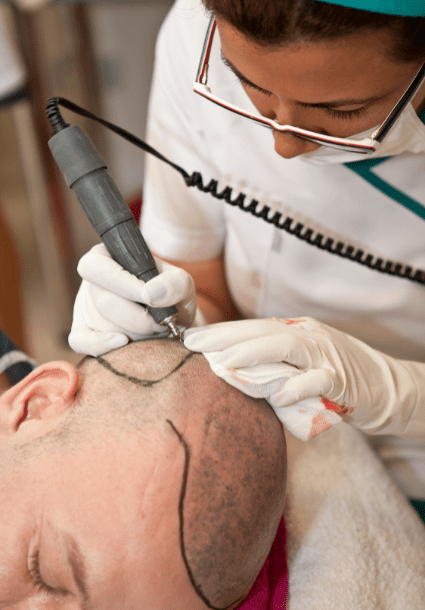

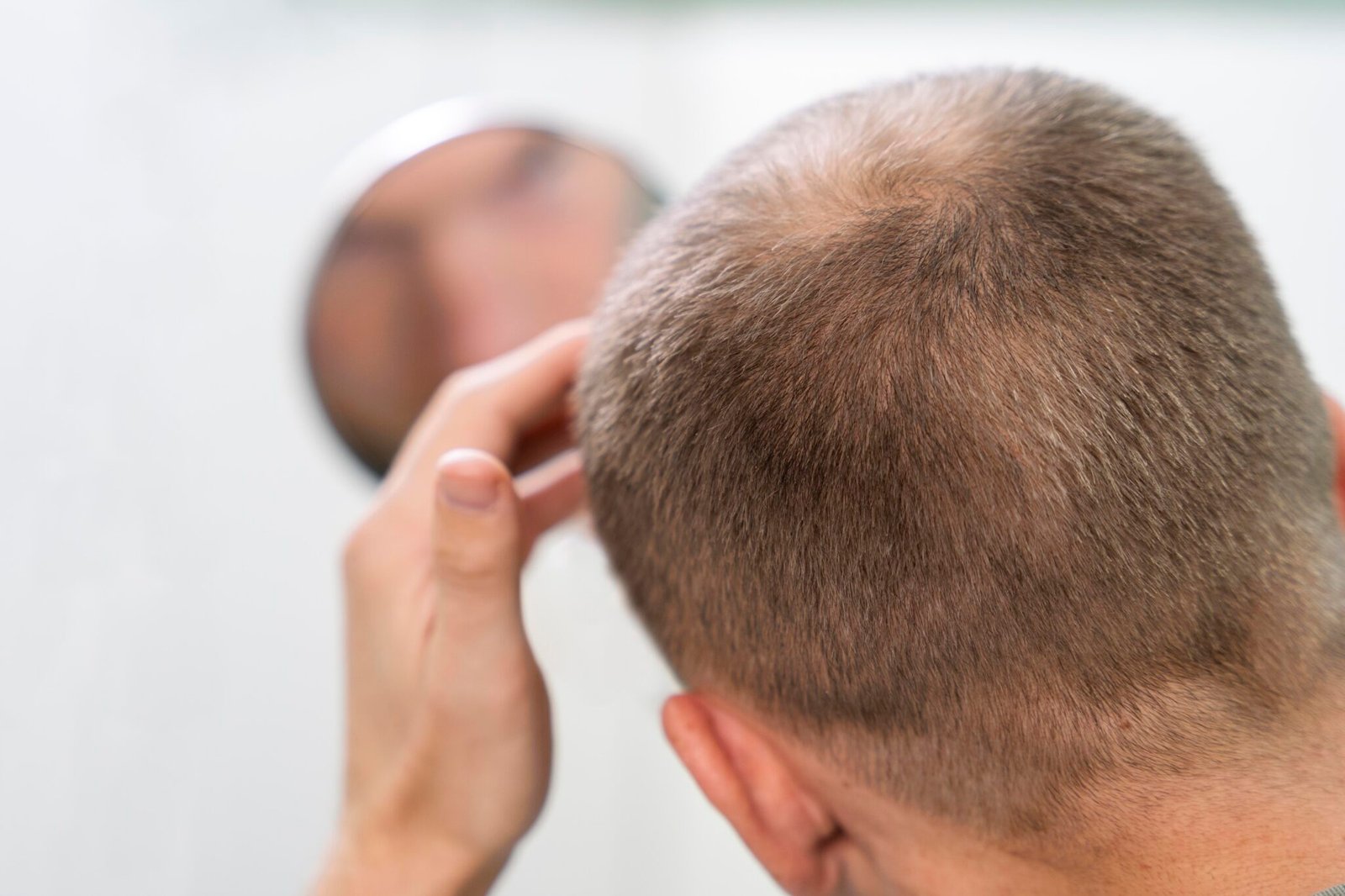
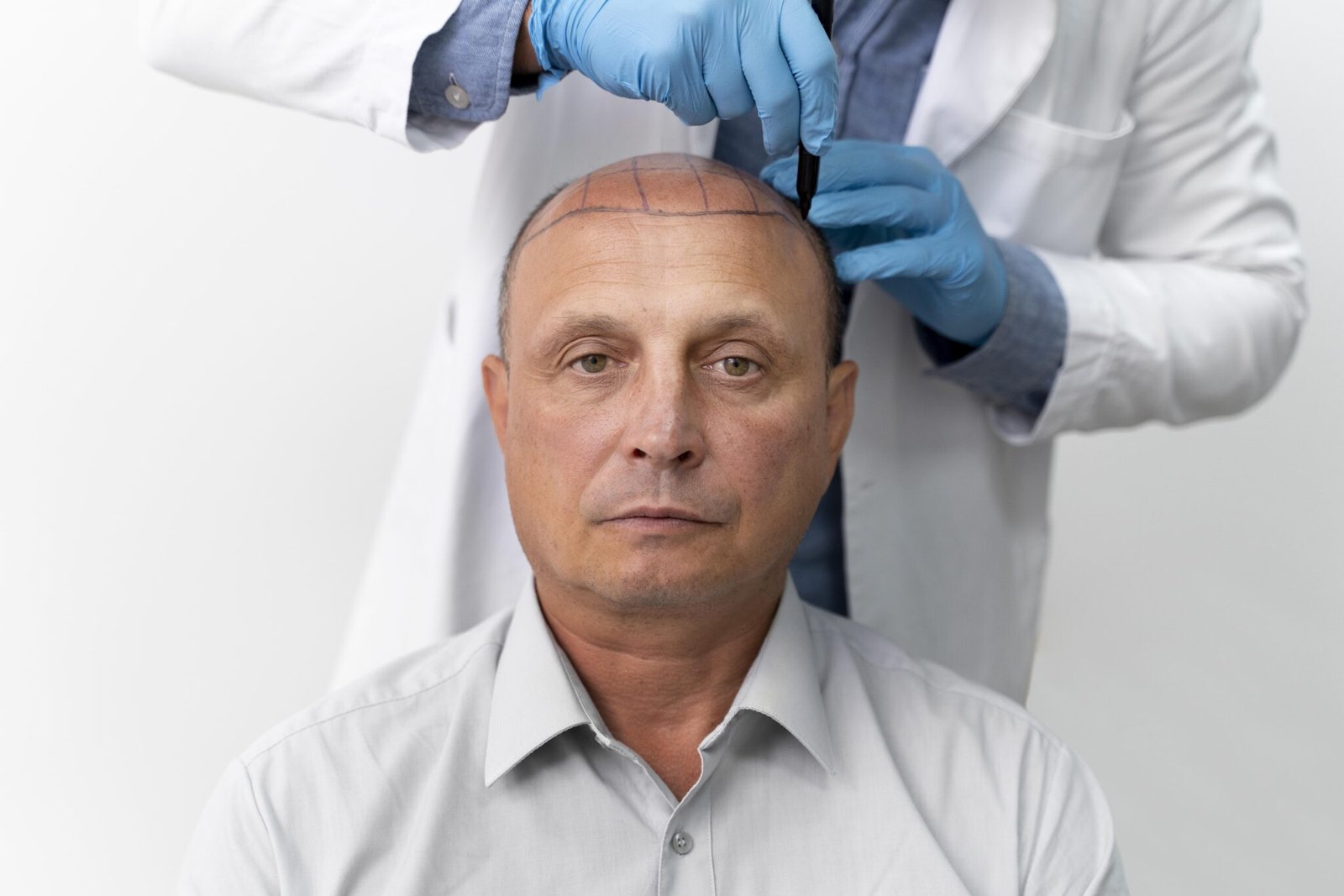
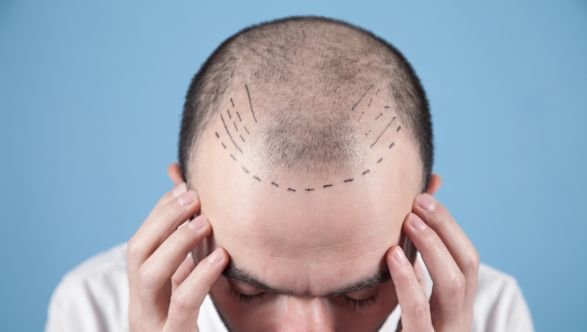

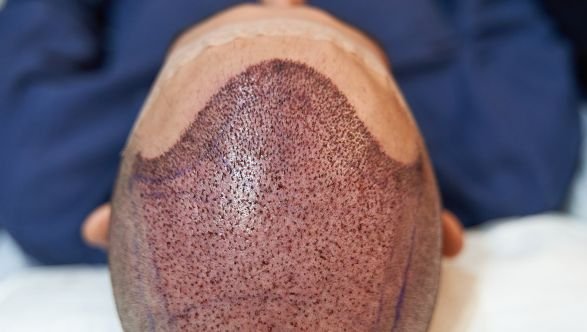
Causes and Signs of Hair Transplant Infection
Infections happen when bacteria enter the scalp through surgical sites. Common causes include poor hygiene, improper aftercare, or exposure to contaminants during or after surgery.
- Redness and swelling at transplant sites
- Increased pain or tenderness
- Pus or discharge from the area
- Fever or chills in some cases
Noticing these signs early helps ensure prompt treatment.
Preventing and Managing Infection
Prevent infection by maintaining strict hygiene and following aftercare instructions. Important steps include:
- Keeping the scalp clean and dry as directed
- Avoiding touching or scratching the transplant area
- Using prescribed antibiotics or antiseptics if recommended
- Attending all follow-up appointments for monitoring
If infection occurs, your doctor may prescribe antibiotics or adjust your care. Rarely, additional procedures like hair transplant repair & correction may be needed.
When to Seek Medical Advice
Contact your specialist if you see persistent redness, swelling, discharge, or symptoms like fever. Early evaluation helps tailor treatment and reduces risks of scarring or graft loss.
About the Business
Alloroots is a doctor-led hair restoration clinic in India specializing in hair transplantation and hair loss treatment. Led by Dr. Alok Kumar Sahoo (MD Dermatology, AIIMS New Delhi), Alloroots offers personalized plans including FUE hair transplant, PRP, GFC, and i-PRF therapies. Services cover male and female hair transplants, beard, mustache, eyebrow, and body hair transplants, plus hair transplant repair. The clinic focuses on privacy, evidence-based care, and patient-centered follow-up through both in-clinic and online consultations. Learn more at Alloroots.com.
Ready to discuss your hair restoration plan with a specialist?
Consult UsFAQs
Frequently Asked Questions
1
How common is infection after a hair transplant?
Infection is uncommon when proper surgical and hygiene protocols are followed but can occur in some cases. Risk depends on individual factors and clinic standards.
2
What are early signs of a hair transplant infection?
Early signs include redness, swelling, increased pain, pus or discharge at the transplant site, and sometimes fever.
3
Can infection after hair transplant cause permanent damage?
If untreated, infection can lead to scarring or graft loss. Prompt medical care usually prevents permanent damage.
4
What should I do if I suspect an infection after my transplant?
Contact your hair transplant specialist immediately for evaluation and possible antibiotic treatment.
5
Are antibiotics always needed after hair transplant surgery?
Antibiotics may be prescribed preventively or if infection develops, based on individual assessment and clinical judgment.
6
How can I reduce my risk of infection after a hair transplant?
Follow all post-op care instructions, keep the scalp clean, avoid touching the area, and attend follow-up appointments.
Speak with our hair restoration specialists about your treatment options.
Book a Consultation View PricingPopular Searches
Hair Transplant Procedure
Hair Transplant Center
Hair Loss Hair Transplant
Hair Transplant for Women
Long Hair Transplant
Hair Transplant on Scar Tissue
Hair Transplant Repair Surgery
Hair Transplant Cosmetic Surgery
Hair Transplant Before After
Hair Transplant Consultation
Alopecia Hair Transplant
Body to Scalp Hair Transplant
Beard to Scalp Hair Transplant
Hair Thinning Transplant
Corrective Hair Transplant Procedure
Scalp Hair Transplant After Scarring