
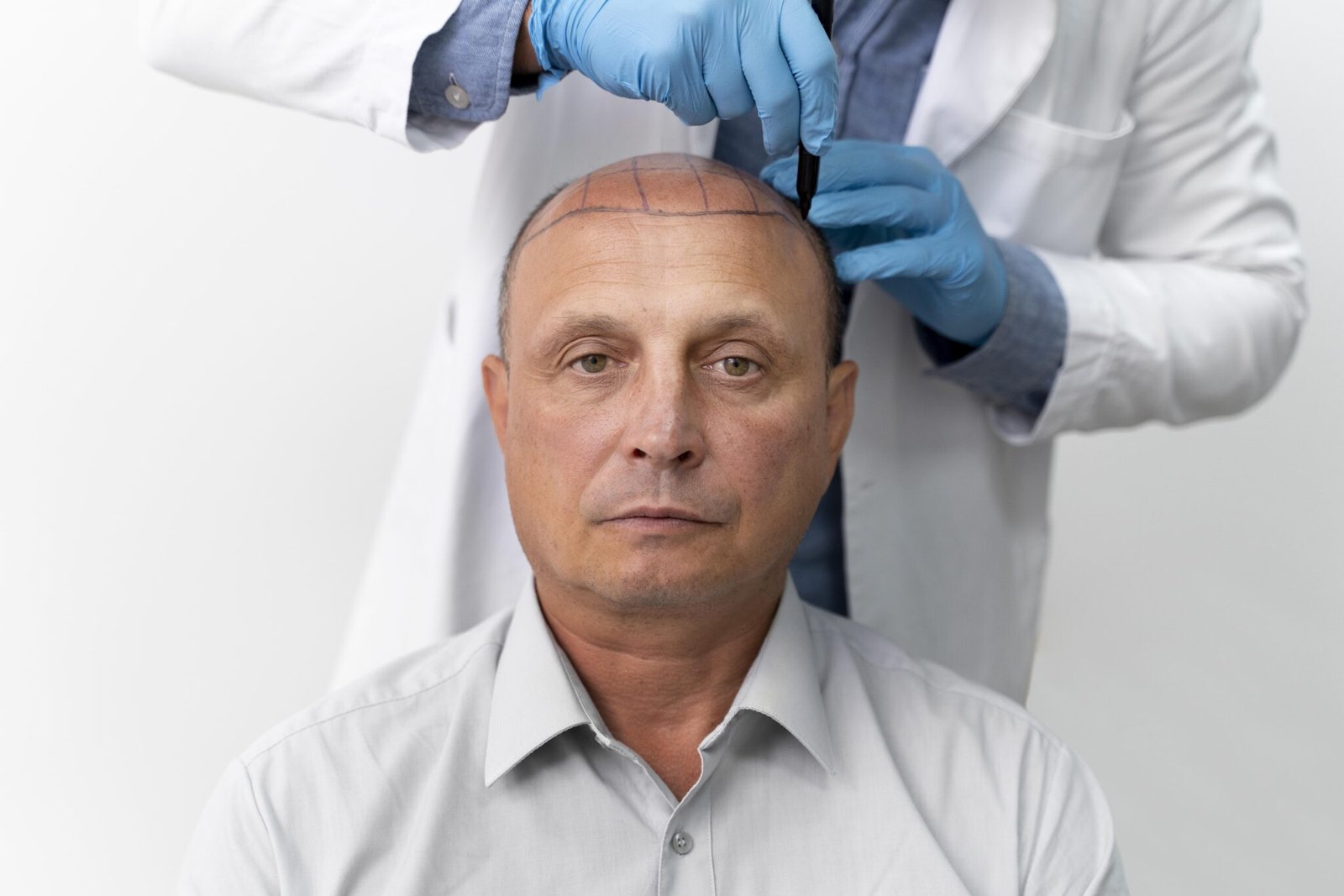
Hair Transplant Side Effects India
Hair transplant side effects in India are managed at Alloroots with doctor-led care. Procedures like male hair transplant and female hair transplant include personalised assessment, clear discussion of possible reactions, and structured recovery plans under Dr. Alok Kumar Sahoo.



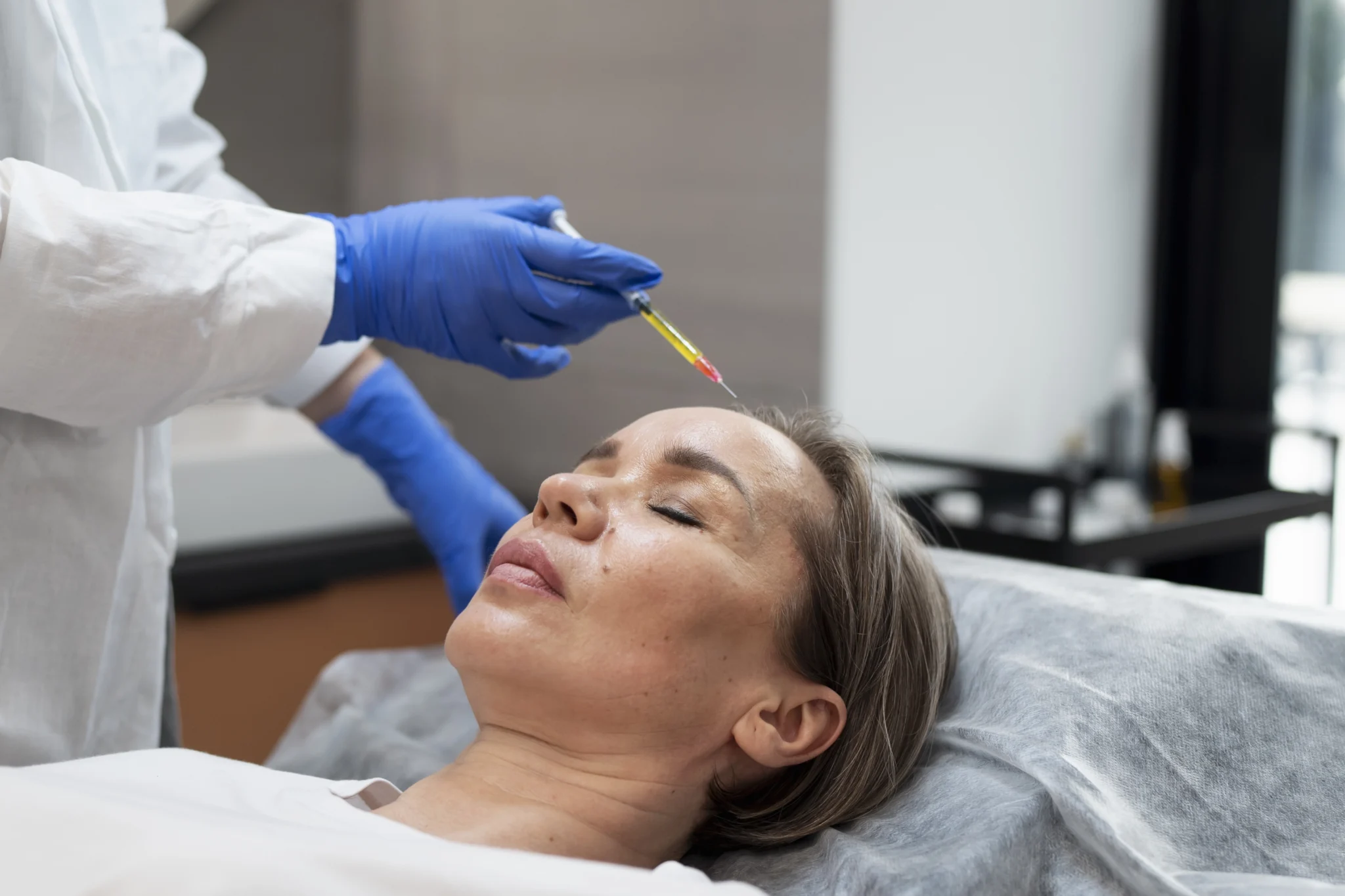
Why Side Effects Occur After Hair Transplant
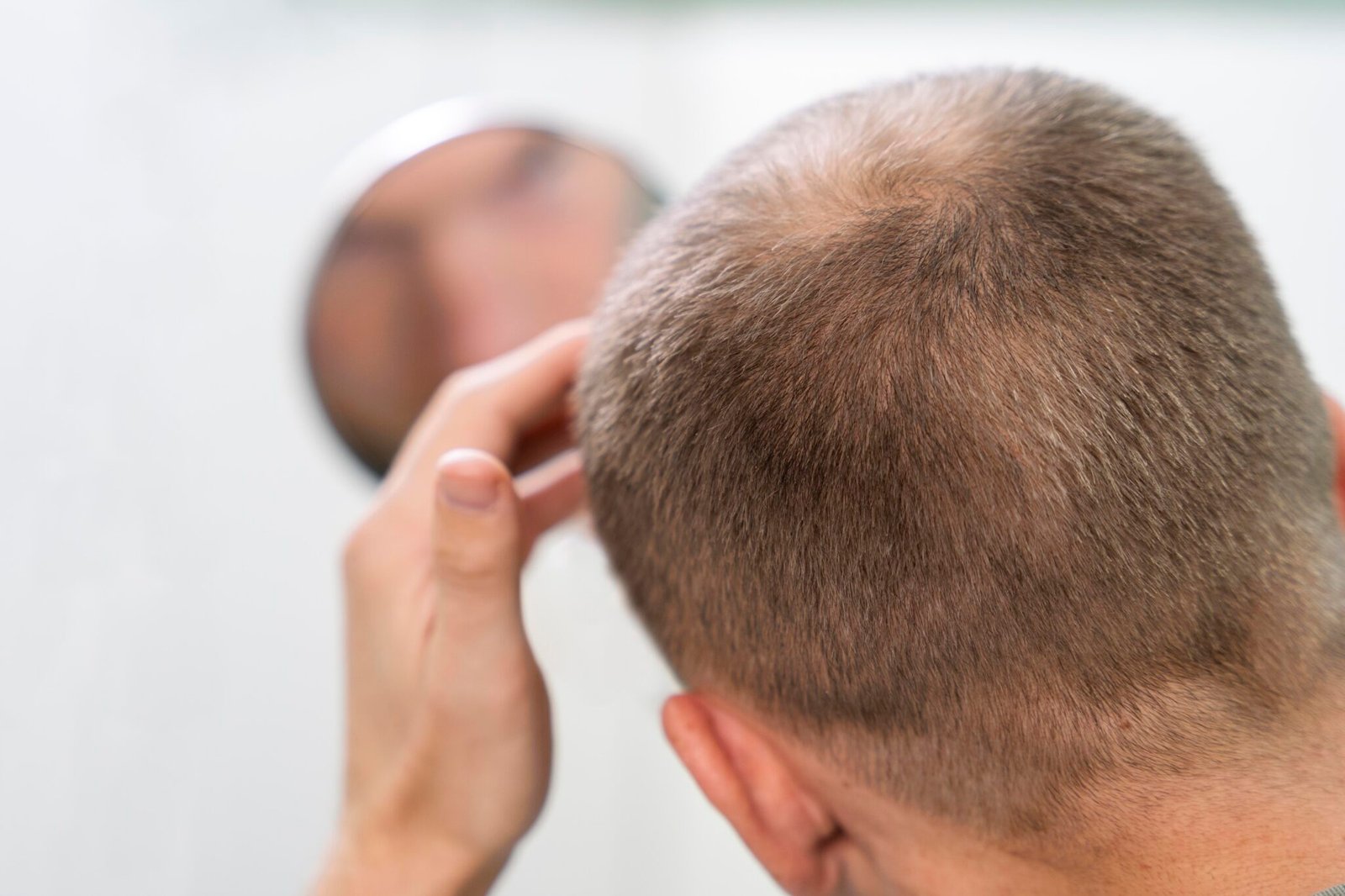
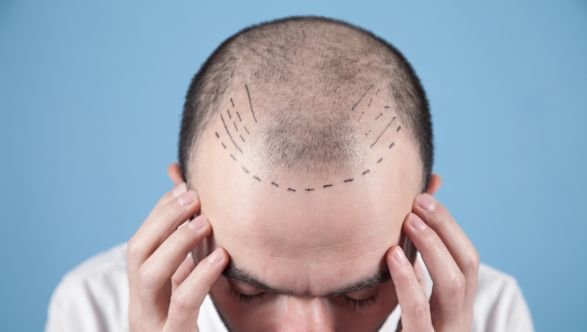
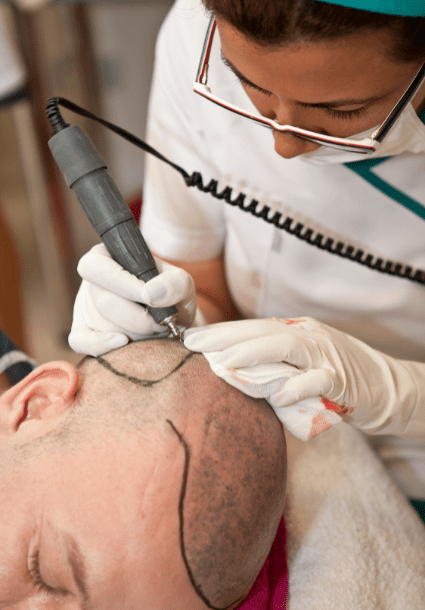
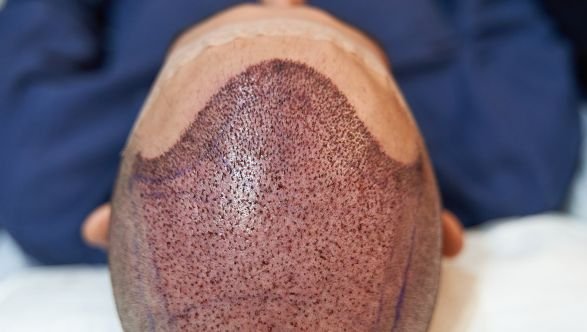
Side effects are often part of healing and may result from surgical technique, patient health, or post-care routine:
- Swelling on forehead or eyelids from fluid accumulation during healing.
- Itching due to skin repair and scab formation, eased by gentle cleansing and prescribed lotions.
- Pain or discomfort managed with short-course medication.
- Minor bleeding at graft sites, usually controlled by dressing and pressure.
- Shock loss, temporary shedding around transplanted hair.
- Scarring, minimal with FUE but more visible with FUT if wound care is poor.
- Infection risk reduced with sterile technique and antibiotics when indicated.
- Graft failure linked to surgical handling and patient aftercare adherence.
Reducing Side Effects Through Care Planning
Advanced extraction methods and tailored care can lower complication rates. Services such as hairline design & restoration and repair procedures use precision tools and structured follow-up. Steps include:
- Health screening before surgery to detect conditions that may slow recovery.
- Minimal trauma techniques to limit swelling and scarring.
- Cold compresses applied within the first 48 hours.
- Keeping the scalp clean, avoiding scratching, and using recommended shampoo.
- Scheduled follow-up visits for wound check and early detection of issues.
Results vary. Before/after images are shared only with patient consent and in a privacy-respecting manner.
Signs That Need Prompt Medical Review
Contact your doctor if you notice:
- Swelling beyond seven days.
- Spreading redness or discharge from graft areas.
- Uncontrolled pain despite medication.
- Hairline irregularities or uneven regrowth.
Early intervention can prevent progression and protect future hair growth. Keep a record of changes and bring it to follow-up appointments.
Tip: bring prescribed medicines and a soft cap to your first post-op review to protect grafts during travel and ensure correct dosing discussions.
About Alloroots
Alloroots is a doctor-led hair restoration clinic in India headed by Dr. Alok Kumar Sahoo (MD Dermatology, AIIMS New Delhi). Services cover surgical hair transplantation, regenerative hair science, and non-surgical treatments. Patients receive personalised diagnosis, natural hairline planning, and safety-focused care. Consultations are available in-clinic and online. Privacy is maintained for all patient records and images. Learn more at Alloroots.
Ready to discuss your hair restoration plan with a specialist?
Consult UsFAQs
Frequently Asked Questions
1
What is the most common side effect after hair transplant?
Swelling around the forehead and eyes is the most common, usually resolving within a few days with proper aftercare.
2
Does itching after hair transplant mean infection?
Itching is usually part of healing, not infection, and can be managed with gentle cleansing and moisturising as advised by your doctor.
3
How long does shock loss last?
Shock loss typically lasts a few weeks, with regrowth starting as the transplanted follicles settle and heal.
4
Can scarring be avoided completely?
Scarring cannot be eliminated entirely, but modern FUE techniques can make it minimal and less visible.
5
When should I see my surgeon after surgery?
Follow-up is often scheduled within a week, but you should see your surgeon immediately if you notice signs of infection or unusual pain.
6
Are infections common after hair transplant?
Infections are rare when sterile techniques are used and aftercare instructions are followed carefully.
Speak with our hair restoration specialists about your treatment options.
Book a Consultation View PricingPopular Searches
Hair Transplant Side Effects
Hair Transplant in India: Procedures and Benefits
Hair Transplant Contraindications in India
How Smoking Affects Hair Transplant Results in India
Your Hair Transplant Patient Journey in India
Treating Hair Transplant Complications in India
Risks of Hair Transplant Surgery in India
Is Hair Transplant Painful in India?
Hair Transplant Before and After Results in India
Combine Your India Family Visit with a Hair Transplant
Hair Transplant Touch-Up Procedures in India
Complete Hair Transplant Patient Journey in India
Hair Transplant Repair and Correction in India
Hair Transplant in India Combined With Holidays
Hair Transplant in India for Patients from USA
Hair Transplant in India for South Asian Patients