

Risks of Hair Transplant Surgery in India
At Alloroots, led by Dr. Alok Kumar Sahoo (MD Dermatology, AIIMS New Delhi), risks of hair transplant surgery in India are evaluated before treatment. Patients choosing male hair transplant or female hair transplant receive personalised diagnosis, privacy-focused care, and planning based on clinical assessment. Modern FUE methods reduce many risks, but possible side effects and complications should be understood before booking.


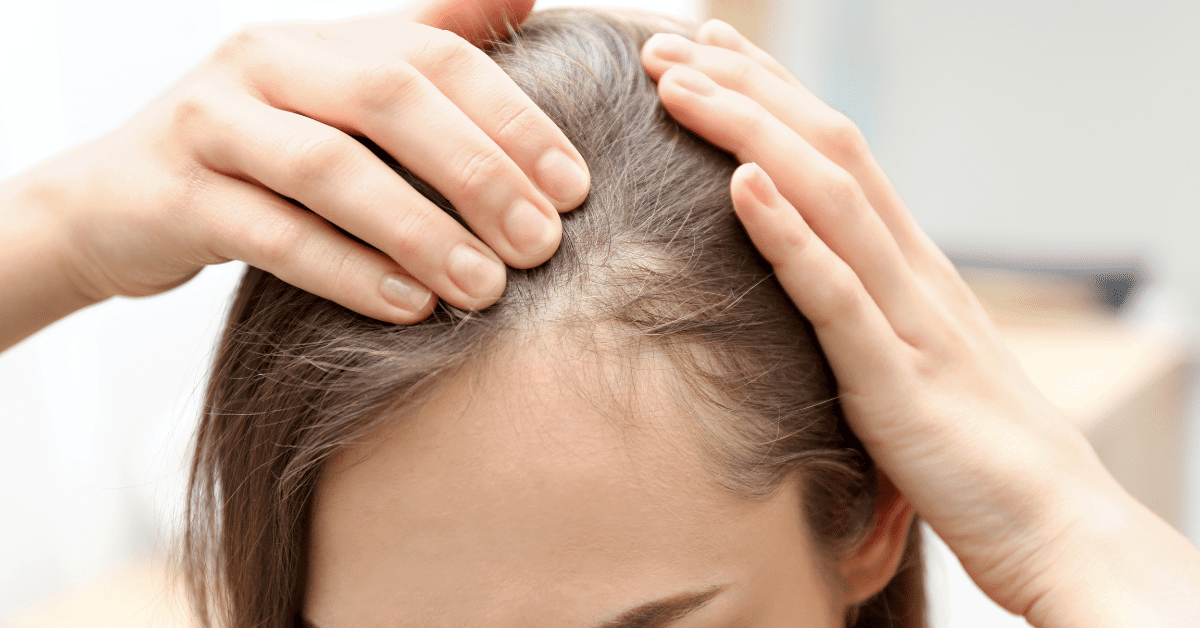
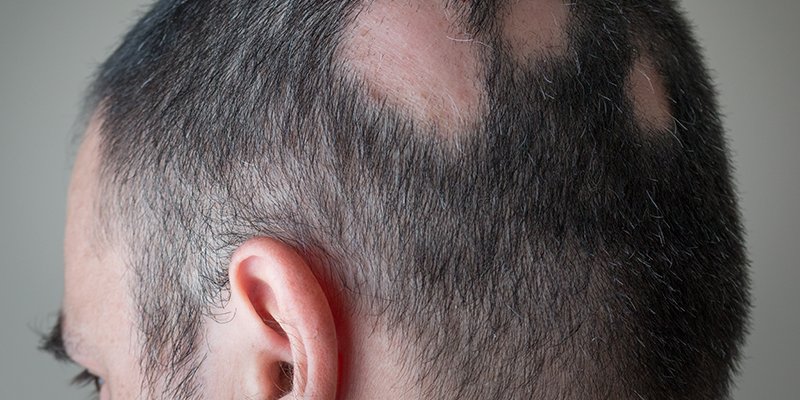
Common Risks and Temporary Side Effects
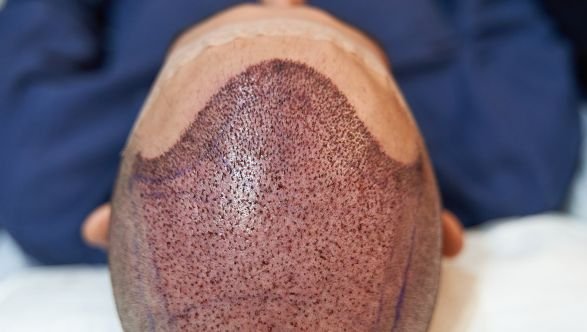
Short-term effects are common and usually resolve within days or weeks with proper aftercare.
- Mild pain or discomfort, managed with medication and cold packs.
- Forehead swelling, typically subsiding in a few days.
- Itching in donor or recipient areas, eased by gentle washing and avoiding scratching.
- Scabbing and crusting, removed during post-operative washes.
- Temporary shedding of transplanted hairs before regrowth.
Following clinic instructions on washing schedules and scalp protection helps limit these effects.
Less Common Complications
Serious complications are rare but possible. Skilled technique and sterile protocols reduce risks.
- Infection, prevented with aseptic measures and antibiotics.
- Excessive bleeding, reduced by careful surgical handling.
- Scarring, minimal with FUE, wider with FUT or repair cases.
- Allergic reactions to anaesthesia or medications, screened before surgery.
- Recipient area necrosis from poor blood supply, requires urgent care.
Patients seeking hair transplant repair and correction should note that earlier poor-quality work can raise complication risk in follow-up surgery.
Reducing Risk with Careful Planning
Risk control relies on thorough consultation, tailored planning, and disciplined aftercare. Dr. Sahoo applies evidence-based strategies including precise FUE harvesting, hairline design, and regenerative adjuncts like PRP, GFC, or i-PRF to support healing and growth. Privacy-protected before/after records allow outcome review without compromising confidentiality.
Risk factors include age, health status, scalp condition, donor hair quality, and lifestyle. Conditions like uncontrolled diabetes or smoking can slow healing. Some cases, such as traction alopecia, need targeted treatment before surgery. When surgery is unsuitable, non-surgical options like growth factor hair therapy may be considered.
Consultations involve choosing an in-clinic or online slot, sharing medical history, and bringing records from any previous procedures for accurate risk assessment.
About Alloroots
Alloroots is a doctor-led hair restoration clinic in India, specialising in surgical hair transplantation and regenerative trichology. Led by Dr. Alok Kumar Sahoo (MD Dermatology, AIIMS New Delhi), services include personalised diagnosis, natural hairline design, advanced FUE transplants, and non-surgical hair restoration treatments. Patients across India can book in-clinic or online consultations. The clinic prioritises privacy, safety, and realistic outcomes, supported by documented patient journeys and before/after transformations. Learn more at alloroots.com.
Ready to discuss your hair restoration plan with a specialist?
Consult UsFAQs
Frequently Asked Questions
1
What is the most common side effect after hair transplant?
Mild swelling and discomfort in the scalp are common and usually resolve within a few days with proper care.
2
Can infection occur after hair transplant surgery?
Yes, though rare, infection can occur if post-operative hygiene is not maintained. Antibiotics are often prescribed to prevent it.
3
Is scarring inevitable with hair transplants?
Minimal scarring is common with FUE, while FUT can leave a linear scar. Skilled technique reduces visibility.
4
What is recipient area necrosis?
It is tissue death in the transplanted scalp area, a rare complication linked to poor blood supply or excessive tension.
5
Can allergic reactions happen during hair transplant?
Allergic reactions to anaesthesia or medication are possible but screened for during pre-surgery assessment.
6
Does shock loss mean the transplant failed?
No, shock loss is temporary shedding of transplanted hair shafts. Regrowth typically starts within months.
Speak with our hair restoration specialists about your treatment options.
Book a Consultation View PricingPopular Searches
Hair Transplant in India: Procedures and Benefits
Hair Transplant Safety Standards in India
Safety Standards for Hair Transplants in India
Corrective Hair Transplant Procedures in India
Hair Transplant in India for Patients from USA
Safe Hair Transplant Practices in India
Hair Transplant in India for International Patients
Hair Transplant in India for Patients from the USA
Hair Transplant Revision Surgery in India
Planning a Hair Transplant in India from the US
Hair Transplant in India and Keloid Risk
Hair Transplant Contraindications in India
Planning Your Hair Transplant in India From USA
Is Hair Transplant in India a Good Choice?
Safe Graft Limits in Indian Hair Transplants
Hair Transplant for Accident Scars in India