

Infected Scalp Treatment
At Alloroots, dermatologists treat scalp folliculitis, tinea capitis, seborrheic dermatitis, and other infections. Care plans may use antifungal, antibacterial, or anti-inflammatory medicines. For example, Scalp Folliculitis Treatment targets bacterial inflammation with patient privacy maintained.
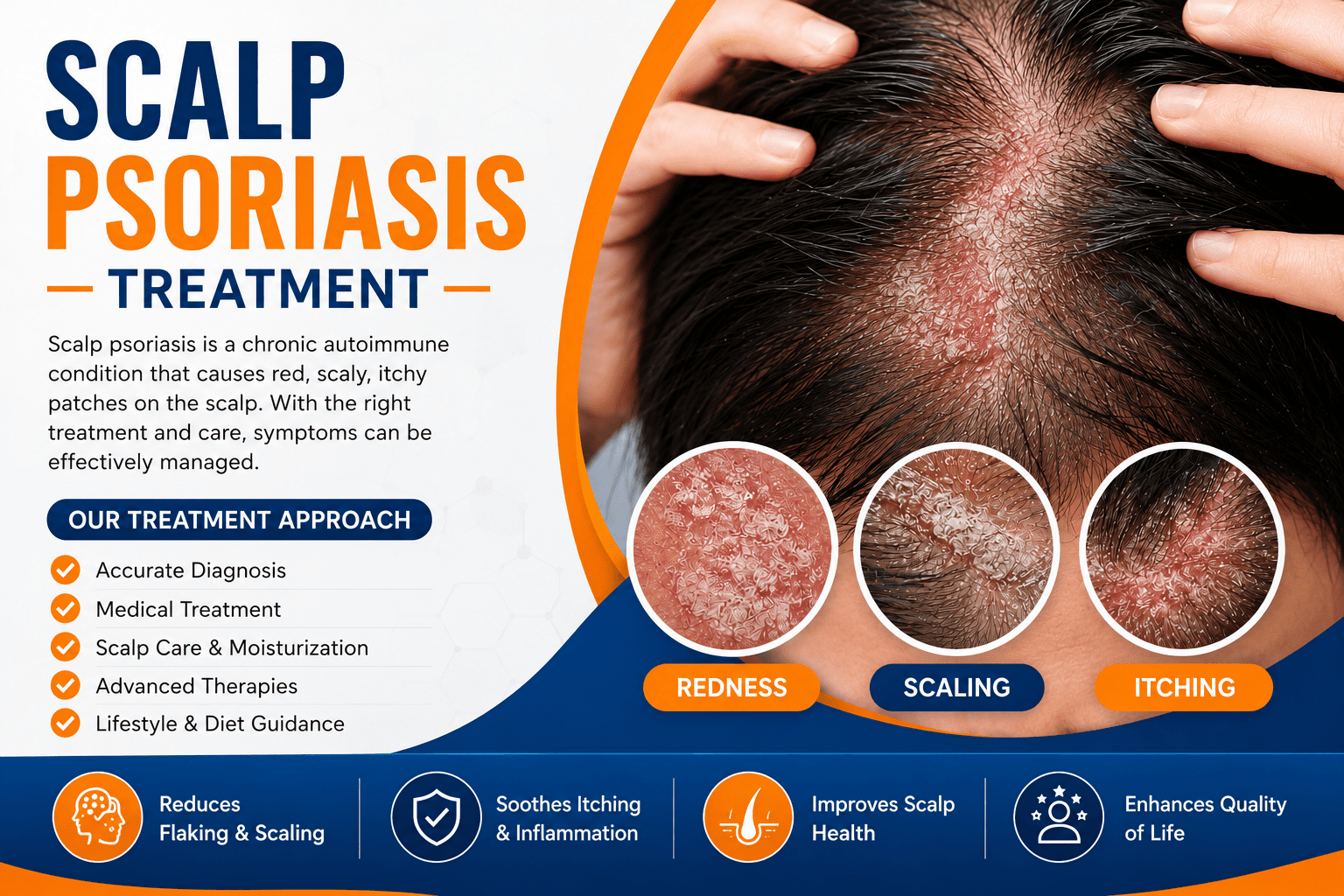
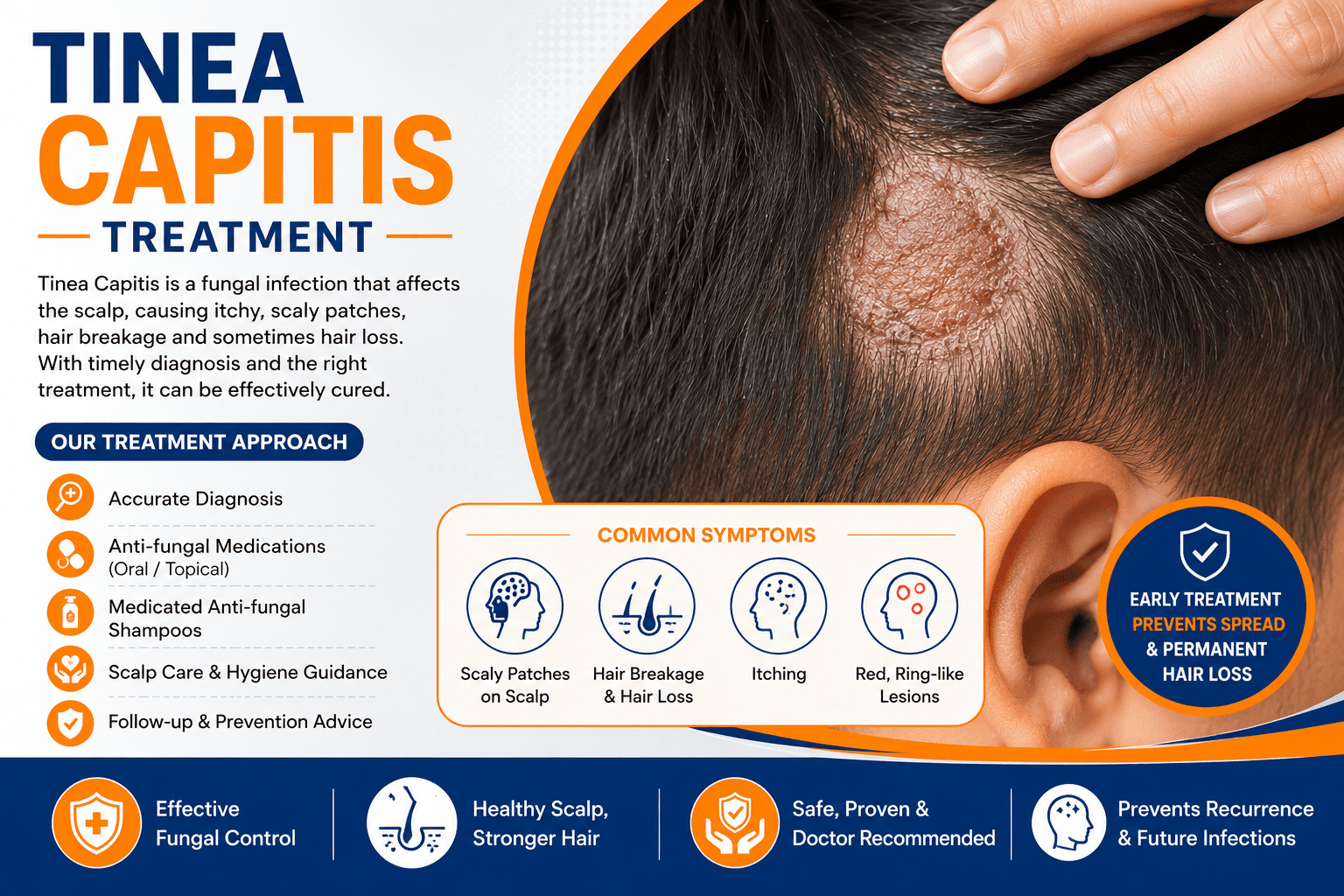
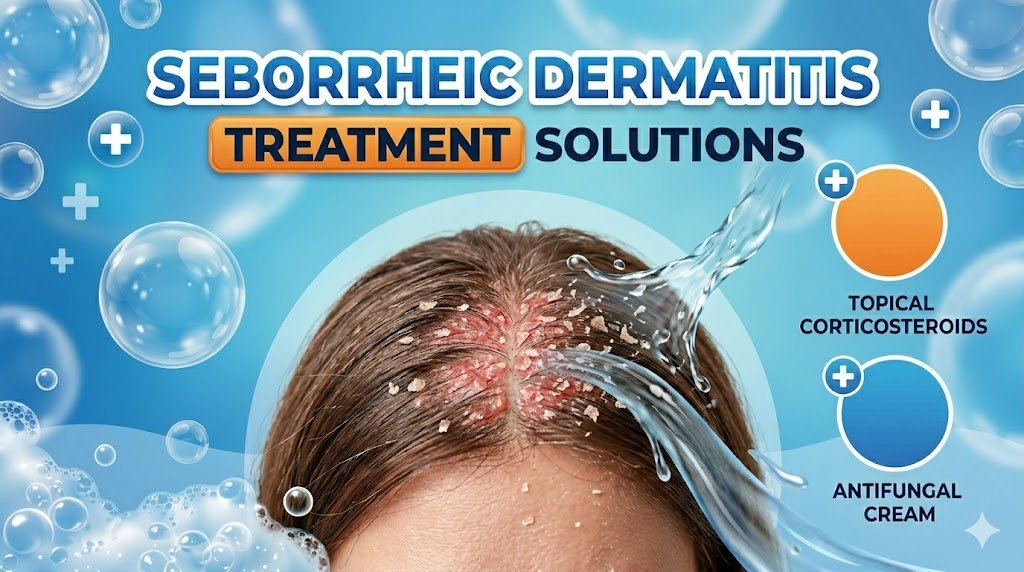
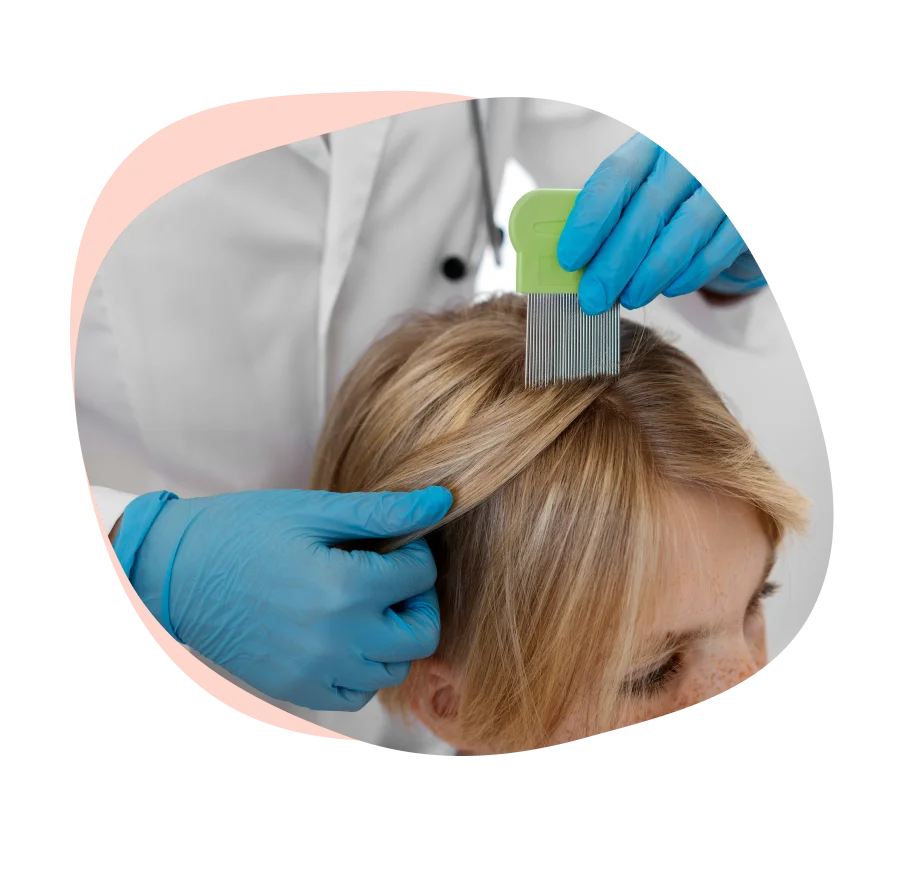
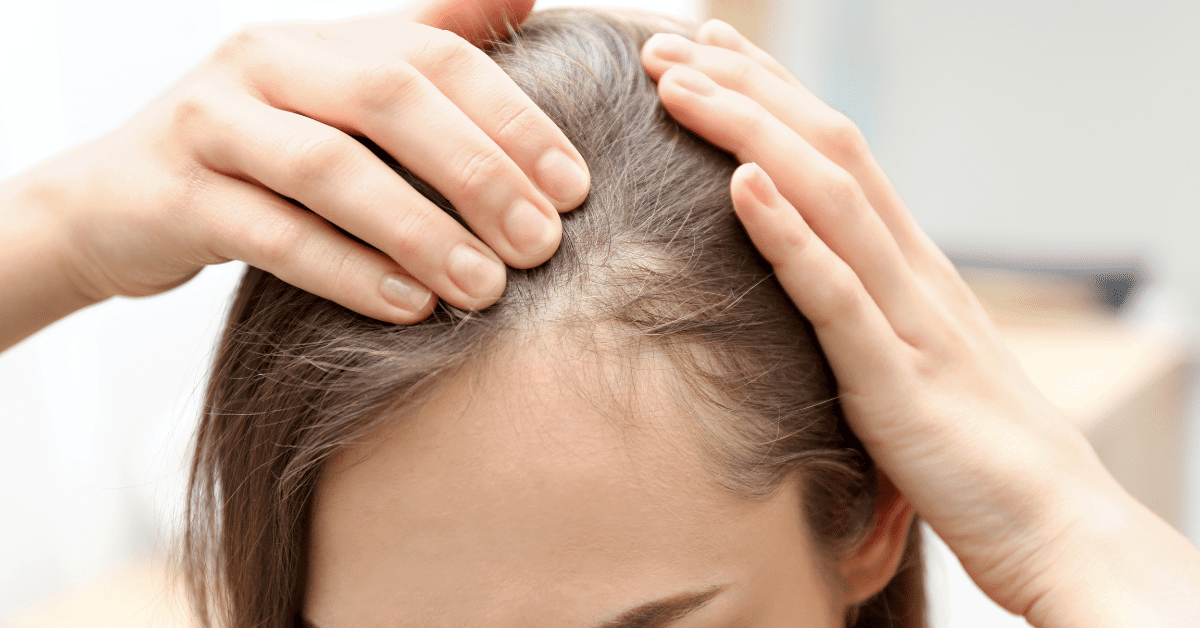
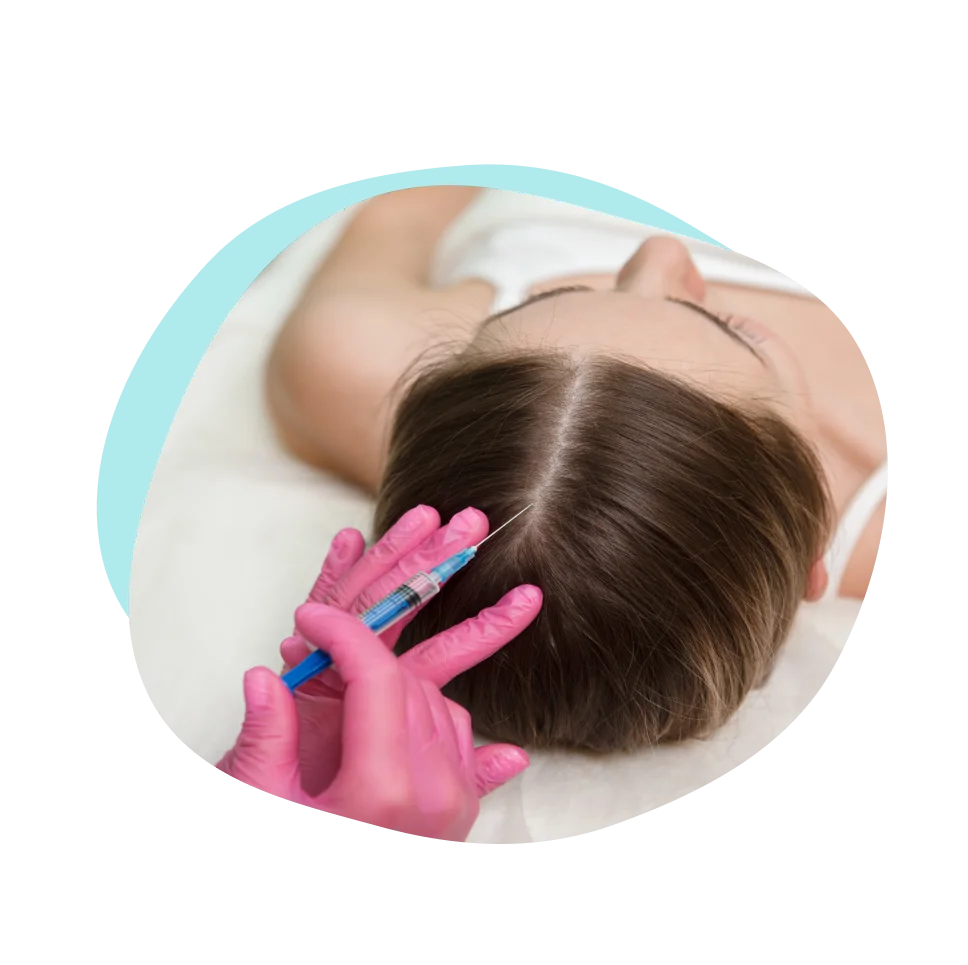

Causes and common types of infected scalp infections
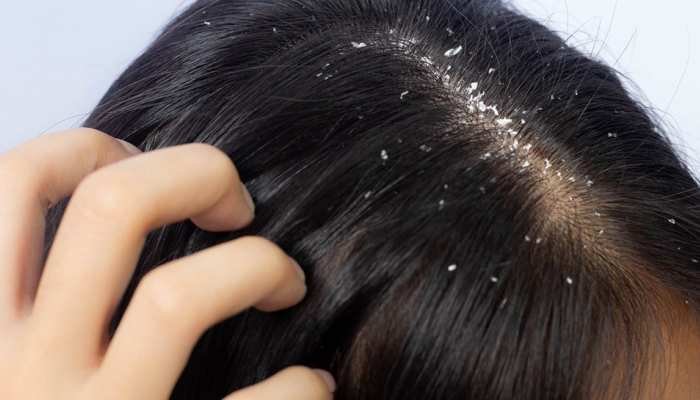
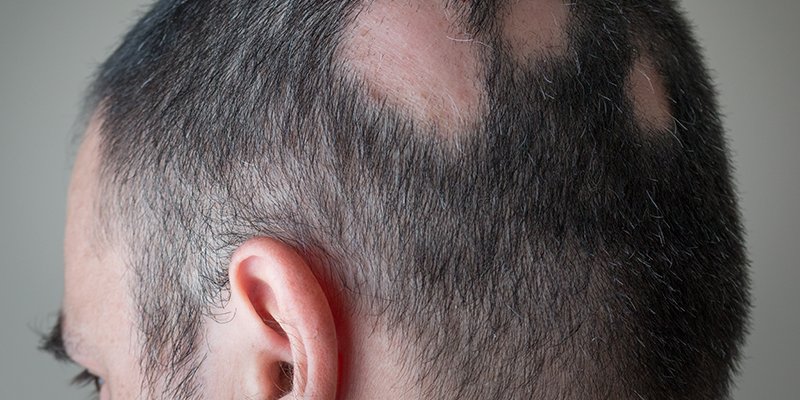
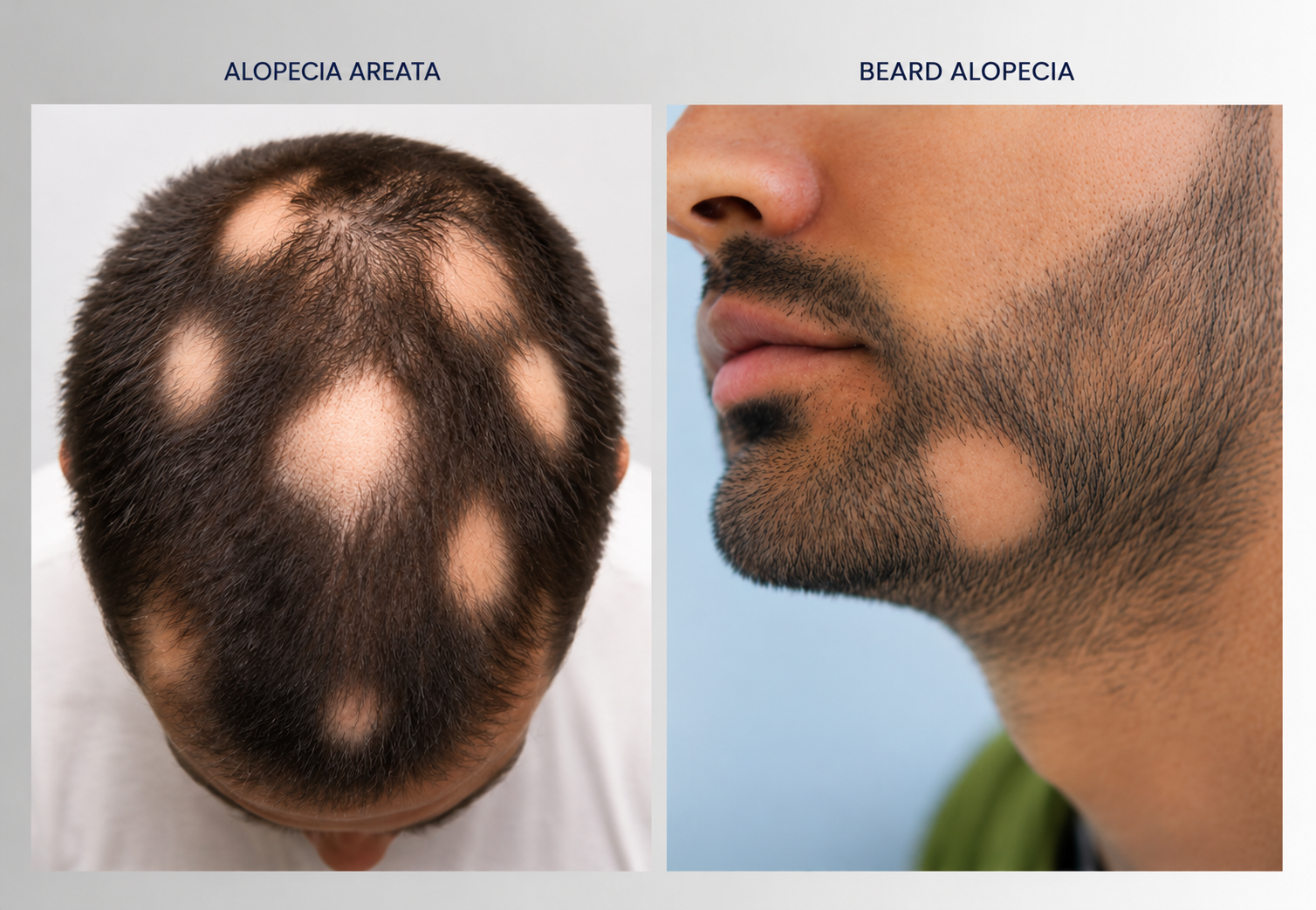
Scalp infections occur when microbes enter damaged skin or follicles. Contributing factors include sweating without cleansing, tight headwear, untreated dandruff, and existing scalp conditions. Common examples:
- Bacterial folliculitis with pustules and itching.
- Tinea capitis, fungal patches with possible hair loss.
- Seborrheic dermatitis, greasy scales from yeast-driven inflammation.
- Impetigo with crusted sores.
- Psoriasis with secondary infection.
Folliculitis is often linked to helmet use in adults. Tinea capitis is more frequent in children.
Diagnosis and treatment approaches
Diagnosis involves examination, dermoscopy, and swab cultures. Treatment depends on cause and severity:
- Medicated shampoos or oral antifungals for tinea capitis or seborrheic dermatitis.
- Topical or oral antibiotics for bacterial infections.
- Low-dose corticosteroids for inflammation when needed.
- Hygiene advice to prevent recurrence.
- Specific care via Seborrheic Dermatitis Treatment or Tinea Capitis Treatment.
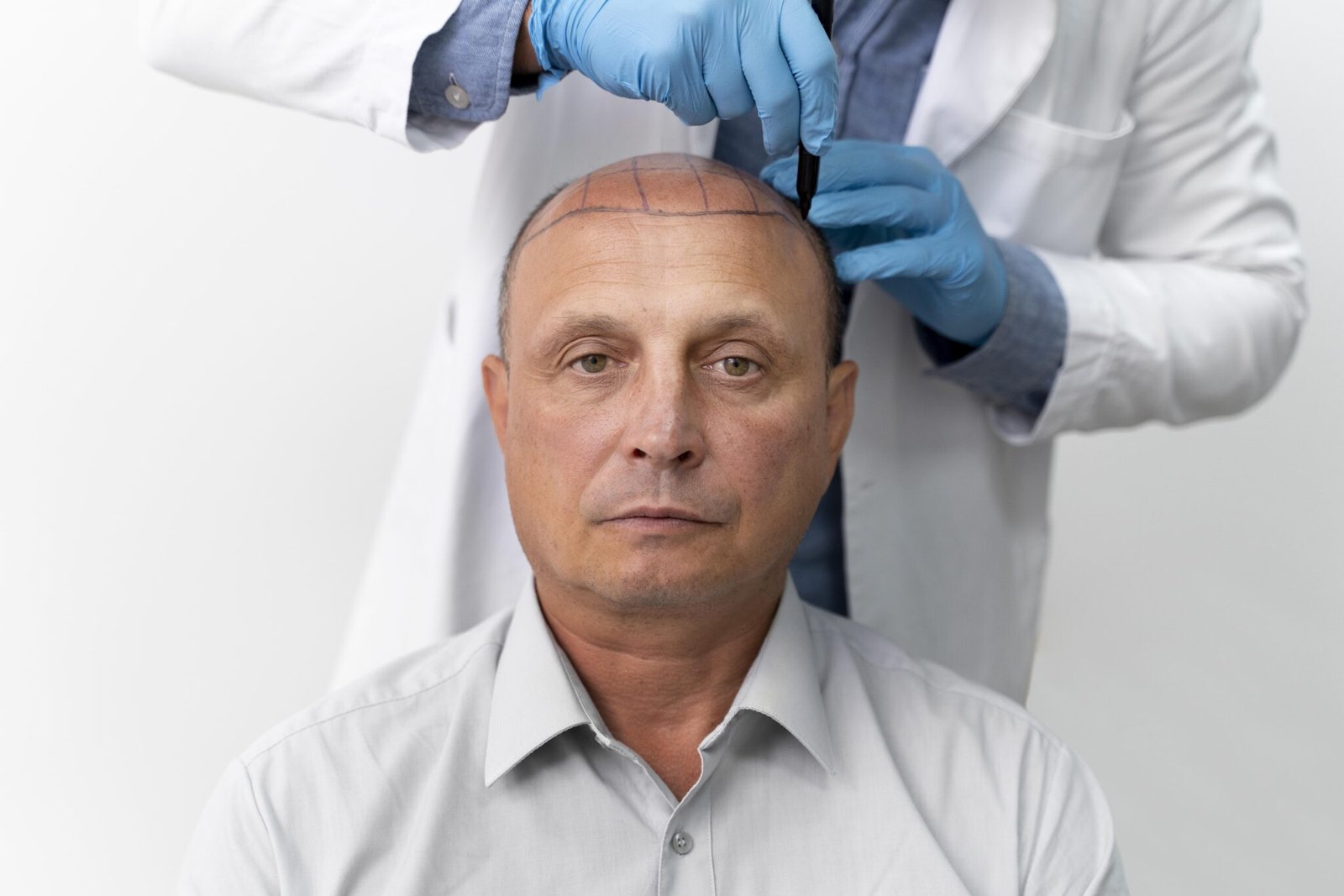
PRP or i-PRF may be suggested after infection clears if hair thinning is present. Consultations can be booked online or by phone. Bringing previous prescriptions or test results helps with planning.
Preventing scalp reinfection
To lower recurrence risk:
- Use medicated shampoo as directed.
- Avoid sharing combs, towels, or headwear.
- Manage chronic issues early with Dandruff Treatment.
- Maintain good nutrition and hydration.
- Schedule regular check-ups for repeated infections.
Before-and-after patient photos are stored securely and only accessible to the treating doctor.
About Alloroots
Alloroots is a doctor-led hair restoration clinic in India, directed by Dr. Alok Kumar Sahoo (MD Dermatology, AIIMS New Delhi). Services include hair transplant, hair loss treatments, regenerative trichology, and scalp infection care. Options cover FUE transplants, repair procedures, non-surgical restoration, and online consultations. The clinic follows evidence-based methods, personalised planning, and strict privacy. Learn more at Alloroots.
Ready to discuss your hair restoration plan with a specialist?
Consult UsFAQs
Frequently Asked Questions
1
What causes an infected scalp?
Bacteria, fungi, or yeast can enter damaged scalp skin or follicles, often due to poor hygiene, excessive sweating, or underlying skin conditions.
2
How is an infected scalp diagnosed?
A dermatologist inspects the scalp and may perform swab cultures or dermoscopy to identify the organism causing the infection.
3
Can infected scalp lead to hair loss?
Yes, untreated infections like tinea capitis or folliculitis may cause temporary or permanent hair loss depending on severity.
4
Is an infected scalp contagious?
Some infections like tinea capitis are contagious, while bacterial folliculitis is usually not unless skin contact transfers bacteria.
5
What treatments are available for infected scalp?
Options include antifungal shampoos, oral antibiotics, anti-inflammatory creams, and targeted scalp care based on medical evaluation.
6
How can I prevent scalp reinfection?
Maintain scalp hygiene, use prescribed medicated shampoos, avoid sharing personal items, and manage chronic conditions promptly.
Speak with our hair restoration specialists about your treatment options.
Book a Consultation View PricingPopular Searches
Fungal Scalp Infection Treatment
Scalp Infection Specialist
Scalp Psoriasis Biological Treatment
Appointment for Scalp Treatment
Ringworm Scalp Treatment
Antifungal Scalp Treatment
Microneedling Scalp Treatment
Scalp Scar Camouflage Treatment
PRP Scalp Treatment
Flaky Scalp Treatment
Scalp Psoriasis Medication
Scalp Therapy for Autoimmune Condition
Scalp Psoriasis Treatment India
Scalp Treatment Injection Kit
Scalp Psoriasis Treatment Cost
Oily Scalp Hair Loss Treatment