

Scalp Infection Specialist
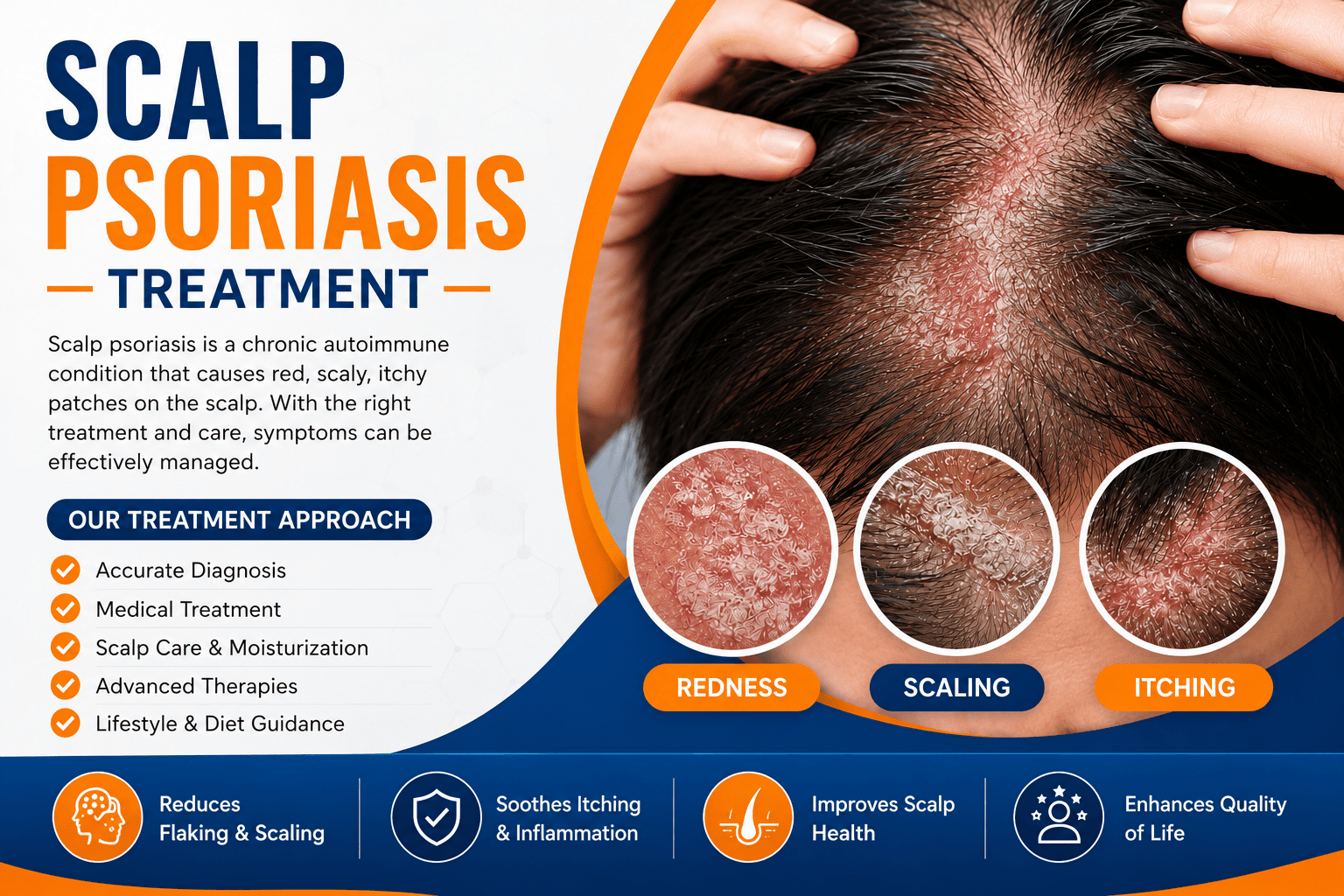
If you have redness, itching, scaling, or hair loss from a scalp infection, see a scalp infection specialist. They diagnose conditions like seborrheic dermatitis, folliculitis, tinea capitis, and scarring alopecia. Treatment depends on the infection type and severity. Doctor-led clinics provide thorough assessments, scalp infection treatments, and hair restoration options such as seborrheic dermatitis treatment using evidence-based therapies.



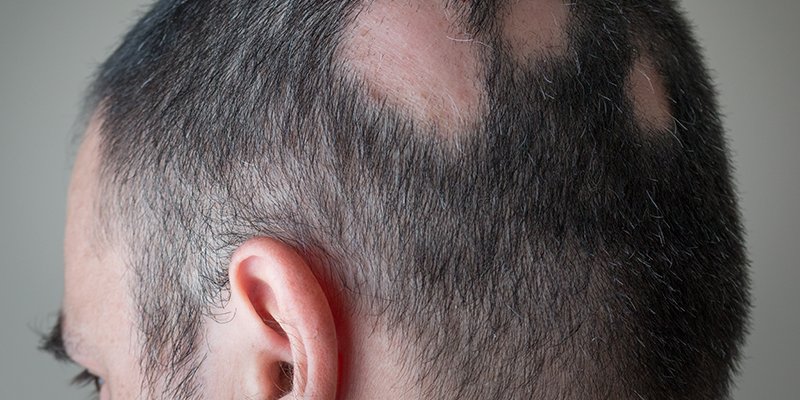
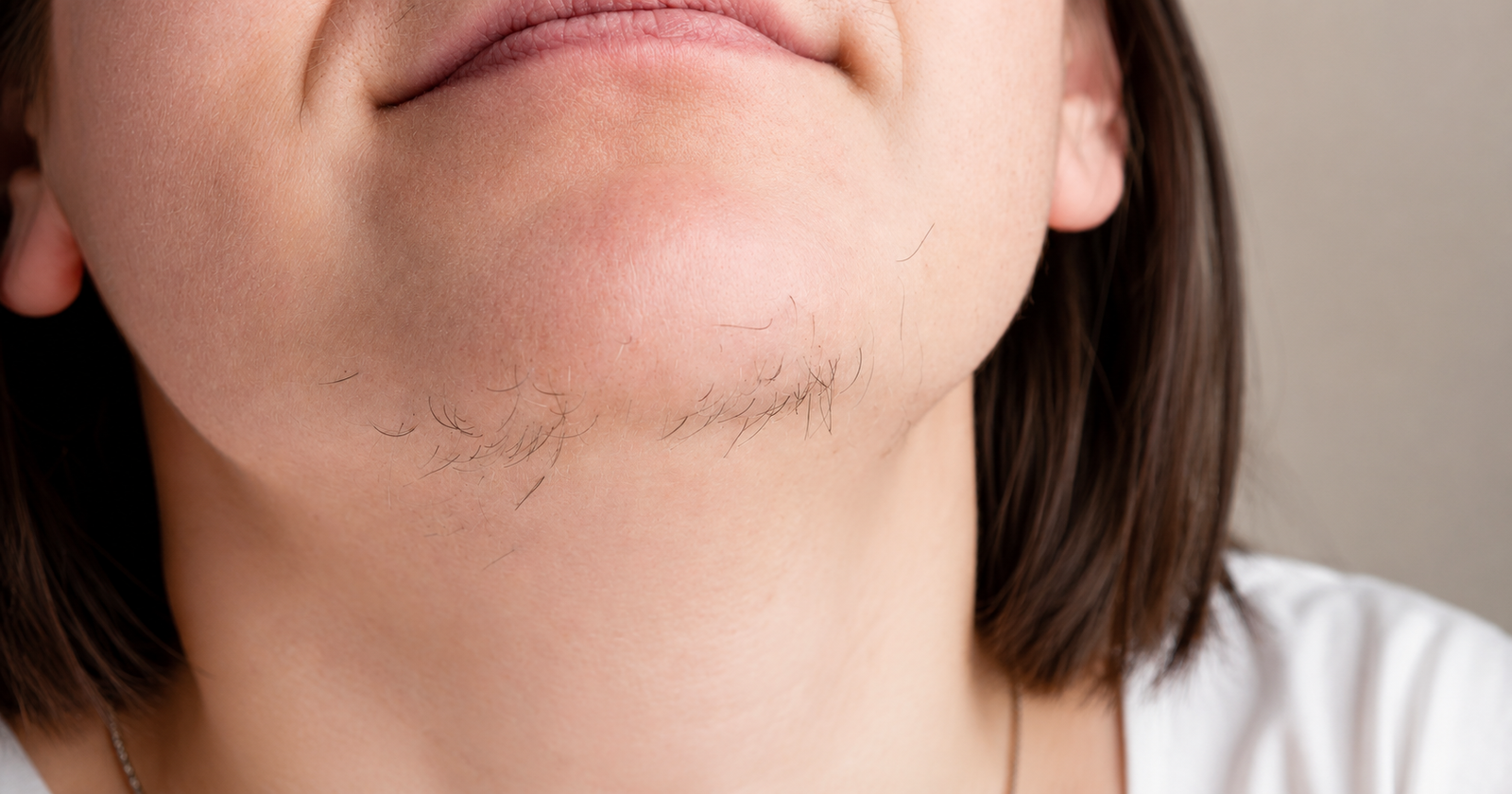
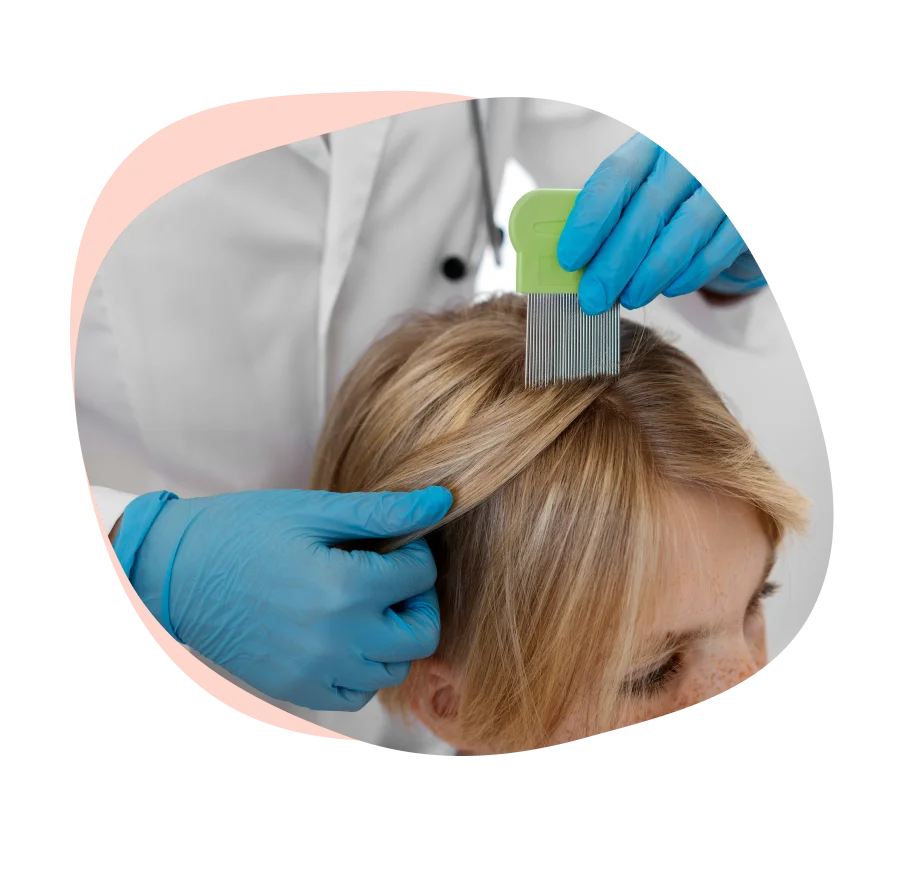
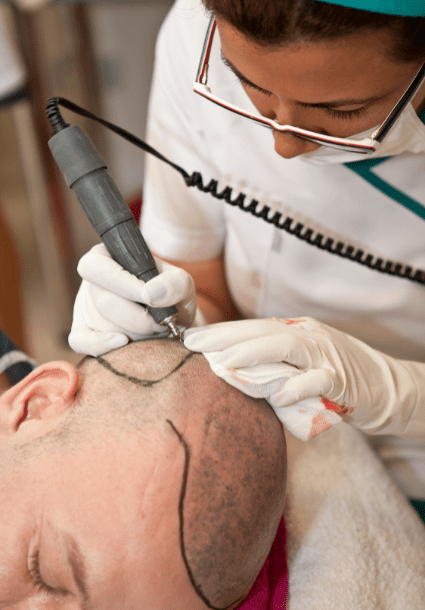
Services Offered by a Scalp Infection Specialist
Specialists perform clinical exams and diagnostic tests to identify bacterial, fungal, or inflammatory causes. Treatment plans are tailored and may include topical or oral medications, lifestyle advice, and follow-up care.
- Seborrheic Dermatitis Treatment: Controls chronic scaling and inflammation with medicated shampoos and creams.
- Scalp Folliculitis Treatment: Uses antibiotics and antiseptic care to treat infected hair follicles.
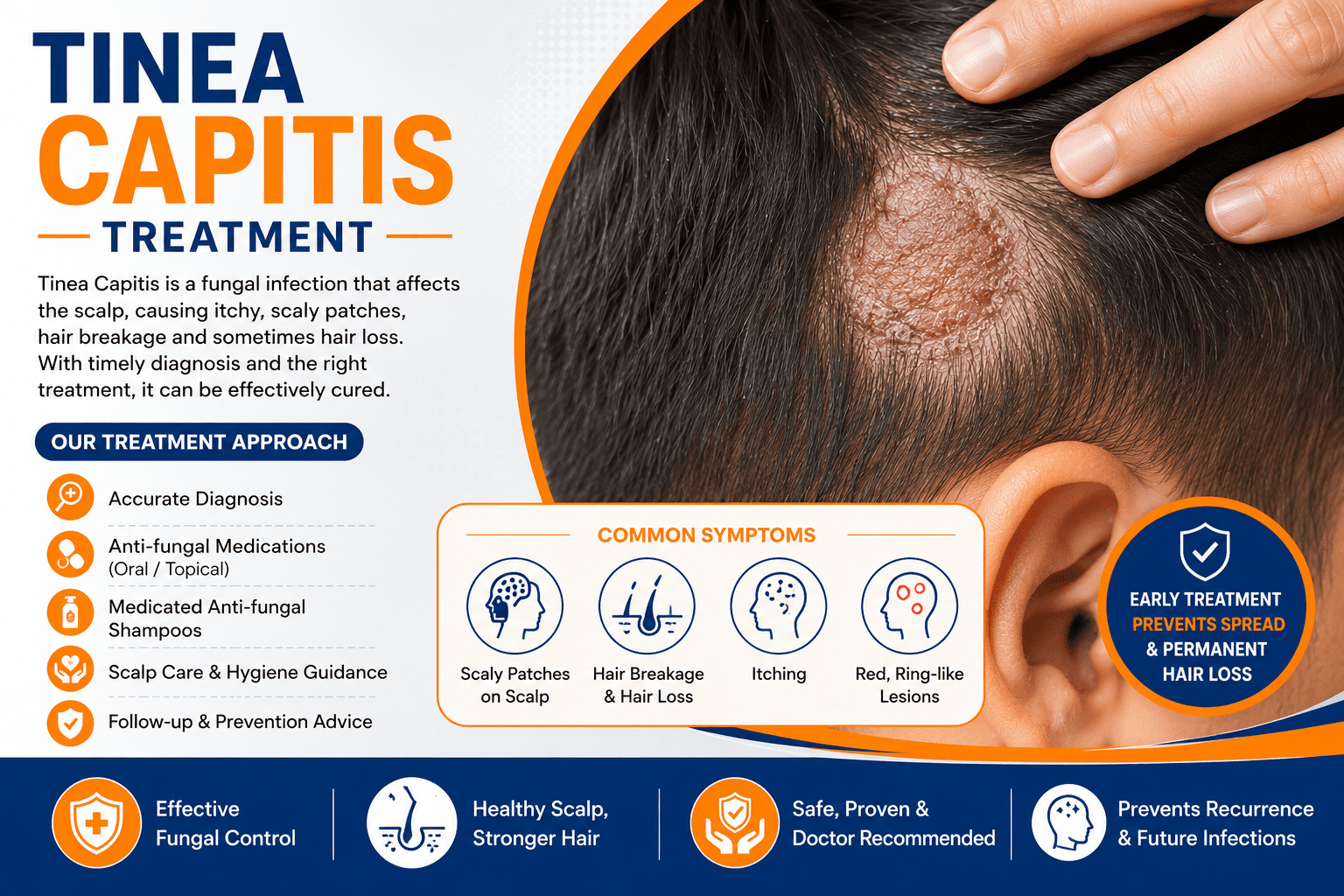
- Tinea Capitis Treatment: Treats fungal infections with antifungal medications and hygiene guidance.
- Scarring Alopecia Treatment: Manages inflammatory scarring and permanent hair loss with anti-inflammatory drugs and regenerative techniques.
When to Consult a Specialist and Complementary Hair Restoration
See a specialist if scalp symptoms last more than a week despite basic care, worsen, or cause hair loss. Early diagnosis prevents complications and improves results. Specialists also distinguish infections from other scalp disorders needing different treatments.
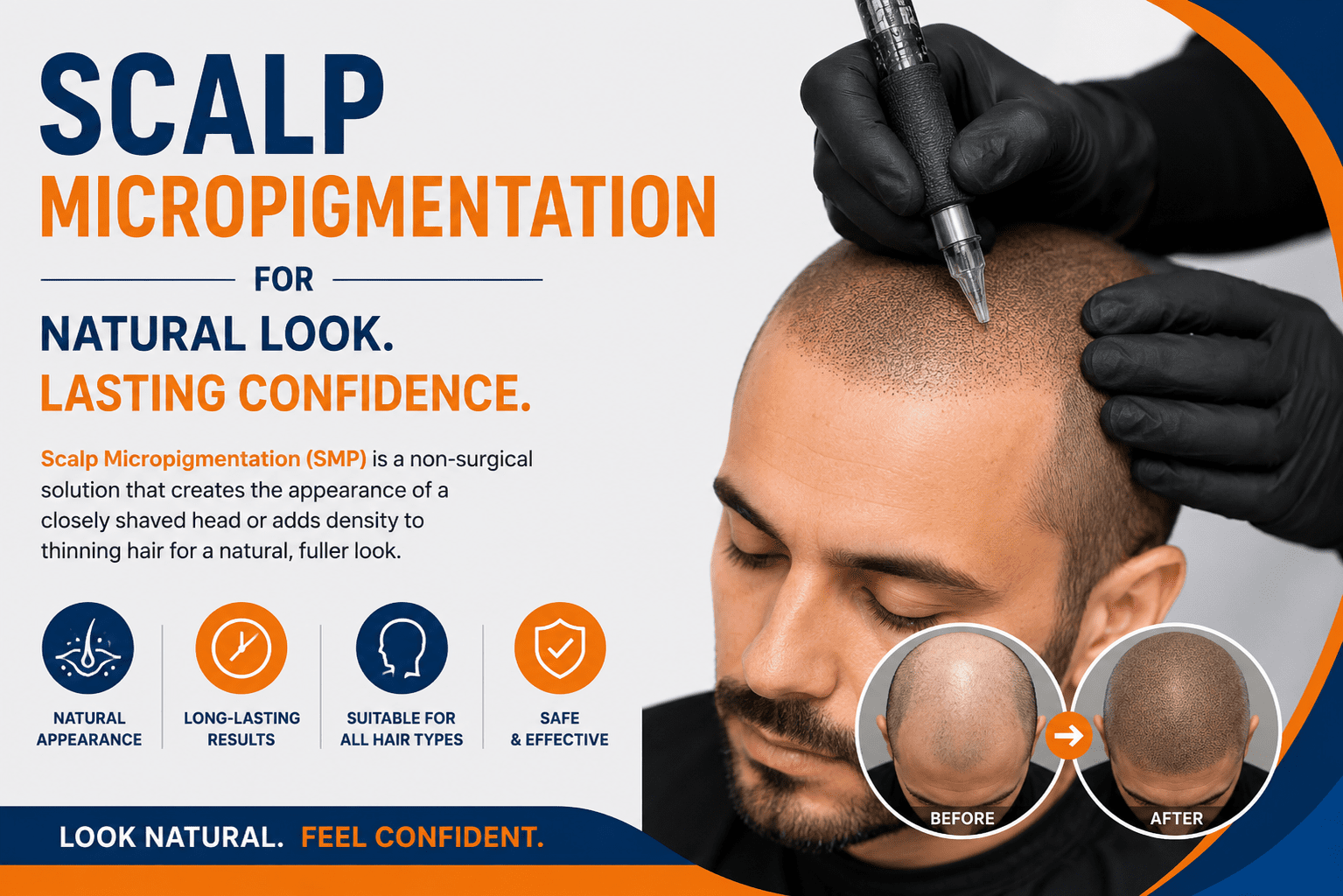
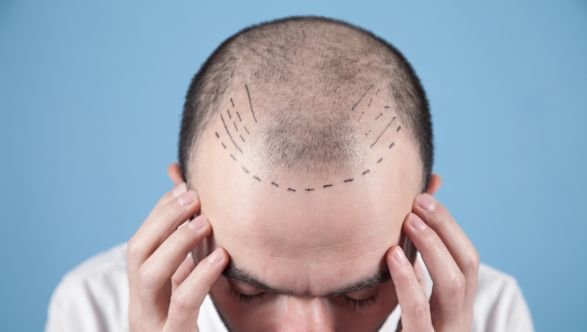
After infection control, hair restoration may be considered for thinning or loss. Options include male hair transplant, female hair transplant, or scalp micropigmentation, based on individual assessment. Doctor-led clinics provide privacy and personalized plans throughout.
About the Clinic
Alloroots is a doctor-led hair restoration clinic in India specializing in hair transplantation, scalp infection treatments, and regenerative hair care. Led by Dr. Alok Kumar Sahoo (MD Dermatology, AIIMS New Delhi), the clinic offers personalized plans including FUE hair transplant, PRP, GFC, i-PRF, exosome therapy, scalp micropigmentation, and evidence-based medications. Consultations are available in-clinic and online. More details at Alloroots.com.
Ready to discuss your hair restoration plan with a specialist?
Consult UsFAQs
Frequently Asked Questions
1
What conditions does a scalp infection specialist treat?
They treat scalp infections such as seborrheic dermatitis, folliculitis, tinea capitis, and scarring alopecia, among others.
2
How is a scalp infection diagnosed?
Diagnosis involves clinical examination and may include skin scrapings or cultures to identify bacterial or fungal infections.
3
When should I see a scalp infection specialist?
If symptoms like itching, redness, scaling, or hair loss persist beyond a week or worsen despite basic care, a specialist consultation is advised.
4
Can scalp infections cause permanent hair loss?
Some infections like scarring alopecia can lead to permanent hair loss if untreated, highlighting the importance of early specialist care.
5
Are hair transplants an option after treating scalp infections?
Yes, after infection control, hair transplant procedures such as FUE for men or women may be considered based on individual assessment.
6
How do I prepare for a scalp infection specialist appointment?
Bring details of your symptoms, any previous treatments, and a list of medications. Avoid applying topical treatments before the visit unless advised.
Speak with our hair restoration specialists about your treatment options.
Book a Consultation View PricingPopular Searches
Psoriasis on Scalp Specialist
Infected Scalp Treatment
Scalp Seborrheic Dermatitis Specialist
Fungal Scalp Infection Treatment
Hair Restoration Specialist
Tinea Capitis Specialist
Hair Loss Specialist Appointment
Women Hair Loss Specialist
Hair Transplant Infection
Male Pattern Baldness Specialists
Appointment for Scalp Treatment
Hirsutism Specialist Doctor
Hair Transplant Surgeon Booking
Scalp Psoriasis Medication
Hair Transplant Surgeon
Traction Alopecia Specialist