
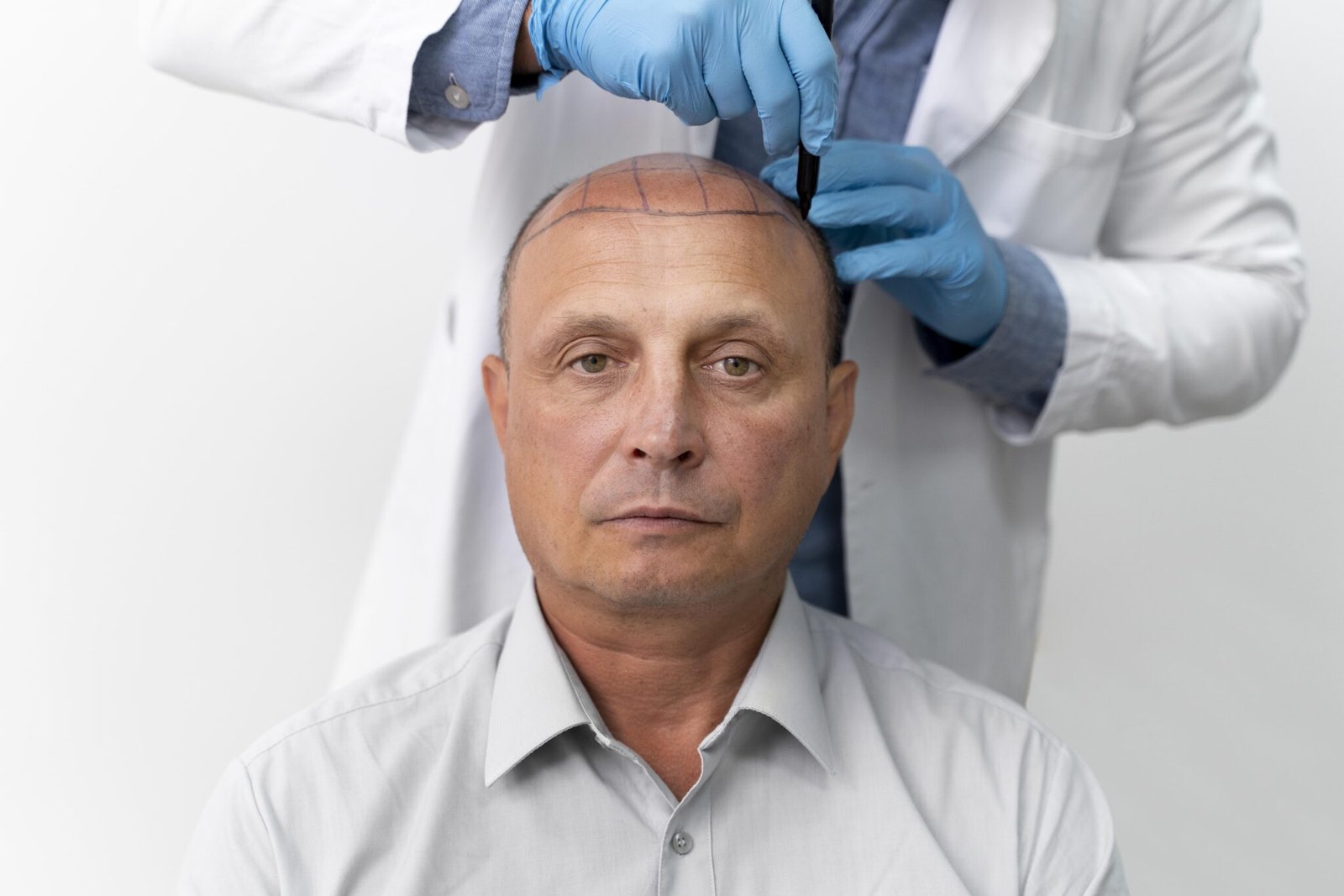
Medications After Hair Transplant Surgery in India
Medications after hair transplant surgery in India help healing, prevent infection, and promote hair growth. Doctors provide personalized medication plans based on each patient’s needs. For example, after a male hair transplant, medications reduce inflammation and support graft survival.

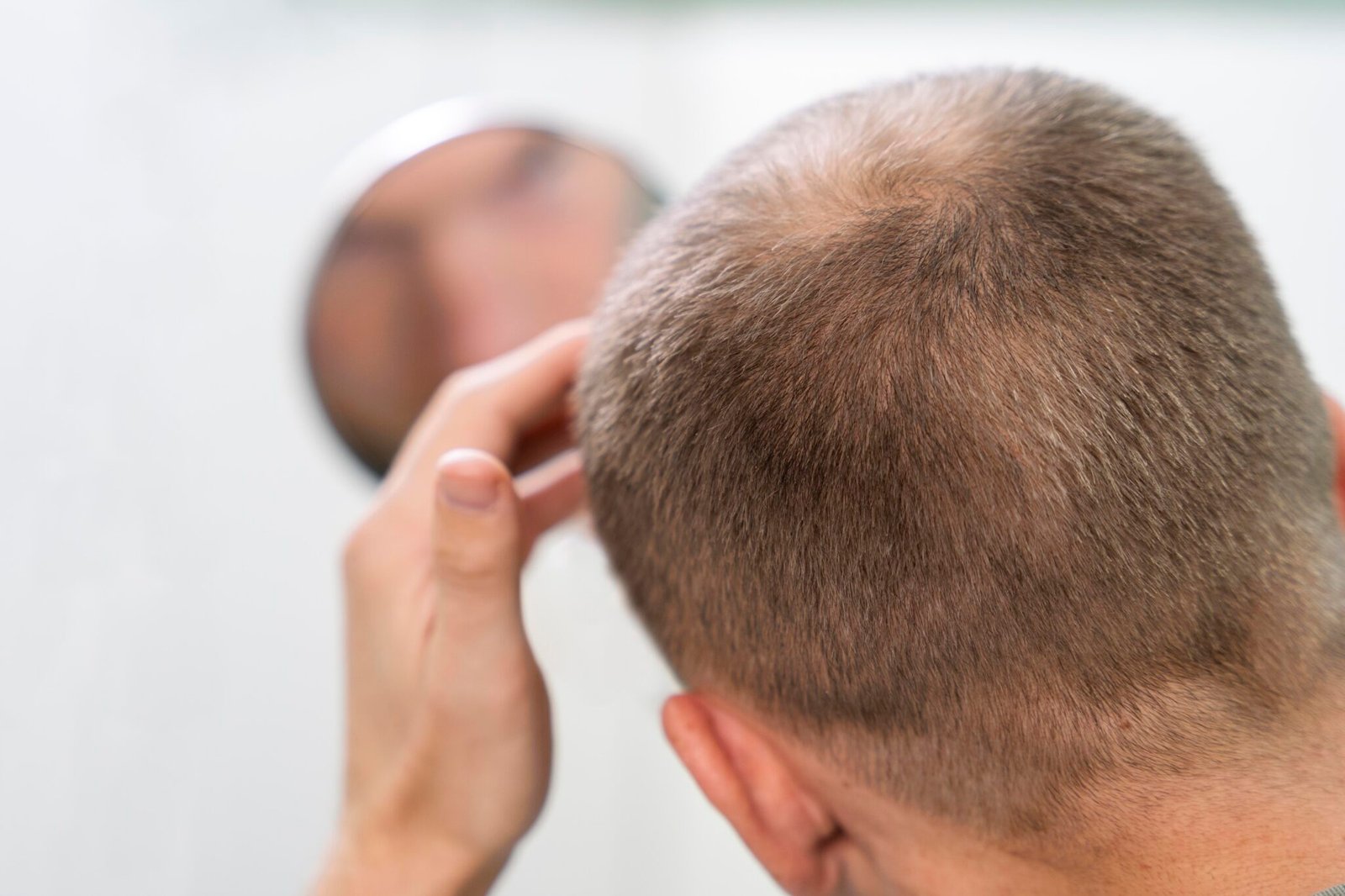
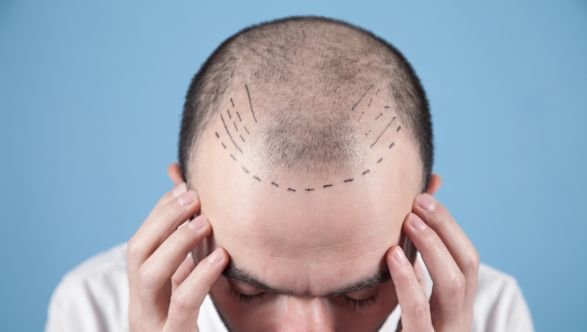

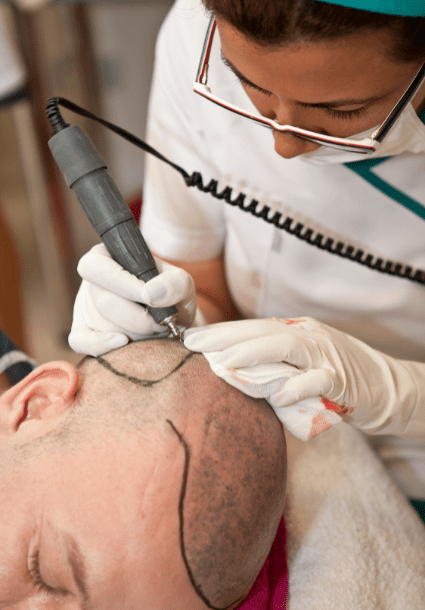


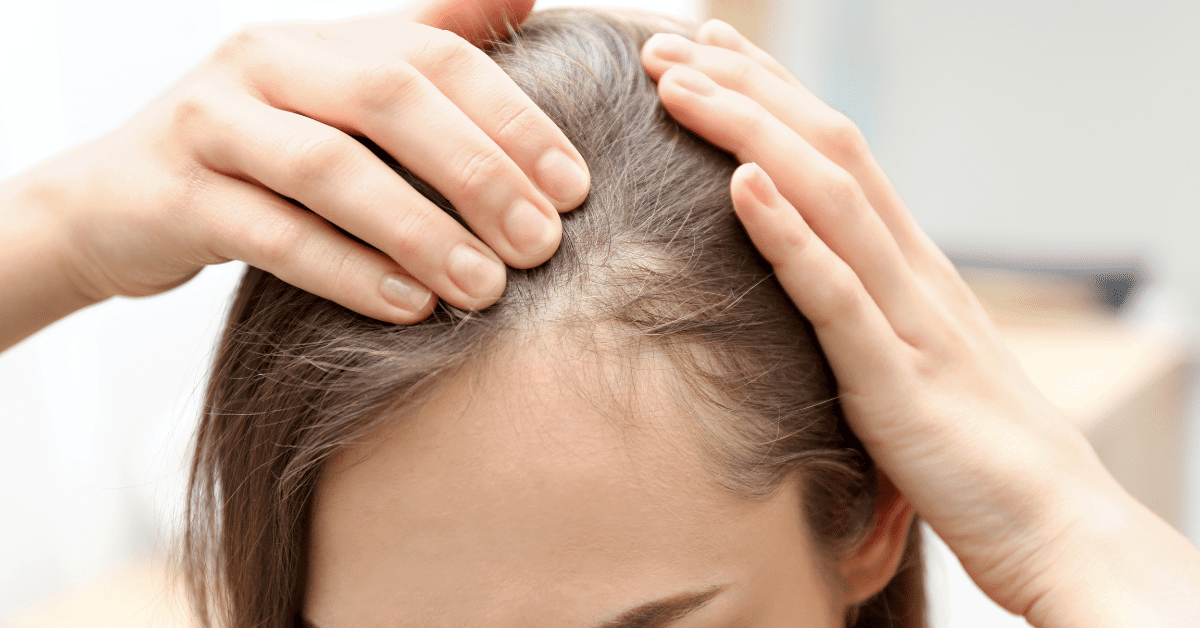


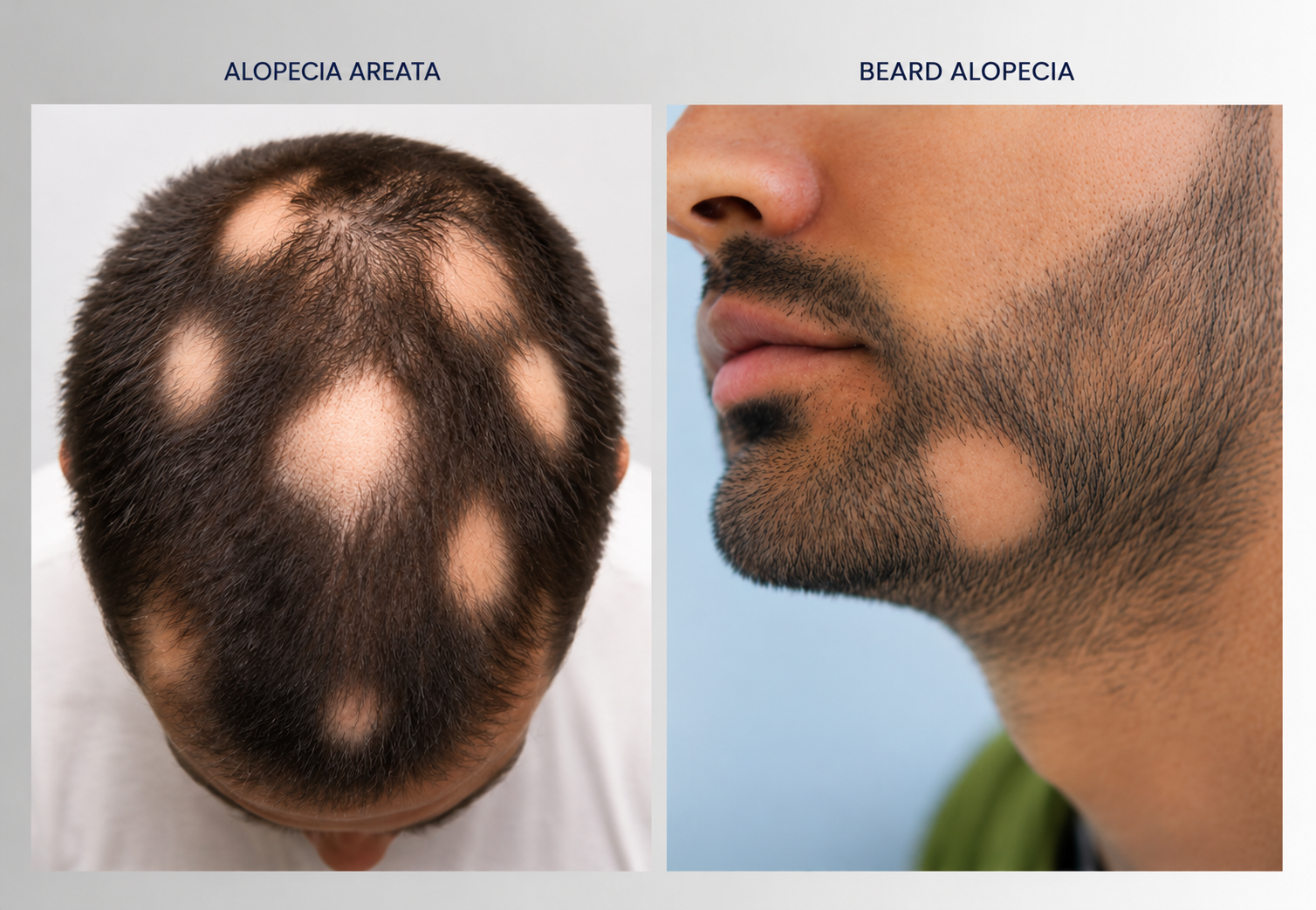
Common Medications Prescribed After Hair Transplant Surgery
Typical medications prescribed include:
- Antibiotics: Prevent bacterial infections at the transplant site.
- Anti-inflammatory drugs: Reduce swelling and discomfort.
- Pain relievers: Manage post-operative pain.
- Hair growth stimulants: Such as minoxidil or finasteride, to encourage new hair growth once healing starts.
- Vitamins and supplements: Support scalp health and tissue repair.
How Medications Support Recovery and Hair Growth
Antibiotics reduce infection risk during early healing. Anti-inflammatory drugs and pain relievers ease discomfort and promote rest, which aids recovery. Hair growth stimulants are usually started after grafts settle to activate follicles. Follow your doctor’s instructions exactly to avoid side effects or complications.
Additional Post-Transplant Care Considerations
Medications are part of a complete post-surgery care plan. Patients should also:
- Clean the scalp gently as advised
- Avoid direct sun exposure
- Refrain from strenuous activity for several weeks
- Attend scheduled follow-ups for healing checks and treatment adjustments
Some clinics may recommend complementary treatments like Growth Factor Hair Therapy or hair mesotherapy as part of recovery.
Arrange transport for surgery day, avoid alcohol and smoking before and after the procedure, and stay in contact with your doctor throughout recovery.
About the Business
Alloroots is a doctor-led hair restoration clinic in India specializing in hair transplant and hair loss treatments. Led by Dr. Alok Kumar Sahoo (MD Dermatology, AIIMS New Delhi), Alloroots offers personalized plans including FUE hair transplant, PRP, GFC, i-PRF, exosome therapy, and scalp micropigmentation. The clinic ensures patient safety and privacy through in-clinic and online consultations. Visit Alloroots.com for details and bookings.
Ready to discuss your hair restoration plan with a specialist?
Consult UsFAQs
Frequently Asked Questions
1
What types of medications are commonly prescribed after hair transplant surgery in India?
Common medications include antibiotics to prevent infection, anti-inflammatory drugs to reduce swelling, pain relievers, hair growth stimulants like minoxidil, and vitamins to support healing.
2
How long do patients typically take medications after a hair transplant?
Medication duration varies by individual but antibiotics and anti-inflammatories are usually prescribed for about 5-7 days, while hair growth stimulants may be used for several months as advised by the doctor.
3
Can hair growth medications be started immediately after surgery?
Hair growth medications are generally introduced after the initial healing phase, often a few weeks post-surgery, to avoid irritation and support graft survival safely.
4
Are there any risks associated with post-transplant medications?
When taken under medical supervision, risks are minimal. However, improper use or self-medication can lead to side effects or interfere with healing, so doctor guidance is essential.
5
Is post-surgery medication necessary for all hair transplant patients?
Most patients benefit from medications to prevent infection and manage pain, but the exact regimen depends on individual assessment and the type of transplant performed.
6
Can additional therapies be combined with medications after hair transplant surgery?
Yes, treatments like Growth Factor Hair Therapy or hair mesotherapy may complement medications and support better hair restoration results under a personalized plan.
Speak with our hair restoration specialists about your treatment options.
Book a Consultation View PricingPopular Searches
Hair Transplant Medication Plans in India
Post-Operative Care for Hair Transplants in India
Hair Transplant Aftercare in India
Post-Procedure Support for Hair Transplants in India
Treating Hair Transplant Complications in India
Hair Transplant in India After Radiation Therapy
Hair Transplant Before and After Results in India
Managing Future Hair Loss After Transplant in India
Medical Evaluation Before Hair Transplant Surgery in India
Complete Aftercare Guide for Hair Transplant in India
Hair Transplant Recovery in India
Hair Transplant Revision Surgery in India
Using Finasteride After Hair Transplant in India
Hair Transplant Solutions for Gujarati Patients in India
Hair Transplant in India for Gujarati Patients
Personalized Hair Transplant Care in India