
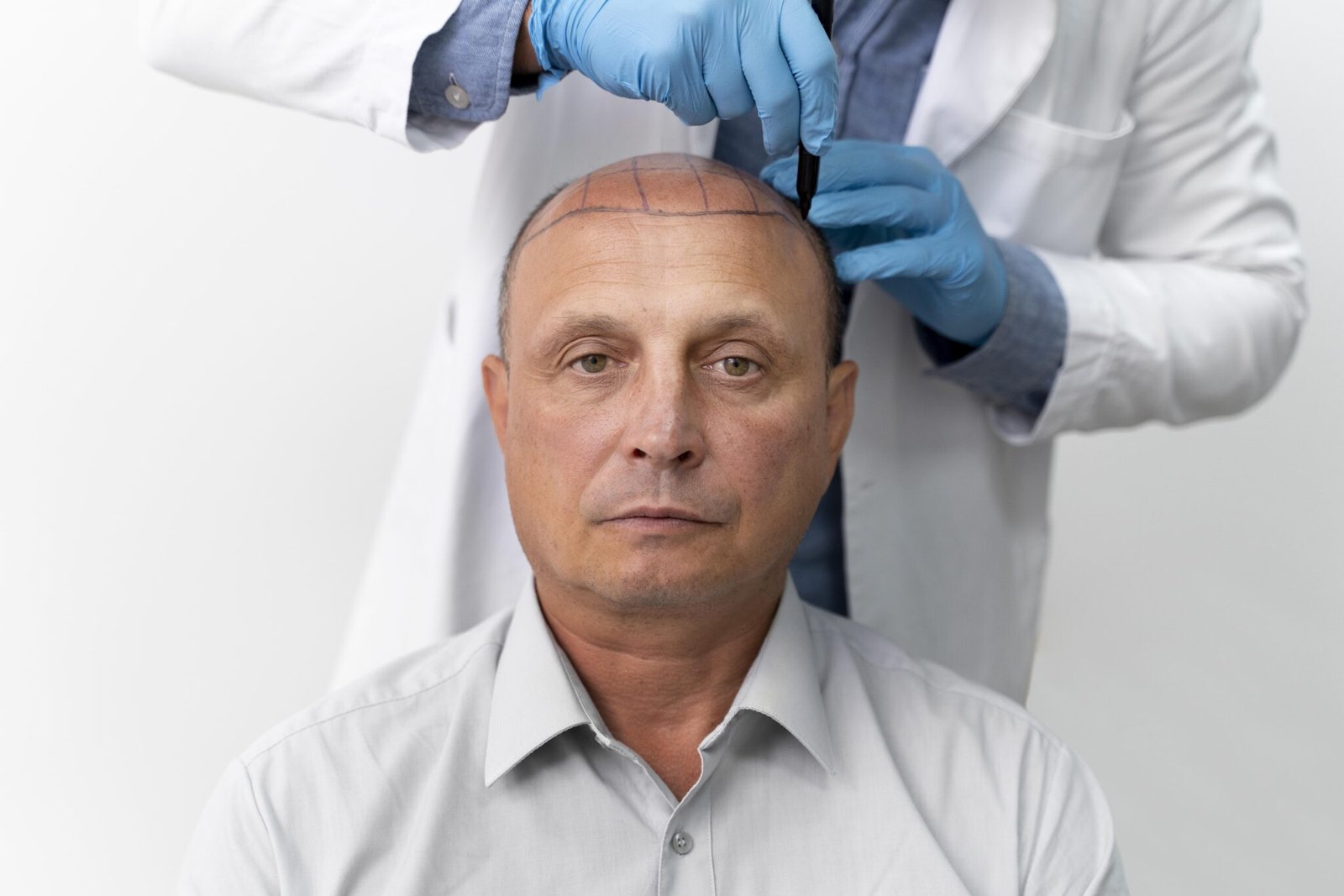
Post-Procedure Support for Hair Transplants in India
Proper post-procedure support after a hair transplant in India is essential for healing and achieving the best results. Clinics offer clear instructions on wound care, medication, and follow-up visits. At Alloroots, personalized plans for male hair transplant and female hair transplant include structured aftercare protocols led by doctors.
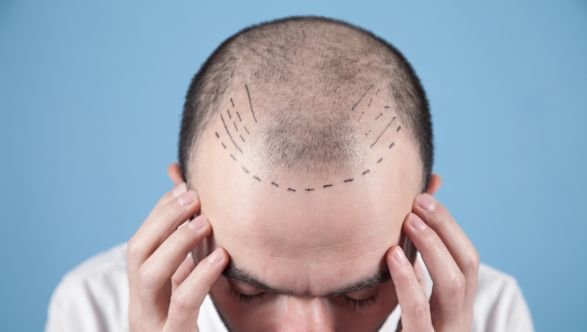
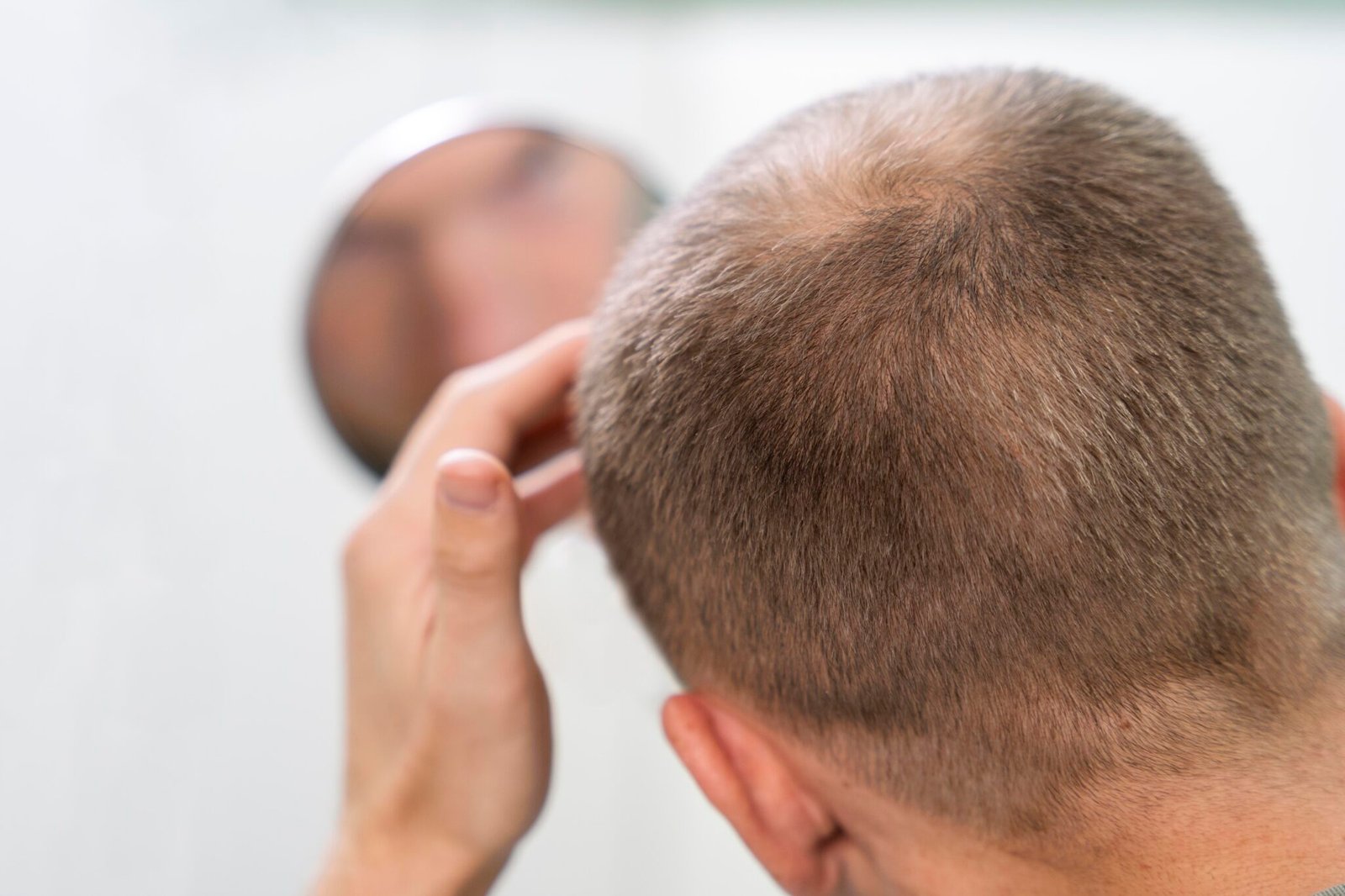

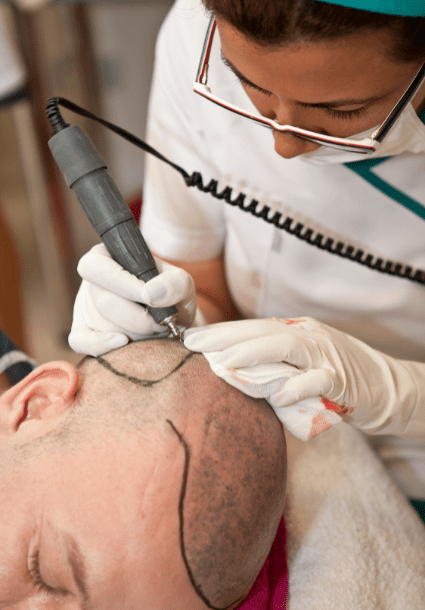


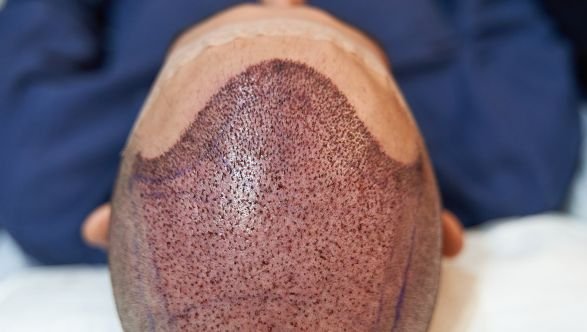

Key Components of Post-Procedure Support for Hair Transplants
- Wound and Scalp Care: Guidelines on cleaning and protecting the transplant area to prevent infection and ensure graft survival.
- Medication Management: Prescribed antibiotics, anti-inflammatory drugs, and pain relievers tailored to your needs.
- Follow-Up Consultations: Scheduled check-ups with your surgeon to monitor healing and address any issues.
- Activity Guidelines: Advice on avoiding activities that could strain transplanted follicles during recovery.
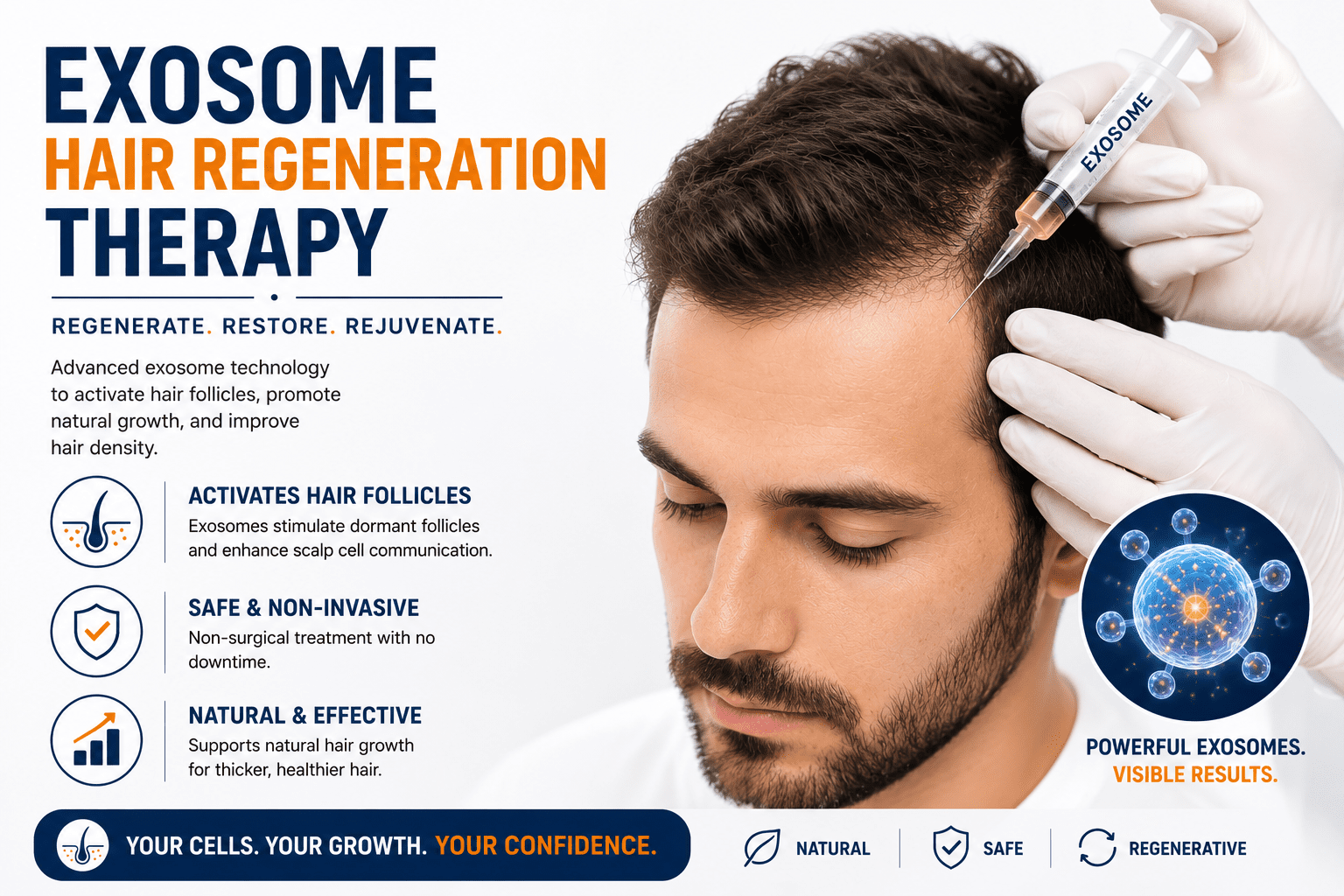
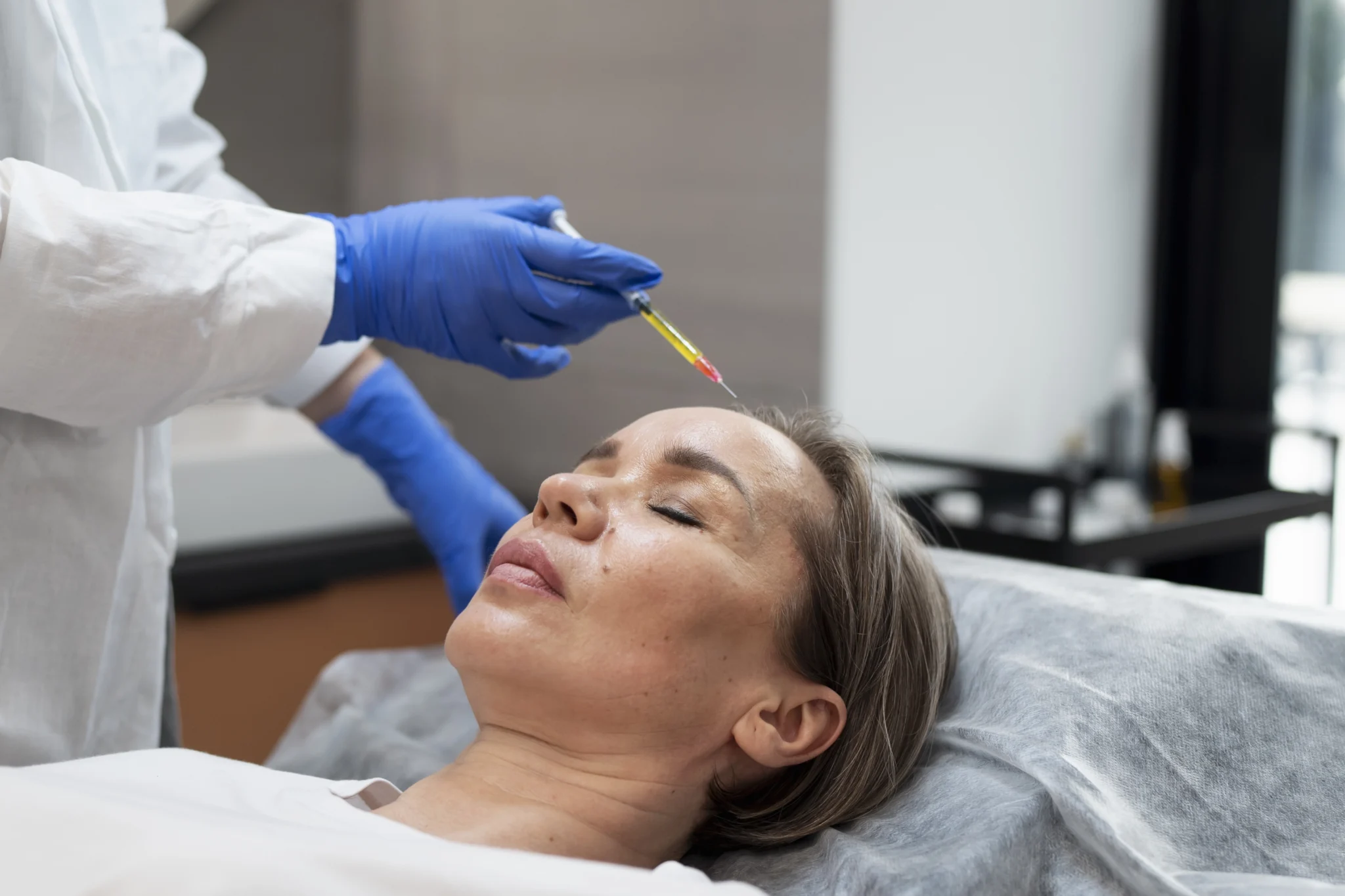
- Additional Therapies: Treatments like Growth Factor Hair Therapy (GFC) and exosome hair regeneration therapy to support healing and hair growth.
Where to Find Post-Procedure Support in India
Major cities like Delhi, Mumbai, Bangalore, and Hyderabad have clinics offering post-transplant care. Personalized, doctor-led support is key. Alloroots provides tailored post-transplant plans covering wound care, medication, and follow-up treatments. Clinics often offer online consultations for convenient ongoing care.
Tips for Managing Recovery After a Hair Transplant
- Follow your surgeon’s instructions carefully to reduce risks.
- Avoid direct sun exposure and strenuous activities during early recovery.
- Use gentle shampooing methods to keep your scalp clean without disturbing grafts.
- Stay hydrated and eat a balanced diet to aid healing.
- Contact your clinic promptly if you notice unusual pain, swelling, or infection signs.
About the business
Alloroots is a doctor-led hair restoration clinic in India specializing in hair transplants and regenerative treatments. Led by Dr. Alok Kumar Sahoo (MD Dermatology, AIIMS New Delhi), they offer personalized plans including FUE hair transplant, PRP, GFC, i-PRF, exosome therapy, scalp micropigmentation, and medical management. They focus on evidence-based care, privacy, and expert follow-up. Patients can choose in-clinic or online consultations. Visit Alloroots.com for appointments and details.
Ready to discuss your hair restoration plan with a specialist?
Consult UsFAQs
Frequently Asked Questions
1
How soon after a hair transplant can I wash my hair?
Typically, gentle washing starts 48 to 72 hours after the procedure using mild shampoo, but follow your surgeon’s specific instructions.
2
What activities should I avoid after a hair transplant?
Avoid heavy exercise, swimming, direct sun exposure, and wearing hats that compress the scalp for at least two weeks post-procedure.
3
When will I have follow-up appointments after my transplant?
Follow-ups usually occur within the first week, then at one month and three months to monitor healing and hair growth progress.
4
Are there treatments to improve transplant recovery?
Yes, therapies like Growth Factor Concentrate (GFC) and exosome hair regeneration can support healing and hair follicle health based on individual assessment.
5
What signs indicate complications after a hair transplant?
Signs include excessive swelling, severe pain, pus or foul odor, and persistent redness. Contact your clinic immediately if these occur.
6
Can I take medications for pain and swelling after the transplant?
Yes, your doctor will prescribe appropriate pain relievers and anti-inflammatory medications tailored to your needs to aid recovery.
Speak with our hair restoration specialists about your treatment options.
Book a Consultation View PricingPopular Searches
Post-Operative Care for Hair Transplants in India
Online Hair Transplant Follow-Up in India
Hair Transplant Aftercare in India
Medications After Hair Transplant Surgery in India
Personalized Hair Transplant Experience in India
Hair Transplant in India After Radiation Therapy
Complete Aftercare Guide for Hair Transplant in India
Pre-Operative Instructions for Hair Transplant Patients in India
Hair Transplant Patient Reviews in India
Hair Transplant Before and After Results in India
Complete Hair Transplant Recovery Guide for India
Hair Transplant Consultation in India
Hair Transplant Clinic Reviews in India
Hair Transplant Touch-Up Procedures in India
Published Hair Transplant Results in India
Hair Transplant Revision Surgery in India