
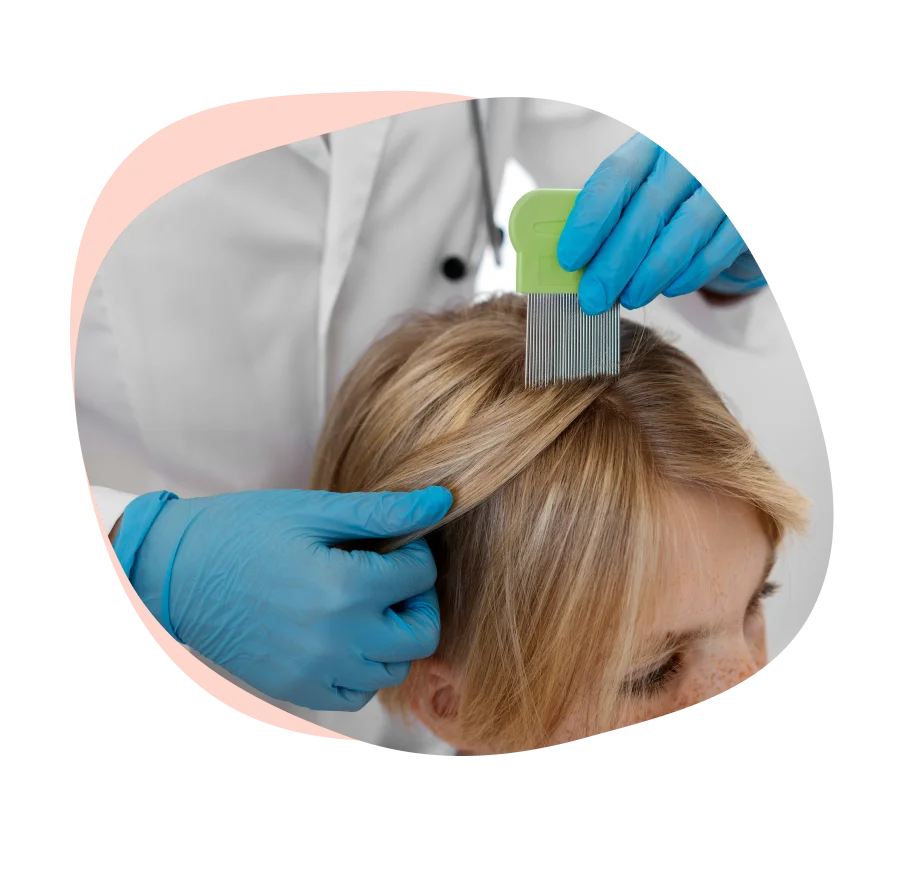
Scarring Alopecia Hair Loss Treatment
Scarring alopecia hair loss treatment focuses on controlling inflammation and preventing permanent hair follicle damage. Effective approaches combine medical therapies to suppress disease activity with hair restoration options like scar hair restoration for affected areas. Early diagnosis and regular monitoring improve outcomes.
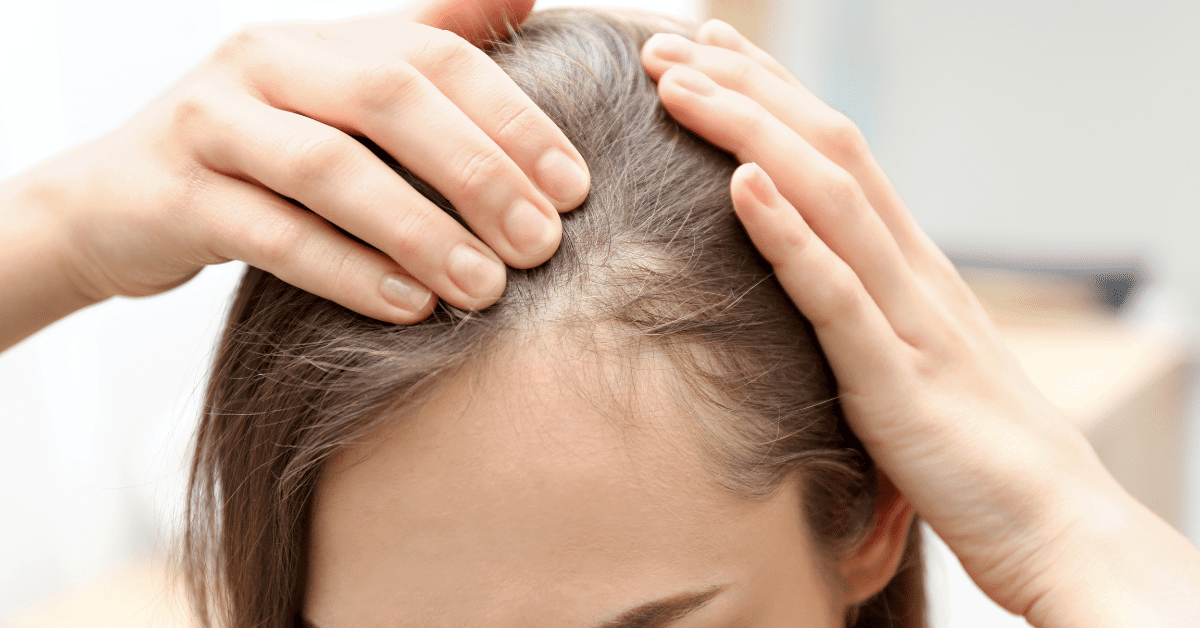
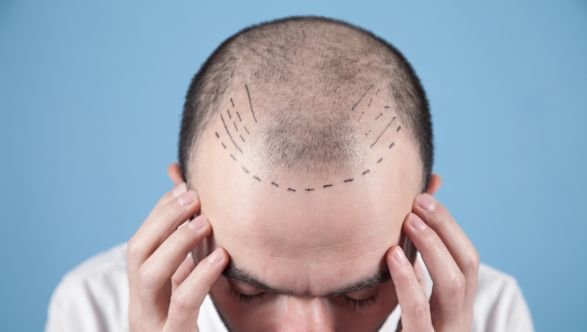
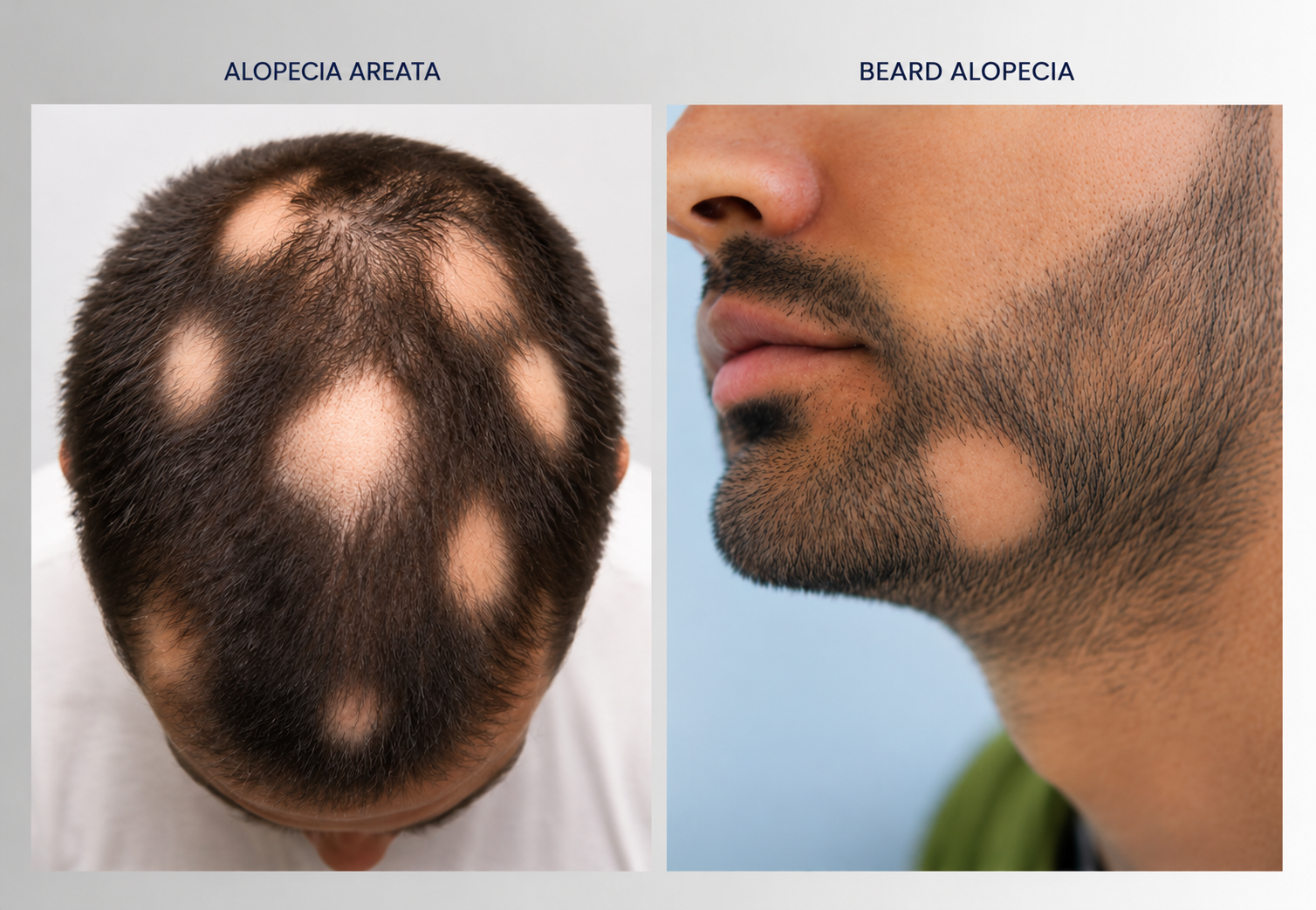
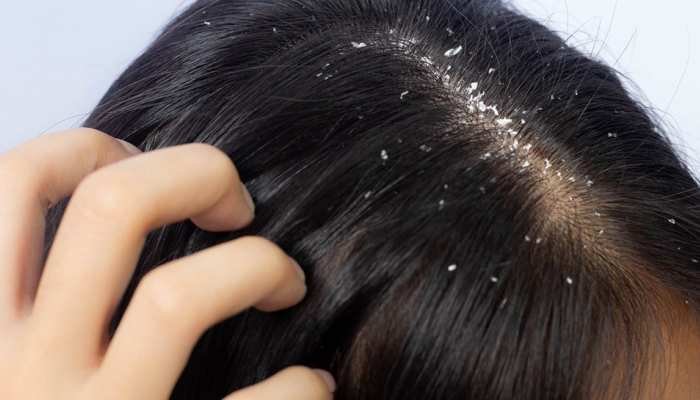


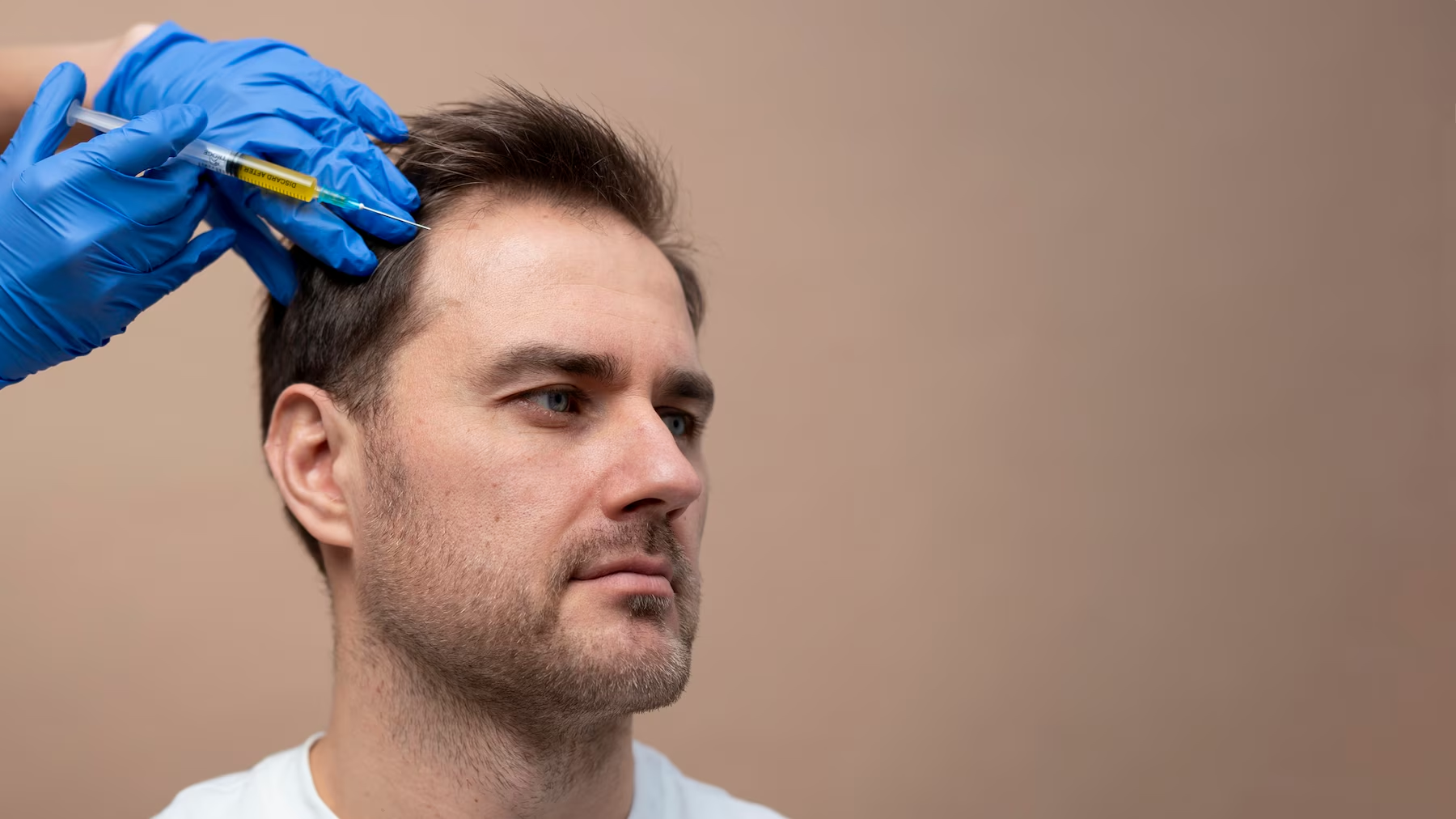
Understanding Scarring Alopecia and Treatment Goals
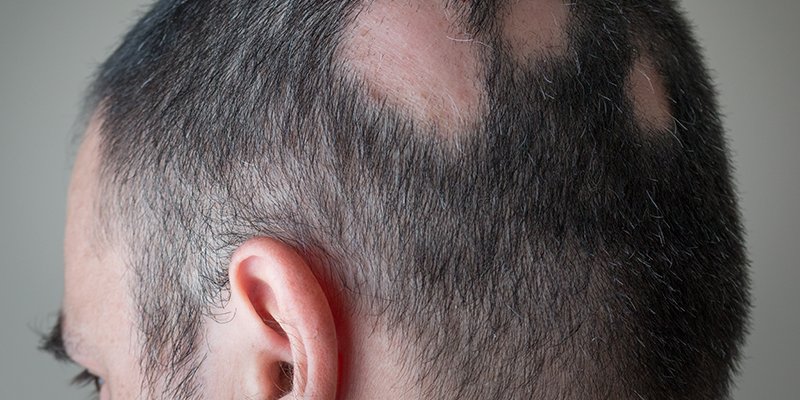
Scarring alopecia, or cicatricial alopecia, causes permanent hair follicle loss from inflammation and scarring. Treatment aims to stop progression, ease symptoms, and restore hair when possible. Because scarring irreversibly damages follicles, early intervention is key.
- Anti-inflammatory drugs like topical or systemic corticosteroids and immunomodulators to control inflammation
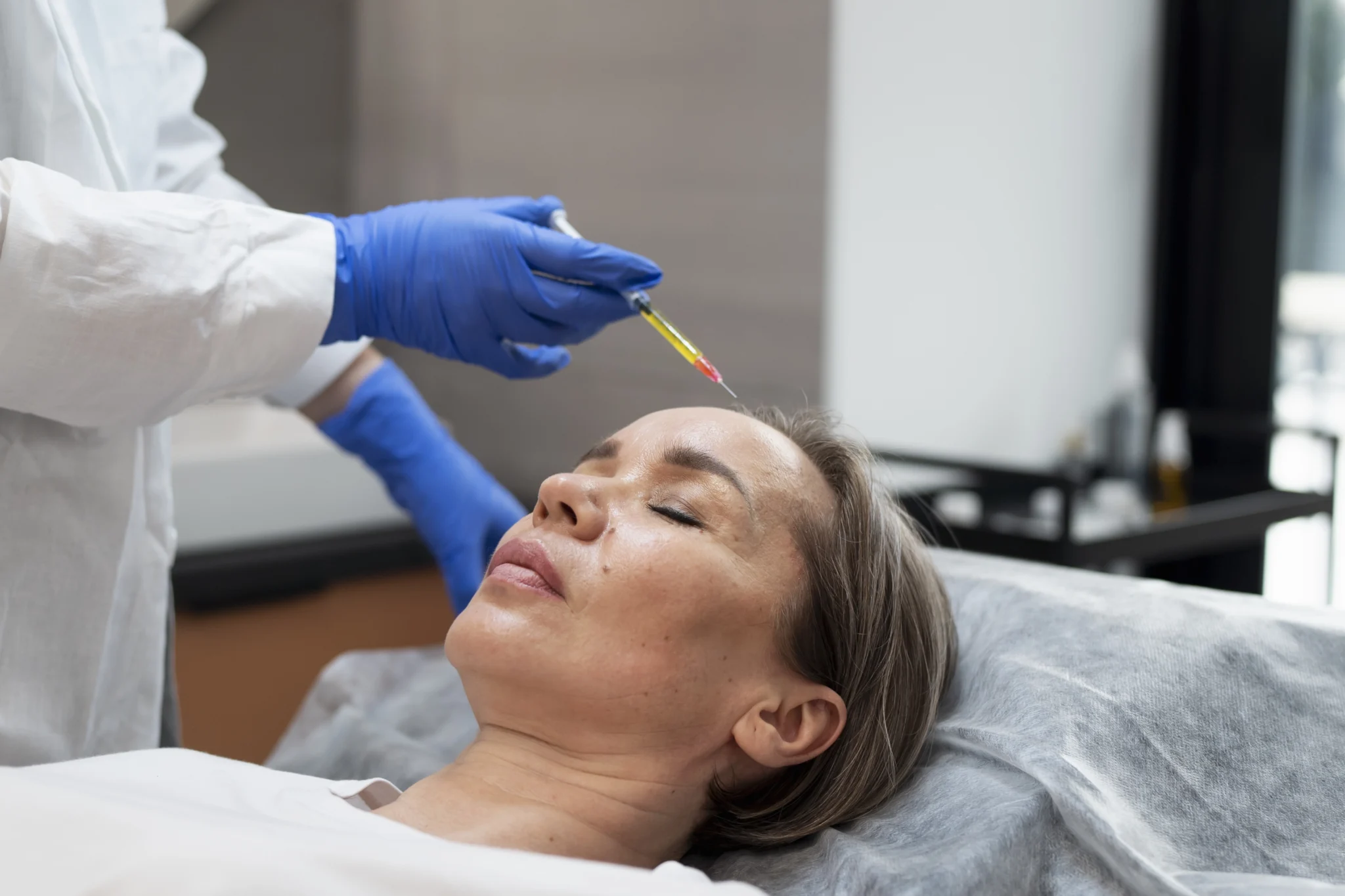
- Regenerative therapies such as PRP hair restoration therapy to support scalp healing
- Hair transplantation techniques, including scar hair restoration, to replace hair in permanent loss areas
Medical and Regenerative Treatment Options
Treatment starts with a thorough scalp exam to confirm diagnosis and evaluate disease activity. Medications may include topical steroids, calcineurin inhibitors, or systemic immunosuppressants to reduce inflammation. Regenerative procedures like Growth Factor Hair Therapy (GFC) and hair mesotherapy improve scalp health and support follicles.
These therapies are combined and adjusted based on individual response. Regular follow-ups help maintain control over the condition.
Hair Transplantation and Scar Hair Restoration
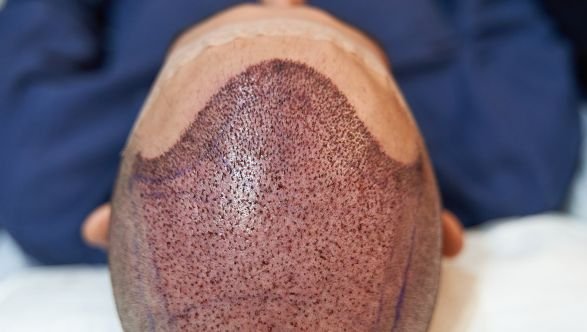
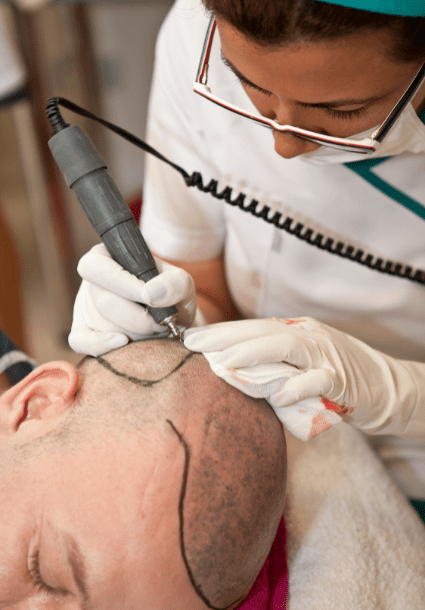
When inflammation is controlled and scarring has caused permanent hair loss, surgical restoration can be an option. Scar hair restoration uses follicular unit extraction (FUE) to implant healthy follicles into scarred scalp areas. Expert evaluation ensures the scalp can support grafts and improves chances of success.
Other options include female hair transplant and long hair FUE transplant, which address specific patient needs.
About Alloroots
Alloroots is a doctor-led hair restoration clinic in India specializing in hair transplantation, hair loss treatment, and regenerative therapies. Led by Dr. Alok Kumar Sahoo (MD Dermatology, AIIMS New Delhi), the clinic offers personalized plans including FUE hair transplant, PRP, GFC, i-PRF, exosome therapy, scalp micropigmentation, and medications. Consultations are available in-clinic and online for convenience and privacy. Visit Alloroots for details and booking.
Ready to discuss your hair restoration plan with a specialist?
Consult UsFAQs
Frequently Asked Questions
1
What causes scarring alopecia?
Scarring alopecia results from inflammatory conditions that destroy hair follicles and replace them with scar tissue, leading to permanent hair loss.
2
Can scarring alopecia hair loss be reversed?
Hair loss from scarring alopecia is usually permanent once scarring occurs, but early treatment can prevent progression and regenerative therapies may improve scalp health.
3
What treatments are used to stop scarring alopecia progression?
Anti-inflammatory medications like corticosteroids and immunosuppressants are used to control inflammation and prevent further follicle damage.
4
Is hair transplant possible after scarring alopecia?
Yes, hair transplant including scar hair restoration can be performed once disease activity is controlled and the scalp is suitable for grafting.
5
How do regenerative therapies help scarring alopecia?
Regenerative treatments such as PRP and growth factor therapy support scalp healing and may enhance hair follicle viability in affected areas.
6
How is scarring alopecia diagnosed?
Diagnosis involves clinical examination, scalp biopsy, and sometimes imaging to identify inflammation and scarring patterns.
Speak with our hair restoration specialists about your treatment options.
Book a Consultation View PricingPopular Searches
Hair Regrowth Products Scarring Alopecia
Scarring Alopecia Treatment India
Scalp Care for Scarring Alopecia
Hair Transplant Treatment for Alopecia Scars
Hair Loss Laser Treatment
Sudden Hair Loss Treatment
Alopecia Treatment in India
Hair Restoration Alopecia
New Topical Hair Loss Treatment
Alopecia Universalis Treatment
Laser Hair Regrowth Therapy
Scarring Hair Loss Doctor
Alopecia Totalis Treatment
Oral Hair Loss Treatments
Hair Options for Alopecia
Burn Scar Hair Restoration