
Clinic Hygiene Standards for Hair Transplant in India
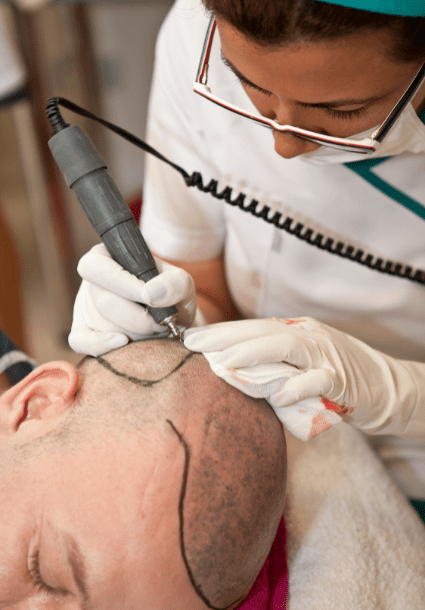
Clinic hygiene standards for hair transplant in India emphasize strict sterilization, infection control, and patient safety to reduce risks during procedures like male hair transplant. Clinics maintain regulated cleanliness to ensure effective treatment and patient confidence.




Key Hygiene Practices in Hair Transplant Clinics
Hair transplant clinics follow essential hygiene measures to prevent infection and contamination:
- Sterilization of Instruments: Surgical tools are sterilized using autoclaves or equivalent methods before each procedure.
- Use of Disposable Supplies: Gloves, gowns, masks, and drapes are single-use to prevent cross-contamination.
- Clean Procedure Rooms: Treatment areas are disinfected regularly with medical-grade agents.
- Hand Hygiene: Staff wash hands and use sanitizers before and after patient contact.
- Controlled Air Quality: Clinics maintain filtered air circulation to reduce airborne pathogens.
Regulatory Compliance and Accreditation
Reputable hair transplant clinics in India follow guidelines from bodies like the Indian Council of Medical Research (ICMR) and international infection control standards. Compliance includes:
- Proper medical waste disposal
- Ongoing staff training on hygiene and safety
- Maintaining clean water and sanitation facilities
Patients should check a clinic’s certifications and hygiene policies before procedures such as female hair transplant or hairline design and restoration.
Patient Preparation and Post-Procedure Care Hygiene
Hygiene standards cover patient preparation and aftercare. Recommended steps include:
- Showering and cleansing the scalp thoroughly before the transplant
- Avoiding contact with the treated area using unwashed hands
- Using prescribed antiseptic shampoos and medications as directed
- Following the doctor’s personalized treatment plan to reduce infection risk
These steps help healing and minimize complications. Clinics offering hair transplant repair and correction stress hygiene during follow-ups to ensure safe recovery.
About the Business
Alloroots is a doctor-led hair restoration clinic in India specializing in hair transplantation and regenerative treatments. Led by Dr. Alok Kumar Sahoo (MD Dermatology, AIIMS New Delhi), the clinic offers personalized plans including FUE hair transplant, PRP, GFC, i-PRF, exosome therapy, scalp micropigmentation, and hair restoration medications. Alloroots upholds high hygiene standards to ensure patient safety and privacy during in-clinic and online consultations. Learn more at Alloroots.
Ready to discuss your hair restoration plan with a specialist?
Consult UsFAQs
Frequently Asked Questions
1
What sterilization methods are used in hair transplant clinics in India?
Clinics use autoclaving and medical-grade sterilizers to clean surgical instruments, ensuring all tools are free from pathogens before each procedure.
2
How do clinics prevent infection during hair transplant procedures?
They use disposable gloves, masks, gowns, disinfect treatment areas regularly, and enforce strict hand hygiene protocols for all staff.
3
Are hair transplant clinics in India accredited for hygiene standards?
Many reputable clinics comply with national and international health guidelines and obtain accreditation to confirm adherence to hygiene and safety protocols.
4
What should patients do to maintain hygiene before their hair transplant?
Patients should thoroughly wash their scalp before the procedure and avoid touching the area with unwashed hands to reduce infection risk.
5
How is post-procedure hygiene managed after a hair transplant?
Clinics provide antiseptic shampoos and detailed care instructions, emphasizing cleanliness to support healing and prevent complications.
6
Can poor hygiene affect hair transplant results?
Yes, inadequate hygiene can increase infection risk and affect graft survival, so following clinic hygiene protocols is essential for optimal outcomes.
Speak with our hair restoration specialists about your treatment options.
Book a Consultation View PricingPopular Searches
Hair Transplant Safety Standards in India
Safety Standards for Hair Transplants in India
Operating Room Standards for Hair Transplant in India
Clean Room Standards for Hair Transplant in India
Hair Transplant Accreditation Standards in India
India’s Hair Transplant Standards Compared to the World
Complete Aftercare Guide for Hair Transplant in India
Hair Transplant Aftercare in India
Setting Realistic Expectations for Hair Transplants in India
Clinic Ambiance for Hair Transplant in India
Hair Transplant in India Meeting Western Standards
Hair Transplant Checklist for Patients in India
Hair Transplant in India: Red Flag Checklist
How to Choose a Hair Transplant Clinic in India
Questions to Ask Before Choosing a Hair Transplant Clinic in India
Hair Transplant in India for South Asian Patients