
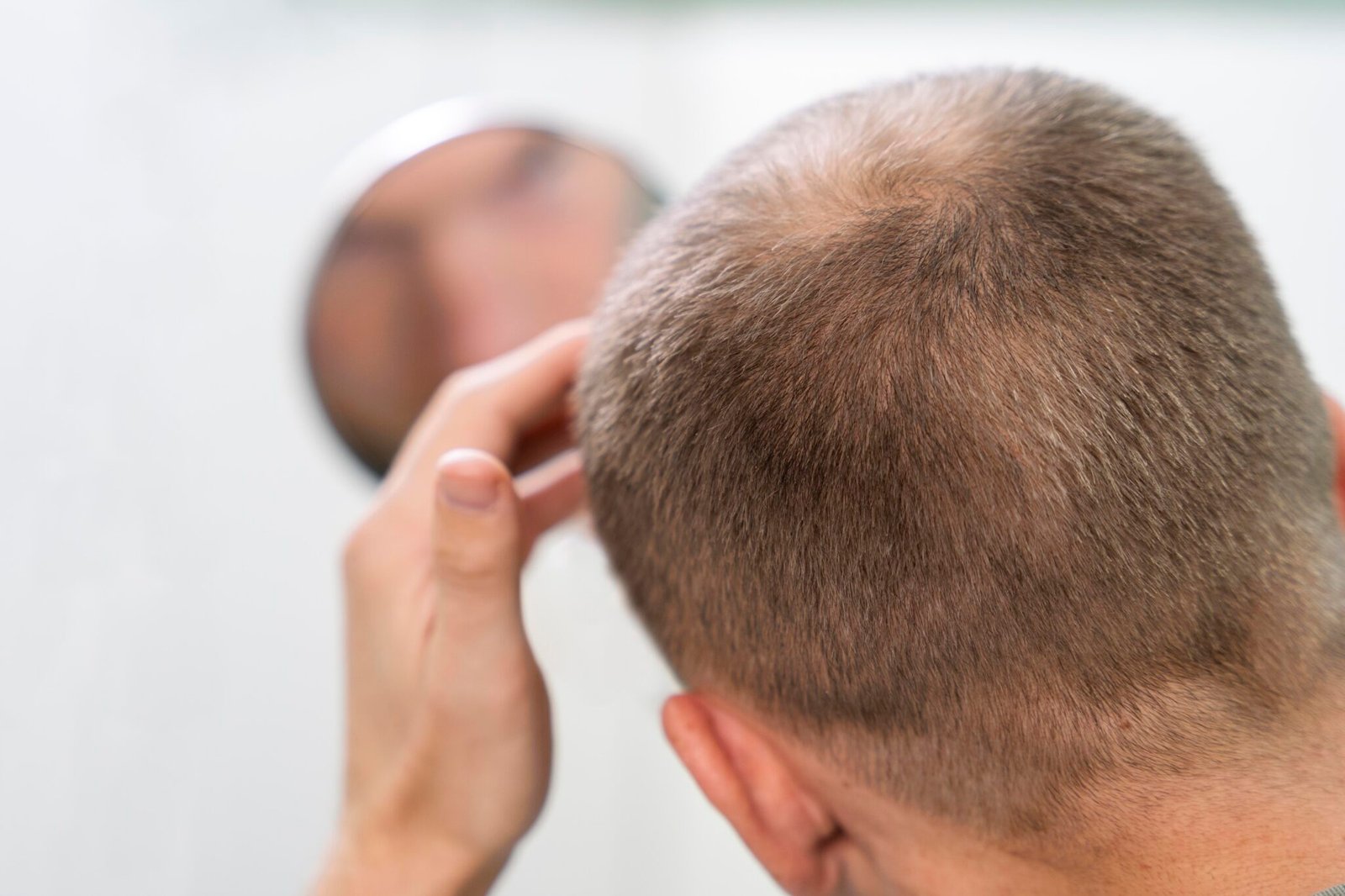
Safety Standards for Hair Transplants in India
Hair transplants in India follow strict safety standards to ensure patient health and effective results. Clinics led by qualified dermatologists use established protocols for hygiene, patient evaluation, and surgical techniques. Common procedures include male hair transplant and female hair transplant, customized for each patient.

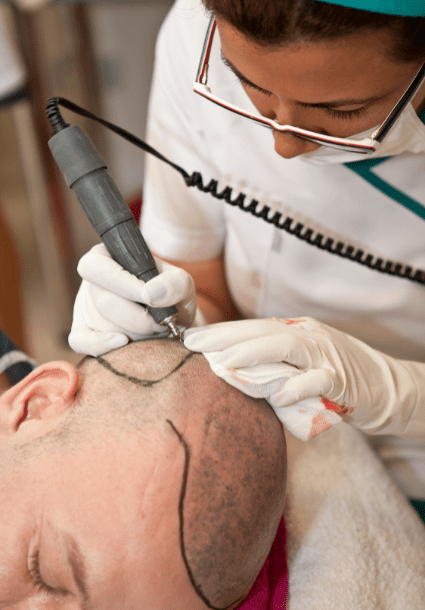

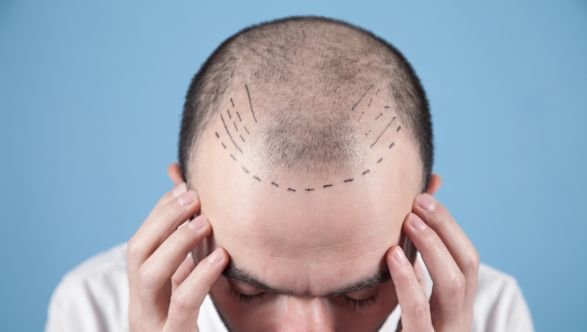
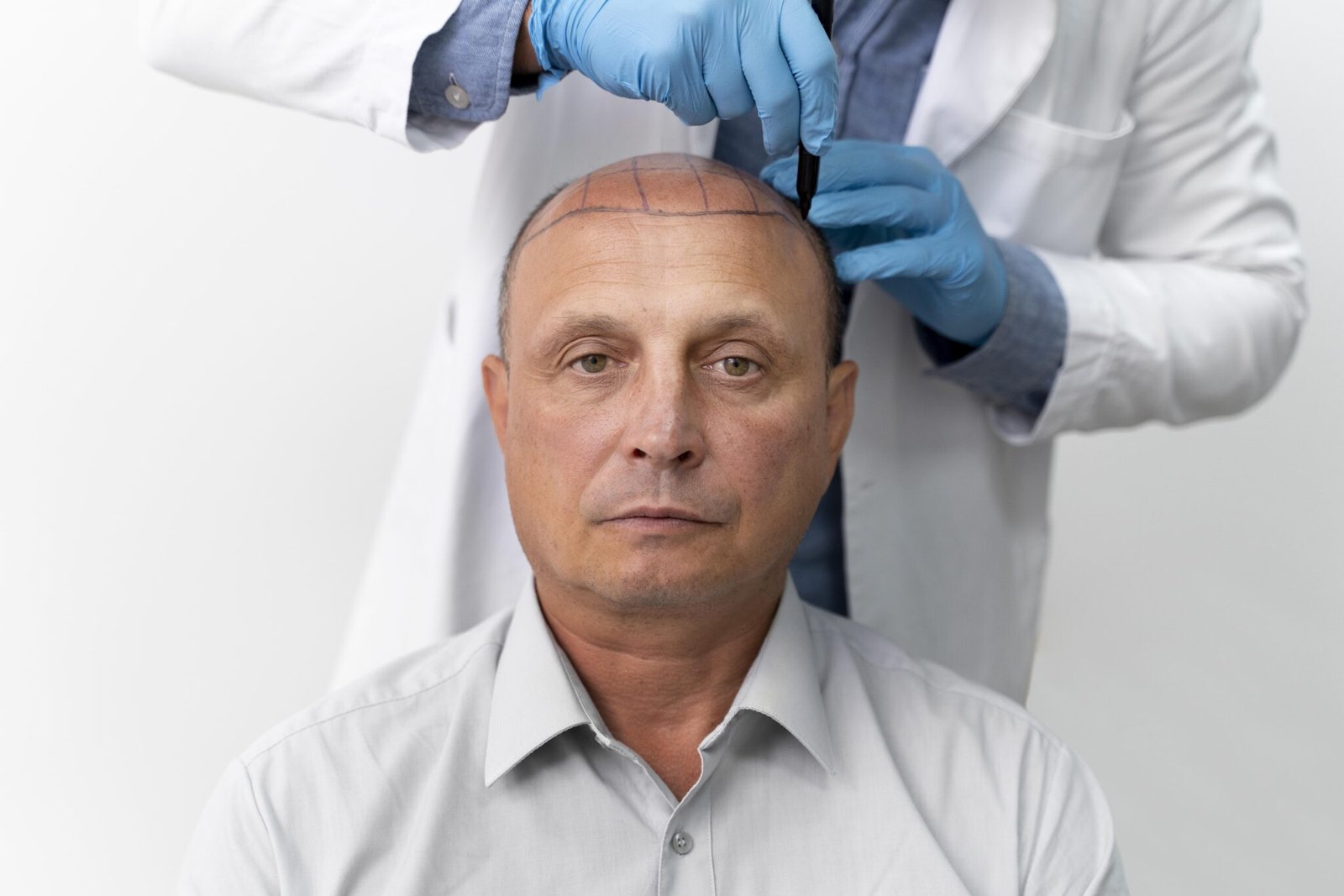

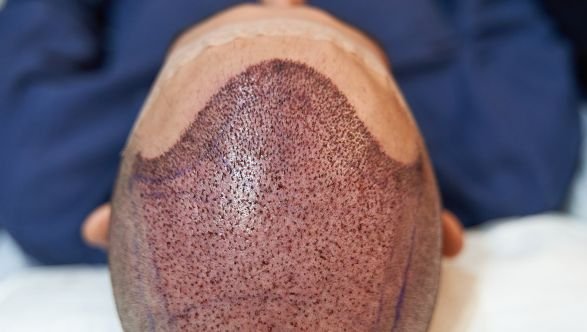

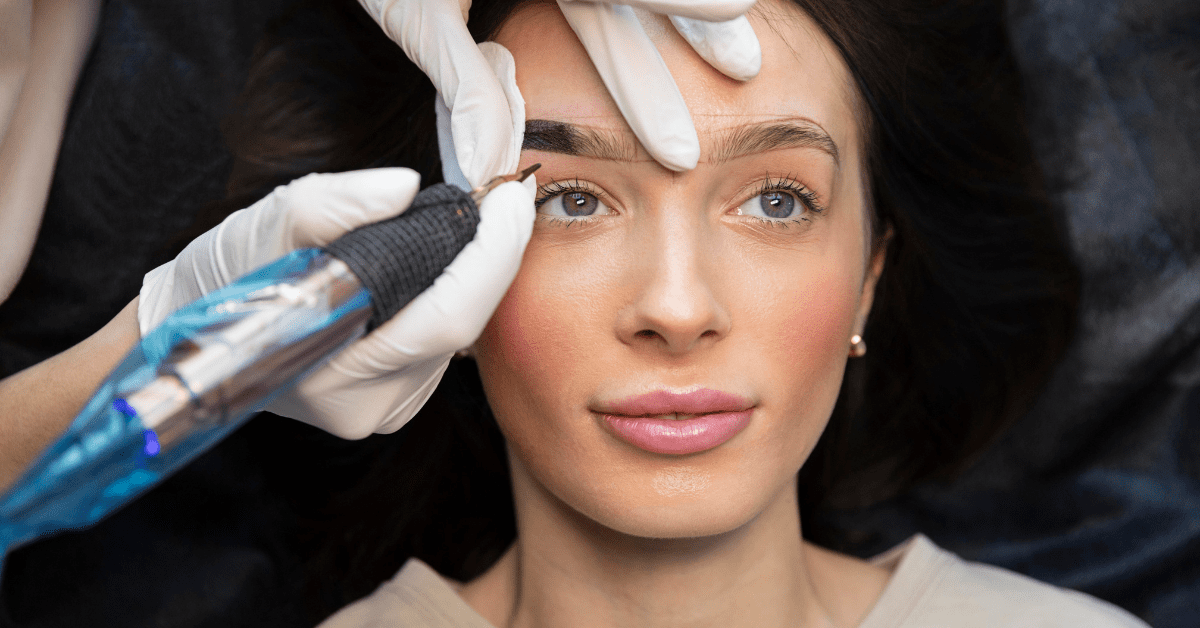
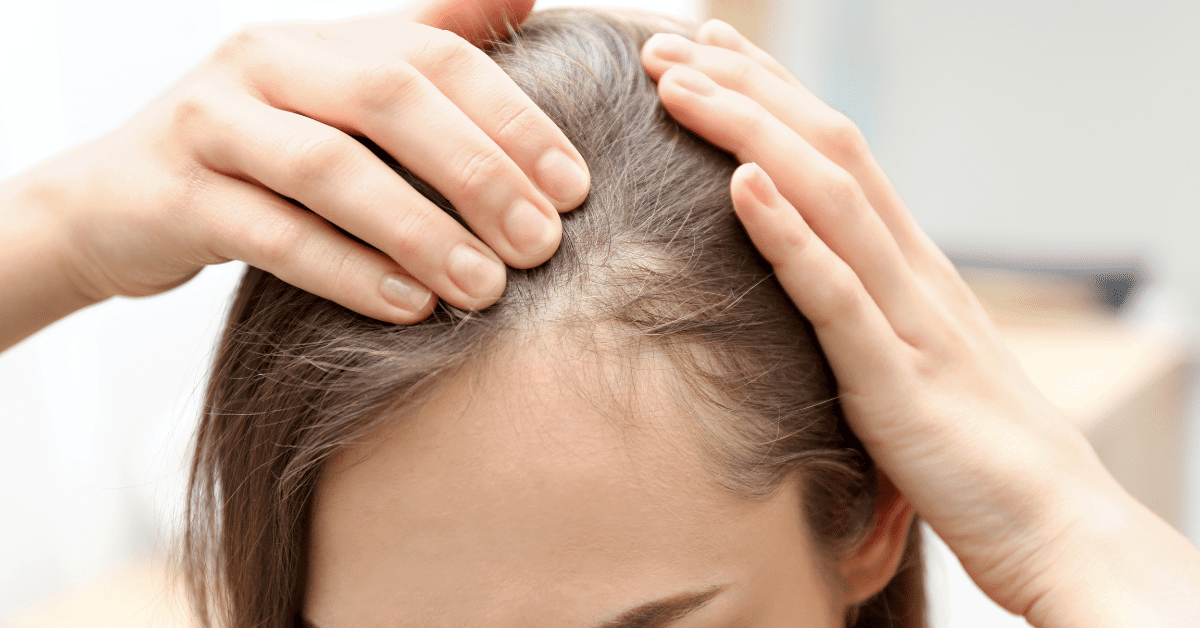
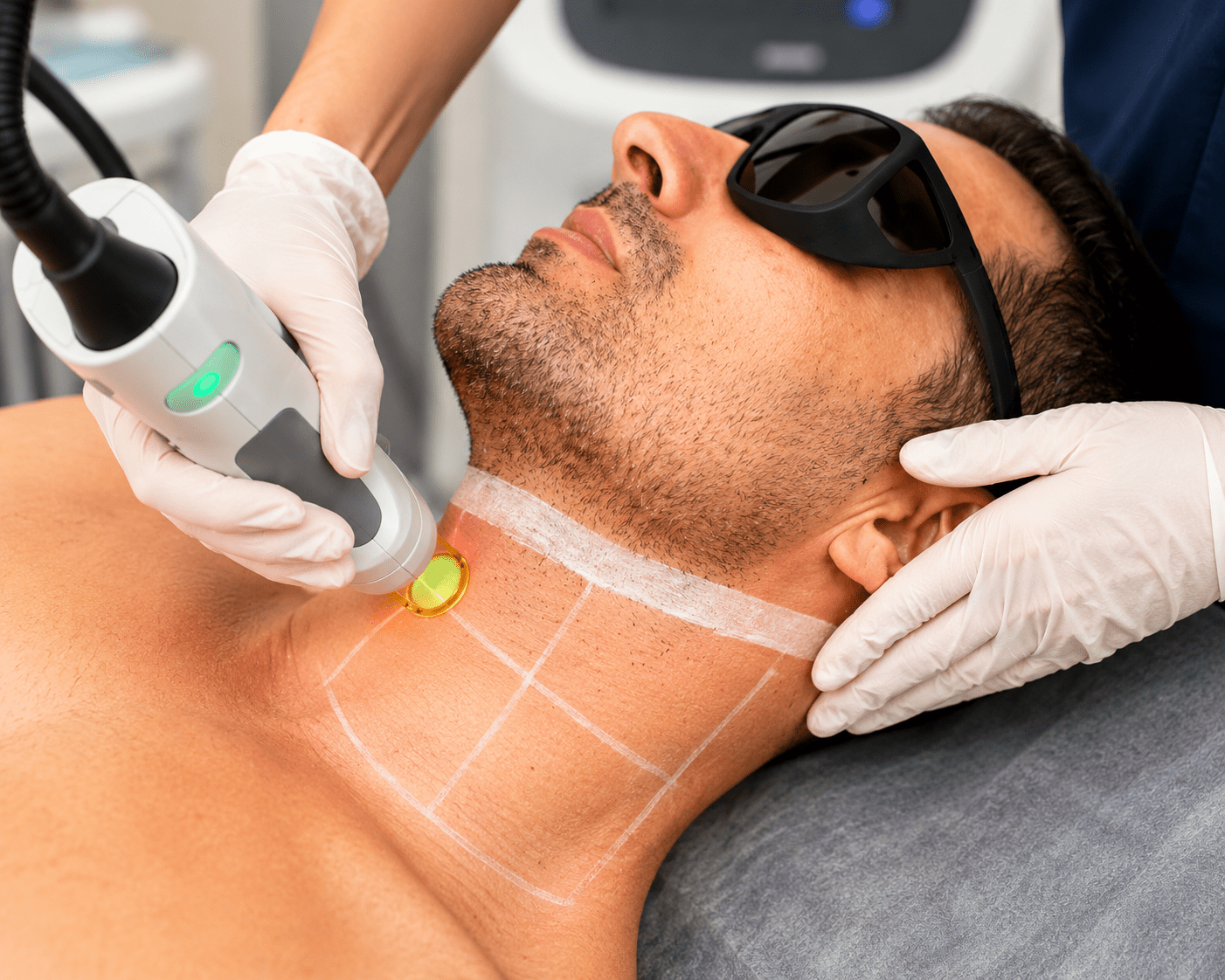
Key Safety Standards for Hair Transplants in India
Safety depends on clinical hygiene, qualified professionals, and approved surgical methods. Key standards include:
- Clinic Accreditation: Facilities must be licensed and maintain sterile conditions to prevent infections.
- Doctor Credentials: Procedures should be done by certified dermatologists or plastic surgeons with specialized training.
- Technique Standards: Follicular Unit Extraction (FUE) and Follicular Unit Transplantation (FUT) are widely accepted methods with defined protocols.
- Preoperative Evaluation: A thorough assessment of scalp health and medical history is essential before treatment.
- Postoperative Care: Follow-up visits monitor healing and address complications promptly.
Regulatory and Hygiene Practices
Clinics comply with Indian health regulations and use sterilized or single-use instruments to prevent infections. Infection control measures include:
- Surgical-grade gloves, masks, and gowns.
- Sterilization of tools and work areas.
- Disposable blades and needles for each patient.
- Operation theatres with controlled environments to maintain cleanliness.
Patients should confirm a clinic’s hygiene protocols before treatment. Customized planning minimizes risks and supports good outcomes.
Choosing a Safe Hair Transplant Clinic in India
When choosing a clinic, consider more than cost. Key points include:
- Clinics led by qualified doctors with clear credentials.
- Personalized consultations and treatment plans.
- Positive patient reviews on safety and privacy.
- Access to advanced options like hairline design & restoration or crown hair restoration.
- Clear explanations of risks, expected results, and follow-up care.
Scheduling a consultation early lets patients discuss safety concerns and procedure details. Many clinics offer online and in-person consultations to fit individual needs.
About Alloroots
Alloroots is a doctor-led hair restoration clinic in India specializing in hair transplants, hair loss treatments, and regenerative therapies. Led by Dr. Alok Kumar Sahoo (MD Dermatology, AIIMS New Delhi), Alloroots offers personalized plans including FUE hair transplant, PRP, GFC, and exosome therapy. Patient privacy and evidence-based results guide every step. Consultations are available online and in-clinic. Visit Alloroots.com for details.
Ready to discuss your hair restoration plan with a specialist?
Consult UsFAQs
Frequently Asked Questions
1
What qualifications should a hair transplant surgeon have in India?
A qualified hair transplant surgeon should be a certified dermatologist or plastic surgeon with specialized training in hair restoration procedures.
2
How do clinics ensure hygiene during hair transplant surgeries?
Clinics follow sterilization protocols including use of disposable instruments, surgical gloves, masks, and maintaining a sterile operating environment.
3
Are there specific techniques considered safer for hair transplants?
FUE and FUT are established techniques with safety protocols; FUE is less invasive and often preferred for quicker recovery.
4
What preoperative evaluations are done before a hair transplant?
Doctors assess scalp health, medical history, and hair loss patterns to develop a personalized treatment plan minimizing risks.
5
How important is postoperative care in hair transplant safety?
Postoperative care is critical for monitoring healing, managing side effects, and ensuring optimal transplant success.
6
Can I consult with hair transplant clinics online before deciding?
Many clinics, including Alloroots, offer online consultations to discuss safety, procedure options, and personalized plans before booking.
Speak with our hair restoration specialists about your treatment options.
Book a Consultation View PricingPopular Searches
Hair Transplant Safety Standards in India
Safe Hair Transplant Practices in India
Clinic Hygiene Standards for Hair Transplant in India
India’s Hair Transplant Standards Compared to the World
Hair Transplant Accreditation Standards in India
Risks of Hair Transplant Surgery in India
Hair Transplant in India Meeting Western Standards
Safe Graft Limits in Indian Hair Transplants
Setting Realistic Expectations for Hair Transplants in India
Operating Room Standards for Hair Transplant in India
Hair Transplant Guarantee in India
Hair Transplant in India: Red Flag Checklist
Hair Transplant Contraindications in India
Hair Transplant in India for International Patients
Hair Caliber Considerations in Indian Hair Transplants
India’s Ranking in Global Hair Transplant Standards