
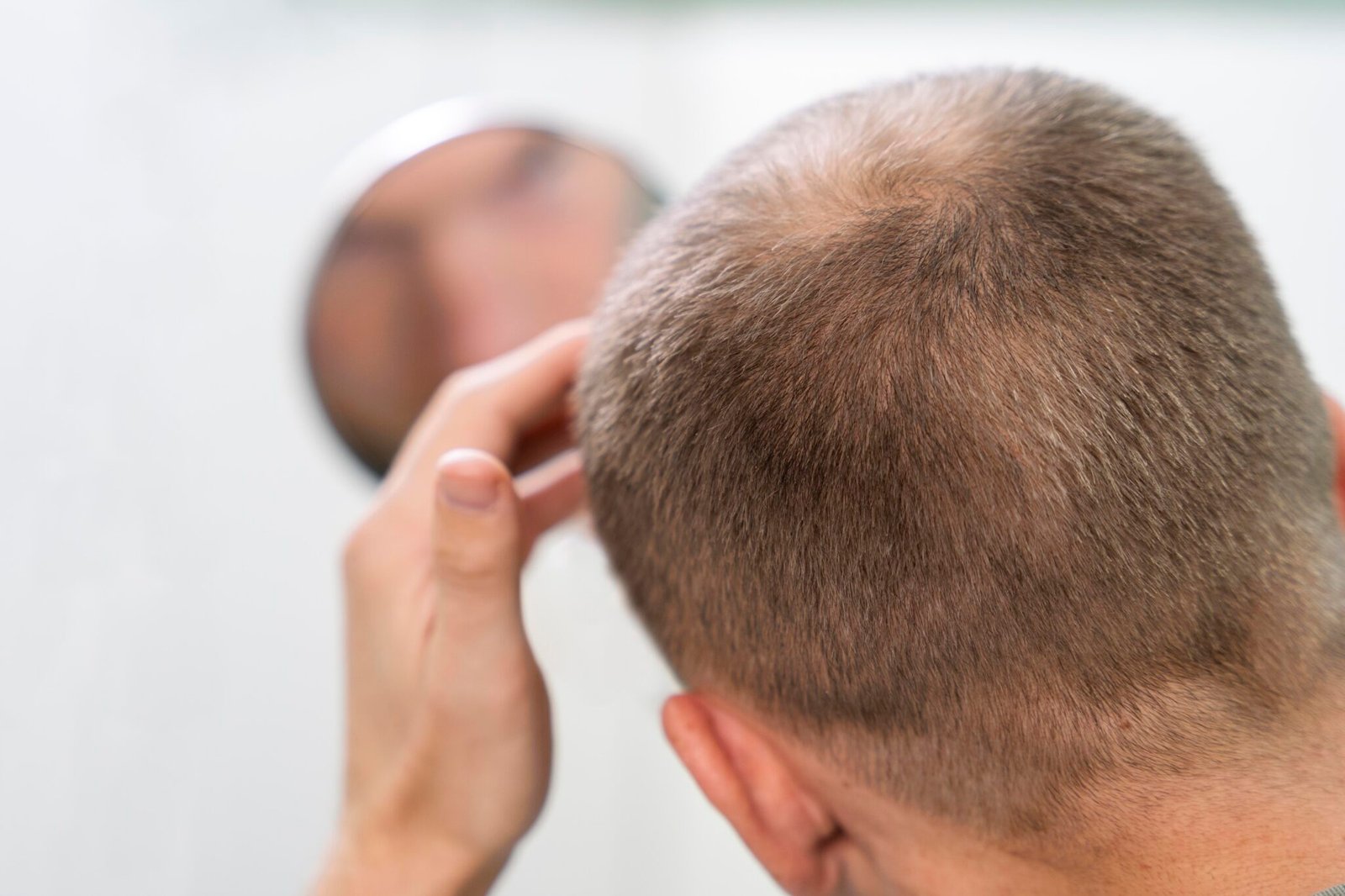
Safe Hair Transplant Practices in India
Safe hair transplant practices in India involve doctor-led clinics offering personalized treatment plans based on individual assessment. Common procedures include Follicular Unit Extraction (FUE) for men and women, hairline design, and specialized transplants such as beard or eyebrow restoration. Clinics prioritize privacy and evidence-based results, including those providing male hair transplant and female hair transplant.

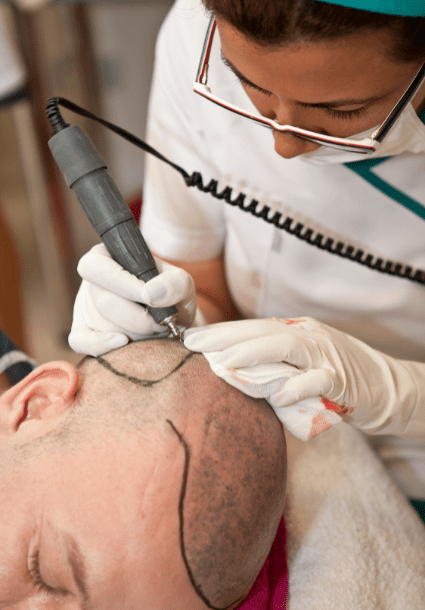

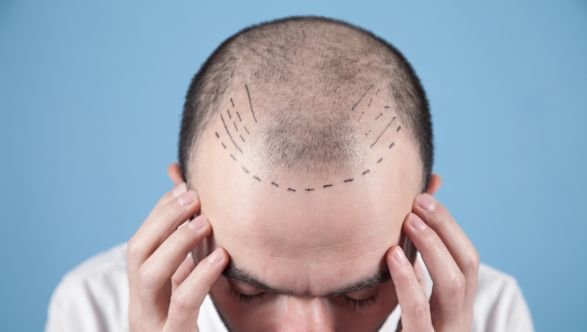
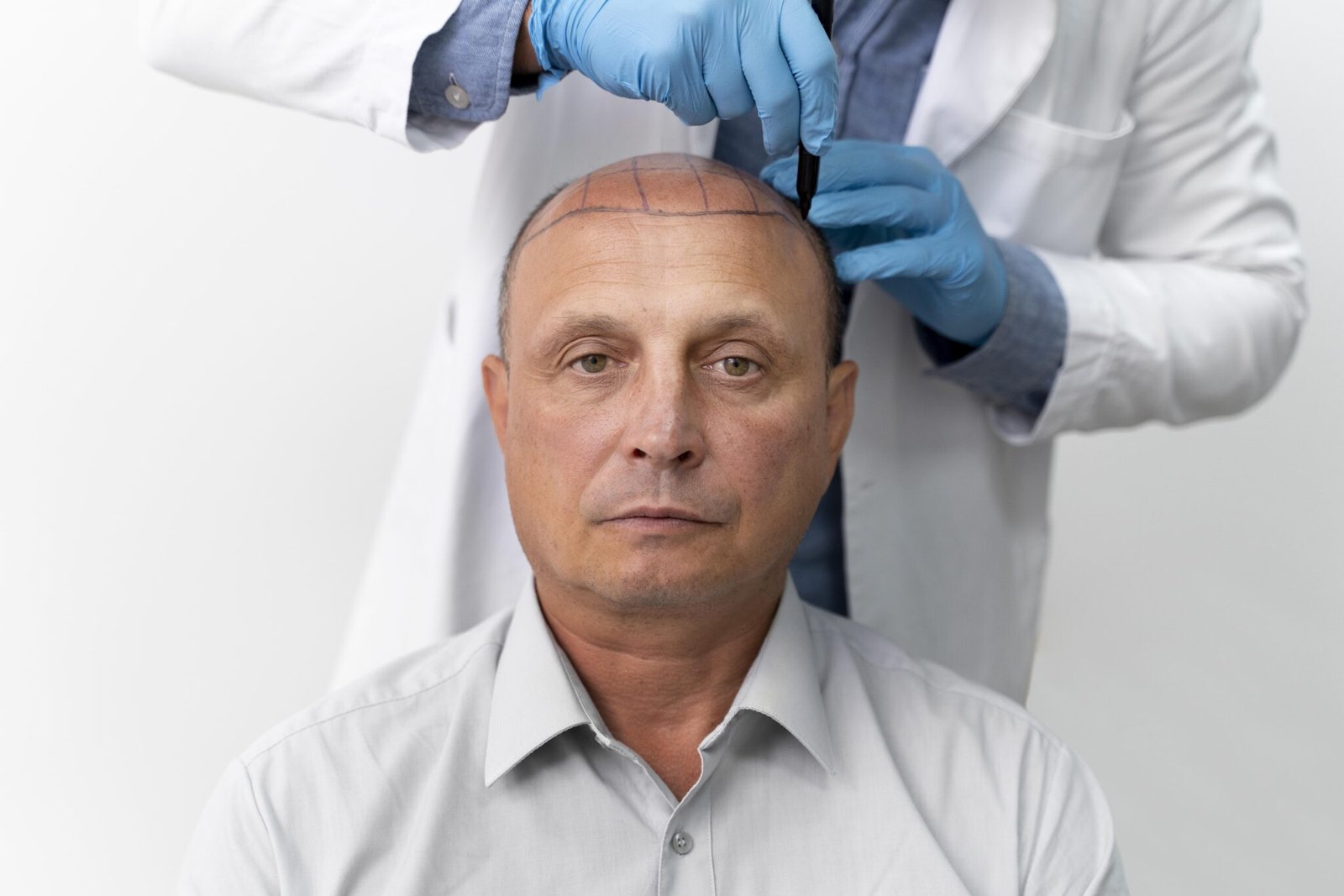


Key Elements of Safe Hair Transplant Practices in India
Safety depends on the clinic’s credentials, surgeon experience, and use of sterile, modern equipment. Important factors include:
- Doctor-led diagnosis and personalized treatment plans based on hair and scalp condition
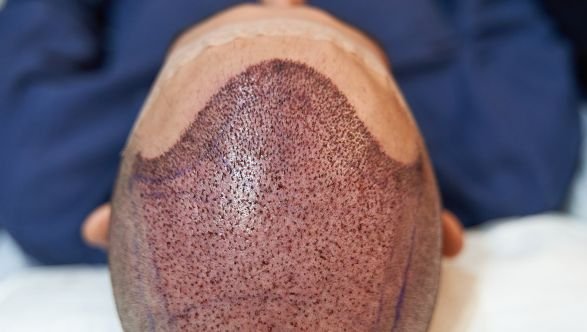
- Use of advanced techniques like FUE to reduce scarring and recovery time
- Clear communication about risks, recovery, and realistic results
- Strict hygiene protocols to prevent infection during and after the procedure
- Scheduled follow-ups to monitor healing and hair growth progress
Common Safe Hair Transplant Procedures Available in India
Several hair transplant procedures are available, tailored to patient needs:
- Male Hair Transplant: FUE technique focusing on natural density and hairline restoration for men
- Female Hair Transplant: Customized treatment for female pattern hair loss and thinning
- Hairline Design & Restoration: Expert hairline design to suit facial features
- Beard & Mustache Transplant: Facial hair restoration with precise follicle placement
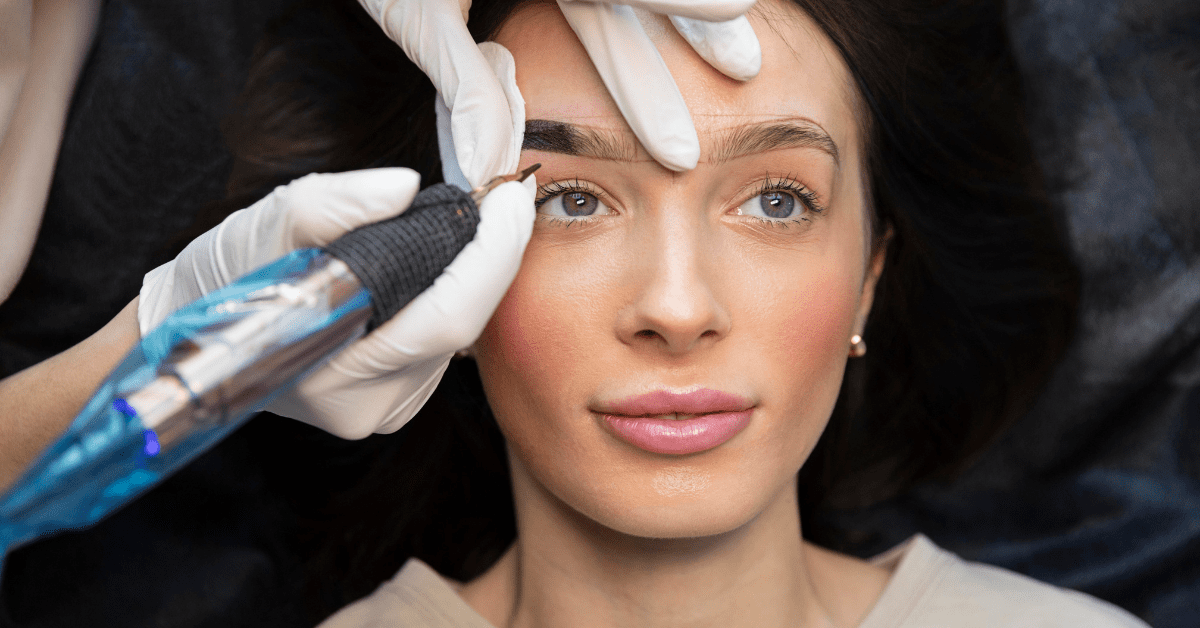
- Eyebrow Transplant: Restoration or enhancement of eyebrows with targeted follicle implantation
What to Expect During and After a Hair Transplant in India
The process starts with a detailed consultation and scalp analysis. The doctor creates a personalized plan based on hair type and patient goals. The transplant involves extracting and implanting follicles under local anesthesia and usually takes several hours depending on the area treated.
After the procedure, follow care instructions carefully to lower infection risk and aid healing. Avoid sun exposure and strenuous activities, and use prescribed medications or topical treatments. Visible results take several months. Clinics maintain patient confidentiality throughout.
About Alloroots
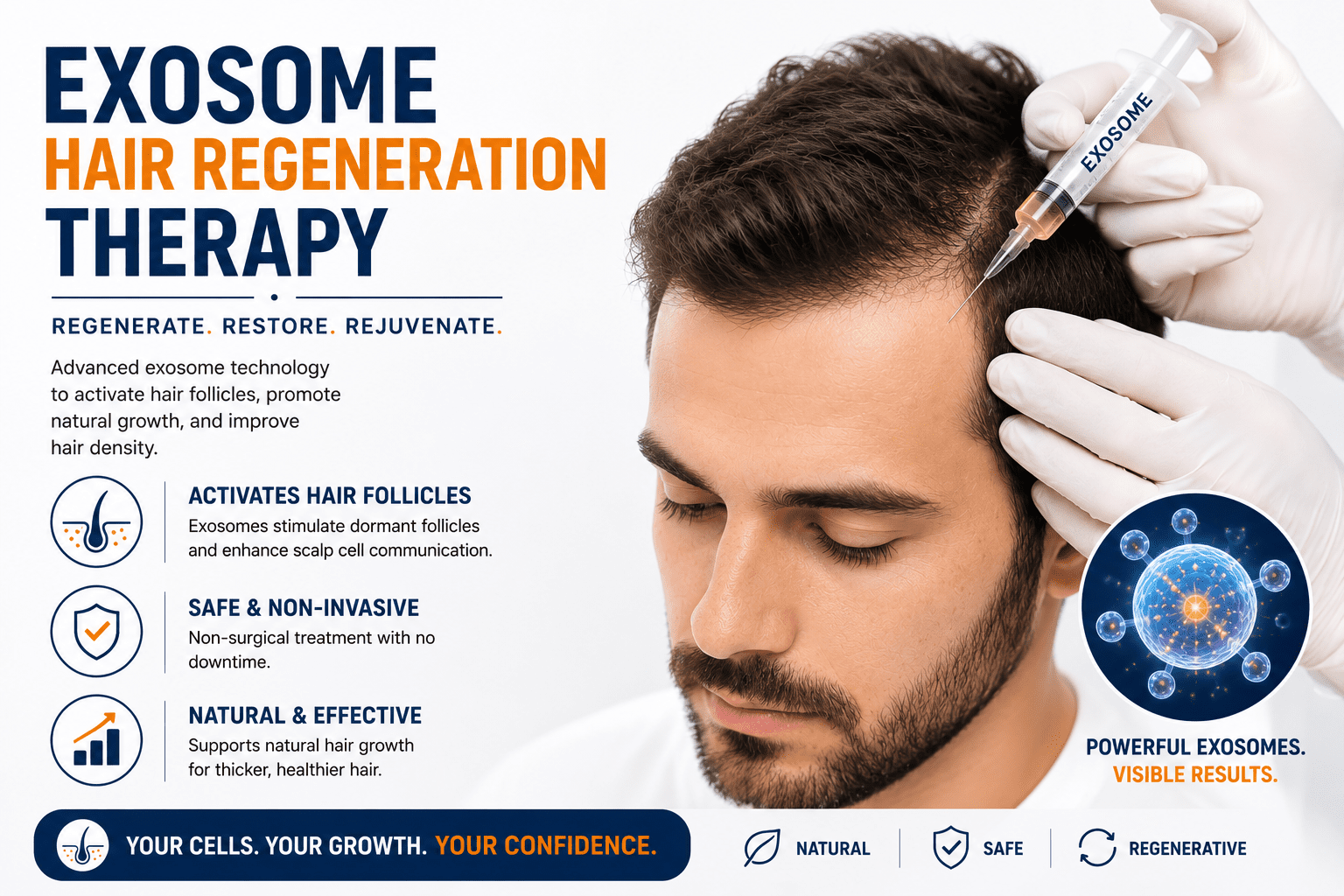
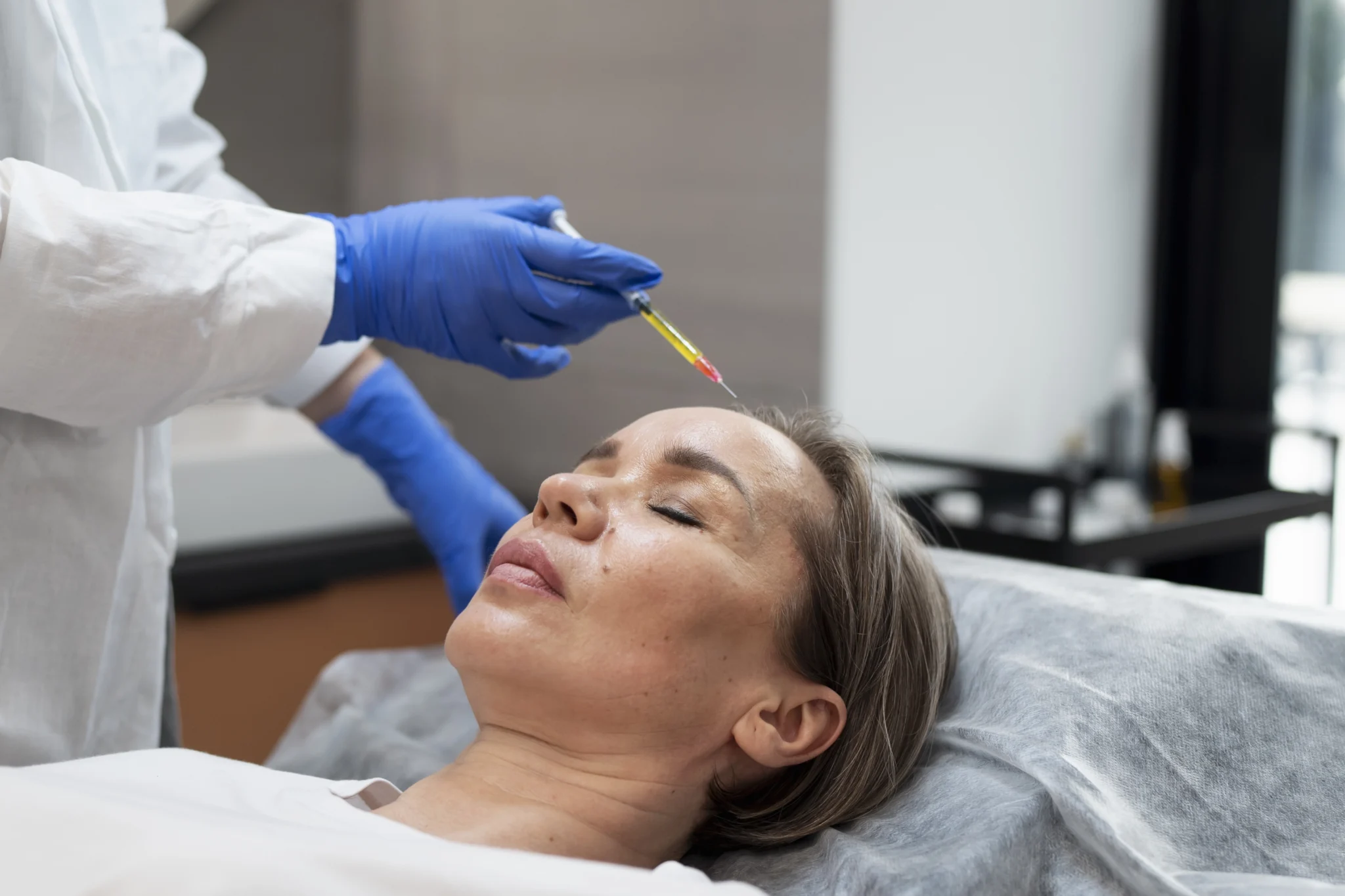
Alloroots is a doctor-led hair restoration clinic in India specializing in hair transplantation and regenerative treatments. Led by Dr. Alok Kumar Sahoo (MD Dermatology, AIIMS New Delhi), the clinic offers evidence-based procedures including FUE hair transplants for men and women, hairline restoration, beard and eyebrow transplants, and regenerative therapies like PRF and exosome therapy. They provide personalized plans with privacy-first care both in-clinic and online. Visit Alloroots for details.
Ready to discuss your hair restoration plan with a specialist?
Consult UsFAQs
Frequently Asked Questions
1
How can I ensure a hair transplant is safe in India?
Choose a clinic with a qualified dermatologist or surgeon, verify their credentials, ensure they follow strict hygiene protocols, and offer personalized treatment plans based on individual assessment.
2
What is the most common safe hair transplant technique used in India?
Follicular Unit Extraction (FUE) is widely used for its minimally invasive nature, reduced scarring, and natural-looking results.
3
Are hair transplant results guaranteed after the procedure?
Results vary based on individual factors like hair quality and health. Clinics provide evidence-led outcomes but cannot guarantee specific results.
4
What should I expect during recovery from a hair transplant?
Recovery includes mild swelling and redness, avoiding sun exposure, and following doctor’s instructions for medication and scalp care to reduce infection risk.
5
Can women safely undergo hair transplant procedures in India?
Yes, clinics offer female hair transplants using techniques like FUE tailored to women’s hair loss patterns with personalized treatment plans.
6
Is follow-up care important after a hair transplant?
Yes, follow-up visits allow the doctor to monitor healing, address concerns, and optimize hair growth through additional treatments if needed.
Speak with our hair restoration specialists about your treatment options.
Book a Consultation View PricingPopular Searches
Hair Transplant Safety Standards in India
Safety Standards for Hair Transplants in India
Safe Graft Limits in Indian Hair Transplants
Hair Transplant in India Meeting Western Standards
Hair Transplant in India for African Patients
Hair Transplant Recovery in India
Is Hair Transplant in India a Good Choice?
Risks of Hair Transplant Surgery in India
Corrective Hair Transplant Procedures in India
Evidence-Based Hair Transplant Practices in India
Hair Transplant in India for Patients from USA
Hair Transplant in India for South Asian Patients
Relaxed Environment for Hair Transplant in India
Hair Transplant in India for Pakistani Patients
Complete Hair Transplant Recovery Guide for India
Hair Transplant in India for Gujarati Patients