

Hair Transplant Safety Standards in India
Hair transplant safety standards in India focus on doctor-led procedures, sterile clinics, and personalized treatment plans to minimize risks. Clinics like Alloroots offer male hair transplant and female hair transplant services following strict hygiene and medical protocols.
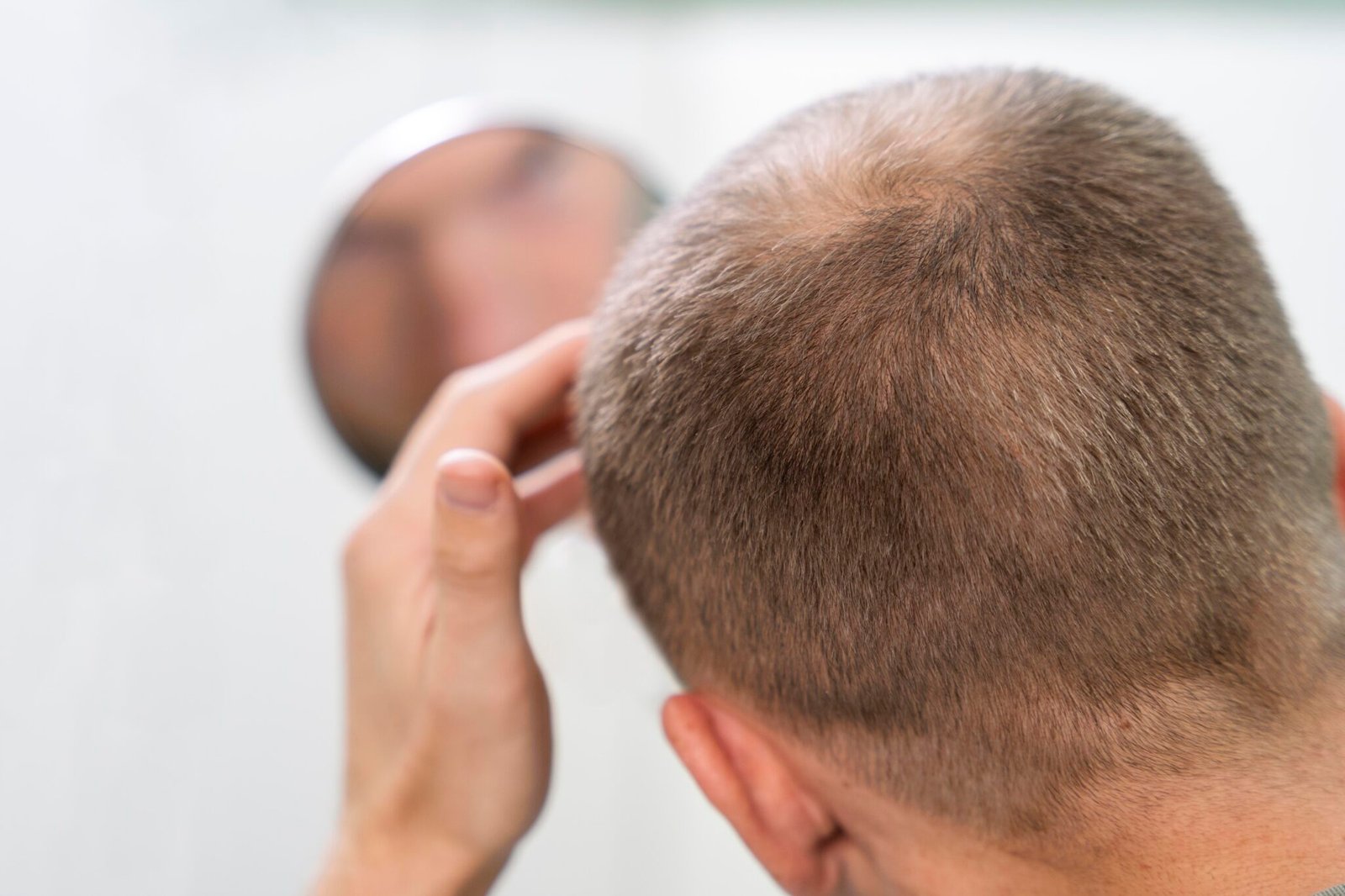
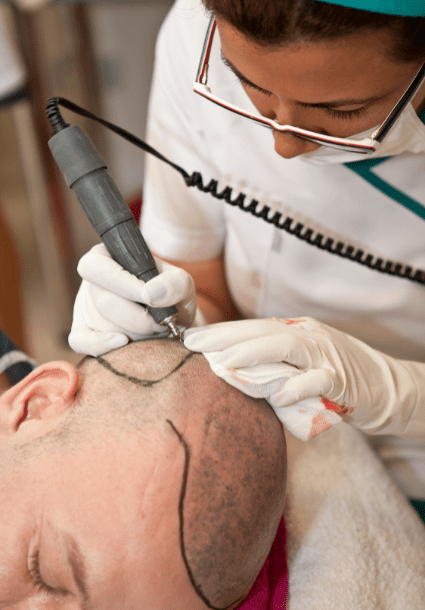

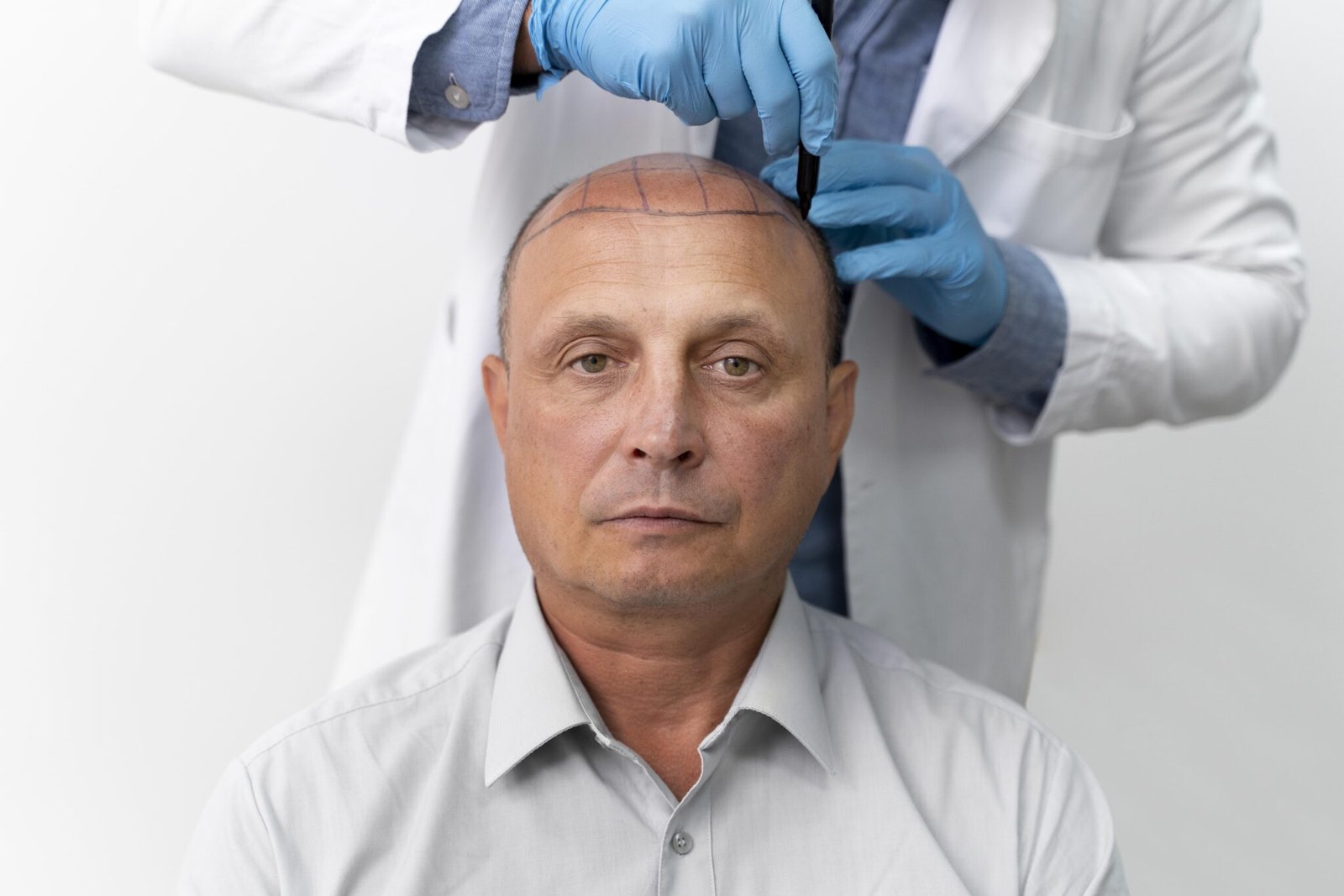
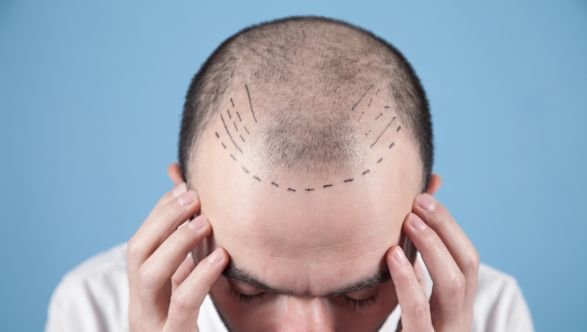


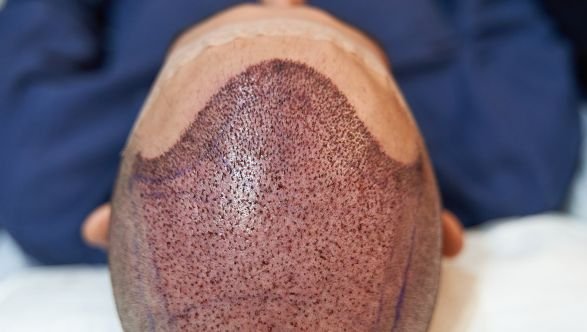
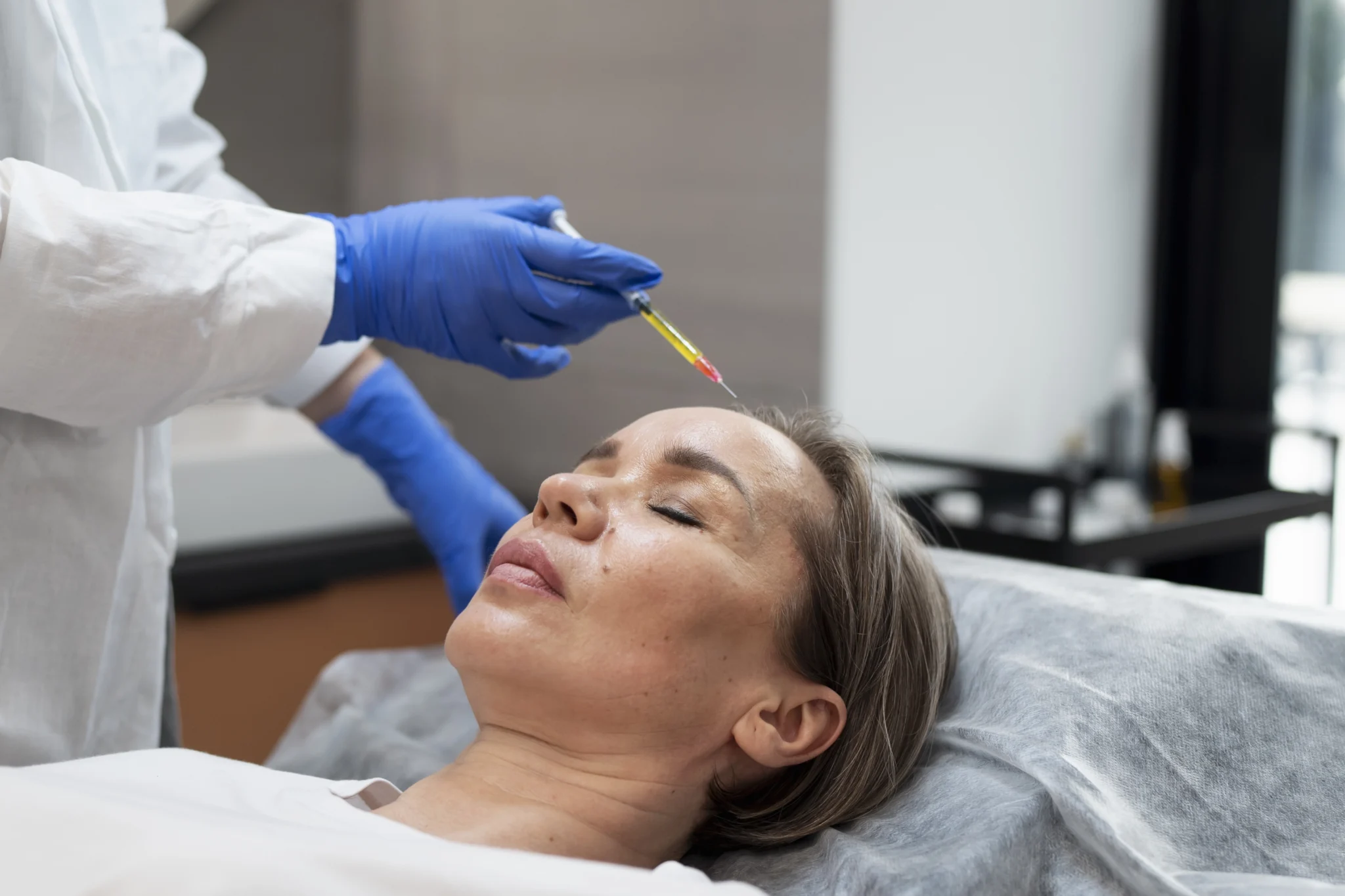
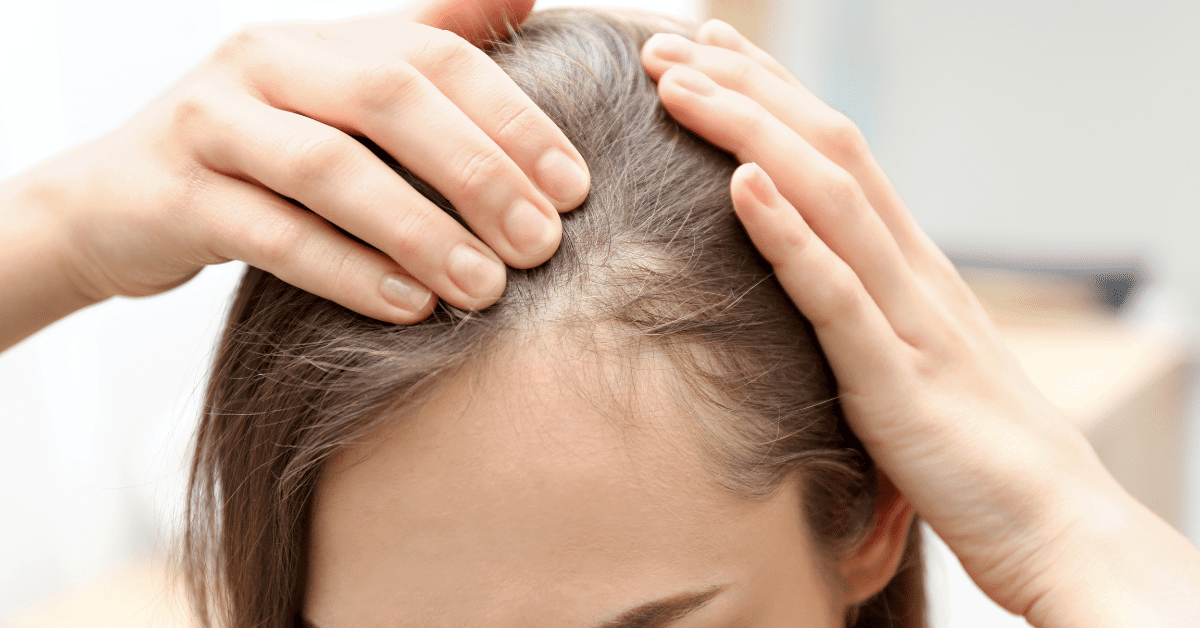
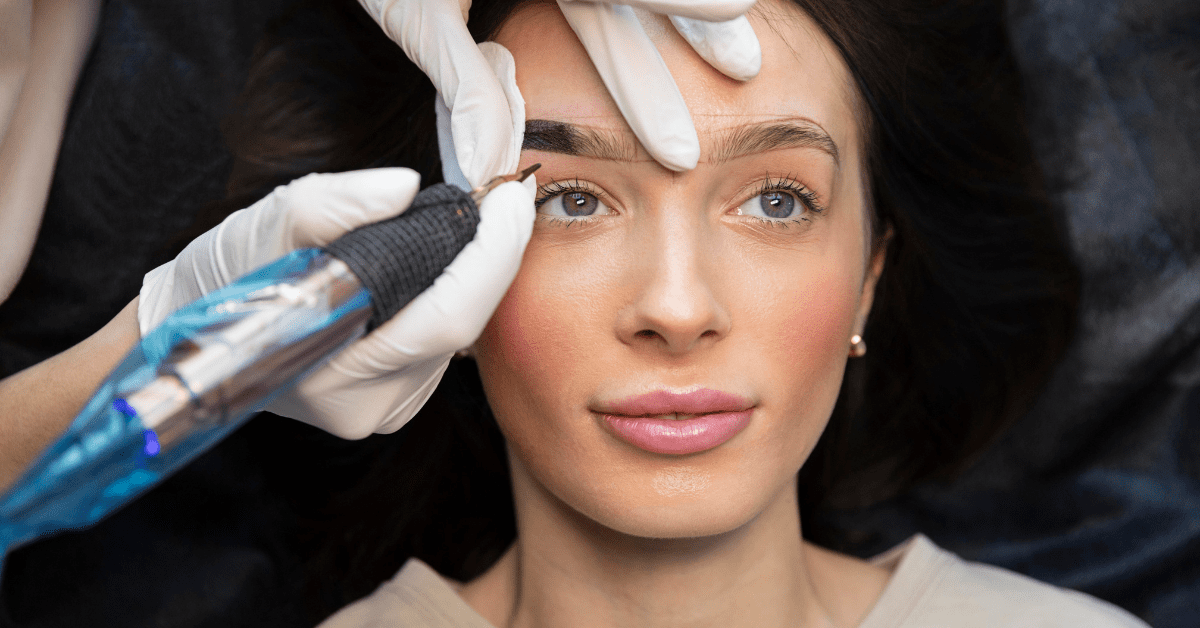
Key Safety Measures in Indian Hair Transplant Clinics
Indian hair transplant clinics follow clinical protocols to protect patient health and ensure good results.
- Doctor-led evaluations by qualified dermatologists or hair restoration surgeons assess medical history and treatment suitability.
- Sterile environments use sterilized instruments and controlled operating rooms to prevent infections.
- Treatment plans are customized based on hair loss patterns, health, and patient goals.
- Advanced techniques like Follicular Unit Extraction (FUE) reduce tissue damage and speed recovery.
- Post-operative care includes detailed instructions and follow-ups to monitor healing and address complications promptly.
Regulatory and Accreditation Standards
India does not have a centralized hair transplant regulatory body, but clinics comply with healthcare laws to maintain safety.
- Clinics must register and meet local health department standards.
- Doctors require valid medical licenses with dermatology or plastic surgery specialization.
- Some clinics hold additional certifications from national or international organizations to confirm quality.
- Patient consent and privacy protocols are legally enforced and strictly followed.
Choosing a Clinic with Verified Safety Protocols
To ensure quality care, verify a clinic’s credentials and safety practices before choosing a hair transplant provider.
- Confirm doctors’ qualifications such as MD in Dermatology or specialized hair restoration training.
- Check clinic hygiene and sterilization standards.
- Review patient testimonials and documented case studies while respecting privacy.
- Look for clinics offering services like hairline design & restoration and hair transplant repair & correction.
- Ensure clear communication about risks, recovery, and personalized plans.
Most clinics operate from 10 AM to 6 PM, with advance booking advised. Patients should bring medical records and follow pre-procedure medication guidelines.
About Alloroots
Alloroots is a doctor-led hair restoration clinic in India specializing in hair transplantation and regenerative therapies. Led by Dr. Alok Kumar Sahoo (MD Dermatology, AIIMS New Delhi), Alloroots offers personalized treatments including FUE male hair transplant, female hair transplant, PRP, GFC, i-PRF, exosome therapy, scalp micropigmentation, and hair restoration medications. Care is provided with respect for patient privacy and evidence-based results through both in-clinic and online consultations. Learn more at Alloroots.
Ready to discuss your hair restoration plan with a specialist?
Consult UsFAQs
Frequently Asked Questions
1
What qualifications should a hair transplant surgeon have in India?
A qualified hair transplant surgeon typically holds an MD in Dermatology or a related specialty and has specific training in hair restoration procedures.
2
Are hair transplant procedures in India performed under sterile conditions?
Yes, reputable clinics maintain strict sterile environments to prevent infections, including sanitized instruments and controlled operating rooms.
3
How can I verify a clinic’s safety standards before treatment?
Check the clinic’s registration, doctor credentials, patient reviews, and inquire about their hygiene protocols and post-operative care practices.
4
What are the common safety risks associated with hair transplants?
Risks include infection, scarring, poor graft survival, and allergic reactions, which can be minimized by following safety standards and personalized care.
5
Is patient privacy protected during hair transplant procedures in India?
Yes, clinics follow legal requirements to ensure patient confidentiality and informed consent throughout the treatment process.
6
Can hair transplant safety standards vary across different Indian clinics?
Yes, safety standards can differ; selecting doctor-led, accredited clinics with transparent protocols helps ensure better safety and outcomes.
Speak with our hair restoration specialists about your treatment options.
Book a Consultation View PricingPopular Searches
Safety Standards for Hair Transplants in India
India’s Hair Transplant Standards Compared to the World
Safe Hair Transplant Practices in India
Clinic Hygiene Standards for Hair Transplant in India
Hair Transplant Accreditation Standards in India
Hair Transplant in India Meeting Western Standards
Risks of Hair Transplant Surgery in India
Safe Graft Limits in Indian Hair Transplants
Hair Transplant Guarantee in India
Setting Realistic Expectations for Hair Transplants in India
Operating Room Standards for Hair Transplant in India
Hair Transplant in India for International Patients
Hair Transplant in India: Red Flag Checklist
Hair Transplant in India: Procedures and Benefits
India’s Ranking in Global Hair Transplant Standards
Corrective Hair Transplant Procedures in India