

Understanding Coverage Percentage in Hair Transplants in India
At Alloroots, coverage percentage is a key measure in planning male hair transplant and female hair transplant procedures. It shows how much of a bald or thinning area can be restored with available donor hair, based on graft count, donor density, and hair characteristics. Each patient’s plan is built from an individual assessment, whether aiming for full scalp coverage or focused hairline work. Consultations outline achievable coverage and next steps clearly.
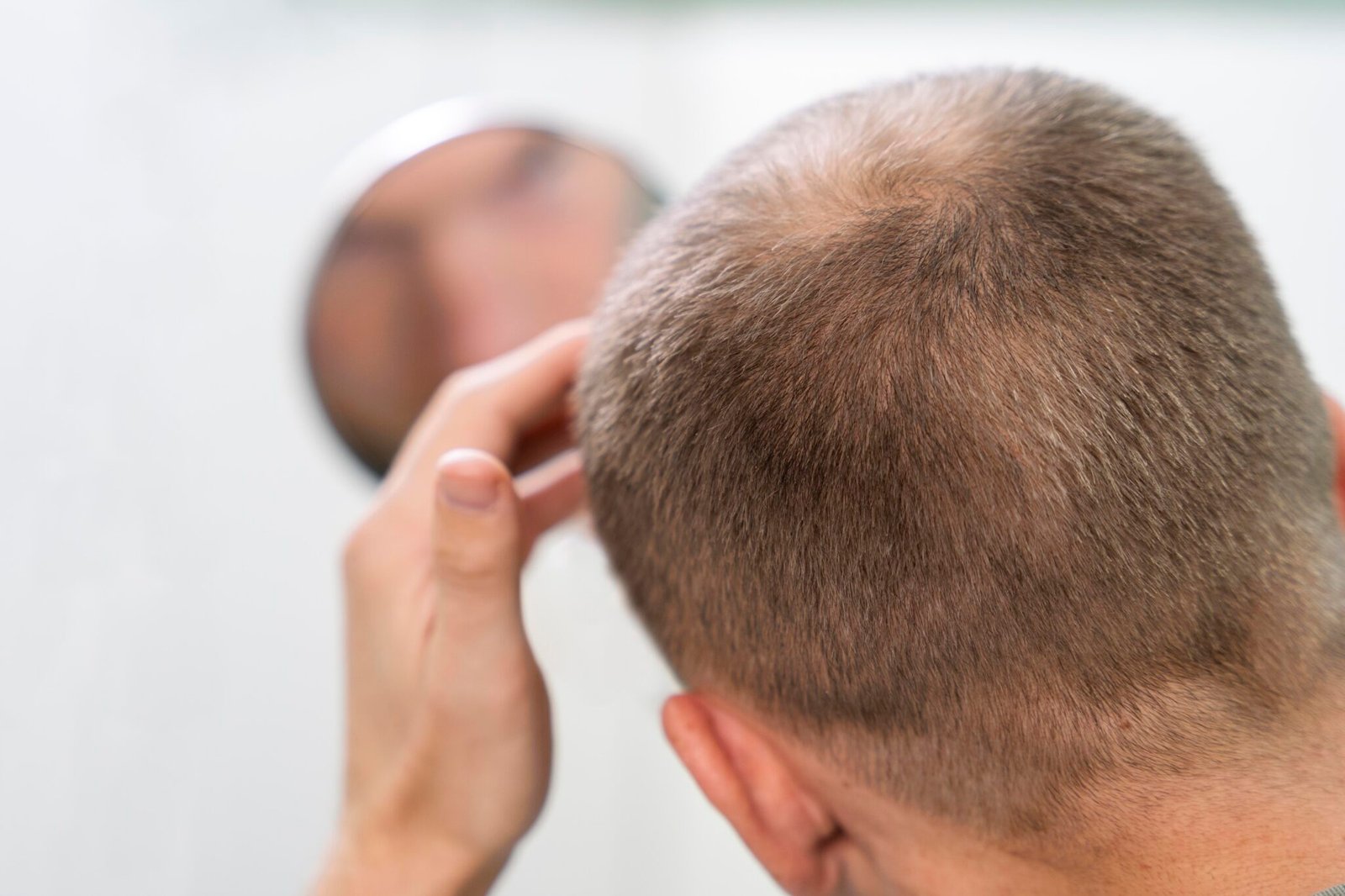

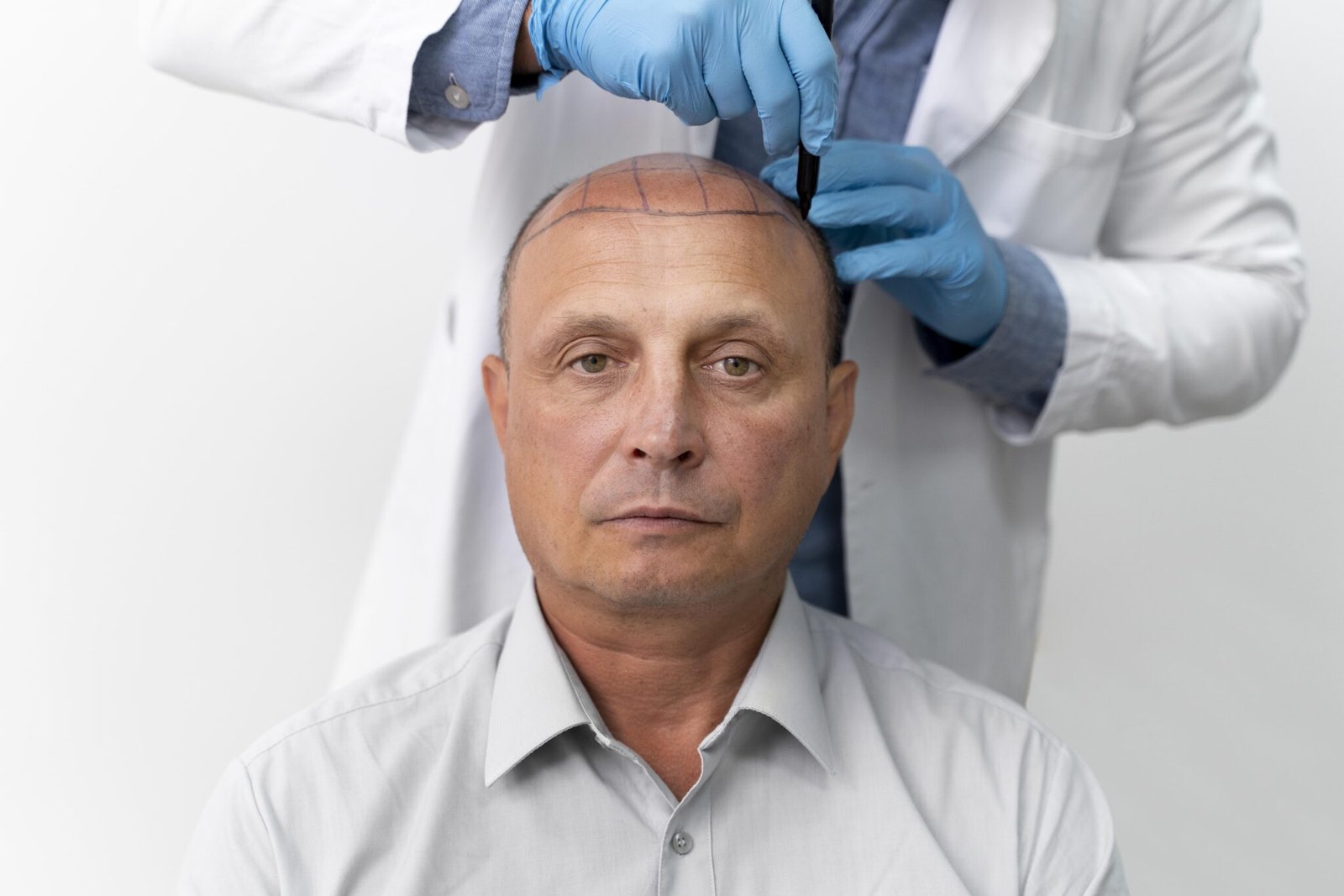
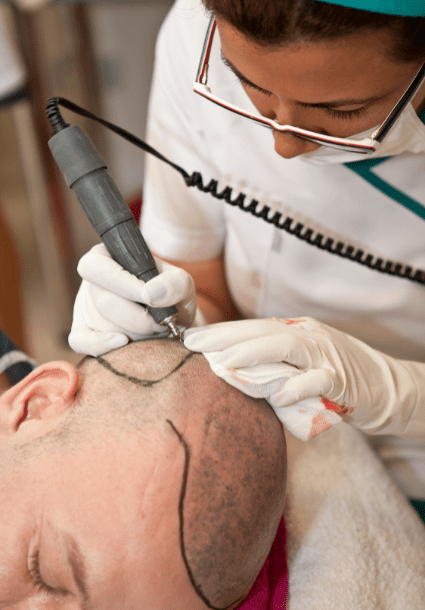

Planning hair transplants based on coverage percentage
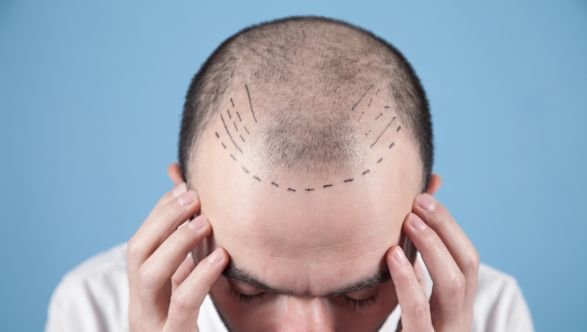
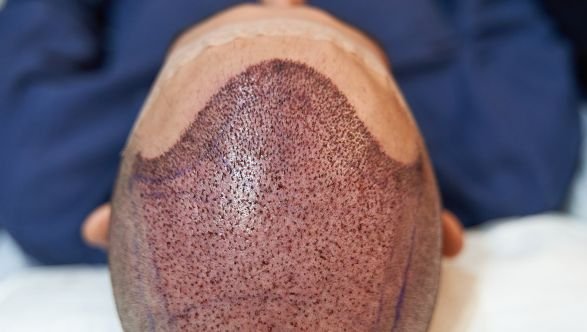
Coverage percentage matches donor hair availability to the size of the recipient area. Higher percentages allow fuller coverage, lower percentages may require prioritising visible zones. Key factors include:
- Extent of hair loss, mild thinning can often reach near full coverage.
- Donor density, more follicles allow more area to be covered.
- Hair characteristics, thicker or curlier hair improves visual density.
- Technique, precise FUE methods can support higher graft survival.
- Patient goals, some choose to focus on the frontal zone instead of full scalp.
Extensive baldness may not be fully treated in one session. A staged approach or combining surgery with PRP, i-PRF, GFC, or exosome therapy can improve density over time.
Scenarios and options in Indian practice
Clinics in India often outline coverage expectations for Norwood stages in men or Ludwig stages in women. Examples:
- Stage 3, frontal hairline and mid-scalp can often be restored completely.
- Stage 5, coverage focuses on frontal and mid-scalp, crown may remain thinner.
- Stage 7, donor hair is mainly used to frame the face.
At Alloroots, patients can choose targeted hairline design & restoration, hair transplant repair & correction, or specialised beard, eyebrow, or scar hair restoration. Combining surgery with regenerative methods may help increase coverage percentage and graft survival.
Managing expectations and reviewing results
Coverage percentage does not guarantee a specific cosmetic result. Hair growth patterns and texture vary, so visual outcomes differ. Clinics should use privacy-protected before/after photos to explain possibilities. Patients should discuss density goals with their surgeon and plan maintenance therapies to support existing hair. Dr. Alok Kumar Sahoo assesses donor reserves, scalp condition, and lifestyle factors before recommending a treatment sequence. Booking a consultation at Alloroots can be done online or in-clinic; bringing prior medical reports helps speed the assessment.
About Alloroots
Alloroots is a doctor-led hair restoration clinic in India, headed by Dr. Alok Kumar Sahoo (MD Dermatology, AIIMS New Delhi). Services include personalised diagnosis, natural hairline design, advanced FUE-based transplants, and non-surgical treatments for hair loss. Patients can access consultations across India, with emphasis on privacy, safety, and evidence-led care. Visit alloroots.com for details.
Ready to discuss your hair restoration plan with a specialist?
Consult UsFAQs
Frequently Asked Questions
1
What is coverage percentage in hair transplants?
It is the proportion of the thinning or bald area that can be restored using available donor hair, based on graft count, density, and hair characteristics.
2
Does coverage percentage guarantee full scalp restoration?
No, it is an estimate based on donor supply and area size. Full restoration may not be possible for advanced baldness stages.
3
How can I improve my coverage percentage?
Optimising donor hair use, choosing suitable techniques, and combining regenerative treatments may help improve effective coverage.
4
Is coverage percentage different for men and women?
Yes, patterns of hair loss differ, so donor availability and coverage goals are assessed individually for men and women.
5
Can multiple sessions increase coverage percentage?
Staged procedures can expand coverage over time, especially when donor hair is preserved and scalp health is maintained.
6
Will hair characteristics affect perceived coverage?
Yes, thicker or curlier hair can make lower coverage percentages look fuller, while fine hair may require higher density.
Speak with our hair restoration specialists about your treatment options.
Book a Consultation View PricingPopular Searches
Hair Transplant Coverage Areas Explained for India Patients
Hair Transplant Insurance in India
Understanding Graft Counts for Hair Transplants in India
Insurance Receipts for Hair Transplants in India
Hair Transplant Success Rates in India
Hair Transplant Graft Survival Rates in India
India’s Hair Transplant Standards Compared to the World
Scalp Coverage Planning for Hair Transplant in India
Hair Transplant Guarantee in India
Hair Growth Expectations After a Transplant in India
Setting Realistic Expectations for Hair Transplants in India
Hair Transplant Before and After Results in India
Hair Transplant in India vs USA
Understanding Hair Transplant Contracts in India
Hair Transplant in India: Procedures and Benefits
Hair Transplant in India: Net Savings Explained