
Understanding Donor Area in Hair Transplants in India
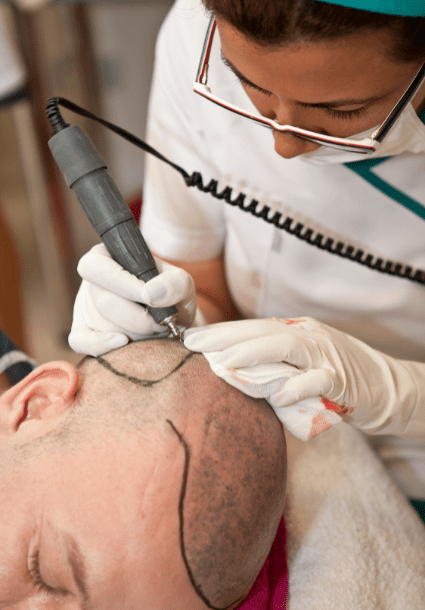
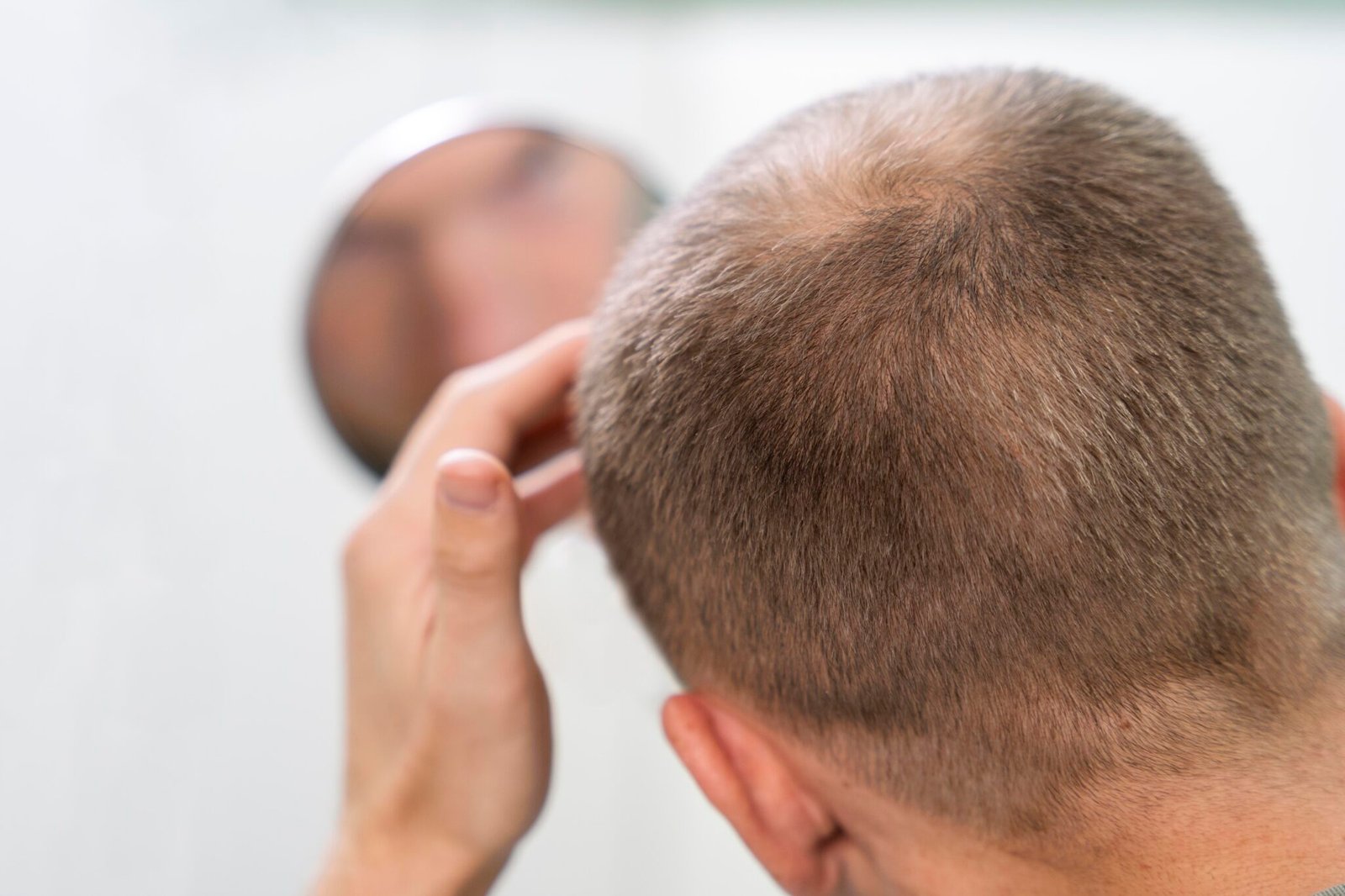
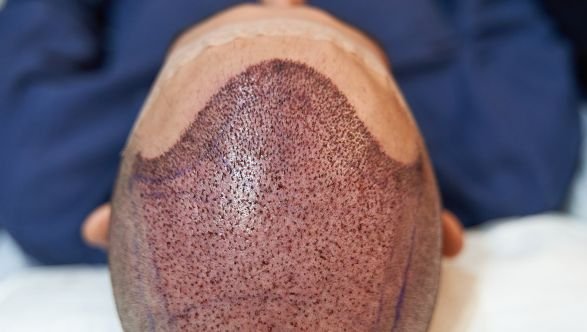
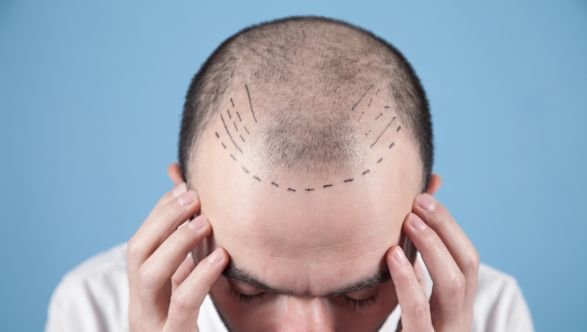
The donor area, usually at the back and sides of the scalp, holds hair follicles resistant to pattern hair loss. At Alloroots, Dr. Alok Kumar Sahoo examines this area to determine suitability for a male hair transplant or female hair transplant. Planning focuses on preserving donor density for future procedures, with private assessments and personalised treatment strategies.



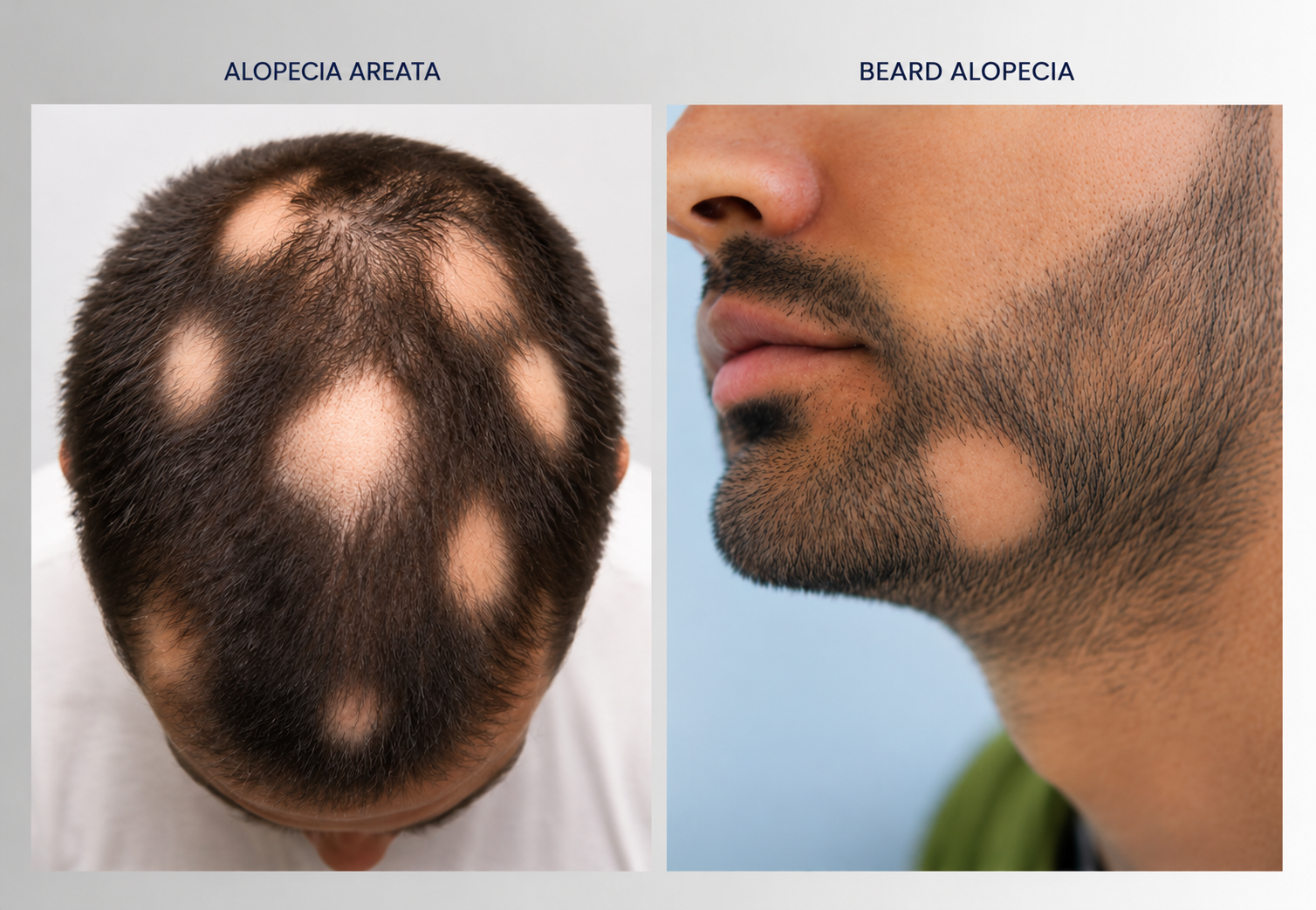
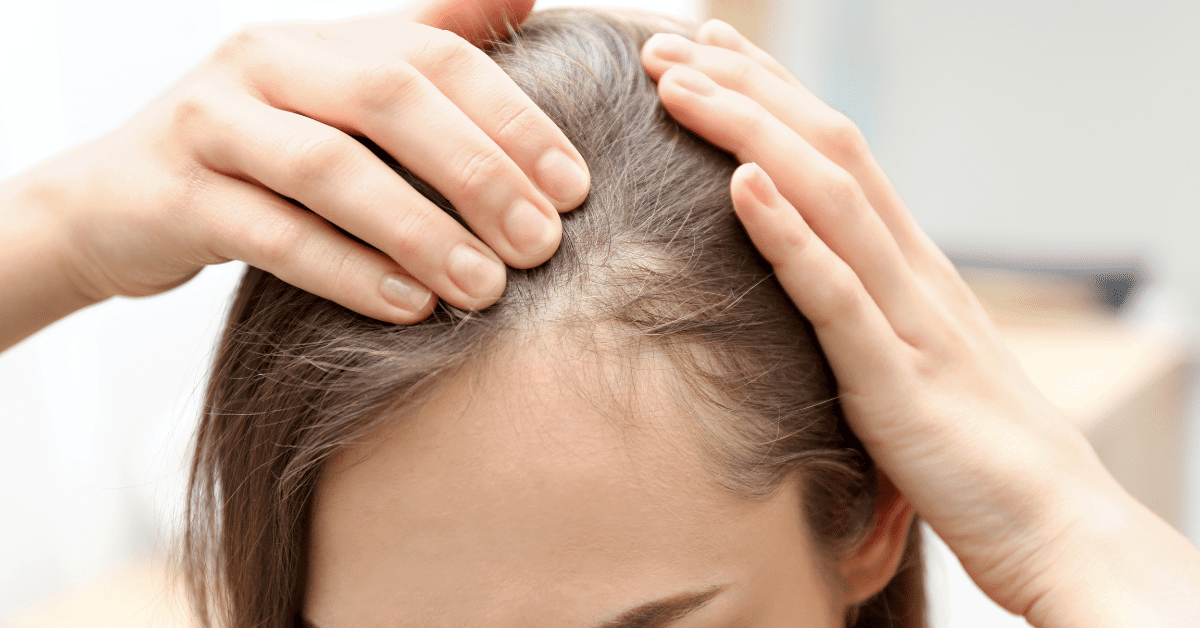
Why donor area matters in hair transplants in India
Grafts for hair transplantation come from the donor area. Follicles here often resist dihydrotestosterone (DHT), helping maintain coverage after transfer. Poor donor health reduces viable grafts and can limit results.
- Back of scalp (occipital zone) is the most stable and primary graft source.
- Sides of scalp (parietal zone) can supplement coverage.
- Beard or body hair may be used if scalp supply is insufficient.
Combining scalp and body hair extraction, such as with a body hair transplant, can increase graft availability in select cases.
Assessing donor area suitability
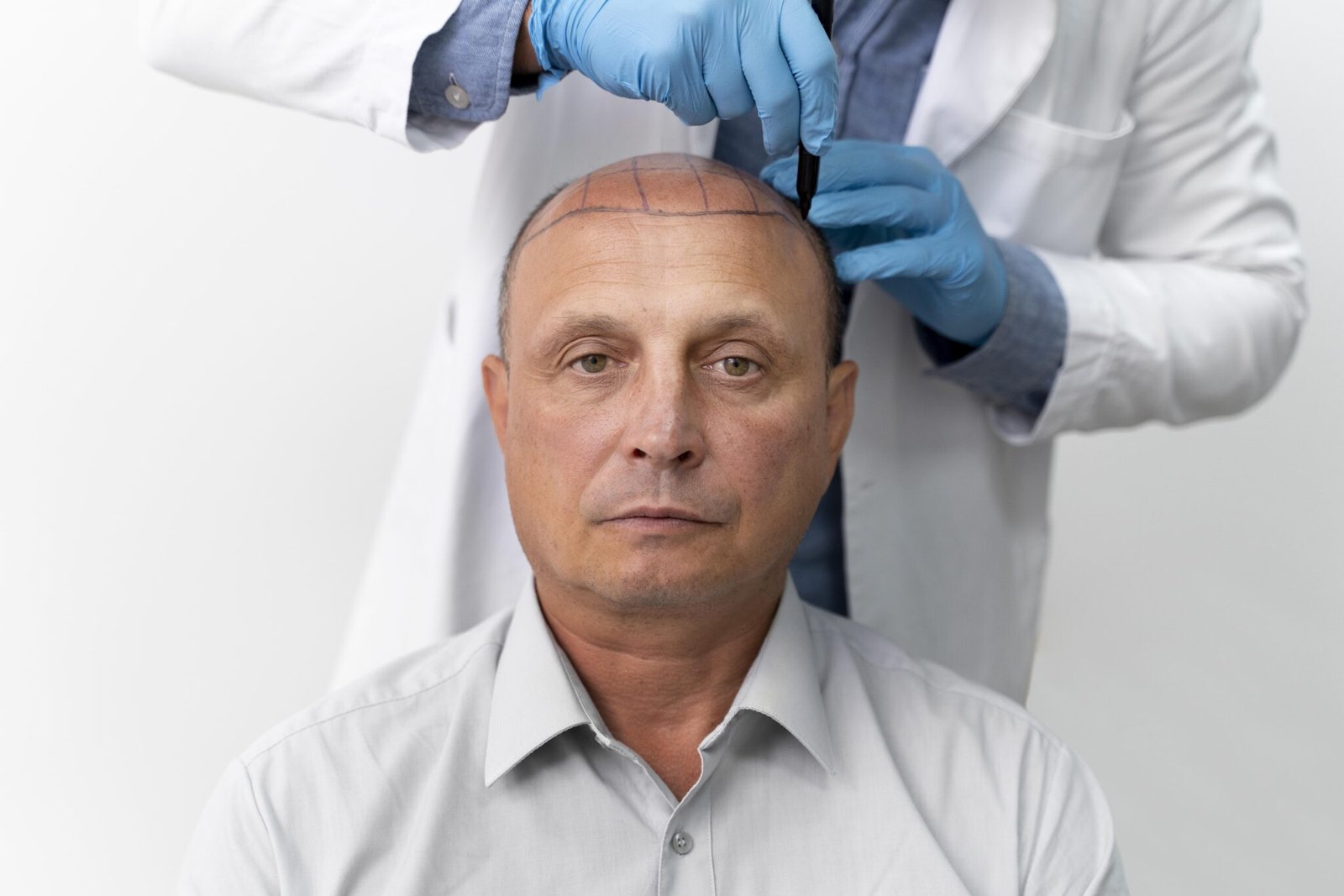
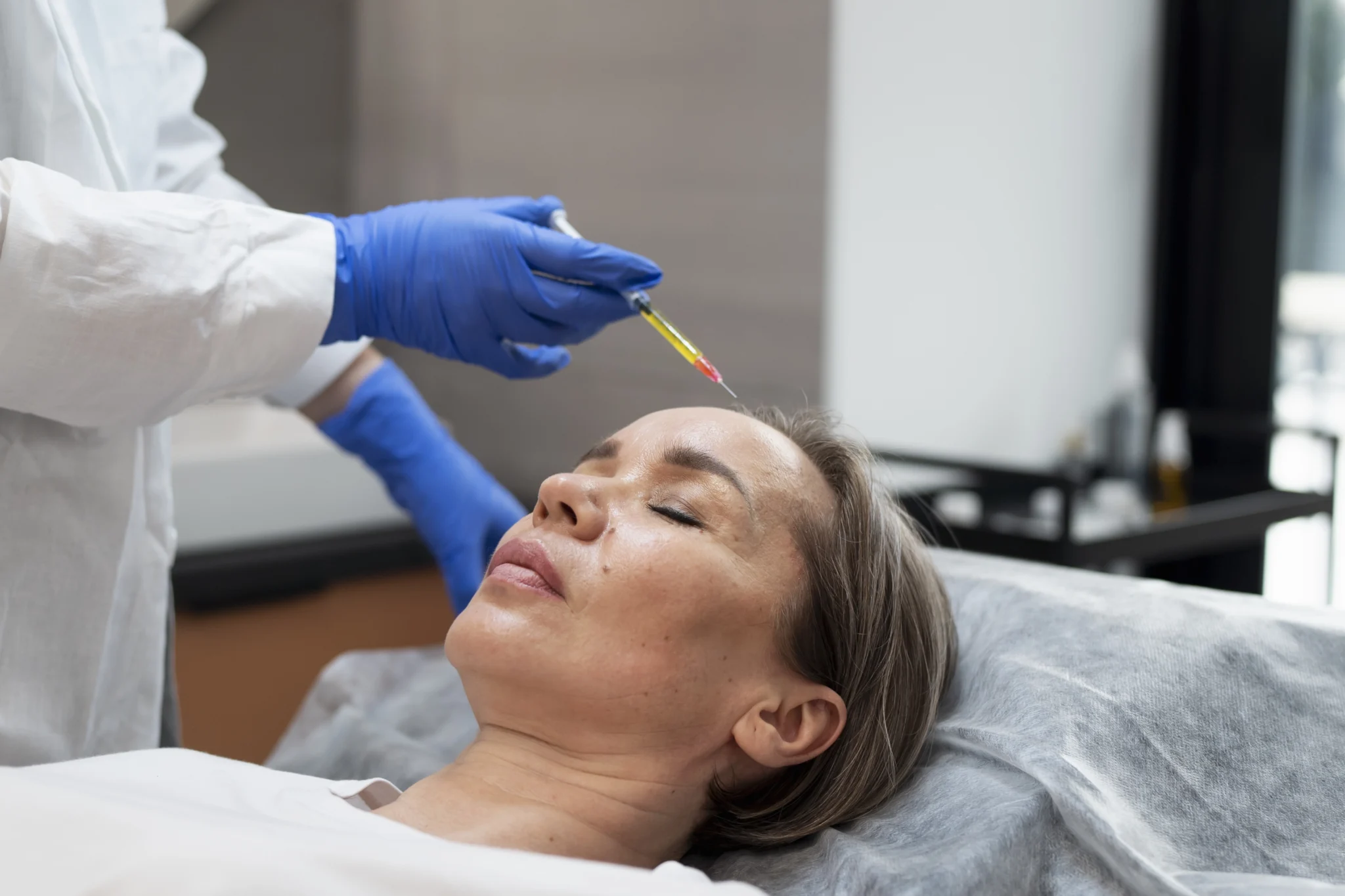
Suitability is measured by hair density counts, follicle health, and scalp condition. Tools like trichoscopy and imaging estimate graft numbers. Patients with diffuse thinning may be advised to try regenerative therapies like Growth Factor Concentrate (GFC) or PRP to improve donor quality before surgery.
- Hair density affects graft yield.
- Scalp flexibility influences extraction and healing.
- Hair thickness impacts coverage.
When supply is limited, repair services such as hair transplant repair or blending with hairline restoration can improve appearance.
Options when donor area is weak
Approaches include beard hair harvesting for coarse zones, chest or body hair harvesting for density, scalp micropigmentation (SMP) for camouflage, and regenerative treatments like i-PRF or exosome therapy to enhance hair health. These are chosen to avoid overharvesting and preserve future possibilities.
Consultations, in-clinic or online, help plan donor assessment, travel, and procedure timelines. This supports recovery and follow-up, especially for patients from other cities.
About Alloroots
Alloroots is a doctor-led hair restoration clinic in India specialising in surgical hair transplantation and regenerative hair science. Led by Dr. Alok Kumar Sahoo (MD Dermatology, AIIMS New Delhi), the clinic offers personalised diagnosis, natural hairline design, FUE-based transplants, and non-surgical treatments. Consultations are available in person or online, with care across India. Alloroots focuses on privacy, safety, realistic expectations, and evidence-based treatments, supported by documented patient journeys. Learn more at alloroots.com.
Ready to discuss your hair restoration plan with a specialist?
Consult UsFAQs
Frequently Asked Questions
1
What is the donor area in hair transplants?
It is usually the back and sides of the scalp where hair is genetically resistant to thinning, used as the source for grafts.
2
Can donor hair run out?
Yes, overharvesting or poor donor health can deplete available follicles, limiting future transplant options.
3
Are body hairs used in transplants?
Beard, chest, and other body hairs may be used when scalp donor supply is insufficient, though texture and growth patterns differ.
4
Does donor area hair keep growing?
Transplanted donor hairs generally retain their growth characteristics, but individual results vary based on genetics and scalp health.
5
Can donor area be improved before surgery?
Regenerative treatments like PRP, GFC, or exosome therapy may help improve hair health and density in the donor zone.
6
Is donor area assessment painful?
Assessment is non-invasive, involving visual and microscopic examination, and does not cause pain.
Speak with our hair restoration specialists about your treatment options.
Book a Consultation View PricingPopular Searches
Donor Area Management for Hair Transplants in India
Hair Transplant Coverage Areas Explained for India Patients
Planning a Hair Transplant in India from the US
Understanding Hair Transplant Contracts in India
Book Your Hair Transplant Appointment in India
Hair Transplant Checklist for Patients in India
Hair Analysis for Hair Transplants in India
Complete Guide to Body Hair Donors for Transplants in India
Hair Transplant in India: Procedures and Benefits
Planning Your Hair Transplant in India From USA
Your Hair Transplant Patient Journey in India
Hair Transplant in India for Different Hair Types and Textures
Setting Realistic Expectations for Hair Transplants in India
Recipient Area Preparation in Hair Transplant Procedures
Pre-Operative Instructions for Hair Transplant Patients in India
How to Choose a Hair Transplant Clinic in India