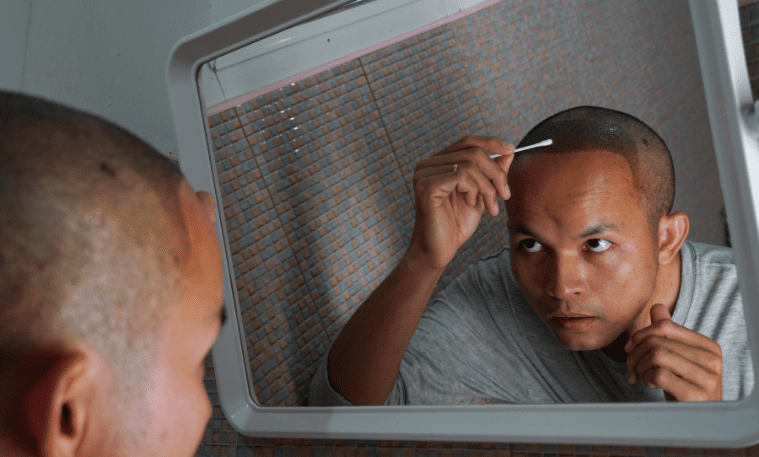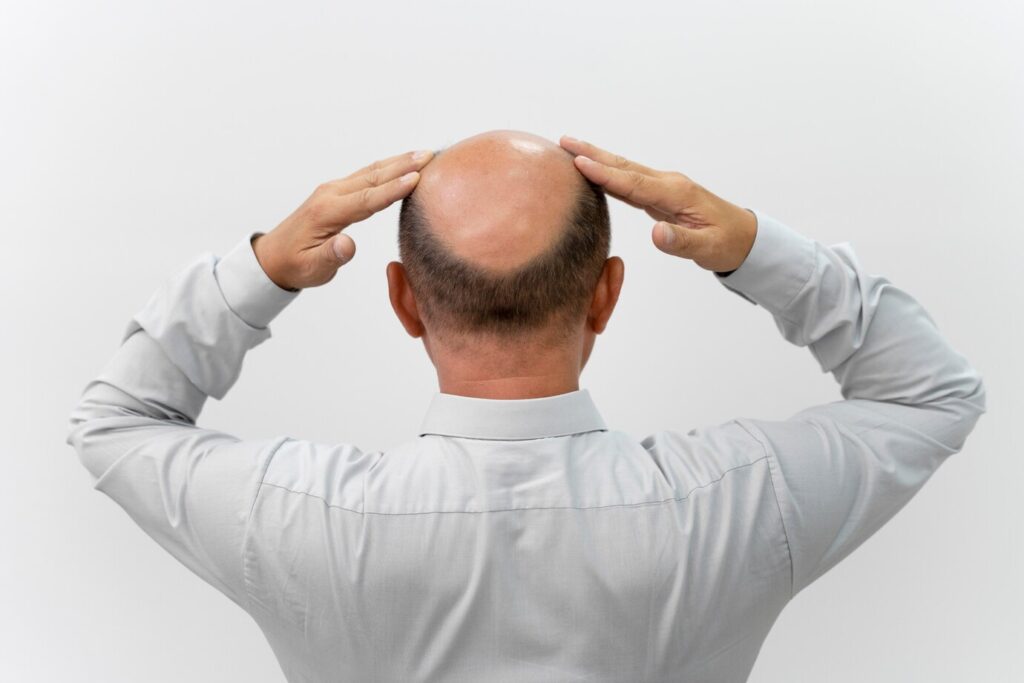
Scarring alopecia, also known as cicatricial alopecia, is a challenging hair loss condition caused by inflammation that destroys hair follicles, leading to permanent bald patches. Unlike typical pattern baldness, scarring alopecia requires specialized treatment, and a hair transplant for scarring alopecia can be an effective solution when performed by skilled surgeons.
At Alloroots, we specialize in advanced scarring alopecia hair transplant in India, offering cutting-edge techniques to restore hair in scarred areas. Our expert surgeons use Follicular Unit Extraction (FUE) and Direct Hair Implantation (DHI) to ensure natural-looking, long-lasting results.
Scarring alopecia (cicatricial alopecia) is a permanent form of hair loss where inflammation destroys hair follicles, replacing them with scar tissue. Unlike typical balding, the damage prevents regrowth since follicles cannot recover. Causes include autoimmune diseases (like lichen planopilaris), burns, infections, or chemical/radiation exposure.
This condition progresses in phases—active inflammation (redness, itching) followed by scarring (smooth, shiny bald patches). Early diagnosis is crucial to halt progression. While medications may help in active stages, hair transplant becomes an option once the disease is inactive (1-2 years without flare-ups).
At AlloRoots, we specialize in scarring alopecia hair transplants, using advanced FUE/DHI techniques to restore hair in scarred areas. A thorough scalp assessment ensures candidacy for natural, lasting results.
Key Facts:
✔ Permanent hair loss (follicles destroyed)
✔ Caused by inflammation, trauma, or disease
✔ Treatment options: Medications (early stage) or transplant (stable cases)
Early intervention improves outcomes—consult a specialist if you notice unusual hair loss with scalp changes.

of men experiences some form of androgenetic alopecia, or male pattern baldness, at some point in their lives.
Statistics on Male Hair Loss:
Meet Our Esteemed Surgeon
Dr. Alok combines manual skills with advanced technology, ensuring the best outcomes for his patients. His expertise includes eyebrow and eyelash transplants, along with beard and body hair transplant procedures.

Scarring alopecia, also known as cicatricial alopecia, is a challenging hair loss condition caused by inflammation that destroys hair follicles, leading to permanent bald patches. Unlike typical pattern baldness, scarring alopecia requires specialized treatment, and a hair transplant for scarring alopecia can be an effective solution when performed by skilled surgeons.
At AlloRoots, we specialize in advanced scarring alopecia hair transplant in India, offering cutting-edge techniques to restore hair in scarred areas. Our expert surgeons use Follicular Unit Extraction (FUE) and Direct Hair Implantation (DHI) to ensure natural-looking, long-lasting results.
Although recovery is quicker, it’s normal to experience mild swelling and redness around the treated areas for the first couple of days. Our team may prescribe painkillers to manage any temporary discomfort and ensure a smooth healing journey.
To achieve the best results, it’s important to strictly follow the aftercare instructions provided by the Alloroots medical team. Common aftercare guidelines include:
Our specialists at Alloroots are committed to supporting you at every step of your recovery, helping you heal beautifully and enjoy natural, long-lasting results with minimum disruption to your life.

A hair transplant is a cosmetic procedure and it’s all about your look, there is no urgency so before going for a hair transplant, do proper research and you have to keep certain things in mind while choosing where to get it done.
Keep one thing in mind, you should choose your hair transplant surgeon and not the clinic because the surgeon is going to perform your surgery. Criteria for choosing a hair transplant surgeon:
A hair transplant is a long procedure performed for 6 to 8 hours or more depending on the number of grafts. The various steps in this surgery are Planning & designing, Anesthesia, Slit preparation, Graft extraction, and Implantation. So the degree of involvement of a surgeon depends on his/her physical presence throughout these procedures.
MD/DNB Dermatologist or MCh/DNB Plastic Surgeon is the authorized person to do this procedure. So must checks the qualification of a doctor.
Experience is not about the number of years, it is all about the number of surgeries.
You should really be aware of the technique used by the surgeon, the quality of instruments, and so on because all of these will bring a better outcome to your hair transplant surgeon.
Scarring alopecia is a rare but severe form of hair loss where inflammation damages hair follicles, replacing them with scar tissue. This condition can result from:
Unlike androgenetic alopecia, scarring alopecia does not respond to medications like Minoxidil or Finasteride. A hair transplant in scarring alopecia is often the best option for regaining hair in affected areas.


Yes! A cicatricial alopecia hair transplant can successfully restore hair in scarred regions, provided:
✔ The disease is inactive (no ongoing inflammation)
✔ There’s sufficient donor hair (from the back or sides of the scalp)
✔ The surgeon has expertise in scar tissue grafting
At AlloRoots, our specialists conduct a thorough scalp assessment before recommending a hair transplant for scarring alopecia to ensure optimal results.

The cost of hair transplant for scarring alopecia depends on:
🔹 Extent of scarring
🔹 Technique used (FUE, DHI, Sapphire FUE)
🔹 Number of grafts required
🔹 Surgeon’s expertise
At AlloRoots, we offer transparent pricing starting at ₹30 per graft, with financing options available.
Scarring alopecia primarily impacts the scalp but can affect any hair-bearing area, including eyebrows and beard. The condition destroys hair follicles, leading to permanent, patchy hair loss with smooth, shiny scarred skin. Unlike temporary hair loss, regrowth is impossible without treatment.
Beyond physical changes, scarring alopecia often causes emotional distress, including:
Early symptoms like itching, burning, or redness signal active inflammation. Without prompt care, scarring worsens, increasing hair loss. While medications can stabilize inflammation in early stages, a hair transplant may be the only solution for regrowth in scarred areas once the condition is inactive.
At AlloRoots, we combine medical management and advanced hair restoration to address both physical and psychological impacts. Our personalized approach ensures natural-looking results, helping patients regain confidence.

The cost of hair transplant for scarring alopecia depends on:

Our doctors specialize in scarring alopecia hair transplant in India, ensuring safe and effective results.

We use Robotic FUE, DHI & Sapphire FUE for superior precision.

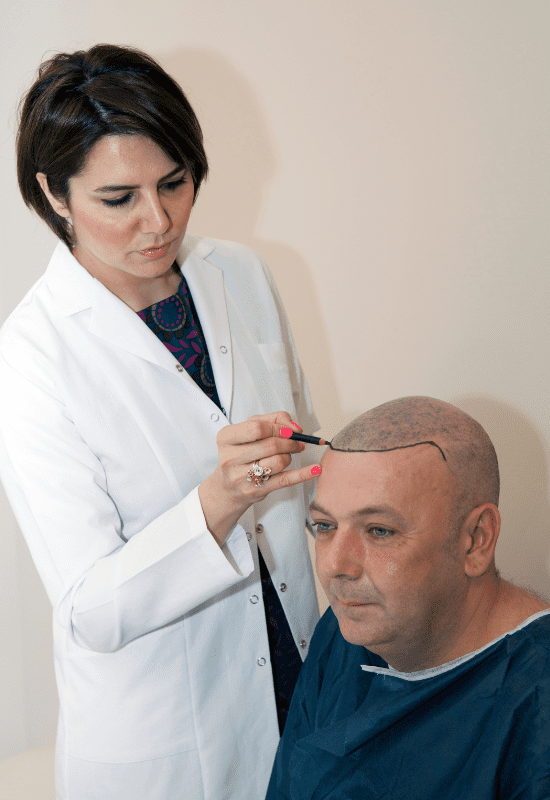
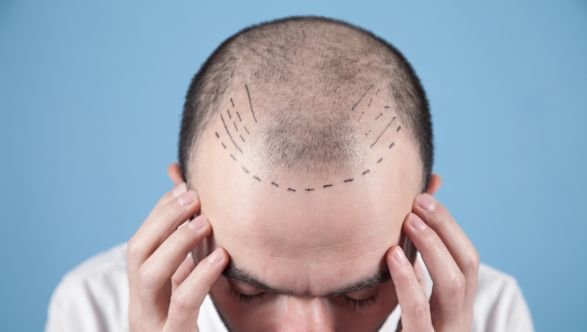
Customized hairline design for seamless integration.

Proven track record in restoring hair in scarred areas.
Scarring alopecia, also known as cicatricial alopecia, presents as irreversible hair loss due to the destruction of hair follicles. Unlike typical hair thinning, this condition leaves behind smooth, shiny patches where hair once grew. The appearance can vary depending on the underlying cause, stage of progression, and individual factors.


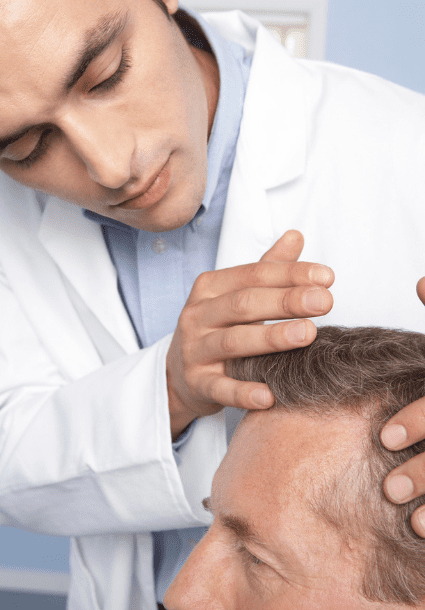
Since scarring alopecia is permanent, early diagnosis is critical. A dermatologist or hair specialist may perform:
If detected early, anti-inflammatory treatments (steroids, immunosuppressants) may slow progression. However, once scarring occurs, hair transplant surgery becomes the only option for regrowth.
While both conditions lead to hair loss, their causes, reversibility, and treatment approaches differ significantly.
Misdiagnosis can worsen scarring alopecia—always consult a specialist.
Scarring alopecia is a form of permanent hair loss caused by the destruction of hair follicles, which are replaced by scar tissue. While chemotherapy and radiation therapy are known to cause temporary hair loss (non-scarring alopecia), in rare cases, certain cancer treatments can contribute to scarring alopecia. Here’s what you need to know:

Factor | Chemotherapy/Radiation Hair Loss | Scarring Alopecia |
Reversibility | Usually temporary (hair regrows) | Permanent (no regrowth without transplant) |
Follicle Damage | Follicles remain intact | Follicles destroyed |
Common Causes | Chemo drugs, low-dose radiation | High-dose radiation, GVHD, severe burns |
Scalp Appearance | Normal scalp (no scarring) | Smooth, shiny, scarred patches |

If scarring alopecia develops post-cancer therapy, a hair transplant may be an option, provided:
✔ The underlying condition (e.g., GVHD) is under control.
✔ The scalp is healthy enough for surgery (no active infections or poor blood supply).
✔ Stable donor hair (from unaffected scalp/body areas) is available.
At AlloRoots, we evaluate each patient’s medical history to determine candidacy for scarring alopecia hair transplant, using FUE or DHI techniques for natural-looking restoration.
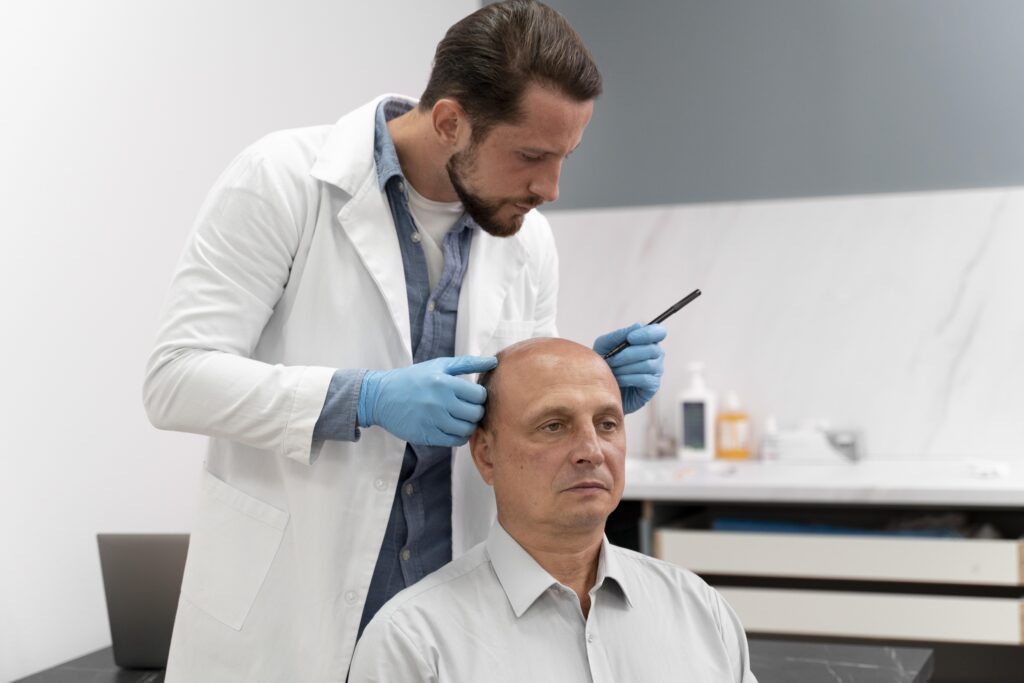
No, hair transplant is only recommended when scarring alopecia is inactive for 1-2 years. Active inflammation can damage newly transplanted follicles, reducing success rates. A dermatologist must confirm disease stability before surgery.
Yes! Advanced techniques like FUE & DHI allow hair transplantation into scars. The surgeon carefully implants grafts into scarred areas, ensuring proper blood supply for natural hair growth over time.
At AlloRoots, the success rate is 85-95%, depending on scar severity. Our precision techniques maximize graft survival, even in challenging scar tissue, ensuring dense and natural-looking results.
Yes! Since transplanted hair is DHT-resistant, it grows permanently. Unlike medications, a hair transplant provides a lifelong solution for scarring alopecia, with no risk of further hair loss.
The number varies based on scar size and density goals. Typically, 500-4000 grafts are required. A personalized consultation determines the exact graft count for optimal coverage.
Reach Out for a Hair Transformation Today!
Delhi: C-26, First Floor, Greater Kailash 1, New Delhi, 110048, India
Bhubaneswar: 2nd Floor, D 1 Square , Nandan Kanan Road , KIIT Square, Patia, Bhubaneswar, Odisha 751024
Uttarakhand: Gularbhoj Rd, near The Royal Gym, Dineshpur, Gurunanakpur, Uttarakhand 263160
Chennai: 39/2, RK Shanmugam Salai, Goutham Colony, K. K. Nagar, Chennai, Tamil Nadu 600078
Copyright @ 2024 Quizox Helath care pvt. ltd. All rights reserved.
SEO content goes here.


At AllôRoots, we are a team of experienced dermatologists and hair transplant surgeons, alumni of AIIMS, Delhi; Led by Dr. Alok Sahoo (MBBS, MD AIIMS, New Delhi). We are committed to innovation, providing clinically proven solutions for all hair restoration, with customized plans prescribed exclusively by experienced doctors.
Beyond hair transplants, Alloroots offers an extensive suite of services, including Hair fall treatment, Scalp Micropigmentation, Beard & Eyebrow restoration, regenerative hair treatments , PRP and GFC.
Email: in**@*******ts.com
Number: +91 9717503031


Copyright @ 2026 Quizox Health care pvt. ltd. All rights reserved.


Copyright @ 2025 Quizox Helath care pvt. ltd. All rights reserved.


Let us get in touch to help you out!
“Check our results page for the best hairline designs”