
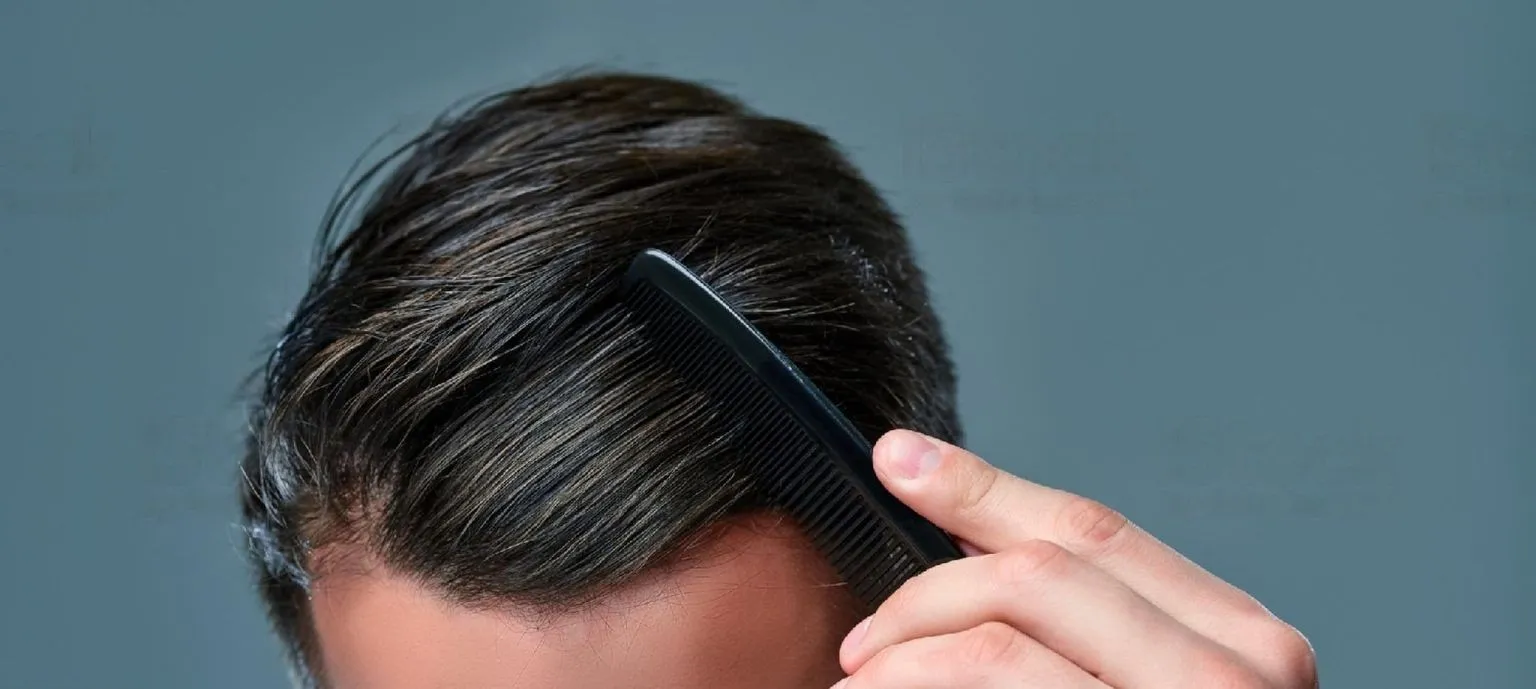

One of the most common concerns people have before undergoing a hair transplant is whether the transplanted hair will eventually turn grey. The simple answer is yes — transplanted hair can turn grey over time, just like your natural hair. However, the greying process is not caused by the hair transplant procedure itself.
At AlloRoots, patients seeking a Hair Transplant in Bhubaneswar are often informed that transplanted follicles continue to behave exactly the way they did in the donor area. This means the transplanted hair retains its original genetic characteristics, including texture, growth pattern, and natural ageing process.
Why Does Hair Turn Grey?
Hair colour is determined by a pigment called melanin, which is naturally produced by the body. The amount and type of melanin present in the hair follicles decide whether your hair appears black, brown, blonde, or grey.
As we age, melanin production gradually decreases. When the pigment reduces significantly, the hair begins losing its natural colour and starts appearing grey or white. This is a completely natural biological process and is mainly influenced by:
- Genetics
- Ageing
- Stress
- Lifestyle habits
- Nutritional deficiencies
- Sleep patterns
A hair transplant does not change the melanin levels in your body.
Does a Hair Transplant Cause Grey Hair?
No, a hair transplant surgery does not directly cause hair to turn grey. During the procedure, healthy hair follicles are moved from the donor area (usually the back of the scalp) to areas affected by hair loss. Since the follicles retain their original genetic properties, they continue to grow naturally after transplantation.
If the donor hair was genetically programmed to turn grey later in life, the transplanted hair will also turn grey gradually with age.
Can Hair Colour Change After a Hair Transplant?
In rare situations, some patients may notice slight temporary changes in hair texture or appearance during the healing phase. However, permanent colour change due to the procedure itself is extremely uncommon.
Most patients who undergo a Hair Transplant in Bhubaneswar experience completely natural-looking results where the transplanted hair blends seamlessly with existing hair.
Lifestyle Also Plays a Major Role
Nowadays, premature greying is becoming increasingly common even among younger individuals. Factors such as:
- High stress levels
- Poor sleep cycle
- Smoking
- Unhealthy diet
- Vitamin deficiencies
- Excessive lifestyle imbalance
can accelerate the greying process.
Maintaining a healthy lifestyle after your hair transplant not only supports better hair health but also improves overall hair quality and scalp condition.
Natural Ageing of Transplanted Hair
One important thing to understand is that transplanted hair continues to age naturally. This means:
- It can turn grey over time
- It can become thinner with age
- It follows your natural biological ageing process
However, the transplanted follicles remain resistant to pattern baldness, which is why the results are considered permanent.
Final Thoughts
A hair transplant does not make your hair grey. The colour of your hair is controlled by genetics and melanin production, not by cosmetic or surgical hair restoration procedures. Transplanted hair behaves like normal hair and ages naturally over time.
At AlloRoots, advanced FUE hair transplant techniques are designed to deliver natural density, healthy graft survival, and long-lasting results for patients looking for the best Hair Transplant in Bhubaneswar.
FAQs
Q: Does transplanted hair stay black forever?
A: No. Transplanted hair follows the natural ageing process and may turn grey over time depending on genetics and age.
Q: Can a hair transplant stop greying?
A: No. A hair transplant restores hair growth but does not affect melanin production or prevent greying.
Q: Is premature greying related to hair transplant surgery?
A: No. Premature greying is usually linked to genetics, stress, lifestyle, or nutritional deficiencies.