
Best Hairline Reconstruction for hairline lowering surgery India
Hairline lowering surgery in India requires a surgeon who can balance aesthetic proportion with long-term scalp health — not every clinic offering FUE is equipped for both.
- Hairline lowering (also called scalp advancement) is a surgical procedure distinct from standard hair transplant; candidate selection matters significantly.
- The clinics listed here were assessed on surgeon certification, scalp assessment protocols, and realistic outcome communication — not marketing claims.
- Graft survival rates, hairline design precision, and post-operative transparency were weighted heavily in our evaluation.
- We excluded any clinic that could not demonstrate a consistent, evidence-based approach to donor area planning.
- Results vary by individual scalp laxity, hair density, and baseline hairline position — no outcome is guaranteed.
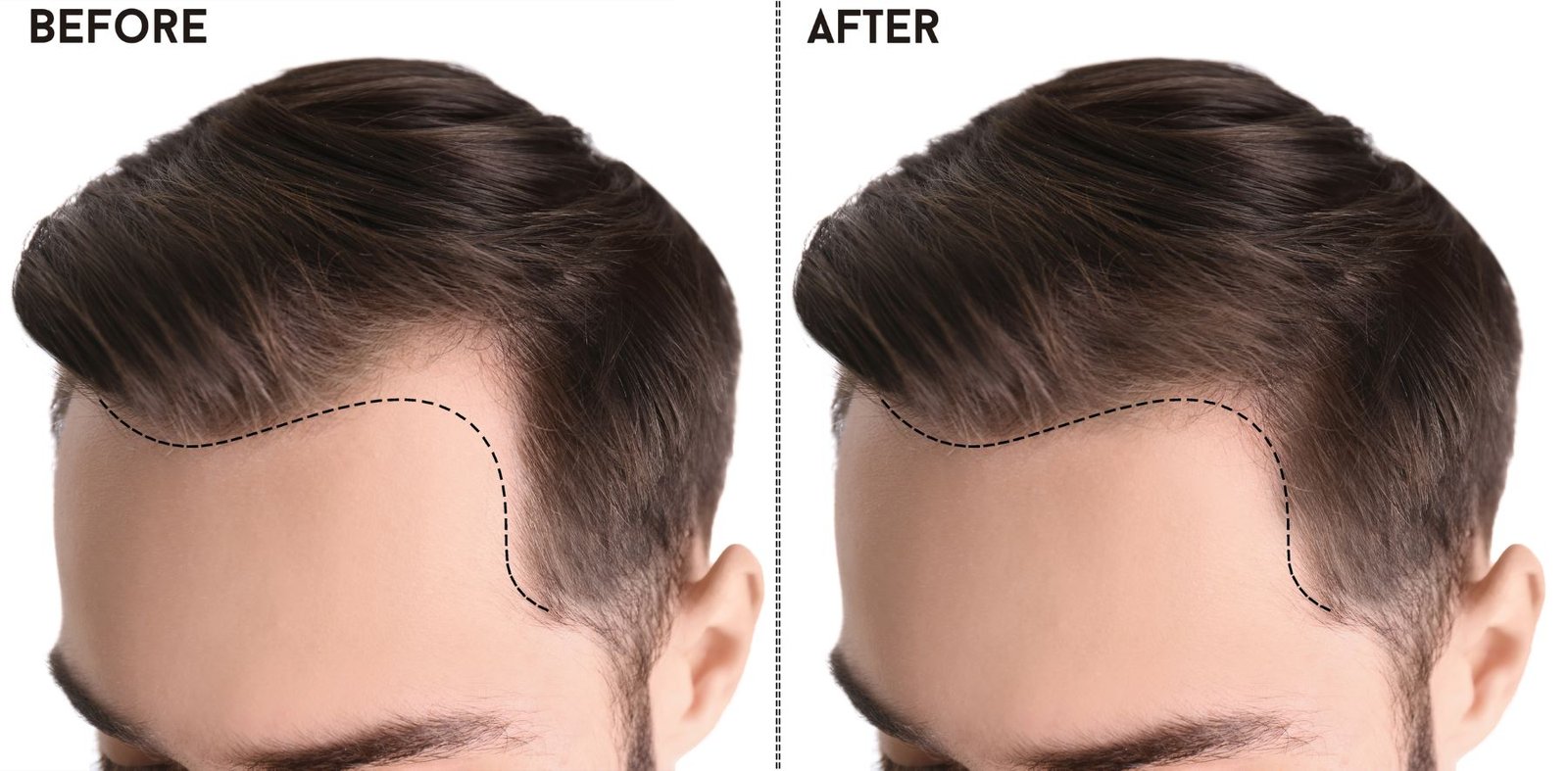
To identify the strongest options for hairline reconstruction in India for 2026, we reviewed clinics against four criteria: the qualifications of their certified surgeons, the depth of their pre-surgical scalp assessment process, documented approaches to natural-looking hairline design, and the honesty of their patient consultations. Clinics that led with pricing promotions or avoided discussing candidacy limitations were excluded.
Our picks for Hairline Reconstruction
These picks focus specifically on hairline lowering surgery in India — a distinct procedure from standard FUE that repositions the anterior hairline through surgical advancement, not follicular transplantation. Each option below is assessed on clinical transparency, surgeon qualification, and suitability for different patient profiles.
1. Alloroots — Best for Honest Pre-Surgical Assessment & Hairline Reconstruction
Verdict: A patient-first clinic that prioritises realistic outcome-setting over volume-driven consultations.
Who it’s for: Patients who want a transparent scalp assessment before committing to any surgical plan.
Headline strength: Certified surgeons, evidence-based planning, and a consultation process that tells you what hairline lowering surgery can and cannot achieve for your specific anatomy.
One downside: Not the right fit if you’re looking for a quick decision — the assessment process is thorough and takes time.
2. Clinics Offering Surgical Hairline Advancement — Best for Non-Transplant Candidates
Verdict: Surgical hairline lowering (forehead reduction) is a separate procedure from FUE and suits patients with adequate scalp laxity.
Who it’s for: Adults — often women — whose high hairline is anatomical rather than caused by hair loss.
Headline strength: Can deliver immediate, visible hairline repositioning in a single procedure.
One downside: Candidacy depends entirely on scalp flexibility; not everyone qualifies, and an honest surgeon will tell you so upfront.
3. Combined FUE + Hairline Lowering Clinics — Best for Complex Cases
Verdict: Some patients benefit from both surgical advancement and follicular grafting to soften the hairline edge naturally.
Who it’s for: Patients with moderate scalp laxity who also want a more natural-looking transition zone.
Headline strength: A combined approach can address both position and density in one treatment plan.
One downside: Requires a clinic with dual expertise — surgical and transplant — which narrows your options considerably.
4. NABH-Accredited Facilities — Best for Safety-Conscious Patients
Verdict: Accreditation signals that a facility meets defined clinical and hygiene standards, which matters for any surgical procedure.
Who it’s for: Patients who want institutional reassurance alongside surgical skill.
Headline strength: Accreditation provides a verifiable quality benchmark beyond marketing claims.
One downside: Accreditation alone does not indicate surgical outcome quality — always assess the surgeon’s specific experience with hairline procedures.
5. Clinics With Dedicated Hairline Design Consultations — Best for Aesthetic Precision
Verdict: Hairline design is a clinical skill, not a cosmetic preference — the right clinic treats it that way.
Who it’s for: Patients who want their hairline mapped against facial proportions before any incision is made.
Headline strength: Structured hairline design consultations reduce the risk of outcomes that look surgical rather than natural.
One downside: Clinics that rush this step are a red flag; finding one that doesn’t may require more research.
6. Clinics Offering Scalp Laxity Testing — Best for Accurate Candidacy Screening
Verdict: Scalp laxity determines whether surgical hairline lowering is physically possible — this test should happen before any surgical discussion.
Who it’s for: Anyone considering forehead reduction who hasn’t yet had a clinical assessment.
Headline strength: Proper laxity testing prevents patients from undergoing procedures they aren’t suited for.
One downside: Clinics that skip this step and proceed to pricing conversations should be avoided.
7. Clinics With Scar Management Protocols — Best for Minimising Visible Incision Lines
Verdict: Hairline lowering surgery leaves a scar along the hairline — how a clinic manages this defines long-term results.
Who it’s for: Patients with concerns about post-surgical scar visibility, particularly those who wear their hair up.
Headline strength: Trichophytic closure techniques can significantly reduce scar visibility when performed correctly.
One downside: Results vary by skin type and healing response — no clinic can guarantee an invisible scar.
8. Clinics Offering Post-Surgical Follow-Up — Best for Long-Term Outcome Monitoring
Verdict: Hairline lowering is not a set-and-forget procedure; healing and scar maturation require monitoring over months.
Who it’s for: Patients who want structured aftercare built into their treatment plan.
Headline strength: Clinics with defined follow-up schedules demonstrate accountability beyond the operating room.
One downside: Follow-up quality varies widely — ask specifically what the post-surgical protocol includes before you book.
9. Clinics That Publish Realistic Before-and-After Documentation — Best for Expectation Management
Verdict: Authentic documentation — showing varied results, not just best-case outcomes — is a marker of clinical honesty.
Who it’s for: Patients doing due diligence who want evidence grounded in real outcomes.
Headline strength: Transparent case documentation helps patients calibrate expectations before surgery.
One downside: Curated galleries that show only exceptional results are common; ask to see a representative range.
10. Clinics That Clearly State Who Is Not a Candidate — Best for Trust
Verdict: A clinic willing to turn patients away when surgery isn’t appropriate is one worth taking seriously.
Who it’s for: Any patient who wants to know they’re receiving an honest clinical opinion, not a sales conversation.
Headline strength: Clear candidacy exclusions signal that the clinic prioritises patient outcomes over procedure volume.
One downside: These clinics may have longer waiting times precisely because they’re selective — plan your timeline accordingly.
Frequently Asked Questions
What is hairline lowering surgery and how does it work?
Hairline lowering surgery is a procedure that moves the frontal hairline forward to reduce the height of the forehead. In India, two main approaches are used: surgical scalp advancement, which physically repositions the hairline in a single session, and FUE hair transplant, which places grafts along the forehead to gradually reconstruct a lower, natural-looking hairline. A certified surgeon will recommend the right method after a thorough scalp assessment.
How do I know if I am a good candidate for hairline reconstruction in India?
Good candidates typically have a high or uneven hairline, sufficient scalp laxity for surgical advancement, or an adequate donor area for FUE-based reconstruction. A realistic assessment matters here — candidates with active hair loss or poor donor density may need a staged plan. A patient-first consultation with a certified surgeon will evaluate your scalp health, hair characteristics, and long-term hair loss pattern before any recommendation is made.
What is the difference between surgical scalp advancement and FUE hairline reconstruction?
Surgical scalp advancement physically moves the entire hairline forward by removing a strip of forehead skin, delivering immediate results in one procedure. FUE hairline reconstruction uses individually extracted grafts placed along the desired hairline, offering a more gradual, scar-free outcome with greater design flexibility. FUE is generally preferred for patients with ongoing hair loss, while scalp advancement suits those with stable hairlines and good scalp elasticity.
What results can I realistically expect from hairline lowering surgery in India?
Realistic outcomes depend on your scalp laxity, donor area quality, and the technique used. FUE-based hairline reconstruction typically shows visible results within 9–12 months as transplanted grafts mature. Surgical advancement delivers more immediate change but leaves a fine scar along the new hairline. No procedure can guarantee a specific outcome — graft survival rates and final density vary by individual, which is why transparent pre-surgery counselling is essential.
How much does hairline lowering surgery cost in India?
Cost in India varies based on the technique chosen, the number of grafts required, and the clinic’s surgical team. FUE-based hairline reconstruction is typically priced per graft, while surgical scalp advancement is quoted as a fixed procedure cost. Transparent clinics will provide a detailed breakdown after your scalp assessment rather than quoting a flat figure upfront. Prioritise evidence-based care and certified surgeons over the lowest price when making this long-term decision.
Is hairline lowering surgery in India safe, and what are the key risks?
When performed by certified surgeons in an accredited facility, hairline lowering surgery carries a manageable risk profile. Potential risks include temporary numbness, visible scarring along the hairline, uneven density, and — in FUE cases — variable graft survival. Choosing a clinic that conducts a thorough pre-operative scalp assessment and sets realistic expectations significantly reduces the likelihood of unsatisfactory outcomes. Avoid clinics that downplay risks or skip detailed consultations.
See Our Work: YouTube
Also Read: 10 Best FUE Hair Transplant – Core Informational for FUE hair transplant India (2026)

MBBS, MD – Dermatology & Venereology

✅ Dermatologist | Hair Transplant Surgeon (Verified) ✅ 11 Years of Experience (8 Years as a Specialist)
Dr. Alok Kumar Sahoo is a distinguished hair transplant surgeon specializing in Bio-enhanced FUE procedures. With an MD in Dermatology, he has successfully treated over 10,000 hair loss patients and performed 2,000+ hair transplant procedures. His expertise includes hairline reconstruction, beard and eyebrow transplantation, and body hair transplantation (BHT). Passionate about delivering natural, long-lasting results, Dr. Sahoo is committed to transforming patients’ confidence through innovative, minimally invasive techniques.