


Planning a hair transplant in India, around one trip home
The practical guide for NRIs: when to travel, what to prepare before you fly, how soon you can fly back, and how aftercare works once you're home. Plan the whole thing remotely — then simply arrive ready.

How do NRIs plan a hair transplant in India?
Planning comes down to five things: start early (book a free video consultation 4-8 weeks before you fly), choose comfortable timing (cooler months, and a trip with a few spare days), prepare properly (share photos, disclose medications, arrange a stay near the clinic), fly home safely (most patients can fly around 3-5 days after the procedure), and manage aftercare remotely with your surgeon's guidance.
Done this way, a permanent, doctor-led procedure fits neatly into a single trip home. New to the idea? Start with our overview of why NRIs choose a hair transplant in India for the cost and quality case, then use this guide for the logistics.
Choose the right time to travel
The beauty of getting it done in India is that it fits around a trip you may already be taking. A little timing strategy makes recovery far more comfortable.
Cool, comfortable recovery. Aligns with holiday visits home.
Pleasant weather, easy healing. A popular NRI window.
Workable with light planning around the heat.
Peak summer; sweating early in recovery is less comfortable.
Two rules whatever your dates: leave at least 4-5 spare days after the procedure before flying home, and start planning 4-8 weeks ahead so your consultation and graft plan are ready. To understand your likely procedure first, see how many grafts you may need.
Your whole journey, start to finish
The logistics are simpler than most NRIs expect. Here's exactly how it unfolds.
Free video consultation from home
Meet Dr. Alok online from anywhere in the world. Share clear scalp photos (or run the free hair analysis first), and get your Norwood stage, an indicative graft count, an all-inclusive cost, and a realistic plan — all before you commit to a date or a flight.

Arrive, settle, and confirm the plan
Reach India a day or two before your date to rest and settle. You visit the clinic for a final assessment, the hairline is designed and drawn for your approval, and the complete plan is confirmed. No rush, no surprises — everything was already mapped out in your video consult.

One day, under local anaesthesia
Your FUE procedure takes a single day. You're awake and comfortable throughout — you can talk, use your phone, and take breaks. There's no general anaesthetic and no overnight hospital stay; you return to your accommodation the same evening.
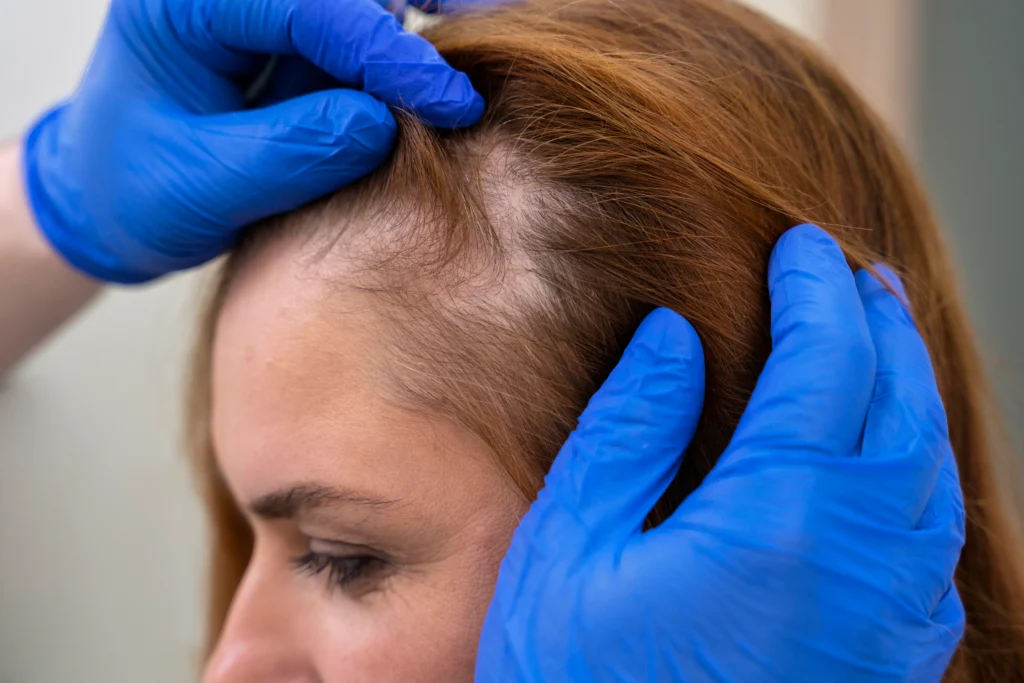
First wash, a check-up, and you're cleared to fly
Over the next couple of days you'll have your first wash and a check-up to confirm everything is healing well. This is why the buffer days matter — they let the grafts secure and let the doctor verify your progress. Most patients fly home within about 3-5 days. See the full recovery timeline.
Your pre-departure checklist
A little preparation from abroad makes everything smoother once you land. Before you fly, tick these off.
- Complete a video consultation so your graft count, plan and cost are confirmed.
- Share clear scalp photos (top, front, sides, back) in good light, or run the online analysis first.
- Disclose your full medical history and medications — especially blood thinners — and follow the doctor's guidance. Never stop a prescribed medicine on your own.
- Confirm an all-inclusive quote so nothing surprises you while you're away. See our hidden costs guide.
- Arrange accommodation near the clinic for the procedure and recovery days.
- Plan your return flight with a buffer, ideally a seat you can relax in.
- Carry your ID, and a couple of button-up shirts — it's best not to pull clothing over your head after surgery.
- Ask about a discreet option — a non-shave / long-hair FUE keeps the procedure less visible for events.
Flying home safely after your hair transplant
Most patients can fly home around 3-5 days after the procedure, once healing is underway and the grafts are secure. Your surgeon confirms the right timing. A few simple comfort tips for the flight:
If advised, wear a soft, loose cap to shield grafts from bumps and sun. Nothing tight on the recipient area.
Take an aisle seat and be careful not to knock your head on bins or the seat in front.
Stay hydrated and avoid alcohol on the flight, which can aggravate swelling.
However tempting on a long flight, avoid scratching or touching the grafts while they settle.
Managing aftercare across time zones
Your visible result grows in over 10-12 months, long after you've flown home — so the plan is built around remote support. Expect a shedding phase in the first weeks (the transplanted hairs fall out before regrowing, which is completely normal), followed by gradual regrowth from around months three to four, with the fuller result maturing across the year.
Throughout, your clinic supports you with photo and video check-ins, so your progress is tracked wherever you are in the world. Because transplanted grafts are permanent and self-maintaining, there's normally nothing hands-on you need to return to India for during a standard recovery. Keep your wash and care routine consistent as you adjust to your home time zone, follow your aftercare instructions, and send progress photos at the milestones your clinic suggests. That's genuinely all it takes.
How to vet a clinic before you fly
Because you're travelling in for a short window, choosing the right clinic is the most important decision you'll make. India has excellent doctor-led clinics and also high-volume "graft mills" where technicians do most of the work. Ask any clinic these questions and expect clear answers:
- Will a qualified doctor personally perform my entire surgery — extraction, slit-making and implantation?
- What are the doctor's qualifications (for example, an MD in Dermatology)?
- Is the quote all-inclusive, with no add-ons revealed later?
- How is remote follow-up handled after I fly home?
- Can I see real patient results and independent reviews?
Personally performed by Dr. Alok Kumar Sahoo
When you fly across the world for a permanent result, you deserve to know exactly who is responsible for it. At Alloroots, that's a named, AIIMS-qualified doctor who performs your entire procedure with his own hands — never a technician on a daily quota.
Doctor-led work, natural results

Before and after, shown at 1.5 years. Individual results vary.
"The doctor did the extraction, slit-making and implantation himself, and the final look exactly matched the design drawn on my scalp. Aseptic measures were highly maintained - no oozing or crusting."Benugopal Google review · Alloroots
Rated 5.0 from 163 Google reviews. Read them →
Planning an NRI hair transplant — FAQs
When is the best time for an NRI to get a hair transplant in India?
The most convenient time is during a trip you're already planning, ideally in the cooler October-March months when recovery is more comfortable than in peak summer heat. Whatever your dates, leave at least 4-5 spare days after the procedure before flying home, and start planning 4-8 weeks ahead so your consultation and graft plan are ready.
How far in advance should I plan my hair transplant trip?
Around 4-8 weeks is ideal. That gives you time to complete a free video consultation, confirm your graft count, plan and cost, and lock a procedure date that fits your itinerary without a last-minute rush. The earlier you book the consultation, the more choice you have over dates.
How soon can I fly home after a hair transplant?
Most patients can fly home around 3-5 days after the procedure, once initial healing is underway and the grafts are secure. Your surgeon confirms the right timing for you. On the flight, protect the grafts from bumps, avoid anything tight on the recipient area, stay hydrated, and skip alcohol.
What should I prepare before travelling for a hair transplant?
Complete a video consultation, share clear scalp photos, disclose your full medical history and medications (especially blood thinners) and follow the doctor's guidance, confirm an all-inclusive quote, and arrange accommodation near the clinic with a few buffer days before your return flight. If you have events during the trip, ask about a discreet non-shave option.
Do I need to stop any medications before a hair transplant?
Possibly, but only on your doctor's advice. Some medications and supplements - particularly blood thinners - can affect bleeding, so it's essential to disclose everything you take during your consultation and follow the specific guidance you're given. Never stop a prescribed medication on your own; let the surgeon advise what to pause and when.
How is aftercare managed once I return to my home country?
Your result grows over 10-12 months and is supported remotely through photo and video check-ins. You'll go through a normal shedding phase in the first weeks, then gradual regrowth. Keep your care routine consistent, follow your aftercare instructions, and send progress photos at the milestones your clinic suggests. Because grafts are permanent, there's usually nothing hands-on to return for.
Is it worth travelling to India for a hair transplant as an NRI?
For most NRIs with a healthy donor area, yes - you get a permanent, doctor-performed result at a fraction of home-country prices, folded into a trip you were likely taking anyway. The key is choosing a doctor-led clinic rather than the cheapest graft mill. See our full case for why NRIs choose India.
Start planning from anywhere in the world — free
Plan the entire thing from home, then simply arrive ready. Get your graft count, an all-inclusive price, and your procedure date — all before you book a flight.
International Society of Hair Restoration Surgery (ISHRS) - patient guidance on choosing a provider and medical tourism. ishrs.org
American Academy of Dermatology (AAD) - independent overview of hair transplant procedures. aad.org
National Medical Commission (India) - qualifications recognised for performing hair transplantation. nmc.org.in
This page is general information, not medical advice. Suitability, timing and cost are determined after an assessment by a qualified doctor.


